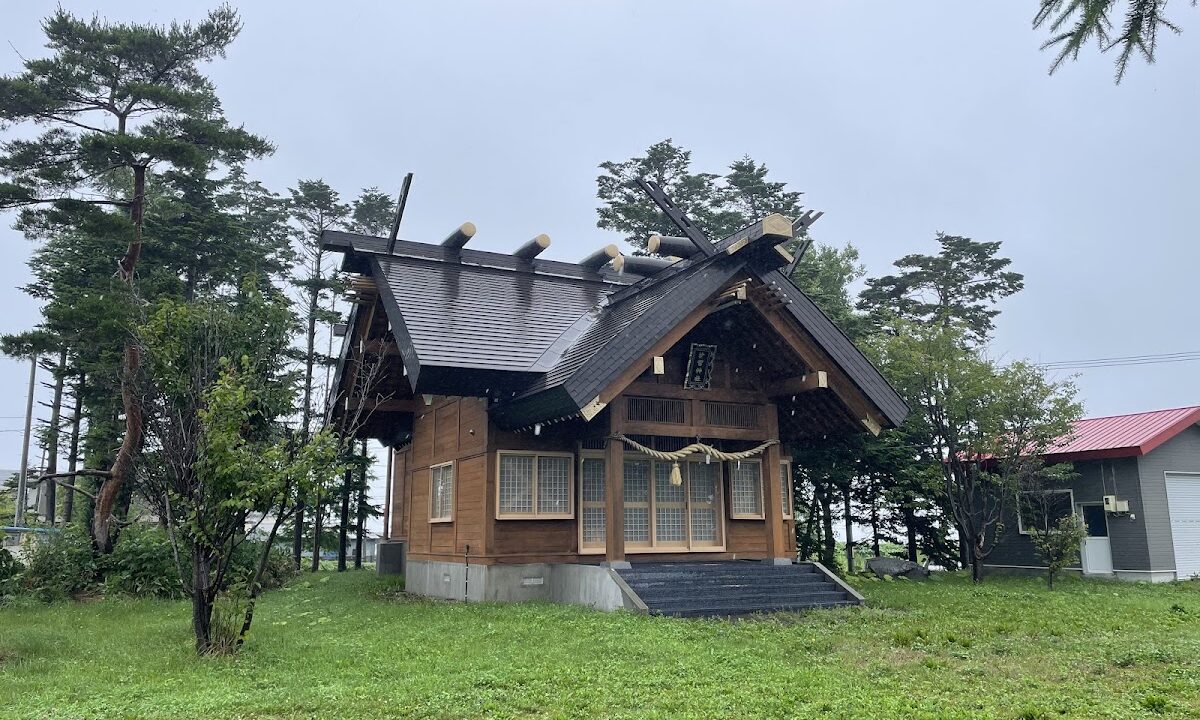
Saru Shrine (Okoppe Town, Monbetsu District, Hokkaido) | Complete Guide to History, Deities, Festivals, and Access
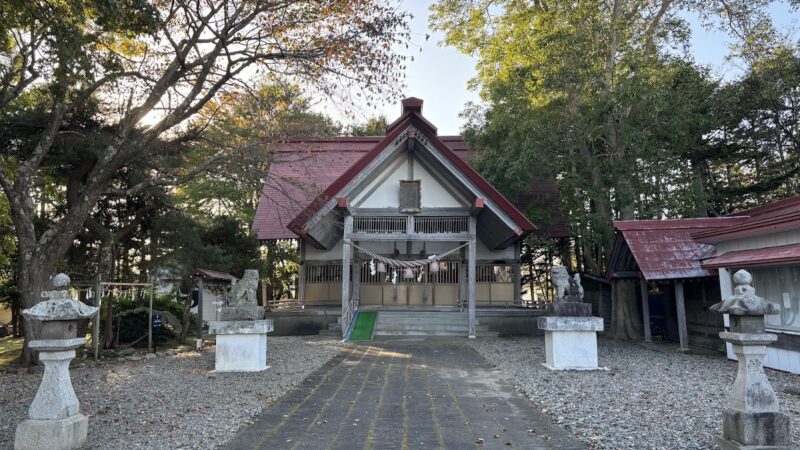
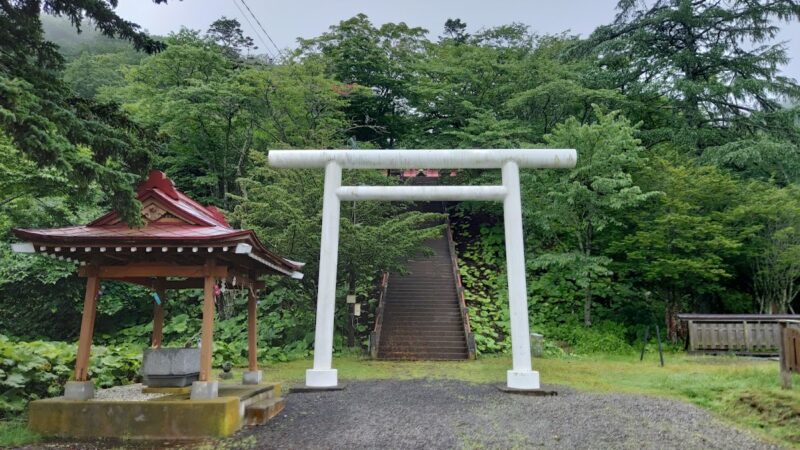
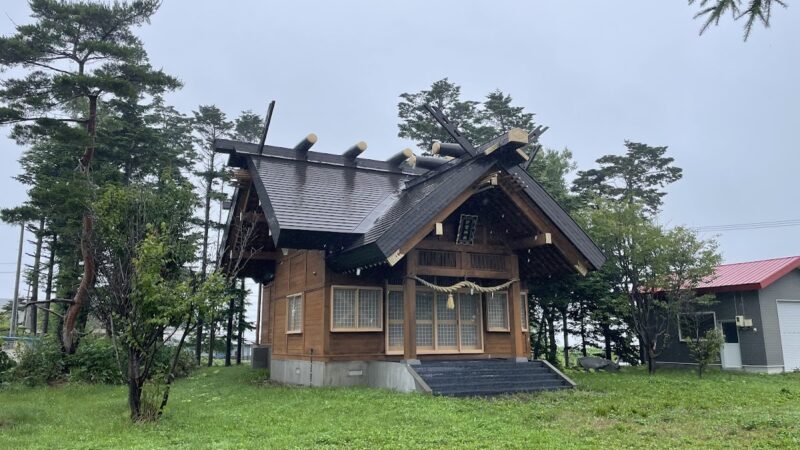
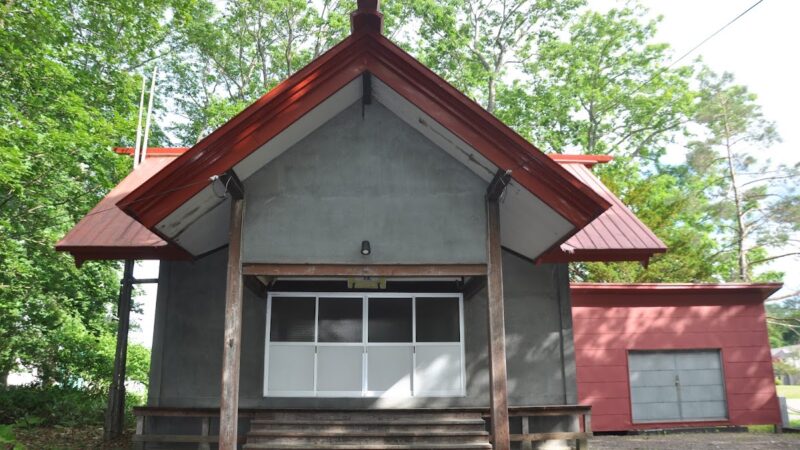
Saru Shrine, located in Okoppe Town, Monbetsu District, Hokkaido, has been a place of worship for local residents since the Meiji era. Situated on a hill in the Saru district overlooking the Sea of Okhotsk, it has a history intertwined with the development of the region since the pioneering days. This article provides detailed information useful for visitors, including the history of Saru Shrine, its enshrined deities, festivals, and access information.
Basic Information about Saru Shrine
Saru Shrine is a shrine belonging to the Hokkaido Shrine Association and is cherished by local residents as a spiritual pillar of the Saru district in Okoppe Town.
Location and Contact Information
Location: Saru, Okoppe-cho, Monbetsu-gun, Hokkaido
Jurisdiction: Hokkaido Shrine Association
Address (Hokkaido Shrine Association): 474-35 Miyagaoka, Chuo-ku, Sapporo, Hokkaido 064-0959
Saru Shrine is located in the Saru district, away from the town center of Okoppe-cho, and sits on a hill overlooking the Sea of Okhotsk. This location continues to hold significant meaning for those involved in the fishing industry who pray for safety at sea and abundant catches.
Deity Enshrined
The deity enshrined at Saru Shrine is Amaterasu Omikami.
Amaterasu Omikami is the supreme deity in Japanese mythology, known as the personification of the sun. She is the ancestral deity of the Imperial Family and is enshrined in the Inner Shrine of Ise Grand Shrine. She is revered throughout Japan as the guardian deity of all industries, including agriculture and fishing, and as a goddess of national peace and good fortune.
During the pioneering era of Hokkaido, for people who left their hometowns to start new lives in this new land, shrines dedicated to Amaterasu Omikami served as a source of spiritual support and a place that strengthened community bonds.
History and Origin of Saru Shrine
Circumstances of its Founding (Meiji Era)
The history of Saru Shrine dates back to the Meiji era. Around Meiji 27 (1894), when a man named Fujino Matabei was managing a fishing ground in Saru, he erected a monument on a hill in what is now the Saru town area and enshrined Amaterasu Omikami, which is considered the beginning of the shrine.
At that time, Hokkaido was undergoing development, and many people migrated from various parts of Honshu in search of a new life. The Saru area was also developing with industries centered on fishing, and entrepreneurs like Fujino Matabei were working hard for regional development.
Construction of the Shrine Building (Meiji 33)
People who decided to leave their hometowns far away and settle permanently in this northern land felt a strong need to build a shrine as a spiritual anchor and place of worship. In the harsh life of the pioneering settlement, there was a need for a place of spiritual support.
Responding to these wishes of the local residents, a new shrine was built at its current location in 1900 (Meiji 33). Since then, festivals have been held on a grander scale each year, and the shrine has developed into a center of faith for the community.
A History Walking Together with the Community
Since its founding, Saru Shrine has walked hand in hand with the development of the Saru district. As a region where fishing is thriving, it has attracted the faith of many people as a shrine for praying for maritime safety and abundant catches, and as a guardian deity watching over the lives of the local residents.
Through the changing times of the Meiji, Taisho, Showa, Heisei, and Reiwa eras, Saru Shrine has always remained a central presence in the local community. The annual festival and other religious ceremonies have been passed down as important community events, fostering bonds that transcend generations.
Annual Festival and Events at Saru Shrine
About the Annual Festival
Saru Shrine holds an annual festival every year, where local residents participate to celebrate the shrine’s history and pray for the prosperity of the community and the peace and well-being of its inhabitants. The annual festival is the most important ceremony at the shrine, a crucial opportunity to express gratitude to the enshrined deity and pray for the development of the community.
During the annual festival, Shinto rituals such as the recitation of prayers and the offering of sacred branches are solemnly performed by the Shinto priests. It also serves as a place for local residents to participate and reaffirm their sense of community.
Annual Events at Shrines in Hokkaido
Shrines in Hokkaido hold various Shinto rituals and annual events throughout the year. It is believed that Saru Shrine also holds rituals tailored to local circumstances.
The Hokkaido Shrine Association provides information on annual events at each shrine, including seasonal rituals such as Hatsumode (first shrine visit of the year), Setsubun Festival, Annual Festival, Shichi-Go-San (children’s festival), and Niiname-sai (harvest festival). These events play an important role in passing on Japan’s traditional culture to future generations.
Visiting Saru Shrine
Access Information
Saru Shrine is located in Saru, Okoppe-cho, Monbetsu-gun, Hokkaido.
Access by Car:
- Take National Route 238 from Okoppe town center
- Approximately 30 minutes by car from Monbetsu City
- Approximately 3 hours by car from Asahikawa City
Access by Public Transportation:
- Buses run from Monbetsu City to Okoppe town center
- Further travel is required to reach the Saru area from Okoppe town center
Located in a scenic area along the Sea of Okhotsk, a scenic drive is recommended for a visit.
Etiquette for Worship
There are basic etiquette rules for visiting a shrine. By following the correct etiquette, you can offer your prayers with greater sincerity.
Basic Etiquette for Visiting a Shrine:
- Bow Before Passing Through the Torii Gate
The torii gate is the entrance to the sacred area. Bow before entering the grounds.
- Purify Your Body and Mind at the Water Basin
Purify your left hand, then your right hand, then rinse your mouth, and finally purify your left hand.
- Walk Along the Edge of the Path
The center of the path is considered the path of the gods.
- Worship at the Main Hall
The basic procedure is two bows, two claps, and one bow.
- Bow deeply twice (two bows)
- Clap your hands twice at chest height (two claps)
- Finally, bow deeply once (one bow)
- Bow at the Torii Gate Upon Exit
When leaving the shrine grounds, turn around after passing through the torii gate and bow.
Points to Note When Visiting a Shrine
- Shrines are sacred places. Please visit with silence and reverence.
- Please only take photographs in designated areas.
- Please take all your trash with you and keep the shrine grounds clean.
- Please be careful of your footing during winter due to snow.
About Okoppe Town and Saru District
Overview of Okoppe Town
Okoppe Town is a town located in Monbetsu District, under the jurisdiction of the Okhotsk General Subprefectural Bureau of Hokkaido. Facing the Sea of Okhotsk, it is known as a region where fishing and dairy farming are thriving.
The town name “Okoppe” is said to originate from the Ainu word “Okoppe” (meaning “river mouth,” “blocked,” “thing”). Development has progressed since the Meiji era, and the area has developed mainly around fishing and agriculture.
Characteristics of the Saru District
The Saru district is a region within Okoppe Town where fishing is particularly thriving. Blessed with abundant marine resources from the Sea of Okhotsk, this area has flourished as a fishing base since ancient times.
The place name “Saru” is also derived from the Ainu language, meaning “saru” (reed field). This name, reflecting the natural environment of the region, has been passed down to the present day.
Saru Shrine has functioned as an important place of worship in this fishing-centered region, where prayers are offered for maritime safety, abundant catches, and regional prosperity.
About the Hokkaido Shrine Association
Role of the Hokkaido Shrine Association
The Hokkaido Shrine Association functions as a regional branch of the Association of Shinto Shrines, encompassing shrines throughout Hokkaido. Its headquarters are located in Miyagaoka, Chuo-ku, Sapporo, within the grounds of Hokkaido Jingu Shrine.
Main Roles of the Hokkaido Shrine Association:
- Overseeing and supporting shrines within Hokkaido
- Training and educating Shinto priests
- Providing information on shrines
- Promoting and educating Shinto culture
- Guiding various rituals and religious ceremonies
Characteristics of Hokkaido Shrines
Hokkaido shrines have several characteristics compared to those on Honshu.
Historical Background: Many Hokkaido shrines were founded after the Meiji era. Immigrants from Honshu invited branch shrines from their hometowns or established new shrines, making them centers of faith in the pioneering areas.
Pioneering and Shrines: The history of Hokkaido’s pioneering and the development of shrines are closely related. The pioneering commission and immigrants established shrines in various locations to serve as spiritual pillars amidst the harsh natural environment.
Center of Local Communities: In vast Hokkaido, shrines have played an important role in strengthening the bonds of local communities. Religious ceremonies such as annual festivals provide valuable opportunities for local residents to gather.
The Basics of Shrine Visits and Rituals
Life Rituals and Shrines
Shrines play an important role as places for rituals at important milestones in life.
First Shrine Visit (Omiyamairi): A baby’s first visit to a shrine to pray for healthy growth.
Shichi-Go-San: Celebrating the growth of children at ages 3, 5, and 7, and praying for their future health and happiness.
Coming-of-Age Ceremony: Reporting one’s coming of age to the gods and praying for safety and well-being in the future.
Shinto Wedding Ceremony: A traditional wedding ceremony where a couple exchanges vows before the gods.
Household Shinto Altars
Setting up a household Shinto altar is a traditional Japanese form of faith, where daily gratitude is offered to the gods and prayers are offered for the safety and happiness of the family.
Jingu Taima: This is a sacred amulet from Ise Grand Shrine, containing a divided spirit of Amaterasu Omikami. It is enshrined in the household altars of many homes.
Ujigami no Goshinfu: Sacred amulets from local tutelary shrines are also enshrined in household altars. In the Saru district, families maintain a connection with the local deity by enshrining the amulet of Saru Shrine.
Gagaku in Shinto Shrines
Gagaku is traditional Japanese music, performed at shrine festivals and ceremonies. The Hokkaido Shrine Association is also working to promote and preserve Gagaku, providing information on it to Shinto priests and the general public.
The sound of Gagaku creates a sacred atmosphere, making Shinto rituals more solemn. Those interested should refer to the Gagaku guide provided by the Hokkaido Shrine Association.
Significance of Visiting Saru Shrine
Experiencing Local History
Visiting Saru Shrine allows you to connect with the history of the Saru district in Okoppe Town, which has been developing since the Meiji era. You can feel the efforts and faith of the ancestors who opened up new lands and developed the region in a harsh natural environment.
Finding Peace of Mind
In modern society, shrines are precious places where you can calm your mind and find spiritual peace. In a quiet environment overlooking the Sea of Okhotsk, you can escape the hustle and bustle of everyday life and find peace of mind.
Connection with the Community
Shrines are the heart of local communities. By visiting Saru Shrine, you can feel the history, culture, and connections with the people of the region. In particular, participating in Shinto rituals such as the annual festival will deepen your interaction with local residents.
Relationship with Other Shrines in Hokkaido
Hokkaido Shrine
Hokkaido Shrine is the principal guardian shrine of Hokkaido, located in Chuo-ku, Sapporo City. The shrine enshrines the three pioneering deities (Ōkunitama-no-kami, Ōnamuchi-no-kami, and Sukunahikona-no-kami) and Emperor Meiji, and has played a vital role as a spiritual pillar of Hokkaido’s development.
The headquarters of the Hokkaido Shrine Association is also located within the grounds of Hokkaido Shrine, making it the center of shrine administration in Hokkaido.
Shrines in the Okhotsk Region
The Okhotsk region, where Saru Shrine is located, is home to many other shrines. Historic shrines exist in various areas such as Monbetsu City, Abashiri City, and Kitami City, each functioning as a center of local faith.
In addition to Saru Shrine, there are also shrines in the town of Okoppe, supporting the spiritual culture of the entire town.
Message to Visitors
For over 120 years, since the pioneering period of the Meiji era, Saru Shrine has remained a spiritual anchor for the people of the Saru district. Quietly standing on a hill overlooking the Sea of Okhotsk, this shrine conveys the history of the region and the depth of the people’s faith.
When visiting Okoppe Town or the Saru district, be sure to visit Saru Shrine and experience the history and culture of this region. In the tranquil atmosphere of the shrine, you can calm your mind, offer your daily gratitude to the gods, and gain renewed vitality.
Experiencing the form of faith nurtured amidst Hokkaido’s magnificent nature and reflecting on the traditions that the local people have carefully preserved will surely be a memorable and precious experience.
Summary
Saru Shrine is a historic shrine founded during the Meiji era, located in Saru, Okoppe Town, Monbetsu District, Hokkaido. It enshrines Amaterasu Omikami as its main deity and has a history of over 120 years as a center of faith for the local residents.
Founded during the pioneering era as a spiritual haven for people who left their hometowns to seek new lands in the north, it has since continued its activities rooted in the community as a place to pray for maritime safety, abundant catches, and regional prosperity, as well as a place for rituals at important life events.
Located in a scenic spot overlooking the Sea of Okhotsk, Saru Shrine offers a chance to connect with the region’s history and culture, as well as the spirit of Hokkaido’s pioneering spirit, through a visit. If you have the opportunity to visit Okoppe Town or the Saru district, be sure to visit Saru Shrine and experience the history of faith that thrives in this land.
The Hokkaido Shrine Association website provides detailed information on Saru Shrine and other shrines throughout Hokkaido. Checking this information before your visit will allow for a more fulfilling pilgrimage experience.