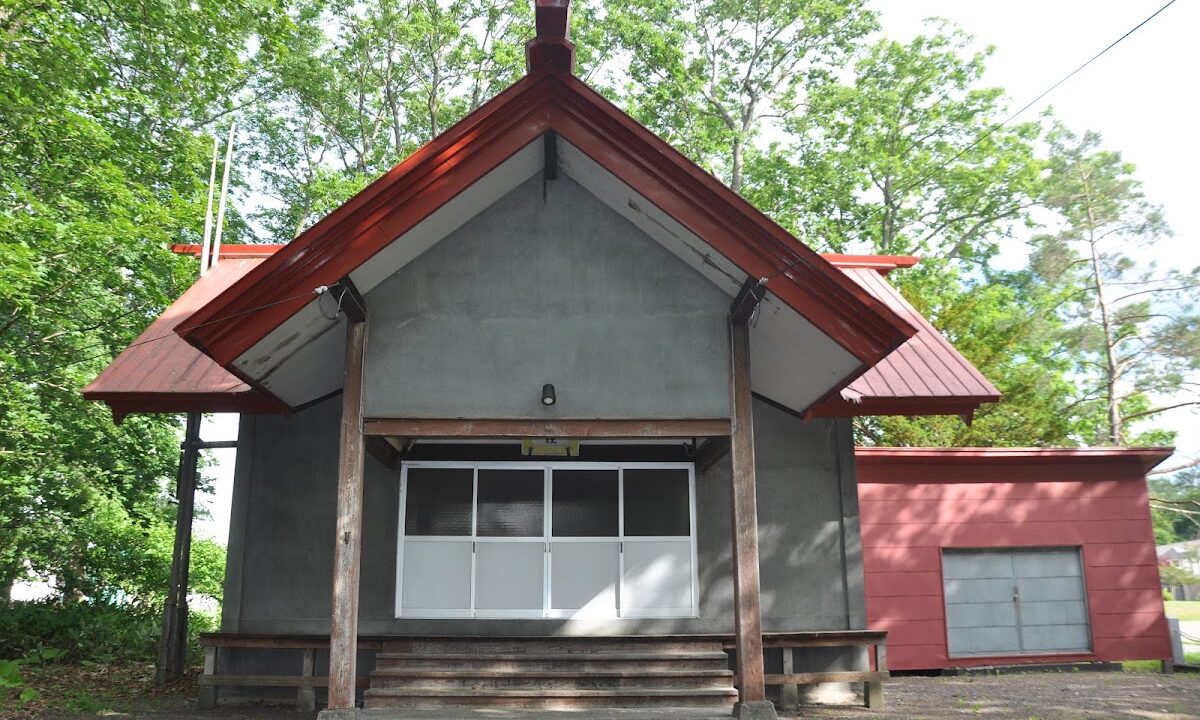
Complete Guide to Shokotsu Shrine (Monbetsu City, Hokkaido): History, Deities, and Access
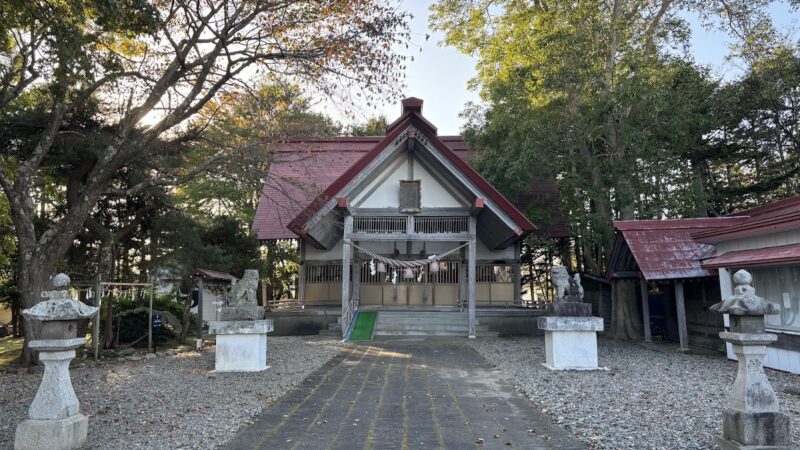
Shokotsu Shrine, located in Shokotsu-cho, Monbetsu City, Hokkaido, is a local tutelary shrine that has walked hand in hand with the history of development during the Meiji era. This article provides a detailed explanation of the history, deities, annual festivals, and access methods of this shrine, which belongs to the Hokkaido Association of Shinto Shrines.
Basic Information on Shokotsu Shrine
Shokotsu Shrine is located at 3866 Shokotsu-haraya, Shokotsu-cho, Monbetsu City, Hokkaido, and belongs to the Monbetsu Branch of the Hokkaido Association of Shinto Shrines. As a center of faith for the local residents, it enshrines the tutelary deity and continues to watch over the peace and development of the region.
Location and Contact Information
- Address: 3866, Nagakotsu Genya, Nagakotsu-cho, Monbetsu City, Hokkaido 099-0421, Japan
- Telephone Number: 01582-3-4506
- Affiliation: Monbetsu Branch, Hokkaido Shrine Association
- Religious Corporation Status: Acquired March 27, 1953
History and Founding of Nagakotsu Shrine
The history of Nagakotsu Shrine is deeply intertwined with the history of Hokkaido’s development. Let’s take a closer look at the founding process from the Meiji era to the early Showa era.
The Beginning of Development and Settlement in the Meiji Era
The development of the Nagakotsu area began in 1893 (Meiji 26) when four families of Kimura Yoshinaga and Horikawa Taiyo settled there. This period was when Hokkaido’s development was in full swing, and many settlers were migrating to various parts of Hokkaido in search of new lands.
The Shokotsu area, blessed with the abundant water resources of the Shokotsu River and fertile land, gradually saw an increase in settlers. In November 1900 (Meiji 33), it achieved independence as a separate village, establishing a solid foundation for the region.
Regional Development in the Taisho Era
In 1918 (Taisho 7), Takinoue Village was separated, further solidifying the structure of Shokotsu Village. During this period, as settlement progressed, the need for a shrine to serve as a spiritual center for the local residents grew.
Founding of the Shrine in the Early Showa Era
In 1927 (Showa 2), village volunteers consulted together and erected a small shrine to enshrine the tutelary deity of Shokotsu Village. This marked the de facto beginning of Shokotsu Shrine. The following year, on July 17, 1928 (Showa 3), a formal petition for the establishment of the shrine was submitted.
In 1930 (Showa 5), permission was granted to establish the Shokotsu Shrine, and on January 11th of the same year, it was recognized as an unranked shrine. Later, on August 27th, 1942 (Showa 17), it was elevated to a village shrine, increasing its importance within the region.
After the war, on March 27th, 1953 (Showa 28), it became a religious corporation, acquiring its current legal status.
Origin of the Place Name Shokotsu and the Ainu Language
The place name “Shokotsu” is one of Hokkaido’s unique and difficult-to-read place names, derived from the Ainu language. It is pronounced “Shokotsu,” but it is known as a place name that is difficult to pronounce for those seeing it for the first time.
Meaning of the Ainu Word “So-kot”
This place name is believed to originate from the Ainu word “So-kot,” meaning “waterfall basin.” The Shokotsu River flows through Shokotsu Town, and it is thought that the name was derived from the topographical features of this river.
Many place names in Hokkaido originate from the Ainu language, with words describing the topography and natural features of the area remaining as place names. Shokotsu is one such example, preserving the culture of the Ainu people who lived in this area before settlement.
Shokotsu River and the Local Natural Environment
Shokotsu Town, where Shokotsu Shrine is located, is a naturally rich area blessed by the Shokotsu River. The Shokotsu River is also famous as a spot for ayu and rainbow trout fishing, and is popular with fishing enthusiasts.
The environment blessed with a clear stream has been the foundation of agriculture and life since the pioneering era, supporting the development of the region. The area around the shrine is also surrounded by nature in a quiet environment, allowing visitors to experience the changing seasons of Hokkaido while offering their prayers.
Deities and Beliefs
Shokotsu Shrine was founded as a shrine to enshrine the tutelary deity of Shokotsu Village. A Ubusunagami is a deity who protects a particular land and the people born there throughout their lives.
Many shrines in Hokkaido enshrine deities that were invited by settlers from their hometowns or deities worshipped as guardian deities of Hokkaido’s development. Shokotsu Shrine also served as a spiritual anchor for settlers, a place to pray for the safety and prosperity of the region.
Hokkaido Shrine Association and Monbetsu Branch
Shokotsu Shrine belongs to the Hokkaido Shrine Association and its Monbetsu Branch. The Hokkaido Shrine Association is an organization that oversees shrines throughout Hokkaido, providing support for shrine operations, training for Shinto priests, and promoting Shinto rituals.
Role of the Hokkaido Shrine Association
The Hokkaido Shrine Association is headquartered in Miyagaoka, Chuo-ku, Sapporo City, and supports the activities of shrines through its branches throughout Hokkaido. Our main activities include the following:
- Support for the management and operation of shrines
- Training and education of Shinto priests
- Instruction in Shinto rituals and annual events
- Distribution of Ise Grand Shrine amulets
- Guidance on life cycle rituals (first shrine visit, Shichi-Go-San, exorcism, etc.)
- Promotion of family rituals and Shinto altar worship
- Preservation and promotion of Gagaku (ancient Japanese court music)
- Creation of leaflets and promotional materials
Shrines of the Monbetsu Branch
The Monbetsu Branch includes several shrines in Monbetsu City and the surrounding area, including Nagakotsu Shrine. Each shrine operates under the guidance of the Association of Shinto Shrines, utilizing the unique characteristics of its region.
Annual Festivals and Events of the Shrines
Nagakotsu Shrine holds various Shinto rituals throughout the year. Representative annual events at shrines in Hokkaido include the following:
Main Annual Events
- New Year’s Day Festival: Welcome the New Year and pray for peace throughout the year.
- Setsubun Festival: Ward off evil and invite good fortune.
- Kinensai Festival: Pray for a bountiful harvest with the arrival of spring.
- Reitaisai Festival: The most important festival of the shrine.
- Niinamesai Festival: A festival of gratitude for the harvest.
- Oharai Ceremony: Purification of sins and impurities accumulated over the past six months.
For specific dates of the annual festivals, please contact the shrine directly or check the Hokkaido Shrine Association website.
Life Rituals and Family Worship
Nagakotsu Shrine performs various rituals related to milestones in the lives of local residents.
Main Life Rituals
- First Shrine Visit: Reporting the baby’s birth to the gods and praying for their healthy growth.
- Shichi-Go-San (7-5-3 Festival): Celebrating a child’s growth and praying for their future health.
- Exorcism: Purifying oneself from misfortune during unlucky years.
- Wedding Ceremony: Exchanging vows before the gods.
- 60th Birthday Celebration: Celebrating and giving thanks for longevity.
Home Shrine Worship
The Hokkaido Shrine Association recommends the worship of a household shrine. The shrine should enshrine the amulets of Ise Grand Shrine (Jingu Taima) and the local guardian shrine, and daily gratitude and prayers should be offered. Information on how to worship at the shrine and how to obtain Jingu Taima can be obtained from Shokotsu Shrine or the Hokkaido Shrine Association.
Access Information
Information on how to access Shokotsu Shrine is provided below.
Access by Public Transportation
By Bus:
- Take the Hokkaido Kitami Bus “Ryuhyo Monbetsu-go”
- Get off at the Shokotsu bus stop and walk for approximately 15 minutes (approx. 1.2 km).
The shrine is within walking distance from the Shokotsu bus stop, but due to snow in winter, we recommend wearing comfortable walking shoes.
Access by Car
From Monbetsu city center, take the national highway towards Shokotsu. If using a car navigation system, search using the address “3866 Shokotsu Genya, Shokotsu-cho, Monbetsu City, Hokkaido” or the phone number “01582-3-4506”.
During winter, there is a possibility of icy roads and snow, so please use winter tires and drive safely.
Manners and Etiquette for Visiting a Shrine
We will introduce basic manners and etiquette for visiting a shrine.
Basic Etiquette for Visiting a Shrine
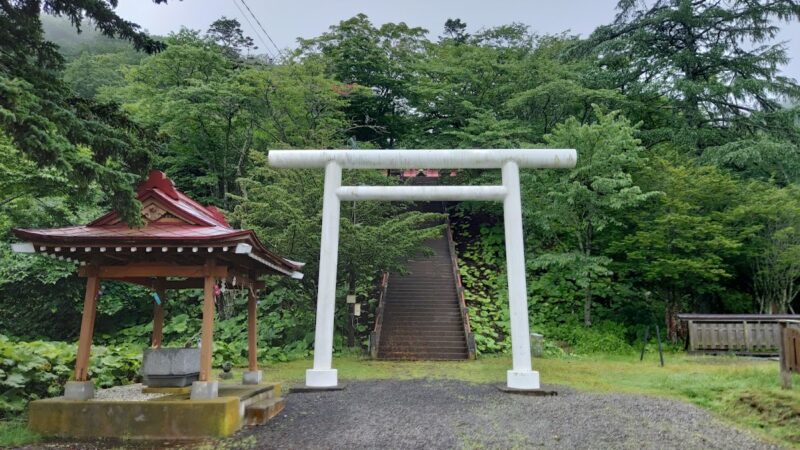
- Passing Through the Torii Gate: Bow before entering the shrine grounds.
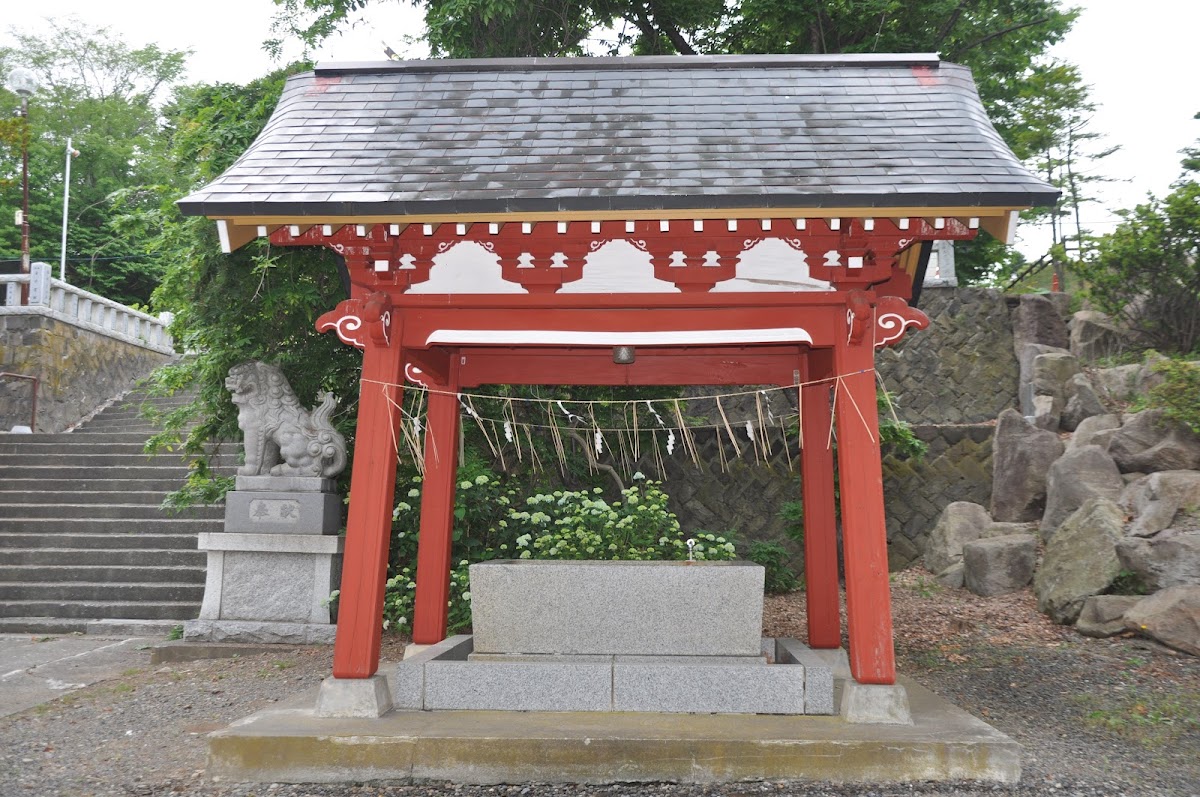
- Purifying at the Water Basin: Purify your left hand, right hand, and mouth in that order.
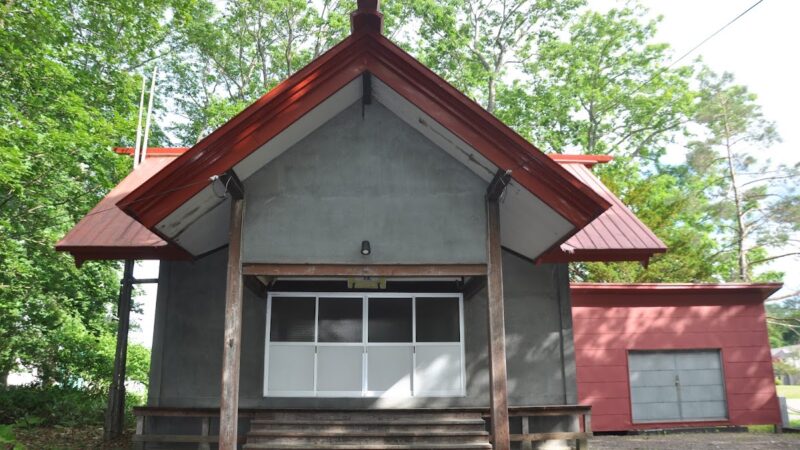
- Worship at the Main Hall: The basic procedure is two bows, two claps, and one bow.
- Bow deeply twice.
- Clap your hands twice at chest height.
- Pray sincerely.
- Bow deeply once.
- Exiting: Before leaving through the torii gate, turn around and bow once.
Attire for Visiting a Shrine
Everyday clothes are acceptable, but please dress neatly. If you are receiving a special prayer, it is preferable to wear attire that is not too casual.
Shrine Culture and History of Development in Hokkaido
Shrines in Hokkaido have a unique history that differs from those in Honshu. Many shrines were founded in conjunction with development after the Meiji era, and Nagakotsu Shrine is one of them.
Settlement and Faith
Pioneers left their hometowns and were forced to live harsh lives in undeveloped lands. In such environments, shrines played an important role as a spiritual anchor and the center of the local community.
Characteristics of Hokkaido Shrines
- Relatively recent founding dates (many from the Meiji era onwards)
- Closely linked to the history of settlement
- Often enshrine deities invited from their hometown shrines
- Play a central role in the local community
Charms of the Shokotsu Region
The Shokotsu region, where Shokotsu Shrine is located, is attractive for its rich natural environment and tranquil surroundings.
Charms of Nature
- Shokotsu River: Enjoy fishing in the clear stream
- Abundant Nature: Beautiful scenery throughout the four seasons
- Tranquil Environment: A healing space away from the hustle and bustle of the city
Nearby Sightseeing
Monbetsu City is a region famous for drift ice sightseeing. In winter, you can see drift ice up close from the icebreaker “Garinko-go”. It’s also recommended to enjoy sightseeing in Monbetsu in conjunction with a visit to Shokotsu Shrine.
How to Inquire about the Shrine
You can inquire about Shokotsu Shrine in the following ways:
Direct Inquiry
- Telephone: 01582-3-4506
- Visit: It is recommended to confirm by phone in advance.
Inquiry through the Hokkaido Shrine Association
The Hokkaido Shrine Association website (hokkaidojinjacho.jp) allows you to search for information on shrines throughout Hokkaido. Detailed information about Shokotsu Shrine, including the dates of religious ceremonies and annual festivals, is also available.
Summary
Shokotsu Shrine has a history dating back to the Meiji era’s development and was officially established in the early Showa period as the tutelary shrine of Monbetsu City, Hokkaido. Located in the Shokotsu area, whose name means “waterfall basin” in the Ainu language, and surrounded by the rich natural beauty of the Shokotsu River, this shrine is a revered center of local faith.
Belonging to the Monbetsu branch of the Hokkaido Shrine Association, it plays a central role in the local community through annual events and life cycle rituals. As a valuable shrine that conveys the history of Hokkaido’s development and a spiritual anchor for the community, it will undoubtedly continue to be cherished by many.
When visiting the Monbetsu area, we highly recommend stopping by Shokotsu Shrine to experience the history of Hokkaido’s development and the local faith. A visit in this tranquil setting will surely provide a precious moment of peace and allow you to forget the hustle and bustle of everyday life.