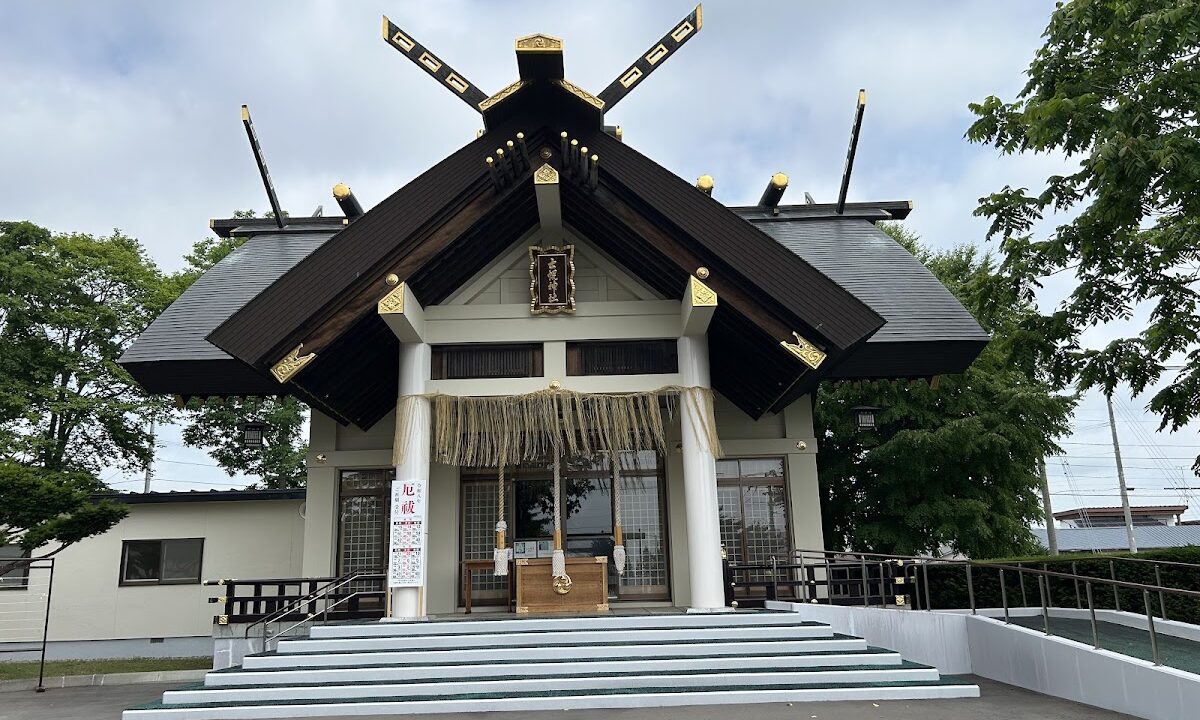
Shihoro Shrine (Hokkaido) Complete Guide | Goshuin (Shrine Seal), History, Access, and Festival Information
Shihoro Shrine, located in Shihoro-cho, Kato-gun, Hokkaido, is a shrine dedicated to the three pioneering deities, founded during the Taisho era. It is a cherished shrine by local residents, serving as an important reminder of the history of the Tokachi region’s development. This article provides detailed information you should know before visiting, including the shrine’s history, enshrined deities, goshuin information, highlights of the grounds, and access methods.
Basic Information on Shihoro Shrine
Shihoro Shrine is located at 1-1, Shihoro-Higashi 4-jo 2-chome, Shihoro-cho, Kato-gun, Hokkaido. Its former shrine rank was Village Shrine. Situated in a residential area of Shihoro town, its grounds are relatively compact, yet it plays a vital role as a center of local faith.
Location: 1-1, 2-chome, Shihoro-Higashi 4-jo, Shihoro-cho, Kato-gun, Hokkaido
Former Shrine Rank: Village Shrine
Annual Festival Date: September 15th
Telephone Number: 01564-5-2507
About the Deities
Shihoro Shrine enshrines three pioneering deities deeply connected to the development of Hokkaido.
Okunitama-no-kami
This deity personifies the land of Hokkaido itself and is revered as the guardian deity of the earth. As the god of land management and industrial development, this deity has watched over the development of Hokkaido since the pioneering era.
Onamuchi-no-kami
This deity is also known as Okuninushi-no-Mikoto. Widely worshipped as the god of nation-building, agriculture, medicine, and matchmaking, this deity was enshrined as a protector of all aspects of the lives of the pioneers.
Sukunahikona-no-kami
A deity who, along with Ōkuninushi-no-kami, played a key role in nation-building. Known as the god of medicine, hot springs, and incantations, Sukunahikona-no-kami was highly regarded as the protector of the health and safety of those undertaking the arduous task of pioneering.
These three pioneering deities are enshrined here, having received their divided spirits from Sapporo Shrine (present-day Hokkaido Shrine), and are worshipped in shrines throughout Hokkaido as spiritual pillars of its development.
History of Shihoro Shrine
Circumstances of its Founding
The founding of Shihoro Shrine dates back to October 20, 1924 (Taisho 13). At that time, there was no shrine in Shihoro Village, and local volunteers, regretting this, worked diligently to establish one.
Sōtarō Takahashi, Michio Sakamoto, and Tsurugorō Ōguchi served as caretakers, receiving the divided spirits of the three pioneering deities from the former Kanpei Taisha Sapporo Shrine (present-day Hokkaido Shrine). The Shihoro Shrine originated with the establishment of a small shrine at 2-13 Higashi 2-jo 2-chome.
Changes in Shrine Rank
Shihoro Shrine started as an unranked shrine, but as the region developed, the number of households and parishioners increased. On September 16, 1927 (Showa 2), it was elevated to a village shrine, establishing its position as a central shrine in the region.
Changes in Shrine Buildings
From the small shrine built during the Taisho era, the shrine buildings were developed along with the region’s growth. The main hall and worship hall were completed during the Showa era, resulting in its current form. Since the Heisei era, it has been properly maintained and carefully preserved as a place of worship for the community.
Highlights of the Shrine Grounds
Shrine Buildings
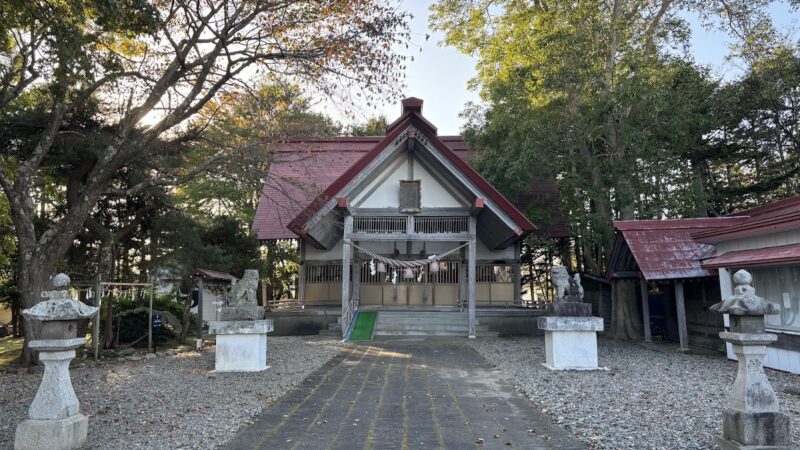
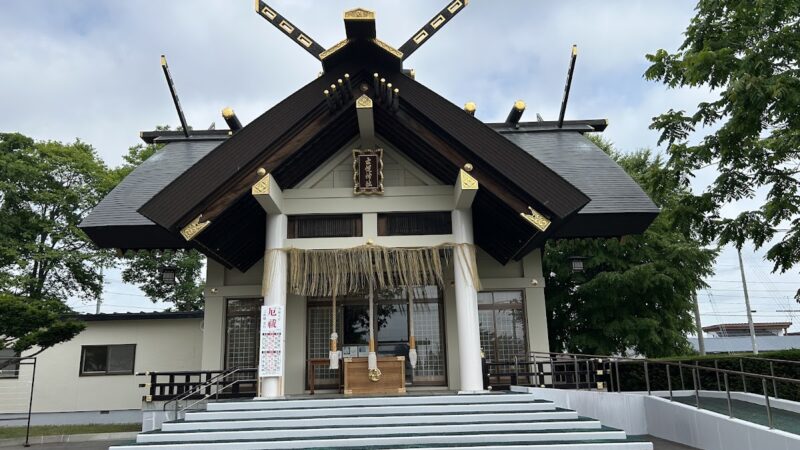
The Shihoro Shrine buildings are constructed to suit Hokkaido’s climate, featuring a robust structure that can withstand snow and cold. The worship hall has a warm and welcoming atmosphere for visitors, and the three pioneering deities are quietly enshrined in the main hall.
Atmosphere of the Shrine Grounds
Located in a corner of a residential area, Shihoro Shrine is impressive for its compact yet orderly grounds. In a quiet and peaceful atmosphere, local people can be seen visiting the shrine regularly.
Seasonal Expressions
The shrine grounds, where you can feel the four seasons of Hokkaido, offer different expressions with each season: the fresh greenery of spring, the shade of summer, the autumn leaves, and the snowy landscape of winter. September, when the annual festival is held, is especially recommended for a visit while feeling the arrival of autumn.
About Goshuin (Shrine Seals)
Issuance of Goshuin
Shihoro Shrine offers goshuin (shrine seals). Many visitors receive a goshuin as a memento of their visit and as proof of their divine connection.
Characteristics of Goshuin
Shihoro Shrine’s goshuin includes the shrine’s name and the date of visit, and is stamped with the shrine’s seal. The simple yet dignified Goshuin (temple/shrine stamp) is popular among those visiting shrines in Hokkaido.
Issuance Hours and Precautions
Goshuin are issued at the shrine office, but issuance hours may be limited. If you want to be sure to receive a Goshuin, it is recommended to check by phone in advance. Also, since the Goshuin is proof of your visit, be sure to receive it only after you have completed your prayers.
Annual Festival and Rituals
Annual Festival (September 15th)
The annual festival of Shihoro Shrine is held every year on September 15th. This is the most important festival at the shrine, where gratitude for the past year is offered to the gods and prayers are offered for the peace and prosperity of the community.
Contents of the Annual Festival
On the day of the annual festival, a solemn ceremony is conducted by the Shinto priests. Parishioners and local residents attend, and rituals such as the offering of tamagushi (sacred branches) are performed. A naorai (feast) is sometimes held after the ceremony, providing an opportunity to deepen the bonds of the local community.
Other Annual Events
In addition to the annual festival, various Shinto rituals are performed throughout the year, including the New Year’s Day Festival (January 1st), the Spring Festival, and the Autumn Festival. These rituals play an important role in preserving local traditions and passing them on to future generations.
Access Information
Location
〒080-1200
1-1, 2-chome, Shihoro-Higashi 4-jo, Shihoro-cho, Kato-gun, Hokkaido
Access by Public Transportation
Using Tokachi Bus
The nearest bus stop is “Shihoro Nursery School,” approximately a 2-minute walk from the bus stop. Tokachi Bus routes operate from Obihiro, providing access to Shihoro town center.
Nearest Station
The nearest station is Kashiwadaidai Station (Nemuro Main Line), but the shrine is some distance from the station, so using a bus or taxi is recommended.
Access by Car
From Obihiro City
Take National Route 241 north and you will arrive in Shihoro town in about 40 minutes. Once you enter the town, follow the signs.
Using the Doto Expressway
Approximately 30 minutes from Otobuke-Obihiro IC via National Route 241.
Parking
There is parking space around the shrine, but congestion is expected during events such as festivals. We recommend using public transportation whenever possible.
Attractions in Shihoro Town and Surrounding Areas
About Shihoro Town
Shihoro Town is located in the northern part of the Tokachi region of Hokkaido. The name “Shihoro” is believed to be a corruption of the Ainu word “Shu-wo-ro” (vast land). Agriculture is the main industry, with potato and sugar beet production being particularly thriving.
Nearby Shrines
Several shrines bearing the same name, Shihoro, exist around Shihoro Shrine. Kami-Shihoro Shrine
Located in Kamishihoro Town, Kato District, this shrine, like Shihoro Shrine, enshrines the three pioneering deities. Kamishihoro Town was separated from Shihoro Village in 1931 (Showa 6), and was named “Kami-Shihoro” because it was located upstream of Shihoro Village.
Higashi-Shihoro Shrine
This shrine originated in 1904 (Meiji 37) when a sacred amulet from Amaterasu Omikami was enshrined to pray for military success. The Higashi-Shihoro horse race, which has continued since 1908 (Meiji 41), has the longest history in Hokkaido, and the shrine is known as the birthplace of “Banba” (a type of horse racing term).
Naka-Shihoro Shrine
Currently located in Otofuke Town, this shrine is one of the shrines that tells the history of the Shihoro region’s development.
Tourist Spots
Around Shihoro Town, there are spots where you can enjoy magnificent nature, such as the Naitai Highland Ranch (Kami-Shihoro Town). Enjoying the great nature of Tokachi in conjunction with visiting the shrines is highly recommended.
Manners and Etiquette for Visiting a Shrine
How to Pass Through a Torii Gate
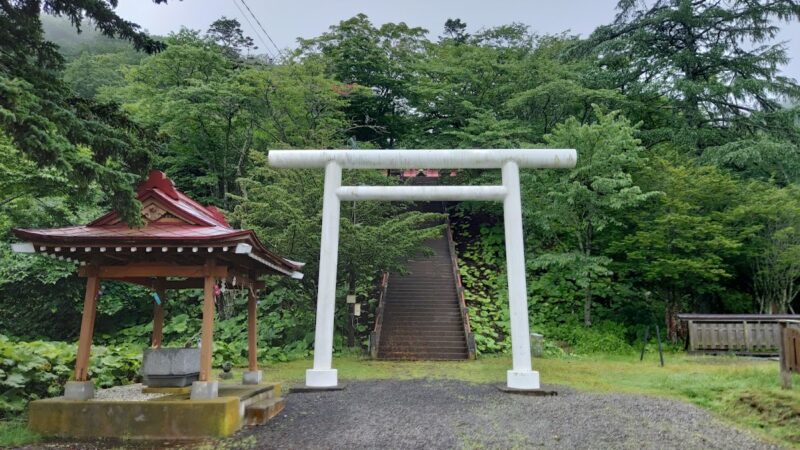
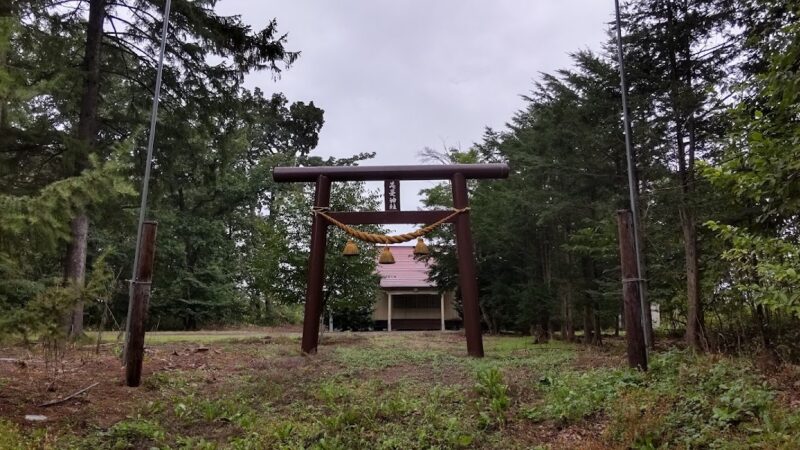
The torii gate is the entrance to the sacred area. Bow before passing through the gate, and walk along the side of the path, avoiding the center. The center is called the “seichu” and is considered the path of the gods.
How to Wash Your Hands
If there is a water basin, purify your body and mind before praying. Hold the ladle in your right hand and wash your left hand, then switch to your left hand and wash your right hand, switch back to your right hand, receive water in your left hand, rinse your mouth, and finally hold the ladle upright to wash the handle.
How to Worship at the Main Hall
At the main hall, the basic etiquette is “two bows, two claps, one bow.” Bow deeply twice, clap twice at chest height, and finally bow deeply once. Place your offering quietly, do not throw it.
The History of Shihoro Shrine and Hokkaido Development
Hokkaido Development and Shrines
In the development of Hokkaido since the Meiji era, shrines played a crucial role as spiritual pillars. For those undertaking the difficult task of development, shrines were a source of spiritual support and the center of the community.
The Significance of the Three Deities of Development
The three deities of development enshrined at Shihoro Shrine received their divided spirits from Sapporo Shrine (now Hokkaido Shrine) and were enshrined in various locations. This was a symbol of Hokkaido development and a symbol of fostering unity and local pride among the pioneers.
Role as a Village Shrine
Shihoro Shrine, which was elevated to the status of a village shrine, functioned not only as a place of worship but also as a center for local administration, education, and cultural activities. Annual festivals and rituals served as important community events, deepening the bonds among residents.
Shrine Office and Inquiries
About the Shrine Office
The Shihoro Shrine office handles the issuance of Goshuin (shrine seals) and the acceptance of various prayer requests. However, staff may not always be present, so if you require guaranteed assistance, we recommend contacting us in advance.
Contact Information
Phone Number: 01564-5-2507
Please feel free to contact us with any questions regarding the hours for receiving Goshuin (temple/shrine stamps), prayer requests, and the dates of the annual festival.
Summary
Shihoro Shrine is a valuable shrine that conveys the history of Hokkaido’s development, founded during the Taisho era. It enshrines the three gods of development and has been cherished by local residents as a center of faith for nearly 100 years.
While situated in a familiar location in a residential area, it continues to play a role as a dignified village shrine and a spiritual pillar of the community. You can receive Goshuin, and experience traditional local events at the annual festival on September 15th.
When visiting the Tokachi region, we highly recommend visiting Shihoro Shrine and reflecting on the history of Hokkaido’s development. In the quiet and peaceful grounds, you can spend time reflecting on the hardships and achievements of the pioneers who set out to establish the area, and appreciating the happiness we enjoy in the present day.
Nearby, there are other shrines that also tell the history of the pioneering era, such as Kamishihoro Shrine and Higashishihoro Shrine, so if you have time, we recommend visiting them as well. Enjoy a unique Hokkaido shrine tour, where the magnificent nature of Tokachi and the history of pioneering intertwine.