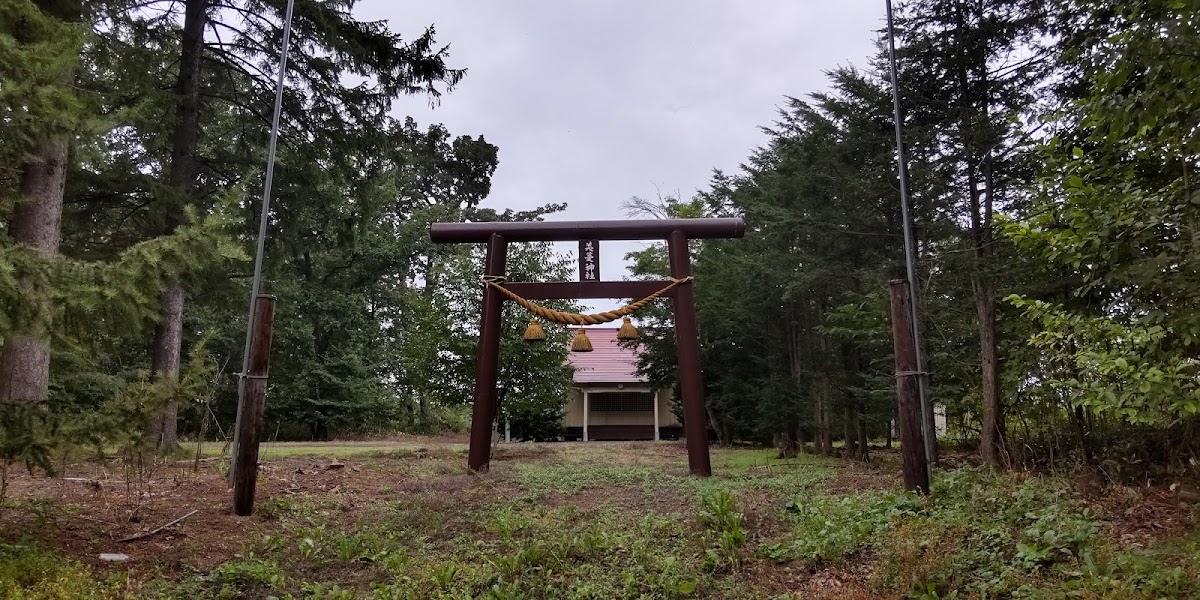
Mimatsu Shrine (Shimizu Town, Hokkaido) Complete Guide: History, Deities, Access, and Visiting Information
Located in the Mimatsu district of Shimizu Town, Kamikawa District, Hokkaido, Mimatsu Shrine has long been a beloved spiritual center for local residents. Surrounded by the rich natural beauty of the Tokachi Plain, this shrine has watched over the development of the region since the pioneering era. This article provides detailed information you should know before visiting, including the history of Mimatsu Shrine, its enshrined deities, visiting information, and access methods.
Basic Information about Mimatsu Shrine
Mimatsu Shrine is a shrine belonging to the Hokkaido Association of Shinto Shrines and is located in the Mimatsu district of Shimizu Town. As the local guardian deity, it is an integral part of the lives of the residents.
Location and Access
Location: 100, Mimatsu Nishi 22-sen, Shimizu Town, Kamikawa District, Hokkaido 089-0242
Mimatsu Shrine is located away from the center of Shimizu Town and is surrounded by a rich natural environment. The location is along the Mimatsu-Nishi 22-sen, a road with a unique, well-organized layout characteristic of the region, and stands amidst a vast, Hokkaido-like landscape.
Access Information
Access by Car:
- Approximately 40 minutes from Obihiro city center via National Route 274
- Approximately 15 minutes from the Tokachi-Shimizu Interchange on the Doto Expressway
- Approximately 10 minutes from Shimizu town center via Prefectural Route 1160
Public Transportation:
Public transportation is limited in the Mimatsu area, so visiting by private car or rental car is recommended. It’s approximately a 15-minute taxi ride from the nearest JR Nemuro Main Line “Shimizu Station”.
Important Notes:
- During winter, road conditions may change due to snowfall, so it is necessary to check road information in advance.
- When searching with a car navigation system, it is recommended to enter the address accurately.
- There are several parking spaces available on the shrine grounds.
Deities and Divine Virtues of Miman Shrine
Deities
The deity enshrined at Miman Shrine is Amaterasu Omikami. Amaterasu Omikami is the supreme deity in Japanese mythology and is revered as the ancestral deity of the Imperial Family. As a deity personifying the sun, she is believed to bestow divine virtues such as the source of life, protection of agriculture, and national peace and security.
Divine Virtues (Benefits)
The Mimatsu Shrine, dedicated to Amaterasu Omikami, is believed to offer the following divine blessings:
- Abundant Harvests and Agricultural Prosperity: Located in the agricultural region of the Tokachi Plain, prayers are offered for the development of local agriculture.
- Family Safety: Protection of the peaceful lives of local residents.
- Good Fortune and Prosperity: Prayers are offered for new beginnings and business success.
- Protection from Misfortune and Disaster: Protection from various calamities.
- Regional Peace and Tranquility: Prayers are offered for the peace and development of the entire Mimatsu area.
History and Origins of Mimatsu Shrine
Founding During the Pioneer Era
The founding of Mimatsu Shrine dates back to the pioneering era of Hokkaido. From the late Meiji period to the Taisho period, many settlers from Honshu settled in the Tokachi region. The Mimatsu area was one such settlement, and the shrine was built as a source of support for the settlers as they worked to cultivate the land in a harsh natural environment.
The settlers received a divided spirit from their hometown shrine and enshrined it in this place, praying for safety in their lives in a distant land and for agricultural success. The choice of Amaterasu Omikami as the enshrined deity is thought to have been a way to gain spiritual support by enshrining the god of Ise Grand Shrine, a spiritual anchor for the Japanese people.
A History of Walking Together with the Community
Since its founding, Miman Shrine has walked hand in hand with the local residents. From the difficult early days of settlement, through the war, and up to the present day, it has witnessed the joys and sorrows of the local people.
During the Showa era, the shrine buildings were renovated and the grounds were improved, resulting in its current appearance. Maintained through the volunteer activities of local residents, it is a small but cherished shrine deeply rooted in the community.
Relationship with the Hokkaido Association of Shrines
Miman Shrine belongs to the Hokkaido Association of Shrines and works in cooperation with other shrines in Hokkaido to preserve the traditions of Shinto. The Hokkaido Shrine Association is an organization that oversees approximately 600 shrines in Hokkaido, and is responsible for performing Shinto rituals, training Shinto priests, and promoting shrine culture.
Highlights and Features of the Shrine Grounds
Torii Gate and Approach
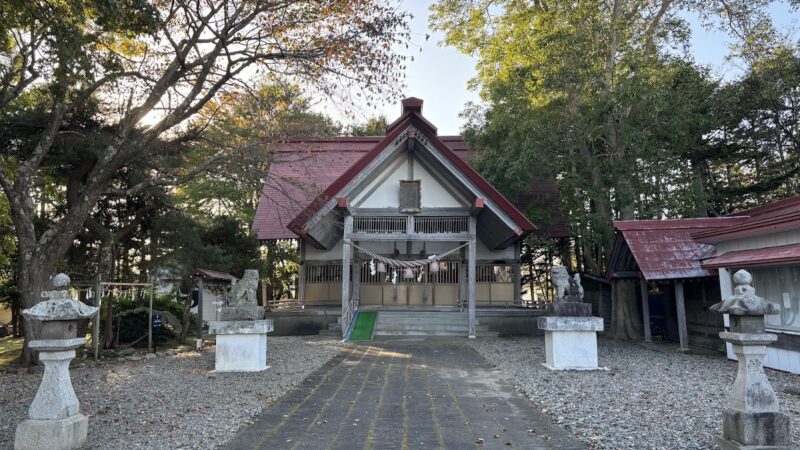
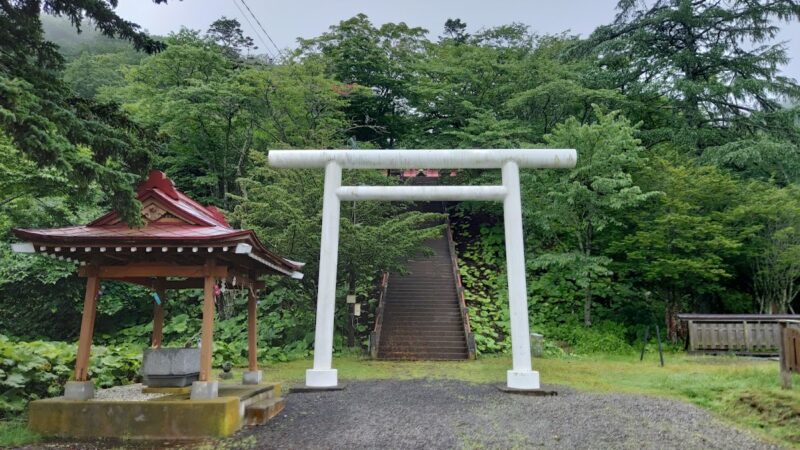
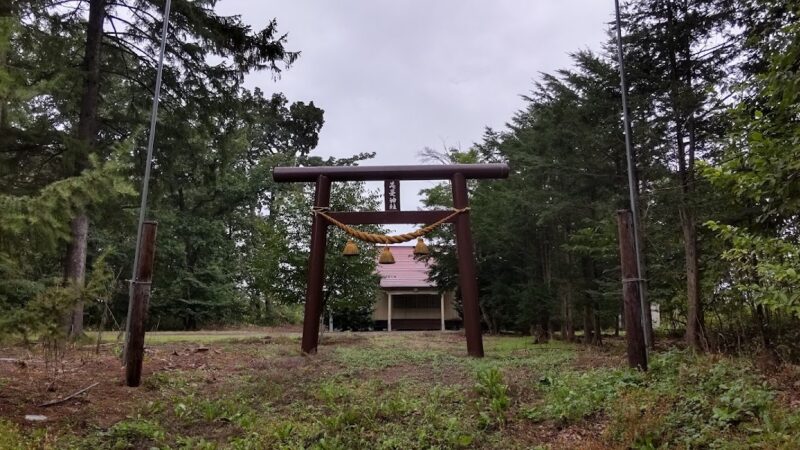
A wooden torii gate stands at the entrance to Miman Shrine. The shrine’s name, “Miman Shrine,” is displayed above the gate, welcoming visitors. Despite being exposed to Hokkaido’s harsh climate, it is carefully maintained by the local people.
Passing through the torii gate, a simple yet refreshing approach continues. Surrounded by the vast farmlands characteristic of the Tokachi Plain, it offers a sense of the open atmosphere typical of Hokkaido.
Shrine Building
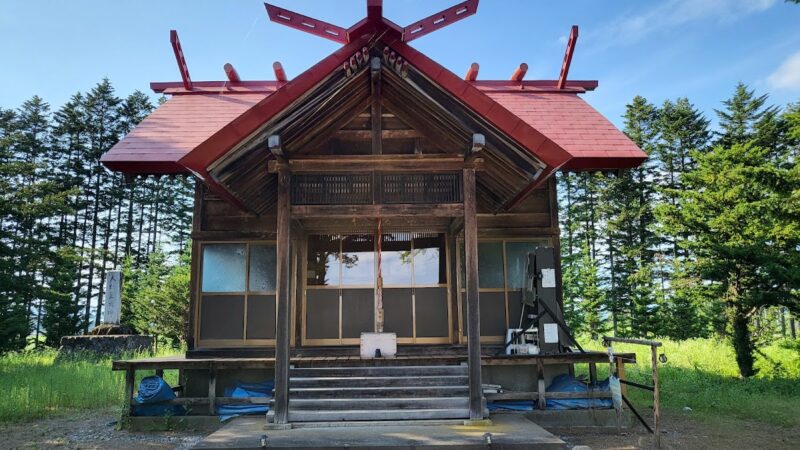
The shrine building is a simple wooden structure, adapted to Hokkaido’s climate. While not large in scale, it is meticulously maintained, reflecting the local people’s reverence for the shrine.
A donation box is placed in front of the shrine, and worshippers perform the ritual of two bows, two claps, and one bow. In this tranquil environment, one can offer prayers at their own pace.
Atmosphere of the Shrine Grounds
The grounds of Miman Shrine are a peaceful space far removed from the hustle and bustle of the city. Surrounded by farmland, it offers different scenery with each season. From spring to summer, it boasts lush green landscapes; in autumn, golden fields; and in winter, a blanket of snow—each season offering its own unique beauty.
Trees are planted within the grounds, creating a small yet tranquil space where one can feel connected to nature. Its charm lies in its simple and warm atmosphere, unlike the large shrines found in cities.
Annual Festival and Events
Annual Festival
Miman Shrine holds its annual festival every year. This is the most important festival for the shrine, where gratitude is offered to the enshrined deity and prayers are offered for the peace and prosperity of the region.
The timing of the annual festival varies depending on the shrine, but in most cases, it is held in the autumn after the agricultural work has finished. Local residents gather, and after the Shinto rituals, they share food and drink in a celebratory feast (naorai), providing an opportunity to deepen community bonds.
Other Shinto Rituals
In addition to the annual festival, the following Shinto rituals are held at Miman Shrine:
- New Year’s Day Festival: To welcome the new year and pray for peace throughout the year.
- Spring Festival: To mark the start of agricultural work and pray for a bountiful harvest.
- Autumn Festival: To give thanks for the harvest and pray for a bountiful harvest in the coming year.
These rituals are closely related to the local agricultural calendar and reflect the lifestyle and culture of the Miman district, which is centered on agriculture.
Manners and Etiquette for Visiting a Shrine
Basic Etiquette for Visiting a Shrine
When visiting Mimatsu Shrine, please observe the following basic etiquette:
- Bow before passing through the torii gate: As a sign of respect when entering the sacred area, bow before the torii gate.
- Walk along the edge of the path: The center of the path is considered the path of the gods, so walk along the edge.
- Purify your hands and mouth if there is a purification fountain: Cleanse your hands and mouth before praying.
- Offer a donation: Quietly place your donation in the offering box.
- Two bows, two claps, one bow: Bow deeply twice, clap twice, and finally bow once.
Points to Note When Visiting a Shrine
- Attire: No special attire is required, but clean and subdued clothing is preferred.
- Photography: Photography is generally permitted within the shrine grounds, but please refrain from taking photos inside the shrine buildings.
- Silence: Shrines are sacred places, so please refrain from speaking loudly or making noise.
- Litter: To keep the shrine grounds clean, please take all your trash with you.
About Goshuin (Shrine Seals)
Mitsuru Shrine is a small shrine, so there may not be a resident priest. If you wish to receive a Goshuin, we recommend contacting the Hokkaido Shrine Association or other shrines in Shimizu Town in advance.
Many priests at local shrines in Hokkaido serve multiple shrines, and the issuance of Goshuin may be by prior reservation only or only on specific dates and times. Checking before your visit will help prevent a wasted trip.
About Shimizu Town and the Mitsuru Area
Overview of Shimizu Town
Shimizu Town is located in the northwestern part of the Tokachi Plain, in the Kamikawa District under the jurisdiction of the Tokachi General Subprefectural Bureau of Hokkaido. It is a town with a population of approximately 9,000, where agriculture is the main industry, particularly field crops and dairy farming.
Shimizu Town is known as a production area for “Tokachi Wakagyu” (Tokachi Young Beef), and is nationally recognized as a producer of high-quality beef. It also develops tourism that takes advantage of the rich natural environment of the Tokachi Plain, with tourist spots such as “Tokachi Millennium Forest.”
Characteristics of the Mimatsu District
The Mimatsu district is an agricultural area located in the southeastern part of Shimizu Town. Vast farmlands stretch across the area, cultivating wheat, sugar beets, beans, potatoes, and other crops. The farmland is characterized by its grid-like layout, typical of Hokkaido, and the landscape, a blend of straight roads and vast fields, captivates visitors.
There are several theories about the origin of the name Mimatsu, but the most likely is that it originates from the Ainu language. Many farms in the area have been operating since the pioneering era, and traditional agricultural culture is still preserved.
Nearby Tourist Spots
When visiting Mimatsu Shrine, why not also visit the nearby tourist spots?
Tokachi Millennium Forest
This is a representative tourist facility in Shimizu Town, with gardens, restaurants, and accommodations located on a vast site. Visitors can enjoy the changing seasons and participate in activities such as Segway tours. It’s about a 20-minute drive from Mimatsu Shrine.
Viewpoints overlooking the Tokachi Plain
There are numerous viewpoints around Shimizu Town offering panoramic views of the Tokachi Plain. The scenery of the vast farmlands with the Hidaka Mountains in the background is particularly breathtaking, allowing visitors to experience the magnificent nature characteristic of Hokkaido.
Nakasatsunai Roadside Station
Located in Nakasatsunai Village, the neighboring town of Shimizu, this roadside station offers fresh local produce and specialty products. It’s about a 30-minute drive from Mimatsu Shrine, making it an ideal rest stop during a drive.
Tourist Attractions in Obihiro City
Obihiro City, the central city of the Tokachi region, boasts a variety of tourist attractions, including the Rokkatei main store, Ryūgetsu Sweetopia Garden, and Obihiro Zoo. It takes about 40 minutes by car from Mimatsu Shrine to the center of Obihiro City.
Mimatsu Shrine in Every Season
Spring (April-June)
Spring in Hokkaido, arriving with the melting snow, is a season where you can feel the breath of life. In the farmlands surrounding Mimatsu Shrine, spring farming begins; fields are tilled and seeds are sown. The trees in the shrine grounds are enveloped in fresh greenery, creating a refreshing atmosphere.
Spring is also the time for the Spring Festival, where people from the community gather to pray for safety in farming and a bountiful harvest.
Summer (July-August)
Hokkaido’s short summer is a season when crops grow vigorously. The fields around Mimatsu Shrine are dyed a uniform green, creating a landscape full of vitality. On sunny days, the contrast between the blue sky and the green is beautiful, and a refreshing breeze blows through.
Summer is also the best season for sightseeing, and the number of tourists visiting the Tokachi region increases. Why not enjoy a cool Hokkaido summer while visiting Mimatsu Shrine?
Autumn (September-November)
Autumn is harvest season. Wheat and beets are harvested in the fields surrounding Mimatsu Shrine, creating a landscape that shines golden. The farmland, in the bounty of autumn, presents a beautiful scene symbolizing the fruits of a year’s labor.
At the Autumn Festival, thanks are given for the harvest, and prayers are offered for a bountiful harvest next year. A warm atmosphere permeates the festival as local people rejoice in the year’s safety.
Winter (December-March)
When Hokkaido’s harsh winter arrives, the area around Mimatsu Shrine is enveloped in a blanket of snow. The shrine, standing amidst a world of white, exudes a special atmosphere filled with silence and solemnity.
While heavy snowfall can make visits difficult during winter, local people gather for the New Year’s Day festival to pray for peace in the coming year. Mimatsu Shrine in winter is a place where you can feel the faith of people living in harmony with Hokkaido’s harsh nature.
The Role of Mimatsu Shrine in the Region
Center of the Local Community
Mimatsu Shrine plays an important role not only as a religious facility but also as the center of the local community. During festivals and annual events, local residents gather, fostering deeper connections.
In rural areas facing population decline, shrines are crucial anchors for maintaining community bonds. Mimatsu Shrine is maintained through the volunteer activities of local residents, serving as a place for intergenerational exchange.
Cultural Heritage that Conveys the History of Development
Mimatsu Shrine is also a cultural heritage that conveys the history of Hokkaido’s development. It is a presence that conveys to the present day the hardships and faith of the pioneers who advanced land reclamation in a harsh natural environment.
By visiting the shrine, one can reflect on the history of the pioneering era and understand how the rich Tokachi Plain was formed today.
Guardian Deity of the Agricultural Area
Located in the agricultural area of the Tokachi Plain, Mimatsu Shrine is revered as the guardian deity of local agriculture. The spring festival, praying for a bountiful harvest, and the autumn festival, giving thanks for the harvest, are symbolic events of the region’s culture, where agriculture is the core industry.
Even today, local farmers visit the shrine to pray for safety and a good harvest throughout the year.
Practical Advice for Visiting Miman Shrine
Best Time to Visit
Miman Shrine is open year-round, but the best times to visit are as follows:
- Spring to Autumn (May to October): The weather is mild, and the surrounding scenery is beautiful. The green of early summer and the golden fields during the autumn harvest season are particularly magnificent.
- During the Annual Festival: This is a valuable opportunity to experience the atmosphere of a local festival. It is recommended to check the schedule in advance before visiting.
During winter (November to April), there is snowfall, and road conditions become difficult, so caution is advised for those unfamiliar with winter driving.
Estimated Time Required
The grounds of Mimatsu Shrine are small, so the visit itself can be completed in about 15-30 minutes. However, if you want to enjoy the surrounding scenery or take photos, it’s a good idea to allow about an hour.
If you are visiting in combination with other tourist spots in Shimizu Town or the Tokachi region, we recommend scheduling a half-day to a full-day trip.
What to Bring and Prepare
- Camera: You can capture the vast scenery typical of Hokkaido.
- Drinking Water: There are few shops in the surrounding area, so prepare in advance.
- Seasonal Clothing: Even in summer, it can get chilly in the mornings and evenings, and in winter, warm clothing is essential.
- Map and Navigation: There are areas with weak cell phone reception, so check your route in advance.
Nearby Accommodation
There are few accommodations around Mimatsu Shrine, so we recommend staying at a hotel or inn in Shimizu Town or Obihiro City. Obihiro City has a variety of accommodations and is a convenient base for sightseeing in the Tokachi region.
Hokkaido’s Shrine Culture and Mimatsu Shrine
Characteristics of Hokkaido’s Shrines
Hokkaido’s shrines have characteristics that differ from those of Honshu. Many of Hokkaido’s shrines were founded during the pioneering period after the Meiji era, and while their history is relatively recent, they embody the faith and devotion of the pioneers to their region.
Hokkaido’s shrines have the following characteristics:
- Linked to the History of Pioneering: Many shrines were founded during the pioneering era and have watched over the development of the region.
- Simple Construction: Many have practical structures adapted to the harsh climate.
- Community-Oriented: Numerous small shrines are maintained and managed by local residents.
- Divine Spirits from Honshu Shrines: In many cases, pioneers received and enshrined divine spirits from their hometown shrines.
Mimatsu Shrine is a typical regional shrine of Hokkaido, possessing these characteristics, and it continues to convey the history of pioneering and the faith of the local people.
Role of the Hokkaido Shrine Association
The Hokkaido Shrine Association is an organization that oversees approximately 600 shrines in Hokkaido, and its headquarters are located in Sapporo City. As a local branch of the Association of Shinto Shrines in Hokkaido, we conduct the following activities:
- Support for Shrine Management and Operation: Supporting the maintenance and management of small shrines
- Training of Shinto Priests: Supporting the training and qualification acquisition of Shinto priests
- Performing Shinto Rituals: Performing Shinto rituals at shrines without resident priests
- Promoting Shrine Culture: Disseminating information and educational activities related to shrines and Shintoism
Mitsuru Shrine is maintained as a place of worship for the community with the support of the Hokkaido Association of Shinto Shrines.
Summary: The Charm of Mitsuru Shrine
Mitsuru Shrine is a small shrine quietly nestled in the agricultural area of the Tokachi region of Hokkaido. While not large in scale, it is a place where one can feel the history of walking hand in hand with the community since the pioneering era and the warm faith of the local residents.
Mitsuru Shrine, which enshrines Amaterasu Omikami as its main deity and prays for the peace of the region and the prosperity of agriculture, is a valuable cultural heritage that conveys the history of Hokkaido’s pioneering to the present day. Spending time in quiet prayer amidst the vast landscape of the Tokachi Plain will be a precious experience that allows you to forget the hustle and bustle of everyday life.
When you visit the Tokachi region, be sure to stop by Mimatsu Shrine and experience the magnificent nature of Hokkaido, the history of its development, and the faith of the local people. A simple and warm atmosphere, unlike that of large city shrines, will welcome you.
We hope that your visit to Mimatsu Shrine will become part of your journey to discover the charm of the Tokachi region and create lasting memories.