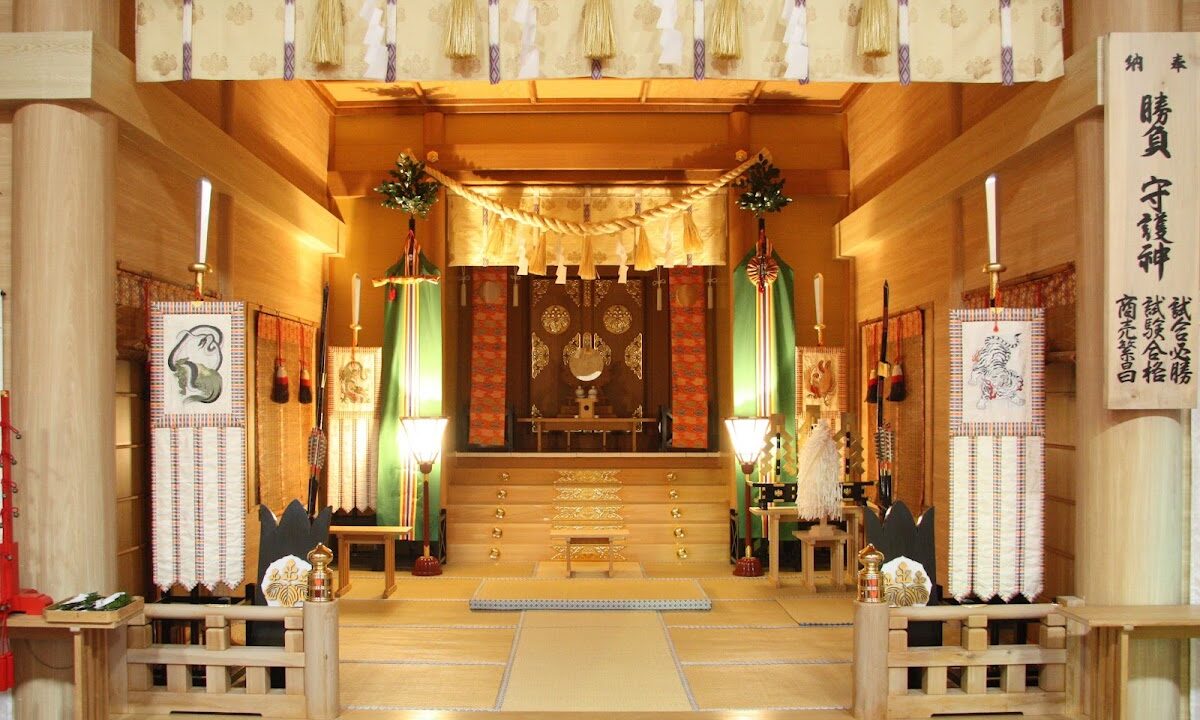
Urahoro Shrine (Hokkaido) Complete Guide: The Popular Guardian Shrine of Tokachi, Famous for its Breast Goddess Shrine and Motorcycle Charms
Located in Urahoro Town, Tokachi District, Hokkaido, Urahoro Shrine is a historical shrine founded during the Meiji era’s pioneering period, having received a divine seal from Ise Grand Shrine. The “Breast Goddess Shrine” (Chichigami Jinja), enshrined within the grounds, is nationally known as the “Breast Shrine” and attracts many worshippers seeking blessings for safe childbirth, fertility, and recovery from illness. Furthermore, its motorcycle charms, rare nationwide, have made it a popular pilgrimage site for motorcyclists touring Hokkaido.
This article comprehensively covers everything you need to know before visiting Urahoro Shrine, including its history, blessings, subsidiary shrines, access methods, and information on its Goshuin (shrine stamp).
History and Origins of Urahoro Shrine
From its Founding in the Meiji Era to the Present
The history of Urahoro Shrine begins on August 15, 1896 (Meiji 29). At that time, as Hokkaido was being developed, a settlement was formed in Ikego Village, Urahoro Town (present-day Ikego, Urahoro Town), through the farm management of Kenkichi Tsuchida and Kangoro Bando.
The settlers, hoping for divine protection, diligently cultivated the land, but amidst their daily hardships, the establishment of a guardian shrine to serve as a spiritual anchor became an urgent necessity. Under the guidance of the two men, they received the divine seal of “Amaterasu Omikami” from Ise Grand Shrine, and constructed a shrine within the Bando Farm (near the present-day Urahoro Town General Sports Center) to enshrine the deity. This marked the beginning of Urahoro Shrine.
History of Relocation and Development
In the late Meiji period, the shrine was relocated to the vicinity of the entrance to Urahoro Town Forest Park. In 1923 (Taisho 12), it was moved to its current location on the slopes of Higashiyama, at the foot of a mountain overlooking Urahoro Town. This location is situated east of the town center of Urahoro, close to JR Urahoro Station and the Urahoro Town Hall.
The current new shrine building was completed in 1973 (Showa 48), and the shrine celebrated its 100th anniversary in 1996 (Heisei 8). Currently, as the guardian shrine of Urahoro, it is revered not only by local residents but also by many worshippers from within and outside Hokkaido.
Deities Enshrined and History of Joint Enshrinement
The deity enshrined at Urahoro Shrine is Amaterasu Omikami, who was worshipped at the time of its founding. Later, between the Meiji and Taisho periods, Hachiman Okami was enshrined together, leading to the present day.
Amaterasu Omikami is the supreme deity in Japanese mythology and is enshrined at Ise Grand Shrine as the ancestral deity of the Imperial family. Hachiman Okami is known as the god of military fortune and victory, and is enshrined at Hachiman shrines throughout Japan. The enshrinement of these two deities has led to Urahoro Shrine being revered as a guardian deity of pioneering and a shrine that watches over the peace and development of the region.
Highlights and Benefits of Urahoro Shrine
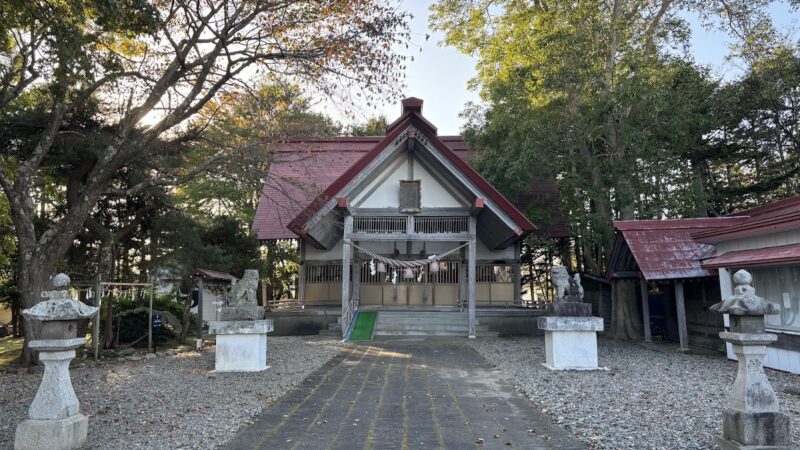
Atmosphere of the Main Hall and Grounds
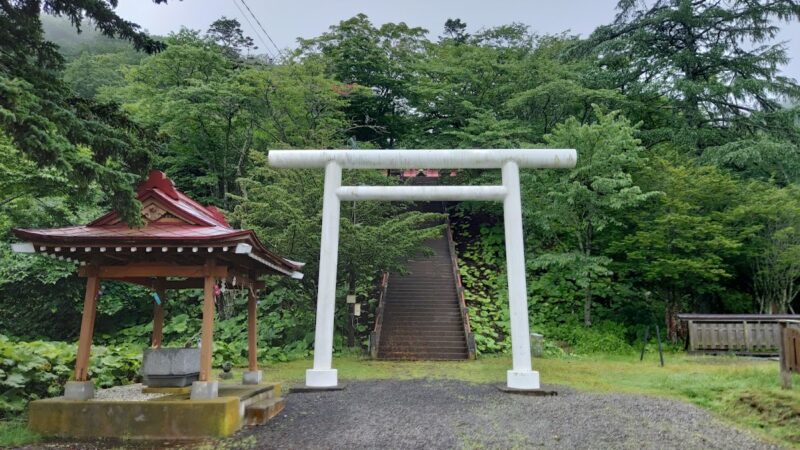
Urahoro Shrine is located at the foot of a mountain and is characterized by its tranquil atmosphere surrounded by lush green forest. While conveniently accessible by car along National Route 38, stepping onto the grounds offers a peaceful space far removed from the hustle and bustle of the city.
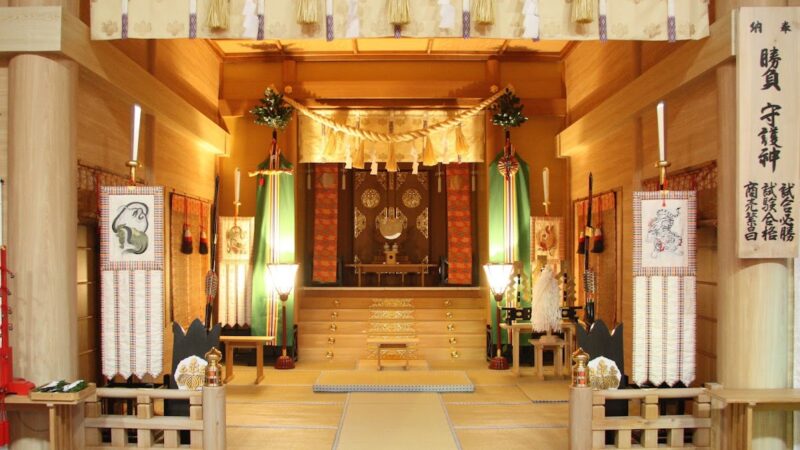
The shrine building, constructed in 1973, welcomes visitors with a powerful and majestic presence characteristic of Hokkaido. From the grounds, one can overlook the town of Urahoro, feeling the history of the shrine that has watched over the town’s development since the pioneering era.
Main Benefits
Urahoro Shrine is believed to offer the following benefits:
- Good Fortune and Prosperity: Comprehensive good fortune through the divine virtues of Amaterasu Omikami
- Family Safety: Protection of family health and peace
- Business Prosperity: Development and prosperity of business
- Traffic Safety: Prayers especially for motorcycle and car traffic safety
- Exorcism: Warding off misfortune and protecting peaceful days
In particular, due to the motorcycle amulet described later, many visitors come to pray for traffic safety, especially touring riders.
Chichigami Shrine (also known as “Oppai Shrine”)
Origin and History of Chichigami Shrine
The most famous shrine within the grounds of Urahoro Shrine is Chichigami Shrine. It is affectionately known as “Oppai Shrine” and is known as a rare shrine nationwide.
The origin of Chichigami Shrine lies in the sacred tree worship that existed in the Setarai district of Urahoro Town. In this region, a natural stone shaped like a woman’s breast has long been an object of worship, and women praying for fertility, safe childbirth, and abundant breast milk have visited the shrine. This worship was later incorporated into a shrine within the grounds of Urahoro Shrine, becoming the present-day Chichigami Shrine (Breast Goddess Shrine).
The Breast-Shaped Sacred Stone
The most distinctive feature of Chichigami Shrine is the natural stone within the shrine grounds, shaped like a woman’s breast. This stone is not man-made, but a natural formation, and its mystical shape has made it an object of worship since ancient times.
It is believed that by touching this sacred stone, worshippers will receive blessings for fertility, safe childbirth, abundant breast milk, and healing from illnesses such as breast cancer. Many worshippers can be seen touching the sacred stone with both hands, making their wishes.
A red sign reading “Breast Goddess Chichigami Shrine” is installed along National Route 38, making it easy to find even for first-time visitors.
Benefits of Chichigami Shrine
Chichigami Shrine is believed to offer the following benefits:
- Prayer for Conception/Fertility: The wish of couples who wish to have children.
- Prayer for Safe Childbirth: For pregnant women who wish for a safe delivery.
- Breast Milk Production: To alleviate the worries of mothers during breastfeeding.
- Healing from Breast Cancer: Healing from breast cancer and other diseases specific to women.
- Matchmaking: The benefit of finding a good partner.
- Healing from Illness: Prayers for recovery from various illnesses.
Many women visit, especially for prayers for safe childbirth and conception, and many worshippers come from both within and outside Hokkaido. Numerous reports of wishes being granted demonstrate the depth of faith.
Other Shrines within the Precincts
In addition to the Breast Goddess Shrine, several other shrines are enshrined within the grounds of Urahoro Shrine.
Fushimi Inari Shrine
This Inari shrine was established by inviting a deity from Fushimi Inari Taisha in Kyoto. It is believed to bring blessings of business prosperity, abundant harvests, and family safety, and is revered by local shopkeepers and farmers.
Mizuko Shrine
This shrine is for the repose of the souls of children who died due to various circumstances. Visitors can be seen quietly offering prayers.
Other Shrines within the Precincts
These smaller shrines within the precincts are dedicated to different wishes, catering to the diverse needs of visitors. Visiting each shrine while exploring the grounds provides a more fulfilling pilgrimage experience.
Motorcycle Amulets and a Sacred Site for Touring Riders
A Rare Motorcycle Amulet Nationwide
One of the most distinctive features of Urahoro Shrine is that it offers amulets specifically for motorcycles, which are rare nationwide. Hokkaido is a popular touring spot that attracts riders from all over Japan in the summer, and Urahoro Shrine is particularly known as a “sacred site” among riders.
The “Motorcycle Charm” is a charm prayed to for safe travels while riding a motorcycle, and its design is inspired by motorcycles. Many riders visit Urahoro Shrine to obtain this charm and pray for safety during their Hokkaido touring trips.
Reasons Why Riders Gather Here
Urahoro Shrine’s popularity among riders isn’t limited to the motorcycle charm.
- Location along National Route 38: Located on a touring route, making it easily accessible.
- Ample Parking: Spacious parking area for motorcycles.
- Rest Spot: The quiet atmosphere of the shrine grounds allows riders to relax and recover from their journey.
- Photo Spot: The unique atmosphere of the shrine grounds and the Chichigami Shrine makes for great photos.
- Goshuin (Shrine Seal): A commemorative goshuin (shrine seal) is available.
These factors combine to make Urahoro Shrine a classic spot for Hokkaido touring. Especially during the summer touring season, you can see motorcycles with license plates from all over Japan gathering at the shrine.
Goshuin Information
Urahoro Shrine’s Goshuin
Urahoro Shrine offers goshuin (stamped seals) as a memento of your visit. Goshuin are available at the shrine office; request one after your visit.
The goshuin includes the shrine’s name, “Urahoro Shrine,” in ink, a red seal, and the date of your visit. While it’s common to bring your own goshuin book, you may be given a pre-printed goshuin if you don’t have one.
Chichigami Shrine’s Goshuin
Goshuin are also available at Chichigami Shrine, a shrine within the grounds. The Chichigami Shrine’s goshuin has a different design from Urahoro Shrine’s, and many collectors collect both.
Etiquette When Receiving a Goshuin
Please observe the following etiquette when receiving a goshuin.
- First, visit the main shrine before receiving your goshuin (shrine stamp).
- Open your goshuin book and specify the page you would like it written on.
- Prepare your offering (usually around 300-500 yen).
- Wait quietly while the Shinto priest writes the stamp.
- Receive it with gratitude.
The goshuin is proof of your visit, not a stamp rally. Please handle it respectfully with reverence for the deity.
Access and Parking Information
Access by Car
Urahoro Shrine is located along National Route 38, making it easily accessible by car.
From Sapporo
- Travel time: Approximately 3 hours 45 minutes
- Route: Hokkaido Expressway → Hokkaido Expressway, exit at “Ikeda IC” → via National Route 38
From Obihiro
- Travel time: Approximately 1 hour
- Route: Head east on National Route 38
From Kushiro
- Travel time: Approximately 1 hour 30 minutes
- Route: Head west on National Route 38
A red sign reading “Oppai no Kamisama Chichigami Shrine” (Goddess of Breasts, Chichigami Shrine) is located along the national highway, making it easy to find even for first-time visitors.
Parking
Urahoro Shrine has a parking lot for visitors. There is space for both cars and motorcycles, making it a considerate facility for touring riders. Parking is free.
Access by Public Transportation
Access by JR
The nearest station is JR Nemuro Main Line “Urahoro Station”.
- From Sapporo Station: Approximately 3 hours 30 minutes by limited express train
- From Obihiro Station: Approximately 45 minutes by limited express train, approximately 70 minutes by local train
- From Kushiro Station: Approximately 60 minutes by limited express train, approximately 90 minutes by local train
From Urahoro Station to Urahoro Shrine:
- On foot: Approximately 12 minutes (approximately 1 km)
- By taxi: Approximately 5 minutes
If walking, exit the station and head east towards National Route 38. The route is relatively easy to follow, and there are guide signs.
Best time to visit
As this is a shrine in Hokkaido, the difficulty of visiting varies depending on the season.
Spring (April-June)
- The snow melts, and the fresh greenery is beautiful.
- The temperature is mild, making it easy to visit.
Summer (July-August)
- The busiest season for visitors.
- Many touring motorcyclists visit.
- The weather is stable, making it a recommended time to visit.
Autumn (September-October)
- The autumn leaves are beautiful, and the atmosphere of the shrine grounds is exceptional.
- There are relatively few tourists, allowing for a peaceful visit.
Winter (November-March)
- Due to snow, winter equipment is essential for visits by car.
- The shrine office may be closed, so prior confirmation is recommended.
- Enjoy the tranquil atmosphere of winter.
Etiquette and Manners for Visiting a Shrine
Basic Etiquette for Visiting a Shrine
There are basic etiquette rules for visiting a shrine.
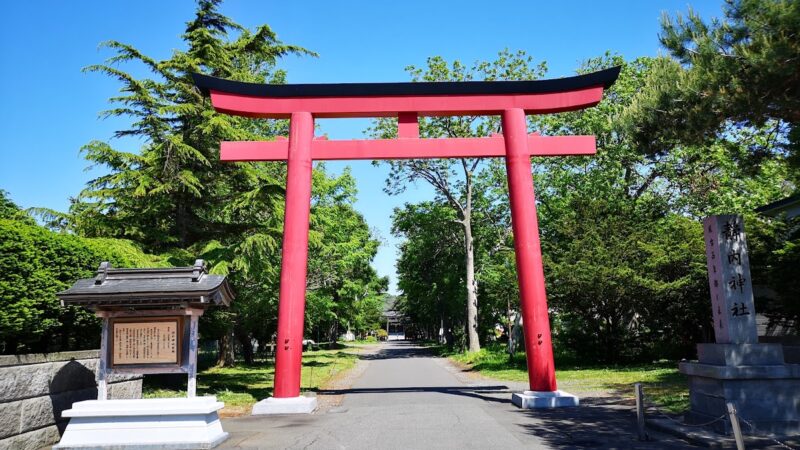
- Bow before passing through the torii gate: A courtesy before entering the sacred area.
- Walk along the edge of the approach to the shrine: The center is considered the path of the gods.
- Purify yourself at the water basin:
- Hold the ladle in your right hand and purify your left hand.
- Switch the ladle to your left hand and purify your right hand.
- Switch the ladle back to your right hand, receive water in your left hand, and rinse your mouth.
- Finally, stand the ladle upright and purify the handle.
- Worship at the main shrine:
- Quietly place your offering in the offering box.
- Ring the bell if there is one.
- Bow twice, clap twice, and bow once (bowing deeply twice → clapping twice → bowing deeply once).
- Visit the subsidiary shrines: Don’t forget to visit the subsidiary shrines such as the Chichigami Shrine.
- Bow at the torii gate on your way out: A courtesy when leaving the sacred area.
Points to Note When Visiting Chichigami Shrine
When touching the sacred stone at Chichigami Shrine, please observe the following points:
- Touch with a sincere heart (not out of curiosity, but with a wish in mind)
- Wait your turn if other worshippers are present
- When taking photographs, be considerate of other worshippers
- Remember that this is a sacred place when posting on social media
Regarding Attire
There are no specific dress code requirements, but it is desirable to wear clothing that reflects the sacred nature of the place.
- Avoid excessive exposure
- Wear clean and presentable clothing
- Take adequate precautions against the cold in winter
- Wear comfortable shoes (as the shrine grounds utilize the natural terrain)
Nearby Tourist Attractions
Besides Urahoro Shrine, Urahoro Town has other attractive tourist spots. Why not visit them along with your shrine visit?
Urahoro Town Museum
This museum allows you to learn about the history, nature, and culture of Urahoro Town. It features exhibits on the pioneering era and the nature of the Tokachi region, which is helpful in understanding the historical background of Urahoro Shrine. ### Urahoro Roadside Station
Located along National Route 38, this roadside station offers local specialties and fresh agricultural products. The restaurant serves dishes made with ingredients from Tokachi.
Urahoro Town Forest Park
A vast forest park equipped with facilities such as a campsite and a park golf course. A great spot to refresh yourself in nature.
Tokachi Coastline
Urahoro Town faces the Pacific Ocean, offering beautiful coastline views. The sunset is particularly spectacular and a popular spot for photography.
Frequently Asked Questions
Q: Can I get a Goshuin (temple/shrine stamp) anytime?
A: You can get a Goshuin during the hours the shrine office is open. However, it may not be possible if the priest is absent or during winter, so it is recommended to call ahead to confirm if you definitely want a Goshuin.
Q: Can I purchase a motorcycle amulet online?
A: Generally, amulets are given to you in person at the shrine. If you live far away and it’s difficult to visit, we recommend contacting the shrine directly.
Q: Can anyone touch the sacred stone at Chichigami Shrine?
A: Yes, visitors can touch the sacred stone. However, please touch it with sincerity and a wish in mind.
Q: Is the parking lot crowded?
A: It can get crowded on weekends during the summer touring season (July-August). It’s relatively empty at other times of the year.
Q: Can I receive prayers?
A: Yes, Urahoro Shrine accepts various prayers. We offer prayers for safe childbirth, conception, traffic safety, and protection from evil, among others. If you wish to receive prayers, we recommend contacting the shrine in advance to make a reservation.
Q: Can I visit during the winter?
A: Visiting is possible, but please be careful of the snow and footing. Also, since the shrine office may be closed, it is necessary to check in advance if you wish to obtain a Goshuin (shrine stamp) or amulet.
Summary: The Charm of Urahoro Shrine
Urahoro Shrine is a historical and venerable shrine that has been revered as a spiritual center for the local people since the pioneering era of the Meiji period. The history of Hokkaido’s development is etched into its origins, including the fact that it was founded after receiving a sacred seal from Ise Grand Shrine, and the wishes of the pioneers are embedded within its foundation.
The Chichigami Shrine (Oppai Shrine), a subsidiary shrine within the grounds, preserves the rare practice of sacred stone worship, offering hope to many worshippers praying for fertility, safe childbirth, and recovery from illness. The mystical sacred stone, created by nature, conveys the power of ancient faith.
Furthermore, it is known as a sacred place for motorcyclists touring Hokkaido, as it offers a rare type of motorcycle amulet, attracting riders from all over Japan in the summer. The sight of riders praying for traffic safety and a safe journey represents a new form of faith in the modern age.
Conveniently located along National Route 38, with well-maintained parking and a tranquil atmosphere, Urahoro Shrine offers visitors a sense of peace and tranquility. When visiting Urahoro Town, be sure to pay your respects at Urahoro Shrine and experience its rich history dating back to the pioneering era and its diverse blessings.
Urahoro Shrine warmly welcomes many people, whether as a memento of their trip to the Tokachi region or as a place to pray for important milestones in their lives.