Shikariwake Shrine (Shiwa Town, Iwate Prefecture) Complete Guide | The Northernmost Ancient Shrine and the Legend of Akaishi
Shikariwake Shrine, located in Shiwa Town, Shiwa District, Iwate Prefecture, is an ancient shrine boasting a history of over 1200 years, founded in 804 AD. Known locally as “Akaishi Shrine” or “Akaishi-san,” it is a valuable shrine located at the northernmost point of Japan’s Shikinaisha (shrines listed in the Engishiki).
This article comprehensively introduces all the information you need to know before visiting Shikariwake Shrine, including its history, enshrined deities, highlights of the grounds, information on Goshuin (shrine stamps), and access methods.
Basic Information about Shikariwake Shrine
Official Name: Shikariwake Shrine
Other Names: Akaishi Shrine, Ukishima Myojin
Location: 3-1 Honmachi Kawara, Sakuramachi, Shiwa-cho, Shiwa-gun, Iwate Prefecture
Deities Enshrined: Takemikazuchi-no-kami, Futsunushi-no-kami
Shrine Rank: Shikinaisha (Shrine listed in the Engishiki), Former Prefectural Shrine
Founded: Enryaku 23 (804)
Visiting Hours: Open 24 hours (Shrine office open 9:00 AM to 5:00 PM)
Phone Number and Inquiries
Phone Number: 019-672-2767
Email Address: Please contact us via our official website or social media.
For questions regarding worship, prayer reservations, and inquiries about Goshuin (temple/shrine stamps), please contact the shrine office during their operating hours.
History of Shigariwake Shrine
Sakanoue no Tamuramaro and the Development of Tohoku
Shigariwake Shrine is said to have been founded in 804 (Enryaku 23) by Sakanoue no Tamuramaro, who, as the Seii Taishogun (Commander-in-Chief of the Expeditionary Force against the Barbarians), dedicated himself to pacifying the Tohoku region. Tamuramaro invited Takemikazuchi-no-kami and Futsunushi-no-kami from Kashima Shrine and Katori Shrine in Hitachi Province (present-day Ibaraki Prefecture) as guardian deities of the development of Tohoku.
These two deities are known as gods of war and have been revered since ancient times as gods of national protection and lasting military fortune. Shigariwake Shrine, founded to pray for the development and peace of the Tohoku region, has been a center of faith for the local people for over 1200 years.
Status as an Engishiki-listed Shrine
The Shigariwake Shrine is listed as “Shigariwake Shrine, Shiba District, Mutsu Province” in the Engishiki Jinmyocho (a list of shrines compiled in 927 AD), indicating its historical significance as a shrine recognized by the imperial court since ancient times. While there are approximately 3,000 Engishiki-listed shrines nationwide, Shigariwake Shrine holds a historically important position as the northernmost of them.
Shiba District (later Shiwa District) is a fertile land in the Kitakami River basin, a region where rice cultivation flourished since ancient times. Shigariwake Shrine has been revered as a shrine that protects the industrial development and livelihoods of the people in this region.
The Legend of Akaishi and the Origin of its Alternative Name
There is an interesting legend about the origin of Shigariwake Shrine being called “Akaishi Shrine” or “Akaishi-san.” It is said that a red stone was once discovered at the bottom of the Kitakami River, and the shrine came to be called “Akaishi Myojin” (Red Stone Deity) because the stone was enshrined as the sacred object. The shrine also retains the alternative name “Ukishima Myojin,” which is thought to originate from legends related to sandbars and floating islands in the Kitakami River. These legends reflect the regional characteristics of Shiwa, which are deeply connected to the Kitakami River.
Developments since the Modern Era
Under the Meiji era’s shrine ranking system, it was ranked as a prefectural shrine, positioning it as a central shrine in the region. Throughout the Showa and Heisei periods, it was supported by the fervent faith of the local people, and the maintenance of the shrine grounds and buildings continued.
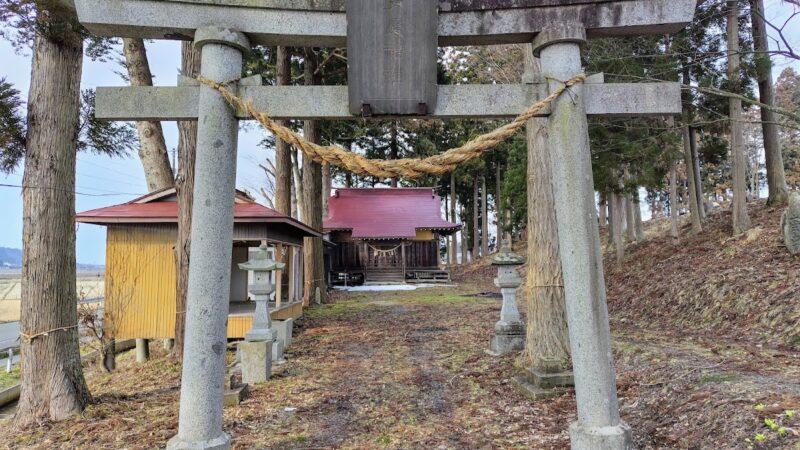
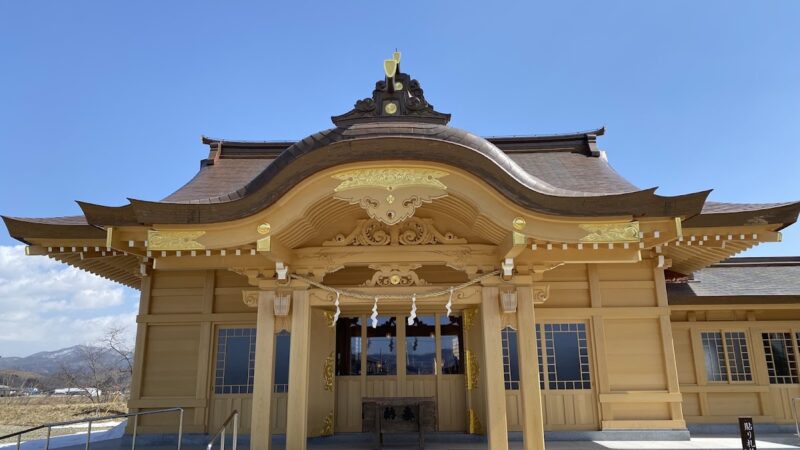
In December 2021, a ceremony was held to relocate the shrine to its new building, ushering in a new era under the current chief priest, Hirohito Tamura. Currently, a project to construct a new large torii gate at the entrance to the approach is underway as part of the shrine grounds development.
Highlights of the Shrine Grounds
Shrine Buildings and Main Hall
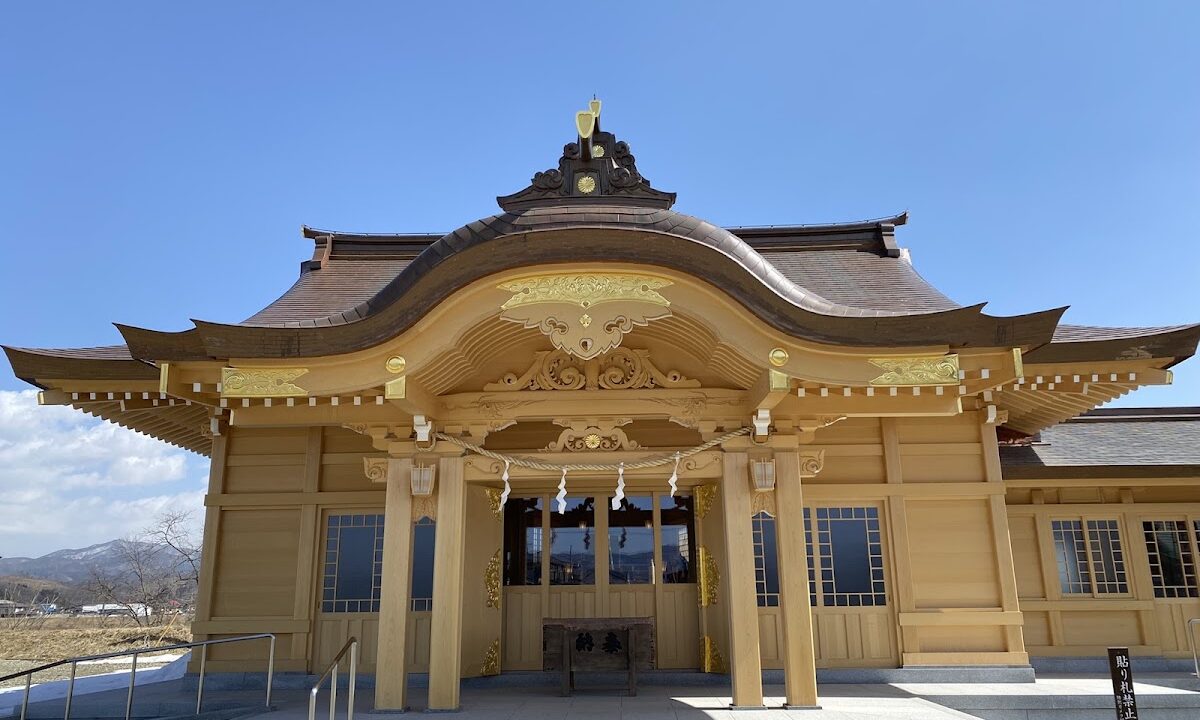
The new shrine building, relocated at the end of 2021, is a magnificent structure that incorporates modern technology while adhering to the traditional style of shrine architecture. The main shrine, with its dignified presence befitting the guardian deity of Tohoku’s development, welcomes visitors.
Cherry Tree on the South Side (700 Years Old)
The most famous cultural asset within the grounds of Shigariwake Shrine is the “Cherry Tree on the South Side,” visible immediately after passing through the torii gate. This ancient Higan cherry tree, estimated to be around 700 years old, is designated a natural monument by Shiwa Town.
In spring, it blooms with pale pink flowers, creating a breathtaking sight. A legend of love is associated with this cherry tree, and it is also known as a power spot for matchmaking. Locally, it’s said that you can’t talk about spring in Shiwa without seeing the “Cherry Tree on the South Side.”
Cherry Trees Along the Approach
In addition to the cherry tree on the south side, there are rows of old Higan cherry trees along the approach, also designated as natural monuments by the town. During spring visits, you can walk through what feels like a tunnel of cherry blossoms, attracting many worshippers and photography enthusiasts. ### The Millennium Forest Restoration Project
Shigariwake Shrine is undertaking the “Millennium Forest Restoration Project” to commemorate its 1220th anniversary. It is believed that the shrine grounds once boasted a rich forest inhabited by owls, and efforts are being made to restore this natural environment.
This project has also sought support through crowdfunding, gaining many supporters. It is attracting attention as a meaningful activity for passing on the shrine’s history and nature to future generations.
Goshuin (Shrine Seal) and Goshuincho (Shrine Seal Book)
About Goshuin (Shrine Seals)
Shigariwake Shrine offers goshuin as a memento of your visit. The goshuin features the calligraphy and red seal of “Shigariwake Shrine,” reflecting its status as a Shikinaisha (a shrine listed in the Engishiki, an ancient Japanese legal code).
Goshuin (Shrine Seal) Issuance Hours: 9:00 AM to 5:00 PM (during shrine office hours)
Offering Fee: Usually around 300-500 yen (may vary depending on the season)
When receiving a Goshuin, please speak to the shrine office staff after completing your prayers. While pre-written Goshuin may be available, there may be a waiting time if you wish to receive one written directly.
Original Goshuin Notebook
Shigariwake Shrine also offers an original Goshuin notebook featuring designs of cherry blossoms on the south side and the shrine grounds. With a design that reflects the history and culture of Shiwa Town, it is a popular souvenir for those collecting Goshuin.
Annual Festivals and Rituals
Shigariwake Shrine Annual Grand Festival (Hizume Festival)
The annual grand festival, held every autumn, is the largest festival event in the region, known as the “Hizume Festival.” From the shrine grounds to the center of Shiwa town, magnificent floats parade through the streets, showcasing various traditional performing arts.
The back of the floats features depictions of historical figures and legendary scenes, sometimes including themes such as Shizuka Gozen. This festival, in which the entire community participates, symbolizes the cultural identity of Shiwa town.
Annual Events
- New Year’s Visit: The shrine is bustling with many worshippers from New Year’s Day onwards.
- Setsubun Festival: Around February 3rd, a ceremony for warding off evil and praying for good fortune.
- Spring Festival: Held to coincide with the cherry blossom season.
- Summer Purification Ceremony: June 30th, a Shinto ritual to purify oneself of the impurities accumulated over the past six months.
- Autumn Grand Festival: Mid-to-late September, the Hizume Festival.
- Year-End Purification Ceremony: December 31st, a Shinto ritual to purify oneself of the impurities accumulated over the past year.
Prayers and Purifications
Shigariwake Shrine accepts various prayers and rituals according to life’s milestones and wishes.
Main Prayer Services
- First Shrine Visit: Praying for the healthy growth of the baby
- Shichi-Go-San: Expressing gratitude for the child’s growth and praying for their future health
- Exorcism/Ward Off Evil: Praying for protection from misfortune during the unlucky year and for safety
- Traffic Safety: Blessing of the car and prayer for safe driving
- Family Safety: Praying for the health of the family and peace in the home
- Business Prosperity: Praying for the development and prosperity of the business
- Prayer for Success: Praying for success in entrance exams and qualification tests
- Matchmaking: Praying for a successful match
If you wish to have a prayer service, it is recommended to make a reservation by phone in advance for a smoother process. Same-day registration is possible, but there may be a waiting time depending on the Shinto rituals and other reservations.
Doll Deposit
We also accept the deposit of old dolls, Hina dolls, and May dolls. You can have your cherished dolls cremated at the shrine as a token of gratitude. Please inquire with the shrine office in advance regarding the timing and fees.
Access & Parking
Access by Train
Nearest Station: JR Tohoku Main Line “Shiwa-Chuo Station”
Distance from Station: Approximately 15 minutes on foot (approx. 1.2 km)
Shiwa-Chuo Station is approximately 20 minutes from Morioka Station by local train. The path from the station to the shrine is flat, allowing you to enjoy the scenery of Shiwa town as you walk.
Access by Car
From the Tohoku Expressway:
- Approximately 5 minutes (approx. 3 km) from “Shiwa IC”
From the center of Morioka City:
- Approximately 30 minutes (approx. 20 km) via National Route 4
Parking
There is parking available for visitors within the shrine grounds and surrounding area. While there is usually ample parking space, temporary parking may be provided during peak seasons such as New Year’s visits and annual festivals.
Nearby Tourist Attractions
The Charms of Shiwa Town
Shiwa Town, where Shigariwake Shrine is located, is situated in the central part of Iwate Prefecture and boasts abundant nature blessed by the Kitakami River, as well as a rich history and culture.
Ogawa Shiwa: A multi-purpose complex in front of Shiwa Central Station. It is attracting attention nationwide as a model for new community development, featuring a library, a farmers’ market, restaurants, and more.
Shiwa Fruit Park: Orchards of grapes, apples, and other fruits spread out, offering seasonal fruit picking.
Shiroyama Park: A park located on a hill overlooking Shiwa Town. It is also known as a famous cherry blossom viewing spot.
Frequently Asked Questions (FAQ)
Q1: Which is the correct pronunciation of Shigariwake Shrine: “Shigariwake” or “Shikariwake”?
A1: The official reading is “Shikariwake Jinja.” However, it was also read as “Shigariwake” in the past, so both readings are used. Currently, the shrine uses “Shikariwake” as the official reading.
Q2: Are the goshuin (shrine stamps) pre-printed or can they be written directly?
A2: Normally, they are written directly in your goshuincho (stamp book), but during busy times or due to religious ceremonies, pre-printed goshuin may be available. If you definitely want a directly written goshuin, we recommend contacting us by phone in advance.
Q3: When is the best time to see the cherry blossoms on the south side?
A3: The best time to see them is usually from mid- to late April. Higan cherry blossoms tend to bloom slightly earlier than Somei Yoshino cherry blossoms. This can vary depending on the weather, so please check the latest blooming information on the shrine’s official social media (Instagram).
Q4: Can I have a wedding ceremony here?
A4: Yes, you can have a Shinto wedding ceremony here. For detailed schedules and costs, please contact the shrine office directly. Wedding ceremonies at the shrine are conducted in a solemn atmosphere with traditional rituals.
Q5: Is it possible to bring pets to the shrine?
A5: Regarding pets on the shrine grounds, we ask that you carry them or keep them in a carrier out of consideration for other visitors. Please refrain from letting them walk on the ground on a leash.
Q6: When is the annual festival (Hizume-tsuri) held?
A6: It is usually held from mid-September to late September. The specific dates vary each year, so please check the official Shiwa Town website or the shrine’s announcements.
Q7: How crowded is it during the New Year’s visit?
A7: The busiest times are from midnight to around 2 AM on New Year’s Day, and throughout the day on New Year’s Day. For those who want to visit at a more relaxed pace, we recommend visiting after January 2nd or in the early morning. During the first three days of the New Year, a temporary shrine office will be set up, and amazake (sweet rice wine) will be offered. ### Q8: Can I visit the shrine even when the shrine office is closed?
A8: Yes, the shrine grounds are open 24 hours a day, so you can visit anytime. However, the issuance of Goshuin (shrine stamps) and the acceptance of prayer requests are limited to the shrine office’s opening hours (9:00 AM to 5:00 PM).
Summary of the Charms of Shigariwake Shrine
Shigariwake Shrine holds a historically and culturally significant position as a Shikinaisha (shrine listed in the Engishiki) with a history of over 1200 years, and as the northernmost Shikinaisha. It is a shrine full of sights and stories, including the founding legend by Sakanoue no Tamuramaro, the Akaishi legend, and the 700-year-old cherry tree on the south side.
With the arrival of the Reiwa era, new initiatives are being pursued while preserving tradition, such as the relocation of the shrine to a new building and the Millennium Forest Restoration Project. When you visit Shiwa Town, please be sure to visit Shigariwake Shrine and experience the history and culture of Tohoku, as well as the faith of the local people.
Shikariwake Shrine displays different expressions in each of the four seasons: cherry blossoms in spring, the annual festival in autumn, and the tranquil grounds in winter. As one of Iwate Prefecture’s leading ancient shrines, it welcomes many visitors.
How to Get the Latest Information
The latest information on Shikariwake Shrine can be obtained in the following ways:
- Official Instagram Account: @shikariwakejinja posts information about the shrine grounds and events.
- Hotokami: Features numerous posts and photos from visitors.
- Telephone: 019-672-2767 (during shrine office hours)
Please check the latest information before your visit to enjoy a fulfilling pilgrimage experience.