Complete Guide to Tono-go Hachimangu Shrine (Iwate Prefecture) | History, Goshuin (Shrine Seal), Festivals, and Access Information
Tono-go Hachimangu Shrine, located in Tono City, Iwate Prefecture, is a shrine boasting a history of over 800 years as the guardian shrine of Tono-go. Founded by the Asonuma clan, who were granted Tono-go by Minamoto no Yoritomo, it remains deeply revered by the local people. This article provides detailed information useful for visitors, including the history of Tono-go Hachimangu Shrine, its goshuin (shrine seal), festivals, access methods, and nearby tourist spots.
History and Origins of Tono-go Hachimangu Shrine
Founded by Minamoto no Yoritomo and the Asonuma Clan
The history of Tono-go Hachimangu Shrine dates back to Bunji 5 (1189). It began when Asonuma Hirotsuna, who distinguished himself in the campaign against the Fujiwara clan of Hiraizumi, was granted “Tono-go” by Minamoto no Yoritomo. Hirotsuna sent Ubukata Hirofusa to Tono as his deputy and built a “mansion” in Komabayashi (Komaki), Matsuzaki Village.
At this time, he enshrined Hachiman, the tutelary deity of the Asonuma clan, and began governing Tono. Hachiman was widely worshipped as the guardian deity of samurai families, and the Asonuma clan also held him in high esteem due to their deep connection with the Minamoto clan.
Yokota Castle and the Establishment of Hachiman Shrine
Later, when Asonuma Chikatsuna (or possibly Hirotsuna) built Yokota Castle, he established Hachiman Shrine in the present-day Miyashiro area, which is located northeast (the “demon’s gate”) of the castle. Placing a shrine to ward off evil spirits was an important defensive measure based on ancient feng shui principles.
Since then, Tono Hachiman Shrine has continued to attract the faith of the local people as the guardian shrine of the entire Tono region. From the time of the Asonuma clan’s rule to the present day, it has played an important role as a central figure in Tono’s history and culture.
Connection to the Tono Monogatari
Tono is a village of folktales and legends known from Kunio Yanagita’s “Tono Monogatari.” Tono-go Hachimangu Shrine has also served as a center of local religious culture, hosting various folk events and traditional performing arts. Visiting the shrine allows you to experience Tono’s rich spiritual culture.
Deities and Blessings
The deities enshrined at Tono-go Hachimangu Shrine are the following three, known as Hachiman-jin:
- Homudawake-no-Mikoto: Emperor Ojin (15th Emperor)
- Okinagatarashihime-no-Mikoto: Empress Jingu
- Hime-Okami: The Three Munakata Goddesses
These deities are believed to bestow a wide range of blessings, including military success, national peace and security, family safety, business prosperity, and traffic safety. Due to its history of being revered as the guardian deity of samurai families, many worshippers visit to pray for success in competitions and at important milestones in life.
Highlights of the Shrine Grounds
Worship Hall and Main Sanctuary
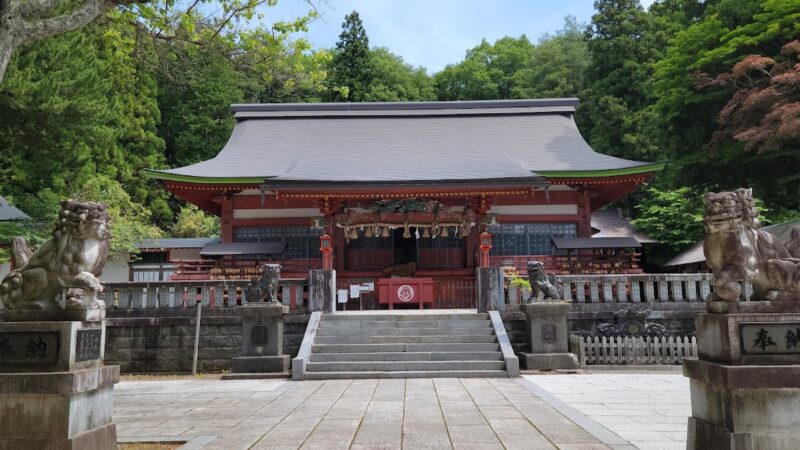
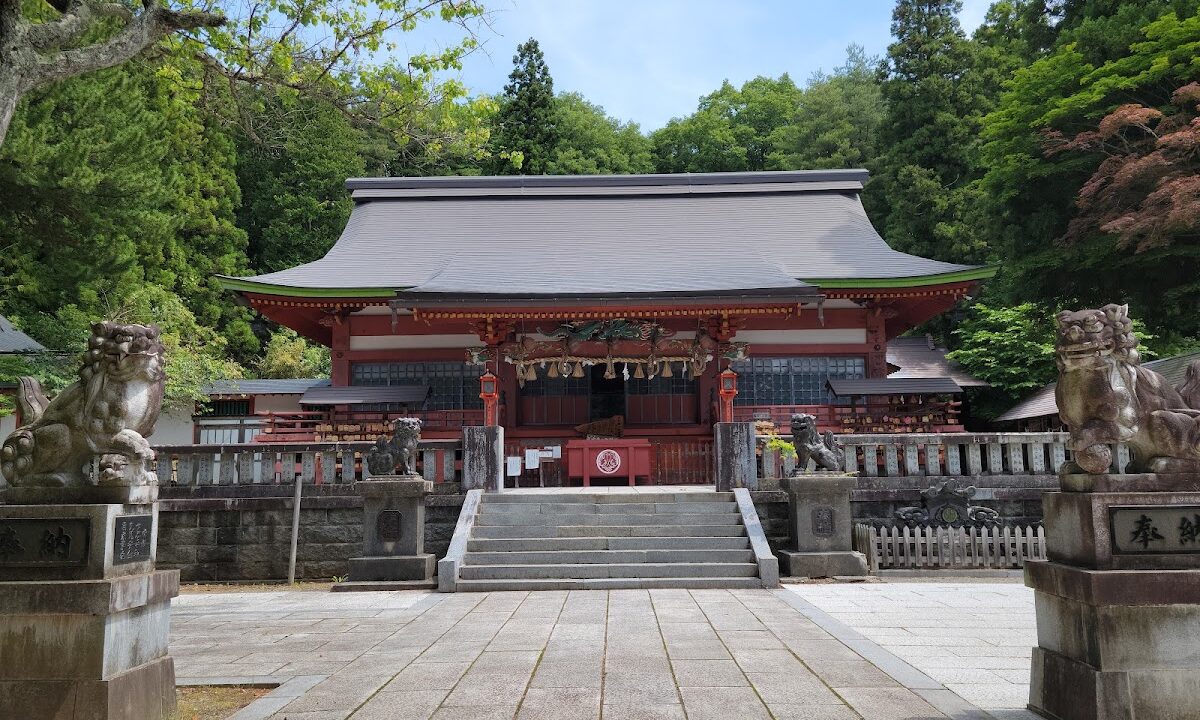
The worship hall of Tono-go Hachimangu Shrine welcomes worshippers with its solemn presence. The shrine building is a dignified structure that reflects the history of Tono, and the decorations down to the smallest detail are magnificent. The main sanctuary sits behind the worship hall, enveloped in a solemn atmosphere.
Twelve Zodiac Shrines
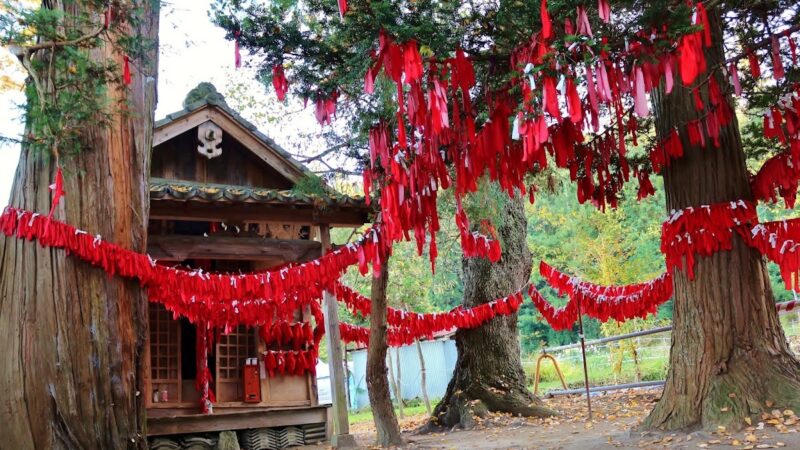
A distinctive highlight of the shrine grounds is the Twelve Zodiac Shrines located next to the worship hall. Visitors can pray at the shrine corresponding to their zodiac sign, making it a popular place to pray for personal blessings. The sight of the small shrines corresponding to each of the twelve zodiac signs lined up is a unique landscape rarely seen at other shrines.
Main Approach and Torii Gate
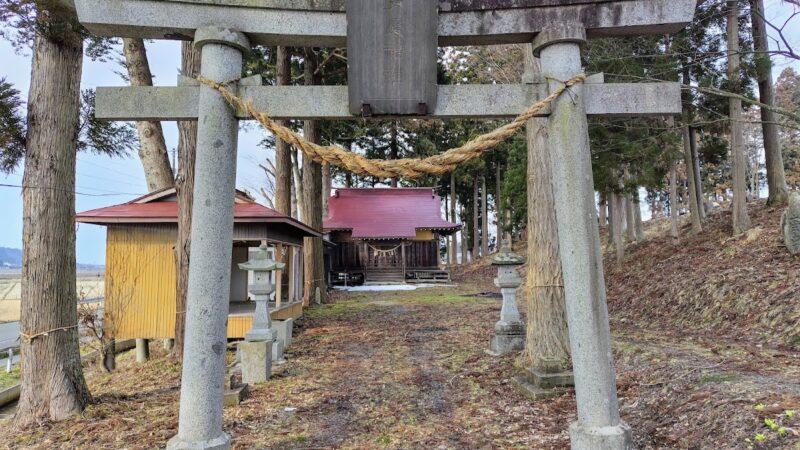
The main approach exudes a solemn atmosphere, and as you proceed along the path, you can feel yourself entering a sacred area. Passing through the torii gate, you enter a tranquil space far removed from the hustle and bustle of everyday life.
Vast Grounds
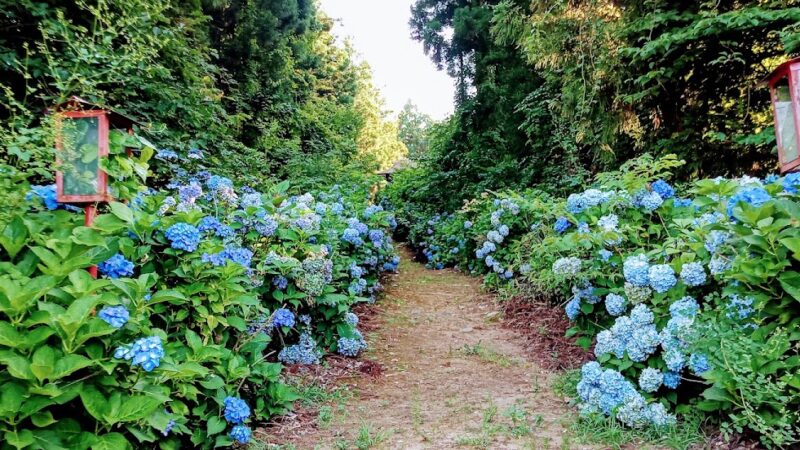
Tono-go Hachimangu Shrine boasts spacious grounds, allowing for leisurely strolls. The grounds are rich in nature, displaying different expressions with each season, allowing visitors to enjoy the beauty of the four seasons: cherry blossoms in spring, lush greenery in summer, vibrant autumn leaves, and snowy winter landscapes.
Annual Festival and Local Performing Arts
Tono-go Hachimangu Shrine Annual Festival
The annual festival of Tono-go Hachimangu Shrine, held annually from September 14th to 15th, is the most important festival. During this festival, numerous local performing arts from the Tono region gather at the shrine and are performed in the main hall and on the grounds.
During the festival, traditional performing arts such as Kagura (sacred dance), Shika Odori (deer dance), and Mikoshi Togyo (portable shrine procession) are showcased one after another, providing a valuable opportunity to experience Tono’s culture. It’s a major event attracting many tourists from both within and outside the prefecture, as well as local residents.
Yabusame Ritual
One of the highlights of the annual festival is the Yabusame ritual. This magnificent ceremony, in which archers shoot at targets from galloping horseback, is a valuable event that preserves the traditions of samurai culture and is attracting attention.
Collaboration with the Tono Festival
The annual festival of Tono-go Hachimangu Shrine is held in conjunction with the “Tono Festival, Japan’s Hometown Festival.” Various local performing arts and events are held throughout the city, enveloping Tono in a festive atmosphere. It’s a rare opportunity to enjoy a variety of performing arts, such as Kagura, Shishi Odori (lion dance), and Sansa Odori (Sansa dance), all at once.
A Treasure Trove of Local Performing Arts
The Tono region is home to numerous local performing arts, including the “Hayachine Kagura,” which is designated as a National Important Intangible Folk Cultural Property. The annual festival of Tono-go Hachimangu Shrine plays an important role in the preservation and transmission of regional culture as a gathering place for these performing arts.
Goshuin (Shrine Seal) Information
At Tono-go Hachimangu Shrine, you can receive a goshuin as a memento of your visit. These goshuin are available at the shrine office, and the carefully handwritten seals are cherished as proof of your visit.
Goshuin Reception Hours
The shrine office is open from 9:00 AM to 5:00 PM. Those wishing to receive a goshuin should visit the shrine office during these hours.
Special Goshuin
During special periods such as the annual festival and New Year’s, limited edition goshuin may be available. We recommend checking the Tono-go Hachimangu Shrine website or social media for details.
Basic Information and Access
Location and Contact Information
Address: 23-19 Shiraiwa, Matsuzaki-cho, Tono City, Iwate Prefecture 028-0541
Phone: 0198-62-2647
Opening Hours: 9:00 AM – 5:00 PM (Shrine Office)
Closed Days: Open every day
Access by Car
From Tono IC on the Kamaishi Expressway: Approximately 5.2 km, approximately 8-10 minutes
A spacious parking lot is available and free of charge for visitors.
- Parking Lot 1 (in front of the shrine office): 44 spaces (large vehicles allowed)
- Parking Lot 2 (diagonally across from the shrine office): 14 spaces
- Parking Lot 3 (next to the main approach): 100 spaces
With a total capacity of over 150 vehicles, parking is relatively smooth even during busy times such as festivals.
Access by Public Transportation
From JR Tono Station: Approximately 2.2km
By Bus:
- Take the Tsuchibuchi Line towards “Nishiuchi” and get off at “Hachiman Jutaku-mae” bus stop. Approximately 2 minutes on foot (approximately 160m).
- Take the Tsukimau Line towards “Sakanoshita” and get off at “Hachiman” bus stop. Approximately 1 minute on foot (to the torii gate).
Since bus services are limited, it is recommended to check the timetable in advance. A taxi from Tono Station will get you there in about 10 minutes.
Nearby Tourist Attractions
When visiting Tono-go Hachimangu Shrine, exploring the surrounding tourist attractions will allow you to experience the charm of Tono more deeply.
Kappa-buchi (Kappa Pool)
Kappa-buchi, famous as the setting for the kappa legend in the Tono Monogatari (Tales of Tono), is approximately 15 minutes by car from Tono-go Hachimangu Shrine. A small stream flows behind Jokenji Temple, and there is a shrine dedicated to kappa. The custom of offering cucumbers as prayers remains. Immerse yourself in the world of Tono’s folk tales amidst a tranquil rural landscape.
Denshoen (Folklore Garden)
This facility allows you to experience the traditional lifestyle and culture of Tono. Traditional houses unique to the Nanbu region, known as “magariya,” have been relocated and restored, allowing you to see the lifestyle of the time up close. You can also experience local cuisine and listen to folk tales told by storytellers, enjoying Tono’s culture with all your senses. It’s about a 10-minute drive from Tono-go Hachimangu Shrine.
Tono City Museum
This museum offers comprehensive learning about Tono’s history, folklore, and nature. It has extensive exhibits on the Tono Monogatari (Tales of Tono), allowing you to learn in detail about the exchange between Kunio Yanagita and Kizen Sasaki, as well as Tono’s folk tales and legends. It’s also a valuable facility for understanding the historical background of Tono-go Hachimangu Shrine.
Tabinokura Tono (Tono City Tourism Association)
This is a tourist information hub located in front of JR Tono Station. You can obtain Tono sightseeing brochures and maps, and arrange for a tour guide. You can also get useful travel information, such as directions to Tono-go Hachimangu Shrine and information on local restaurants.
Five Hundred Arhats
More than 500 Arhat statues are enshrined on the hillside behind Daiji-ji Temple in Tono City. Erected to commemorate those who died during the famine of the Edo period, the group of stone Buddhas lined up in the tranquil forest is breathtaking. It’s about a 15-minute drive from Tono-go Hachimangu Shrine.
Tono’s Gourmet Food and Souvenirs
Jingisukan (Mongolian BBQ)
Tono is famous for Jingisukan (lamb BBQ). There are many Jingisukan restaurants in the city where you can enjoy fresh lamb with a unique sauce. It’s recommended for a meal after visiting the temple.
Hittsumi
Hittsumi, a local dish from Iwate Prefecture, is a simple dish made by tearing dough made from wheat flour by hand and adding it to soup. A beloved home-style dish in Tono, it can be enjoyed at local restaurants.
Doburoku (Unrefined Sake)
Tono is designated as a special zone for doburoku, and several farmers produce and sell their own homemade doburoku. It is characterized by its rich and sweet flavor and is a popular souvenir.
Tono’s Famous Sweets
Tono boasts numerous famous sweets inspired by the “Tono Monogatari” (Tales of Tono). From traditional Japanese sweets featuring kappa (water imps) to baked goods made with local ingredients, there are plenty of perfect souvenirs.
Recommended Day Trip Course
We introduce a recommended day trip course centered around Tono-go Hachimangu Shrine.
Morning
- 9:00 Arrive at JR Tono Station, rent a car
- 9:30 Gather tourist information at Tabinokura Tono
- 10:00 Visit Tono-go Hachimangu Shrine (stroll around the grounds, receive a Goshuin stamp)
- 11:00 Visit Denshoen Garden, experience a traditional curved house
Lunch
- 12:30 Lunch in the city: Genghis Khan (grilled lamb) or local cuisine
Afternoon
- 14:00 Stroll around Kappa-buchi (Kappa Pool)
- 15:00 Visit Tono City Museum
- 16:30 Purchase souvenirs
- 17:00 Return to Tono Station
This course allows you to efficiently visit Tono’s main tourist spots.
Annual Events and Festivals
In addition to the annual festival, Tono-go Hachimangu Shrine holds various events throughout the year.
New Year’s Visit (January 1st-3rd)
Many worshippers visit the shrine for their first shrine visit of the new year. As the guardian shrine of Tono-go, it serves as a place for local residents to offer their prayers for the new year.
Setsubun Festival (around February 3rd)
Traditional events such as bean-throwing are held, and prayers are offered for protection against evil and for good fortune.
Annual Festival (September 14th-15th)
As mentioned above, this is the most important festival of Tono-go Hachimangu Shrine, featuring performances of local arts and Yabusame (mounted archery) rituals.
Niiname-sai Festival (around November 23rd)
This festival expresses gratitude for the year’s harvest and prays for a bountiful harvest.
For detailed event schedules, please check the Tono-go Hachimangu Shrine website or inquire by phone.
The Connection Between Tono-go Hachimangu Shrine and Cats
Tono-go Hachimangu Shrine is known as a rare “shrine with a connection to cats” in Iwate Prefecture. Its official website also describes it as “a shrine with a connection to cats in Iwate,” attracting attention from cat-loving visitors. Encounters with cats on the shrine grounds are common, and it’s become a topic of discussion on social media.
Tono-go Hachimangu Shrine’s Social Media and Website
Tono-go Hachimangu Shrine actively disseminates information, and the latest information can be found on its social media and website.
Official Website: https://www.tono8man.com/
X (Former Twitter): @tonogo8mangu
Detailed schedules for annual festivals, temporary events, and the state of the shrine grounds are updated regularly. Checking before your visit will allow for a more fulfilling experience.
Summary: Experiencing History and Culture at Tono-go Hachimangu Shrine
Tono-go Hachimangu Shrine boasts a history of over 800 years, dating back to the time of Minamoto no Yoritomo, and has been the guardian shrine of Tono-go, attracting the faith of the local community. The magnificent main hall, the unique twelve zodiac shrines, and the vast grounds offer plenty to see, making it enjoyable not only for worship but also for strolling around.
Especially during the annual festival in September, various local performing arts from Tono gather together, offering a rare opportunity to witness traditional events such as Kagura (sacred dance) and Yabusame (mounted archery). The Goshuin (temple stamp) is also popular, with many visitors receiving it as a memento of their visit.
Tono-go Hachimangu Shrine is accessible by car in about 8 minutes from the Tono Interchange on the Kamaishi Expressway, or by bus from JR Tono Station. Ample parking is available, ensuring a worry-free visit.
Nearby, numerous tourist spots related to the Tono Monogatari (Tales of Tono), such as Kappa-buchi (Kappa Pool), Denshoen (Folklore Garden), and the Tono City Museum, are scattered, allowing you to fully enjoy Tono’s history and culture in a single day. Tono’s local cuisine and souvenirs are also a highlight.
When visiting Tono City in Iwate Prefecture, be sure to visit Tono-go Hachimangu Shrine and experience its long history and rich culture. The time spent quietly praying in the sacred atmosphere of the temple grounds will surely become an unforgettable memory.
Inquiries can be made by phone (0198-62-2647) or through the inquiry form on the website. We recommend checking the latest information when planning your visit.