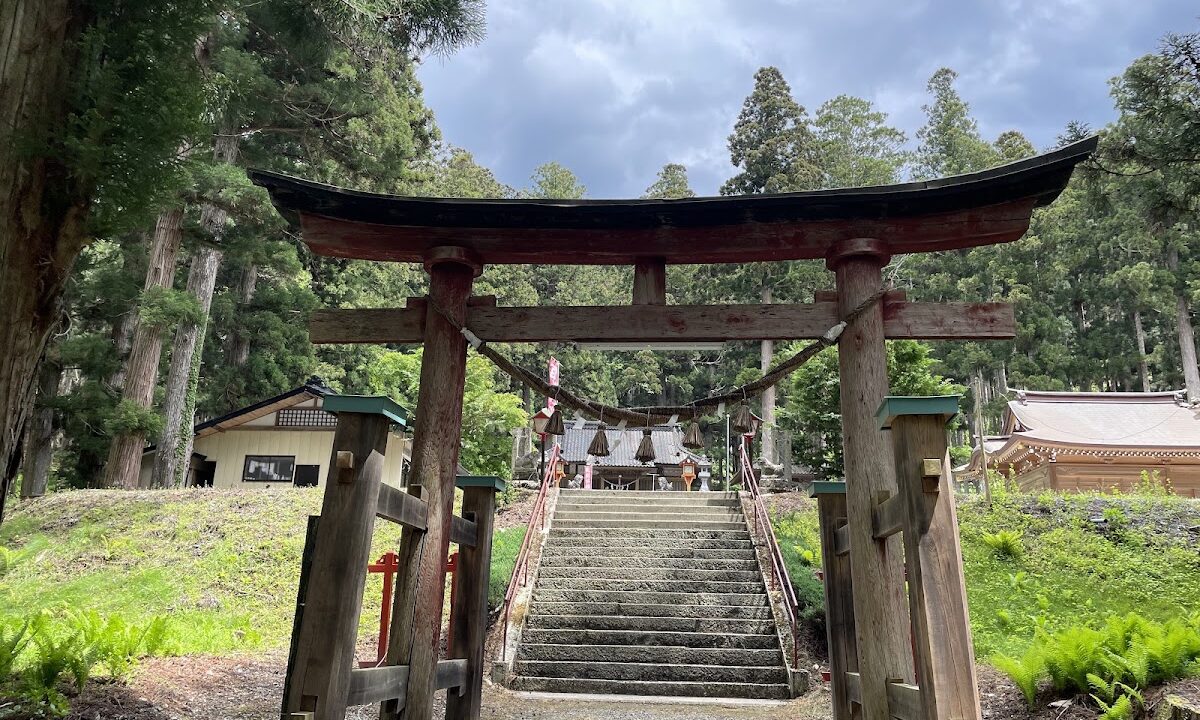
Complete Guide to Rokkoshi Shrine (Tono City, Iwate Prefecture) | Information on Goshuin (Shrine Seals), Deities, Access, and Power Spot
Rokkoshi Shrine, located in Aosasa-cho, Tono City, Iwate Prefecture, is a historical shrine founded in 807 AD. It enshrines Mount Rokkoshi, one of the three sacred mountains of Tono, and is known for its blessings of safe voyages, business prosperity, and family safety. This article provides detailed information on Rokkoshi Shrine’s goshuin (shrine seals), enshrined deities, access methods, festivals, and its appeal as a power spot.
History and Origins of Rokkoshi Shrine
Founding and Historical Background
Rokkoshi Shrine is said to have been founded in 807 AD, boasting a long history of over 1200 years. Founded during the late Nara period and early Heian period, during the time of Sakanoue no Tamuramaro’s pacification of the Tohoku region, this shrine has developed as a center of faith in the Tono region.
The Tono region is a treasure trove of folk culture, known from the “Tono Monogatari” (Tales of Tono), and Rokushinseki Shrine has been an important presence supporting the spiritual culture of the region, attracting the faith of local residents. The shrine’s name, “Rokushinseki,” is said to originate from Mount Rokkakugyu, the sacred object of worship, and it possesses a unique form of faith that fuses mountain worship and sea god worship.
Mount Rokkakugyu and the Worship of the Sacred Object
The most distinctive feature of Rokushinseki Shrine is that it enshrines Mount Rokkakugyu (elevation 1,294m), one of the three sacred mountains of Tono. Mount Rokkakugyu, along with Mount Hayachine and Mount Ishigami, is a representative sacred mountain of the Tono region and has been an object of mountain worship since ancient times.
There are several theories about the origin of the mountain’s name, but the most likely explanation is that it was named “Rokkakugyu” (hexagonal cow) because its shape resembles six peaks. By considering this sacred mountain as its object of worship, Rokushinseki Shrine is highly regarded as a power spot, a place that inherits the mountain’s sacred energy.
Deities and Benefits
Deities Enshrined
Five deities are enshrined at Rokushinseki Shrine:
Sumiyoshi Three Deities
- Uwatsutsuno-no-Mikoto
- Nakatsutsuno-no-Mikoto
- Sokotsutsuno-no-Mikoto
Other Deities
- Okinagatarashihime-no-Mikoto: Empress Jingu
- Onamuchi-no-Mikoto: Another name for Okuninushi-no-Mikoto
Benefits and Faith
The Sumiyoshi Three Deities are known as guardians of safe voyages and maritime traffic. It is interesting that sea gods are enshrined in Tono, an inland area. This suggests ancient trade routes and a deep connection between the Tono region and coastal areas.
Main Benefits:
- Safe Voyages and Traffic Safety
- Business Prosperity and Success
- Family Safety and Protection from Evil
- Abundant Harvests and Agricultural Protection
- Good Fortune and Matchmaking
Empress Jingu is worshipped as the guardian deity of safe childbirth and child-rearing, while Ōkuninushi-no-Mikoto is worshipped as the god of matchmaking and national development. Many worshippers visit seeking diverse blessings.
Highlights and Cultural Assets of the Shrine Grounds
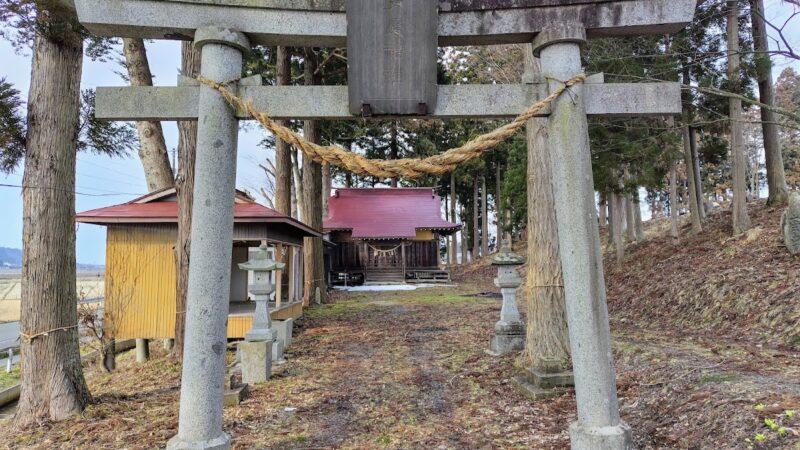
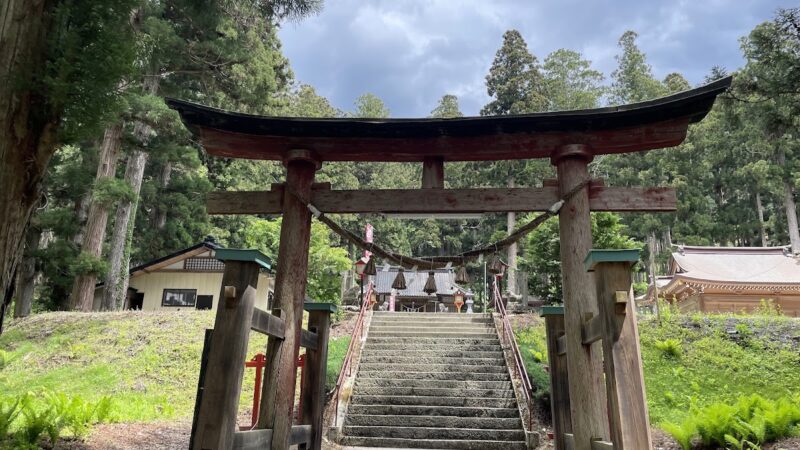
Shrine Buildings and Grounds Layout
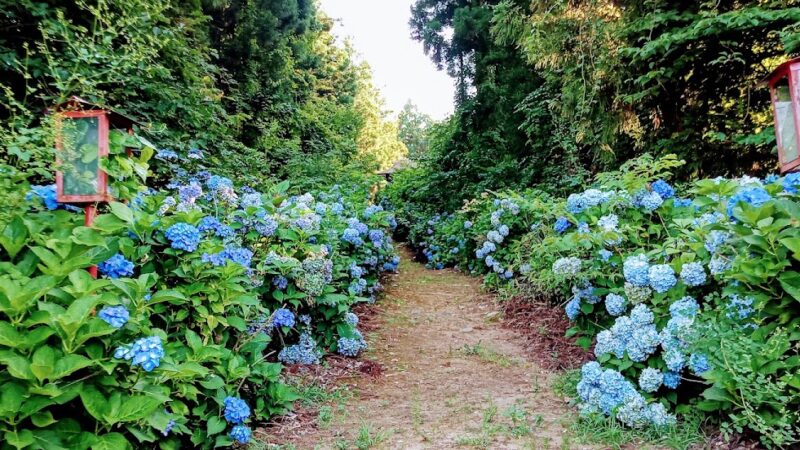
The grounds of Rokushinseki Shrine are a tranquil space surrounded by abundant nature. Located beyond the end of the paved road, along a riverside path, it offers a sacred atmosphere far removed from the hustle and bustle of the city.
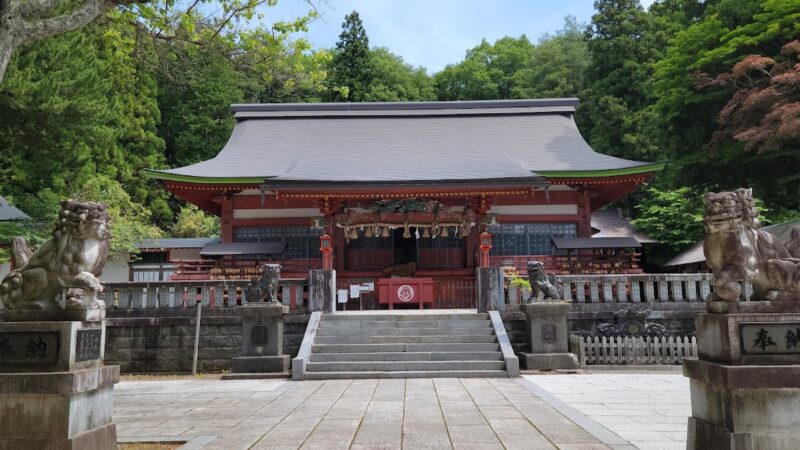
The main shrine is built against the backdrop of Mt. Rokkakugyu, allowing one to directly feel the spiritual energy of the mountain. The architectural style of the shrine buildings retains characteristics of traditional local shrine architecture, making them structures of high historical value.
Kagura Hall and Event Activities
A distinctive feature of Rokushinseki Shrine is its Kagura Hall. This hall is used not only for traditional festivals but also as a venue for modern events, functioning as a hub for disseminating local culture.
Traditional Kagura (sacred Shinto music and dance) is performed in the Kagura Hall during festivals, including the annual grand festival. Kagura from the Tono region is recognized as an intangible folk cultural property of Iwate Prefecture, and plays an important role in the transmission of local culture.
Komainu (Guardian Lion-Dogs) and Stone Sculptures
Within the shrine grounds are historical Komainu (guardian lion-dogs) erected in 1710 (Hoei 7). These Komainu, with a history of over 300 years, are a valuable cultural asset attracting attention in the study of Komainu in Iwate Prefecture. These stone sculptures, having withstood the elements, are important witnesses to the long history of the shrine.
In addition, various stone sculptures and monuments are placed throughout the shrine grounds, providing clues to the history and changes in local beliefs.
Festivals and Annual Events
Grand Festival (September 19th)
The most important festival of Rokushinseki Shrine is the Grand Festival, held annually on September 19th. This festival is a major event in which the entire community participates, and traditional Shinto rituals and Kagura (sacred dance) performances are held.
At the Grand Festival, after solemn Shinto rituals such as the recitation of prayers by the chief priest and the offering of sacred branches, a magnificent Kagura performance is presented in the Kagura Hall. Children from the community also participate in the festival, making it a valuable opportunity for the continuation of traditional culture.
Other Annual Events
At Rokushinseki Shrine, various festivals are held throughout the year, in addition to the annual grand festival:
- New Year’s Day Festival (January 1st): A festival celebrating the new year
- Spring Grand Festival: Prayers for a bountiful harvest
- Summer Purification Ceremony (end of June): Purification of impurities accumulated over the past six months
- Autumn Grand Festival (Annual Grand Festival): Prayers for gratitude for the harvest and for the well-being of the parishioners
- Year-End Purification Ceremony (end of December): Purification of impurities accumulated over the past year
These events are important opportunities to deepen the bonds of the local community and form the foundation supporting Tono’s traditional culture.
Goshuin (Shrine Seal) Information
About the Issuance of Goshuin
Goshuin (shrine seals) can be obtained at Rokushinseki Shrine. They are issued at the shrine office, but since staff are not always present, it is strongly recommended to contact them in advance.
Details on Goshuin (Shrine Seal) Issuance:
- Location: Shrine Office
- Hours: 9:00 AM – 4:00 PM
- Contact: Chief Priest’s Mobile Phone 090-4312-1038
- Offering Fee: Generally around 300-500 yen
The goshuin will have the name of Rokushinseki Shrine and the date of visit written in ink, and the shrine’s seal will be stamped on it. It will be a valuable item for those visiting shrines in the Tono region.
About Goshuincho (Shrine Seal Books)
We recommend checking with the shrine office before your visit regarding the availability of Rokushinseki Shrine’s original goshuincho. Many people combine their goshuin pilgrimage with other shrines in Tono City, allowing you to enjoy shrine pilgrimages throughout the Tono region.
Access and Transportation Information
Location and Basic Information
Address: 131, 17-chome, Nakazawa, Aosasa-cho, Tono City, Iwate Prefecture 028-0502
Contact Information:
- Chief Priest’s Mobile: 090-4312-1038
- Reception Hours: 9:00 AM – 4:00 PM
Access by Car
Using Expressways:
- Approximately 13.3 km from Tono IC on the Kamaishi Expressway, approximately 22 minutes
- Approximately 80 km from Morioka IC on the Tohoku Expressway via National Route 283, approximately 90 minutes
Parking Information:
- Free parking available
- Space for several standard-sized cars
- Temporary parking may be available during peak times such as the annual festival
Access by Public Transportation
Nearest Station: JR Kamaishi Line, Aosasa Station
- Approximately 3 km east from Aosasa Station
- Walking: Approximately 40-50 minutes
- By taxi: Approximately 5-10 minutes
Access by bus:
There are local bus routes operating within Tono City, but the number of buses is limited, so it is recommended to check the timetable in advance. You will also need to walk from the nearest bus stop.
Points to note when accessing the shrine
Rokushinseki Shrine is located in a mountainous area, beyond where the paved road ends. Please note the following:
- In winter, there is a possibility of snow and icy roads, so snow tires or chains are necessary.
- The location may not be accurately displayed on car navigation systems, so please check a map in advance.
- There are areas with weak cell phone reception, so it is advisable to carry a paper map as well.
- There are narrow sections of road, so drive carefully.
The appeal as a power spot
A sacred space where you can feel the energy of nature
The reason Rokushinseki Shrine is attracting attention as a power spot lies in its location and natural environment. With Mount Rokkakugyu as its sacred object, the shrine grounds, surrounded by lush forests, are filled with natural energy that cannot be felt in urban areas. Many visitors comment on the clean air and the opportunity to reflect on themselves in the tranquility, making it a popular spot for those seeking spiritual refreshment.
Mountain Worship and Spiritual Energy
Mount Rokkakugyu, the sacred mountain, has been revered as a sacred mountain since ancient times. In mountain worship, mountains are worshipped as places where gods reside, or even as gods themselves. Rokushinseki Shrine is located in a place that directly receives the energy of this sacred mountain, allowing visitors to feel its sacred power.
It is said that visiting in the early morning or at dusk allows one to feel the mountain’s spiritual energy more strongly. The shrine grounds shrouded in morning mist and the sight of Mount Rokkakugyu illuminated by the setting sun create a mystical atmosphere.
Folk Culture and Spirituality of Tono
The Tono region is a treasure trove of folk culture, known from Kunio Yanagita’s “Tono Monogatari” (Tales of Tono). Various folk beliefs and legends, such as those of Zashiki-warashi (house spirits), Kappa (water imps), and mountain gods, still thrive in Tono. Rokushinseki Shrine is also a part of this spiritual culture of Tono, reminding visitors of Japan’s original landscape and ancient faith.
Nearby Tourist Attractions
Related Shrines in Tono City
When visiting Rokushinseki Shrine, we recommend visiting other shrines in Tono City:
Tono-go Hachimangu Shrine
A grand shrine known as the guardian shrine of Tono, it is a historical shrine revered by the Tono Nanbu clan.
Yamaguchi Watermill
Not a shrine, but a popular spot where you can experience Tono’s original landscape.
Denshoen (Folklore Garden)
A facility where you can experience Tono’s folk culture and learn about folktales and legends.
Hiking Mt. Rokkakugyu
Mt. Rokkakugyu, the sacred object of worship, can be hiked. The course from the trailhead to the summit takes about 3 hours, and from the summit you can enjoy a panoramic view of the Tono Basin. However, this is a mountainous area requiring full-fledged mountaineering equipment, and the course is intended for experienced climbers.
Cultural Facilities in Tono
Tono City Museum
A facility where you can comprehensively learn about Tono’s history, folklore, and nature.
Tono Story Museum
An exhibition facility where you can experience the world of “Tono Monogatari” (Tales of Tono) and learn about Tono’s folktales and legends.
Manners and Etiquette for Visiting a Shrine
Basic Worship Etiquette
Basic etiquette when visiting Rokushinseki Shrine:
- Bow before passing through the torii gate: A greeting before entering the sacred area.
- Avoid walking in the center of the path: The center is the path of the gods.
- Purify yourself at the water basin: Left hand → Right hand → Mouth → Left hand in that order.
- Two bows, two claps, one bow: The general worship etiquette at shrines.
Photography
Photography is generally permitted on the shrine grounds, but please note the following:
- Follow instructions if photography is prohibited in certain areas, such as inside the main hall.
- Obtain permission in advance for photography during religious ceremonies.
- Be considerate of other worshippers.
- When posting on social media, be careful not to damage the dignity of the shrine.
Clothing and Belongings
There are no particularly strict dress code regulations, but it is desirable to wear clothing that reflects the sacred nature of the place. Furthermore, due to its mountainous location:
- Wear comfortable walking shoes
- Bring insect repellent even in summer
- Dress warmly in winter
- Carry drinking water (there are no vending machines nearby)
Modern Initiatives at Rokkoushi Shrine
As a Hub for Regional Culture
Rokkoushi Shrine not only preserves tradition but is also actively engaged in modern initiatives. It plays a role as a hub for regional culture, such as hosting events utilizing the Kagura-den (sacred dance hall).
By opening the shrine as a venue for diverse cultural activities, such as music events and workshops, it creates opportunities for younger generations to become familiar with the shrine.
Information Dissemination and Communication
The official website (https://rokkoushi.com/) provides information on the shrine’s history, festivals, and prayer services. While a traditional shrine, it utilizes modern information dissemination methods to convey the shrine’s appeal to a wider audience.
Summary: The Charm of Rokushinseki Shrine
Located in Tono City, Iwate Prefecture, Rokushinseki Shrine boasts a history of over 1200 years and is a venerable shrine with Mount Rokkakugyu as its sacred object of worship. It enshrines five deities, including the three Sumiyoshi gods, and attracts worshippers seeking various blessings such as safe voyages, business prosperity, and family safety.
The shrine grounds, surrounded by abundant nature, are highly regarded as a power spot, bringing peace of mind and spiritual refreshment to visitors. While preserving traditional rituals, the shrine’s proactive approach to modern initiatives contributes to the inheritance and development of local culture.
Rokushinseki Shrine offers a chance to experience Tono’s folk culture, feel the quintessential Japanese landscape, and sense ancient faith. It’s a shrine worth visiting for various purposes, whether you’re seeking a Goshuin (shrine stamp), exploring power spots, or simply interested in history and culture. When you visit Tono, be sure to stop by.
Things to check before your visit:
- If you wish to receive a Goshuin (temple/shrine stamp), please contact us in advance (090-4312-1038)
- Check road conditions during winter
- Due to expected crowds on the annual festival (September 19th), we recommend visiting early
- We also recommend checking the opening hours of surrounding facilities in advance
We hope your visit to Rokushinseki Shrine will be a memorable experience.