Mitsuishi Shrine (Iwate Prefecture) Complete Guide | A Power Spot with the Origin of Iwate Prefecture’s Name and the Legend of the Demon’s Handprint
Nestled in a quiet residential area of Morioka City, Iwate Prefecture, Mitsuishi Shrine is a historical shrine steeped in the legend that gave rise to the name of Iwate Prefecture. Three massive granite rocks towering within the shrine grounds are said to bear the handprints of a demon who made a vow, and the shrine has long been revered by locals as “Mitsuishi-sama.” This article will introduce the history, legends, access methods, and blessings of Mitsuishi Shrine, providing a comprehensive overview of its appeal as a tourist spot.
What is Mitsuishi Shrine? | A Historic Power Spot Representing Iwate Prefecture
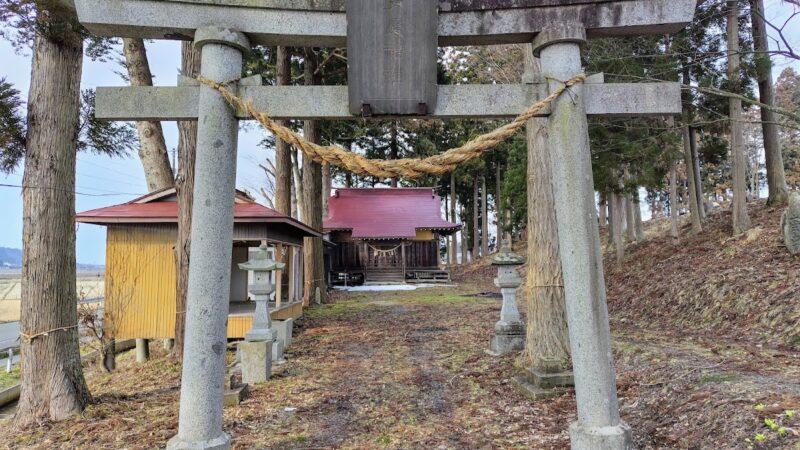
Mitsuishi Shrine is a small shrine located behind Tokenji Temple in Nasugawa-cho, Morioka City. Three massive granite rocks, adorned with sacred ropes (shimenawa), stand within the grounds, captivating visitors with their overwhelming presence.
This shrine is the legendary site that gave rise to the name of Iwate Prefecture, and is also known as the birthplace of Sansa Odori, a traditional performing art representative of Iwate Prefecture. Despite its small size, it is an important tourist spot symbolizing the identity of Iwate Prefecture, attracting many visitors from both within and outside the prefecture.
The Origin of the Three Giant Stones
The three granite rocks standing within the shrine grounds are enormous, reaching approximately 6 meters in height. It is said that these rocks fell during an eruption of Mount Iwate, and that they were originally one large rock that split into three over a long period of time.
The rocks’ surfaces are covered in moss, reflecting their long history as sacred objects. Interestingly, it is said that moss does not grow only on the part where a demon is said to have pressed its handprint, and that traces resembling the handprint can still be seen today.
The Origin of the Name of Iwate Prefecture | The Full Story of the Demon’s Handprint Legend
The most famous story at Mitsuishi Shrine is the “Demon’s Handprint Legend.” This legend is said to be the origin of the name of Iwate Prefecture. ### The Story of the Demon’s Extermination
Long ago, a wicked demon called a Rasetsuki lived in this region, tormenting the villagers. Desperate, the villagers prayed to the Mitsuishi-sama, the god of the three stones, asking for the demon’s defeat.
The Mitsuishi-sama, responding to the villagers’ prayers, captured and punished the Rasetsuki. The demon swore never to ravage this land or cause trouble again, and as proof, left its handprints on three large stones at the shrine. It is said that the name “Iwate” originated from this event of “the demon leaving handprints on the rocks.”
The Spread of the Name “Iwate”
This legend is not merely a folktale; it is an important story that shaped the identity of Iwate Prefecture. “Iwate,” meaning the rocks where the demon’s handprints were left, eventually came to refer to the entire region and developed into the current name of Iwate Prefecture.
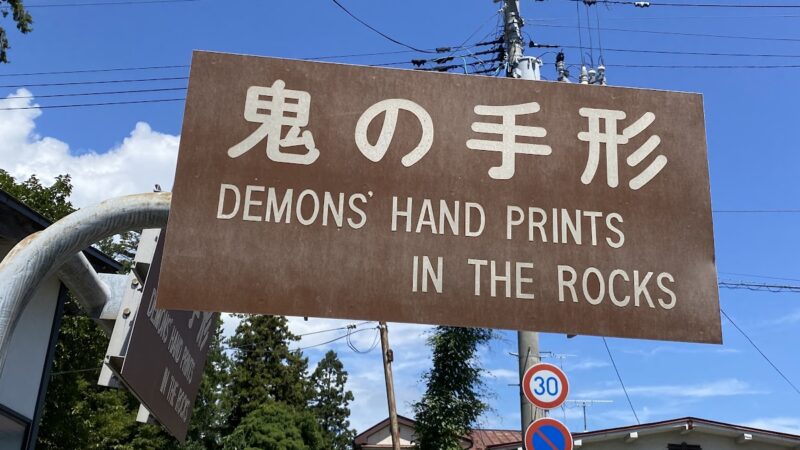
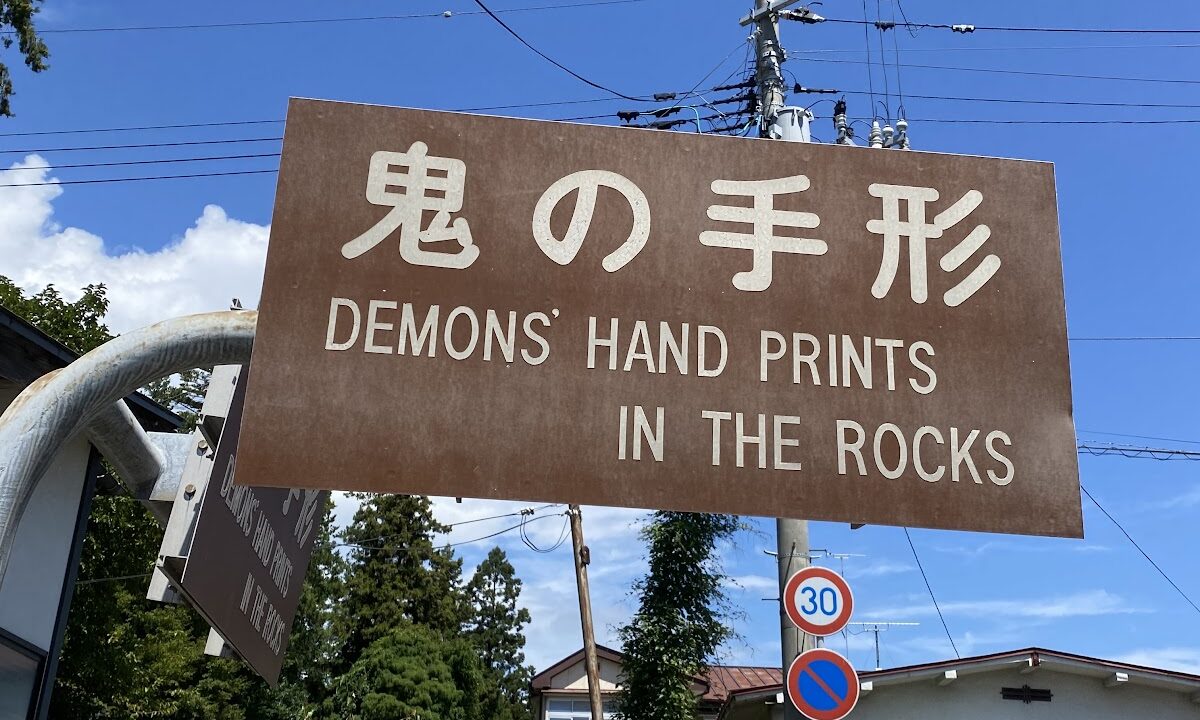
In Morioka City, there are also signposts indicating the “Oni no Tegata” (demon’s handprint), reflecting a respect for local history.
The Birthplace of Sansa Dance | Deep Connections to Traditional Performing Arts
Mitsuiishi Shrine is also known as the birthplace of the Sansa Dance, a representative traditional performing art of Iwate Prefecture.
The Origin of the Sansa Dance
After defeating the demon, the villagers, overjoyed, danced around the three rocks chanting “Sansa, Sansa.” This is considered the origin of the current Sansa Dance.
The Sansa Dance has been passed down as the “Morioka Sansa Dance,” held every August, and has become a major event recognized by the Guinness World Records as the world’s largest drum parade. Mitsuiishi Shrine is a culturally very important place as the origin of this traditional performing art.
The Relationship Between Festivals and Shrines
During the Morioka Sansa Dance period, the number of tourists visiting Mitsuiishi Shrine also increases. By exploring the roots of traditional performing arts, you can gain a deeper understanding of the meaning and background of the dances.
The Benefits and Power Spot Appeal of Mitsuishi Shrine
Mitsuishi Shrine is also popular as a power spot offering various benefits.
Main Benefits
Healing from Illness: As a god with great power who defeated demons, it is believed to have the power to ward off illness and misfortune.
Good Relationships and Matchmaking: As a god who made demons keep their promises, it is believed to have the benefit of forming good relationships and severing bad ones.
Fertility and Safe Childbirth: It has long been a place where local women have come to pray for safe childbirth.
Protection from Evil and Misfortune: Due to the legend of sealing away demons, it is believed to have powerful protective powers against evil.
Characteristics as a Power Spot
The three megaliths are attracting attention from a spiritual perspective as a place where natural energy is concentrated. The rocks, believed to have been formed by the eruption of Mount Iwate, are said to possess the power of the earth.
Although located in a quiet residential area, stepping onto the shrine grounds evokes a sacred atmosphere, creating a peaceful environment for worship.
How to Access Mitsuishi Shrine
Mitsuishi Shrine is located in the city center of Morioka, making it a relatively easily accessible tourist spot.
Address and Basic Information
Address: 2-1 Nasugawa-cho, Morioka City, Iwate Prefecture
Opening Hours: Open 24 hours a day
Closed Days: None
Admission Fee: Free
Access by Public Transportation
From JR Morioka Station:
- Take the Iwate Kotsu bus bound for “Chabatake” or “Matsuzono Bus Terminal”
- Get off at the “Oizumiguchi” bus stop and walk for approximately 5 minutes
- Travel time: Approximately 10-15 minutes
Buses run relatively frequently, approximately every 10-20 minutes during the daytime.
Access by Car
From Morioka IC:
- Approximately 25 minutes via National Route 4
- Parking is available at the Tokenji Temple parking lot (a few spaces available)
The shrine is approximately 10 minutes by car from the center of Morioka City. However, since the area around the shrine is a residential area, please avoid street parking and use the Tokenji Temple parking lot.
Access on Foot
It takes about 30 minutes on foot from Morioka Station. It’s recommended to combine your visit with a stroll to other tourist spots such as Morioka Castle Ruins Park and Zaimokucho.
How to Visit and Manners at Mitsuishi Shrine
Mitsuishi Shrine is a small shrine, but please observe basic manners when visiting.
Procedure for Visiting
- Bow Before Passing Through the Torii Gate: As a sign of respect before entering the sacred area, bow before the torii gate.
- Purify at the Water Basin: Purify your hands and mouth (there may not be a water basin).
- View the Three Rocks: As soon as you enter the shrine grounds, you will see three large rocks. Quietly view these sacred rocks adorned with shimenawa ropes.
- Worship: Worship using the two bows, two claps, and one bow ritual.
- Searching for the Demon’s Handprint: Look for the area where the legendary demon’s handprint is said to remain. The areas without moss are believed to be the traces of the handprint.
Precautions for Photography
Photography is permitted, but please remember that this is a sacred place and be considerate of other worshippers. Especially since it is adjacent to a residential area, please refrain from shouting or making noise.
Tourist Attractions Around Mitsuishi Shrine
When visiting Mitsuishi Shrine, it is recommended to also visit the surrounding tourist attractions in Morioka.
Morioka Castle Ruins Park (Iwate Park)
Morioka Castle Ruins Park, located about a 15-minute walk from Mitsuishi Shrine, is a park developed on the site of Morioka Castle, the residence of the Nanbu clan. It is known for its beautiful stone walls and is also a famous cherry blossom viewing spot.
Morioka Hachimangu Shrine
One of Morioka’s representative shrines, it is about a 10-minute drive from Mitsuishi Shrine. The vast grounds contain many subsidiary shrines, making it a worthwhile place to visit.
Zaimokucho/Konyamachi
This area of Morioka retains its old townscape, offering a retro atmosphere. With numerous cafes and shops, it’s perfect for a stroll.
Morioka City’s Famous Cuisine
Many restaurants in the city center serve Morioka’s three famous noodle dishes (Wanko Soba, Morioka Reimen, and Jajamen). Enjoying Morioka’s cuisine after visiting Mitsuishi Shrine is highly recommended.
Best Season to Visit Mitsuishi Shrine
Mitsuishi Shrine is open year-round, but each season offers a different charm.
Spring (April-May)
The season of fresh greenery, where moss-covered rocks harmonize beautifully with the surrounding greenery. The mild climate is ideal for visiting.
Summer (June-August)
The Morioka Sansa Dance Festival in early August holds special significance as the shrine is the birthplace of the dance. Visiting before or after the festival will allow you to experience the vibrant energy of the region.
Autumn (September – November)
The autumn foliage season offers beautiful scenery and a peaceful atmosphere for worship.
Winter (December – March)
The three snow-covered rocks create a fantastical atmosphere. However, be careful as the ground can be slippery.
Accommodation near Mitsuishi Shrine
For those visiting Mitsuishi Shrine, hotels near Morioka Station are convenient.
Hotels near Morioka Station
There is a wide range of accommodations around Morioka Station, from business hotels to city hotels. Mitsuishi Shrine is easily accessible by bus in about 10 minutes from the station, and it’s also convenient for traveling to other tourist spots in Morioka.
Several major hotel chains (Toyoko Inn, Route Inn, Dormy Inn, etc.) are available, allowing you to choose according to your budget and purpose.
Hot Spring Accommodation
Morioka City also has a hot spring resort called “Tsunagi Onsen.” It’s about a 30-minute drive from Mitsuishi Shrine and is recommended for those who want to enjoy both sightseeing and hot springs.
Historical Background and Cultural Value of Mitsuishi Shrine
Mitsuishi Shrine is not merely a tourist spot; it is an essential place for understanding the history and culture of Iwate Prefecture.
Ancient Beliefs
The three megaliths have been objects of nature worship since ancient times. In Japanese Shinto, there is a custom of revering natural objects such as megaliths and large trees as “yorishiro” (objects inhabited by gods), and Mitsuishi is one such example.
Symbol of Regional Identity
Because it is associated with the legend that gave rise to the name of Iwate Prefecture, Mitsuishi Shrine holds special significance for the people of Iwate. It is still carefully preserved as an important cultural heritage that forms the prefecture’s identity.
Inheritance of Oral Culture
The legend of the demon’s handprint is a folk tale that has been passed down orally since before the widespread use of writing. The fact that such stories have been passed down to the present day demonstrates the strength of regional cultural preservation.
Tips and Advice for Visiting Mitsuishi Shrine
Estimated Time Required
The shrine itself is small, so a visit and sightseeing will take about 15-30 minutes. Even if you take your time taking photos and exploring the surrounding area, an hour should be sufficient.
Clothing and Items to Bring
No special clothing is required, but keeping in mind that you are visiting a shrine, it’s best to avoid overly casual attire. Don’t forget to dress warmly during winter.
Crowds
It’s usually relatively quiet, but visitor numbers increase during the Sansa Dance festival and on weekends during the tourist season. If you want to visit in peace and quiet, weekday mornings are recommended.
Surrounding Facilities
The area around the shrine is a residential area, so facilities such as restaurants and restrooms are limited. It’s recommended to eat and shop around Morioka Station or in the city center before visiting.
Summary | Mitsuishi Shrine: A Must-Visit Spot for Iwate Tourism
Mitsuishi Shrine is a shrine with two important historical significances: the legend of the demon’s handprint, which gave rise to the name of Iwate Prefecture, and its status as the birthplace of the Sansa Dance. The shrine grounds, with their three towering granite rocks, are small but possess a powerful and special atmosphere.
Its easy accessibility from Morioka city center makes it a convenient place to visit in conjunction with other tourist attractions. When visiting Iwate Prefecture, be sure to visit this historical shrine, the origin of the prefecture’s name.
Whether you’re a worshipper seeking blessings for healing, good fortune in relationships, or protection from evil, or a tourist wanting to experience Iwate’s history and culture, Mitsuishi Shrine will offer an unforgettable experience. Standing before the three rocks in the tranquil grounds, you’ll feel the presence of the prayers of people from ancient times and the story of the promise with the demon, still alive today.
Frequently Asked Questions (FAQ)
What is the address of Mitsuishi Shrine?
2-1 Nasugawa-cho, Morioka City, Iwate Prefecture. It is located behind Tokenji Temple.
What are the opening hours of Mitsuishi Shrine?
The shrine is open 24 hours a day for worship. There are no specific restrictions on opening hours, but since it is located in a residential area, consideration for the neighbors is necessary when visiting early in the morning or late at night.
What are the closing days of Mitsuishi Shrine?
There are no closing days. It is open year-round for worship.
What is the entrance fee for Mitsuishi Shrine?
Worship is free. There are no entrance or admission fees.
Can you really see the demon’s handprint?
The areas on the rock surface where moss does not grow are said to be traces of the handprint, but a clear handprint is not visible. It is best enjoyed as a legend.
Is there parking?
There is no dedicated parking lot for the shrine, but you can use the Tokenji Temple parking lot. However, space is limited, so using public transportation is recommended.
Can I get a Goshuin (shrine stamp)?
Mitsuishi Shrine is a small, unmanned shrine, so there are no resident priests, and they do not offer Goshuin (shrine stamps).
How long does it take to get there from Morioka Station?
It takes about 10-15 minutes by bus, or about 30 minutes on foot. A taxi will get you there in about 10 minutes.
What are the advantages of visiting during the Sansa Dance Festival?
Visiting during the Morioka Sansa Dance Festival in early August allows you to experience the special atmosphere of the birthplace of the festival. However, since the number of tourists increases, if you want to visit in peace, another time is recommended.
What other tourist spots should I visit in conjunction with Mitsuishi Shrine?
Morioka Castle Ruins Park, Morioka Hachimangu Shrine, and Zaimokucho are all within walking distance or nearby. It’s conveniently located to incorporate into a sightseeing route within Morioka City.