Kawadome Inari Shrine (Morioka City, Iwate Prefecture) Complete Guide | History, Access, and Benefits Explained in Detail
Kawadome Inari Shrine, quietly situated along the Nakatsu River in Morioka City, Iwate Prefecture, is a historic shrine founded in response to a major flood during the Edo period. Despite being located in a residential area, stepping onto the shrine grounds reveals a unique atmosphere where time seems to stand still, making it a special place cherished by locals.
This article provides a thorough explanation of everything you need to know before visiting Kawadome Inari Shrine, including its detailed history, enshrined deities and benefits, access methods, and highlights within the grounds.
What is Kawadome Inari Shrine? Basic Information
Kawadome Inari Shrine is an Inari shrine located in Kagano 1-chome, Morioka City, Iwate Prefecture. Situated along the Nakatsu River embankment, it boasts a history of approximately 360 years as a guardian deity protecting the region from river floods.
Basic Data
- Shrine Name: Kawadome Inari Shrine
- Location: 1-chome, Kagano, Morioka City, Iwate Prefecture
- Deity Enshrined: Ukanomitama-no-Mikoto
- Founded: Kanbun 2 (1663)
- Affiliation: Association of Shinto Shrines, Iwate Prefecture Shrine Association
- Access: Approximately 15 minutes on foot from JR Morioka Station, along the Nakatsu River
Looking at the map, it is located in a residential area along the Nakatsu River, and the surrounding area has a historical atmosphere with old houses remaining. Upon actually visiting, a tranquil space unfolds despite being in an urban area.
History and Origins of Kawadome Inari Shrine
The Great Flood of Kanbun 2 and the Circumstances of Founding
The founding of Kawadome Inari Shrine dates back to Kanbun 2 (1663). That year, Morioka Castle town was hit by a massive flood, suffering immense damage due to the overflowing of the Nakatsu River. The Morioka domain at the time took this disaster very seriously and, to prevent similar damage from happening again, strengthened the Nakatsu River embankment and established Kawadome Inari Shrine as a shrine to pray for the protection of the embankment.
The name “Kawadome” (川止) embodies the earnest wish to stop the river’s flooding, that is, to protect people from water damage. This name clearly reflects the purpose of the shrine’s founding.
From the Edo Period to the Present
Since its founding, Kawadome Inari Shrine has been revered as the guardian deity of the region. Throughout the Edo period, Morioka samurai and townspeople visited the shrine to pray for flood prevention, abundant harvests, and business prosperity.
Even after the Meiji-era separation of Shinto and Buddhism and the wartime damage of the Showa era, it has continued to be protected by the deep faith of the local residents. The shrine is still carefully maintained by local parishioners, and regular festivals are held.
It’s important to note that this shrine is sometimes confused with another shrine called “Kawamori Inari Shrine.” Kawamori Inari Shrine is a different shrine located on the second floor of a building on Kitadori Street in front of Morioka Station, and it was relocated due to river improvement work on the Kitakami River. Since these are two separate shrines, it is recommended to carefully check the address before visiting.
Deity and Blessings
Deity: Ukanomitama-no-Mikoto
The deity enshrined at Kawamori Inari Shrine is Ukanomitama-no-Mikoto. This deity is the god of grain and food, widely worshipped at Inari shrines throughout Japan, and is an ancient deity appearing in the Kojiki and Nihon Shoki.
Inari worship is widespread throughout Japan, and Inari is particularly revered as the god of business prosperity, abundant harvests, and industrial development. At Kawadome Inari Shrine, Ukanomitama-no-Mikoto is also positioned as a god of flood protection, playing a role in protecting the region from the flooding of the Nakatsu River.
Main Benefits
The main benefits you can expect at Kawadome Inari Shrine are as follows:
- Protection from Water Disasters and Flood Damage: Considered the most important benefit, given the shrine’s founding history.
- Abundant Harvest: As a benefit inherent to the Inari god.
- Business Prosperity: Due to the divine virtue of Ukanomitama-no-Mikoto.
- Family Safety: As a guardian deity of the region.
- Industrial Development: Prayers for the development of the local economy.
This shrine holds special significance, especially for those working in river or water-related industries, and for those living in areas prone to flooding.
Access and Surrounding Information
Access by Public Transportation
Access from JR Morioka Station
- Walking: Approximately 15 minutes on foot from the east exit of Morioka Station.
- Route: Exit the east exit of Morioka Station and head northeast, towards the Nakatsugawa River. Enter the Kagano area and proceed through the residential area to reach the shrine.
If you have time, we recommend strolling along the Nakatsugawa River. You can enjoy the scenery along the river and walk at a leisurely pace.
Using the Bus
If using the bus from Morioka Station, take a bus bound for Kagano and get off at the nearest bus stop. It’s a few minutes’ walk from there. However, since bus services may be limited, we recommend checking the timetable in advance.
Access by Car and Parking
Access by Car
- Tohoku Expressway: Approximately 15 minutes from Morioka IC
- National Route 4: From Morioka city center towards Nakatsugawa
Parking
Since the shrine’s dedicated parking is limited, we recommend using nearby paid parking lots or public transportation. As the shrine is located in a residential area, please avoid street parking as it will inconvenience local residents.
Nearby Tourist Attractions
Around Kawadome Inari Shrine, there are several spots where you can experience the history and culture of Morioka City:
- Nakatsugawa Riverbank: Known as a famous cherry blossom viewing spot, you can enjoy beautiful rows of cherry trees in spring.
- Morioka Castle Ruins Park (Iwate Park): The ruins of the Morioka Domain’s castle, within walking distance.
- Morioka History and Culture Museum: A facility where you can learn about the history of Morioka.
- Konyamachi Area: A historical area with preserved old townscapes.
Visiting these spots together will allow you to gain a deeper understanding of Morioka’s history and culture.
Highlights and Features of the Shrine Grounds
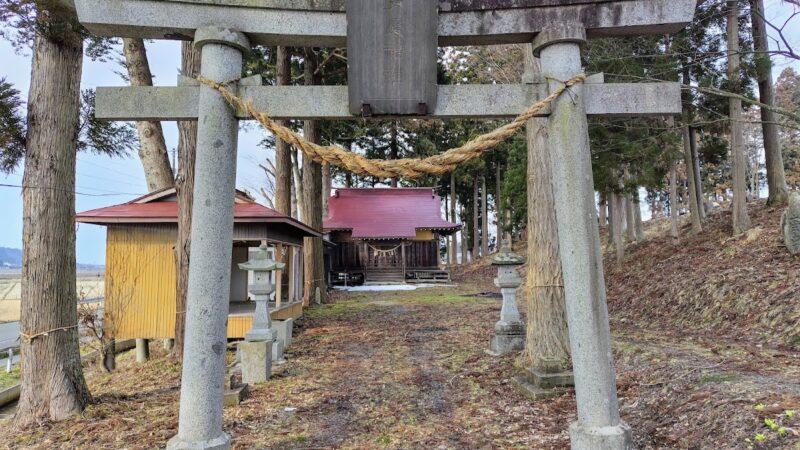
Unique Atmosphere of the Shrine Grounds
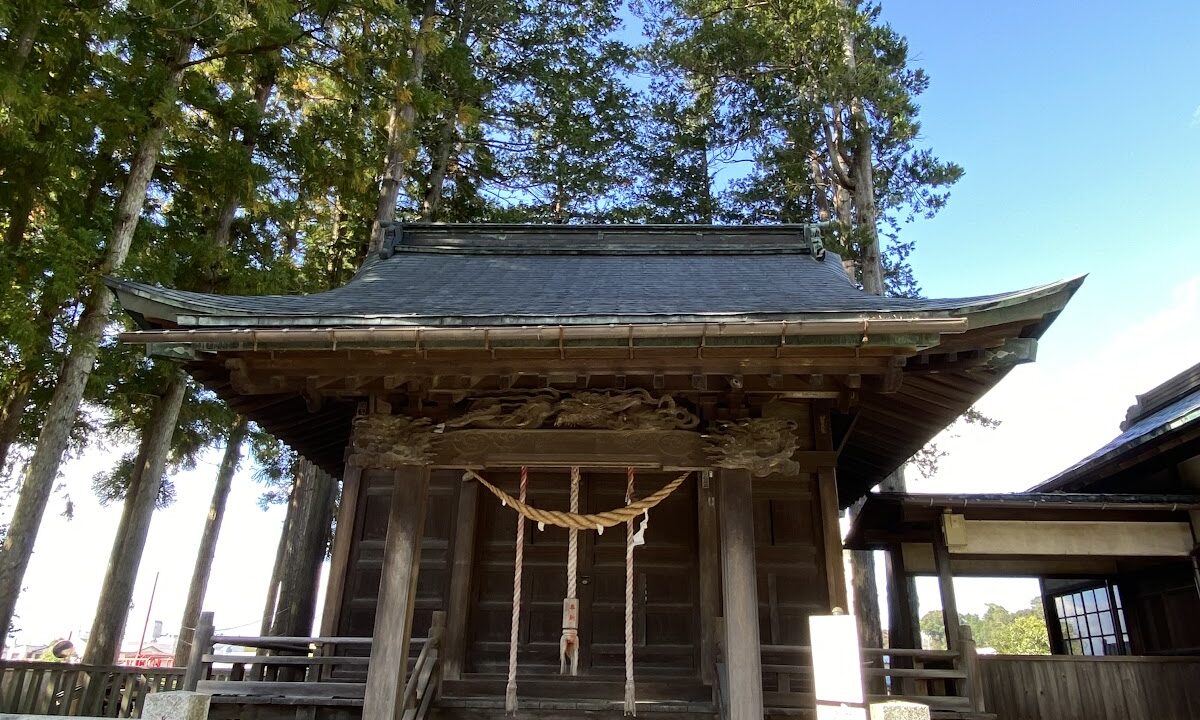
The most distinctive feature of Kawadome Inari Shrine is its unique space, which suddenly appears in the middle of a residential area, as if time has stopped. Located in a quiet area along the Nakatsugawa River, stepping onto the shrine grounds gives you the feeling of being in a different world, separated from the hustle and bustle of the city.
The location has attracted attention from those involved in filmmaking, and is praised as a “space that seems to disorient one with time.” In fact, it is sometimes used as a filming location for movies and TV shows.
Giant Trees on the Shrine Grounds
The shrine grounds are home to ancient, giant trees that speak to the long history of the shrine. These trees have watched over the area alongside the Nakatsu River since the shrine’s founding during the Kanbun era (1661-1674). They display different expressions in each season, and the scenery is particularly beautiful during the fresh green season and the autumn foliage season.
Landscape Harmonized with Surrounding Old Houses
Old houses remain on either side of the shrine, forming a historical landscape that is integrated with the shrine grounds. These buildings are valuable remnants that convey the atmosphere of Morioka’s townscape from the Edo period.
The small paths beside the shrine grounds are also charming, and simply strolling along them allows you to feel the history of Morioka firsthand. Although it may appear small on a map, the atmosphere of the place is exceptional.
Shrine Buildings and Stone Structures
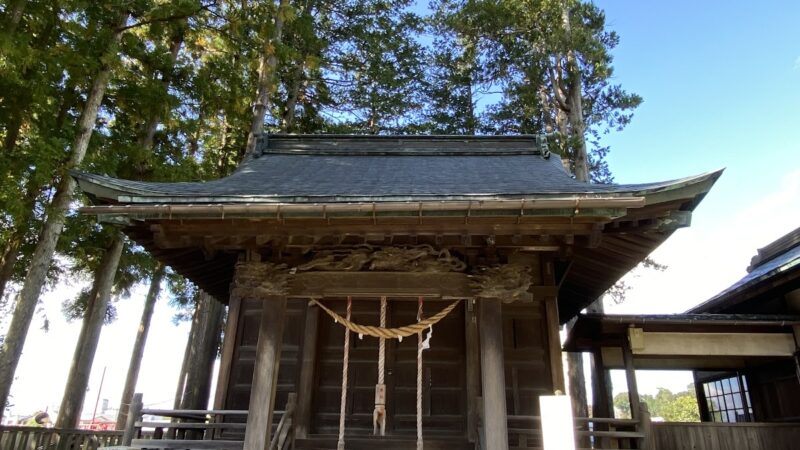
The main shrine building, though small, is carefully maintained and regularly repaired. In 2019, repair work was carried out on the shrine grounds, demonstrating the local community’s respect for the shrine.
The grounds also feature stone structures typical of Inari shrines, such as fox statues and stone lanterns, preserving the traditional style of an Inari shrine.
Manners and Precautions for Visiting a Shrine
Basic Shrine Visiting Etiquette
When visiting Kawadome Inari Shrine, follow the general manners for visiting a shrine:
- Bow before passing through the torii gate: As a sign of respect before entering the sacred area.
- Purify yourself at the water basin: Purify your left hand, then your right hand, then your mouth.
- Avoid walking in the center of the path: The center is considered the path of the gods.
- Two bows, two claps, one bow: Basic etiquette in front of the main hall.
Precautions When Visiting
- Located in a residential area: The surrounding area is a quiet residential neighborhood. Please refrain from loud conversations and noise.
- Photography Etiquette: Photography is permitted on the shrine grounds, but please be considerate and avoid including nearby residences in your photos.
- Take Your Trash Home: There may not be trash cans on the shrine grounds, so please be sure to take your trash home with you.
- Time of Day: Visiting early in the morning or late at night may disturb nearby residents, so we recommend visiting during the daytime.
Differences from the Easily Confused “Kawamori Inari Shrine”
As mentioned above, there is another shrine in Morioka City called “Kawamori Inari Shrine.” This one is located on the second floor of the Hashiichi Building at 1-10 Morioka Station North Street and is known as a very unique “shrine inside a building.”
Features of Kawamori Inari Shrine:
- Location: 2nd floor of a building on Kitadori Street in front of Morioka Station
- History: Relocated due to river improvement work on the Kitakami River
- Feature: Unusual location inside a building
Features of Kawatome Inari Shrine:
- Location: Along the Nakatsu River in Kagano 1-chome
- History: Founded to protect the Nakatsu River embankment
- Feature: Traditional shrine grounds in a residential area
When visiting, it is recommended to carefully check the address and confirm the exact location before heading there.
Annual Events and Festivals
At Kawatome Inari Shrine, traditional festivals are held by local parishioners. Main annual events include:
Hatsuumasai Festival (February)
The Hatsuumasai Festival, the most important festival at Inari shrines, is held on the first day of the Horse in February. It is a traditional event praying for a bountiful harvest and business prosperity, and local people visit to worship.
Annual Grand Festival
Once a year, the annual grand festival is held, where Shinto rituals are performed and prayers are offered for the safety and prosperity of the community. Although small in scale, it is an important opportunity to reaffirm the bonds of the local community.
Monthly Festivals
Monthly festivals are also held regularly, with parishioners’ representatives and local residents in attendance to pray for the maintenance of the shrine and the peace of the community.
The Significance of Visiting Kawadome Inari Shrine
Experiencing Local History Firsthand
Kawadome Inari Shrine is a valuable cultural asset that conveys the history of Morioka’s struggle against floods. For over 360 years since the great flood of 1662, this shrine has continued to receive the prayers of the local people. By visiting, you can truly understand how our ancestors faced natural disasters and found solace in faith.
A Tranquil Space in the City
Despite being located in the modern city of Morioka, the shrine grounds maintain a tranquility that feels like another world. It is a valuable space for both locals and tourists, offering a place to escape the hustle and bustle of everyday life and find peace of mind. ### A Symbol of the Local Community
Although a small shrine, Kawadome Inari Shrine is carefully preserved by the local residents and is a symbol of the bonds within the community. The regular cleaning and repairs, as well as the continued holding of festivals, convey the deep affection the local people have for the shrine.
Nearby Accommodations and Sightseeing Plans
Accommodations in Morioka City
When visiting Kawadome Inari Shrine, there are various types of accommodations in Morioka City:
- Hotels near Morioka Station: Convenient access and popular with domestic and international tourists
- Hot Spring Ryokans: There are hot spring resorts in the suburbs of Morioka City, allowing for a relaxing stay
- Business Hotels: Comfortable stays at reasonable prices
Recommended Sightseeing Plans
Full-Day Course
- Morning: Stroll through Morioka Castle Ruins Park
- Lunch: Experience Morioka’s famous Wanko Soba
- Afternoon: Visit Kawadome Inari Shrine and stroll along the Nakatsu River
- Evening: Visit the old townscape of Konyamachi
Half-Day Course
- Start from Morioka Station
- Visit Kawadome Inari Shrine (30 minutes)
- Stroll along the cherry blossom trees along the Nakatsu River (Spring)
- Visit the Morioka History and Culture Museum
If you have extra time, you can combine this with other sightseeing spots in Iwate Prefecture. For international tourists, this will be a valuable opportunity to experience the history and culture of the Tohoku region.
Summary: The Charm of Kawatome Inari Shrine
Kawatome Inari Shrine is a shrine steeped in history and faith, quietly situated along the Nakatsu River in Morioka City, Iwate Prefecture. Founded in response to the great flood of 1663, it has been revered for over 360 years as a guardian deity protecting the region from floods.
Despite being located in a residential area, the shrine grounds exude a unique atmosphere as if time has stood still, with the large trees within the grounds and the surrounding old houses forming a historical landscape. Although small in scale, it is carefully preserved by the deep faith of the local people, and regular festivals and repairs are carried out.
Conveniently located within walking distance of Morioka Station, visiting it in conjunction with Morioka Castle Ruins Park or a stroll along the Nakatsu River will allow you to gain a deeper understanding of Morioka’s history and culture. This shrine is recommended not only for those seeking blessings for protection from water-related disasters, abundant harvests, and business prosperity, but also for those who wish to find peace of mind in a tranquil space.
When visiting, please be sure to check the address accurately to avoid confusing it with the Kawamori Inari Shrine (located on the second floor of a building) also in Morioka City. It is recommended to use a map app to confirm the location before heading there.
Kawamori Inari Shrine is a special place known only to those in the know, quietly continuing to tell the history of Morioka. Please visit it at least once and experience its unique atmosphere and the weight of its history firsthand.