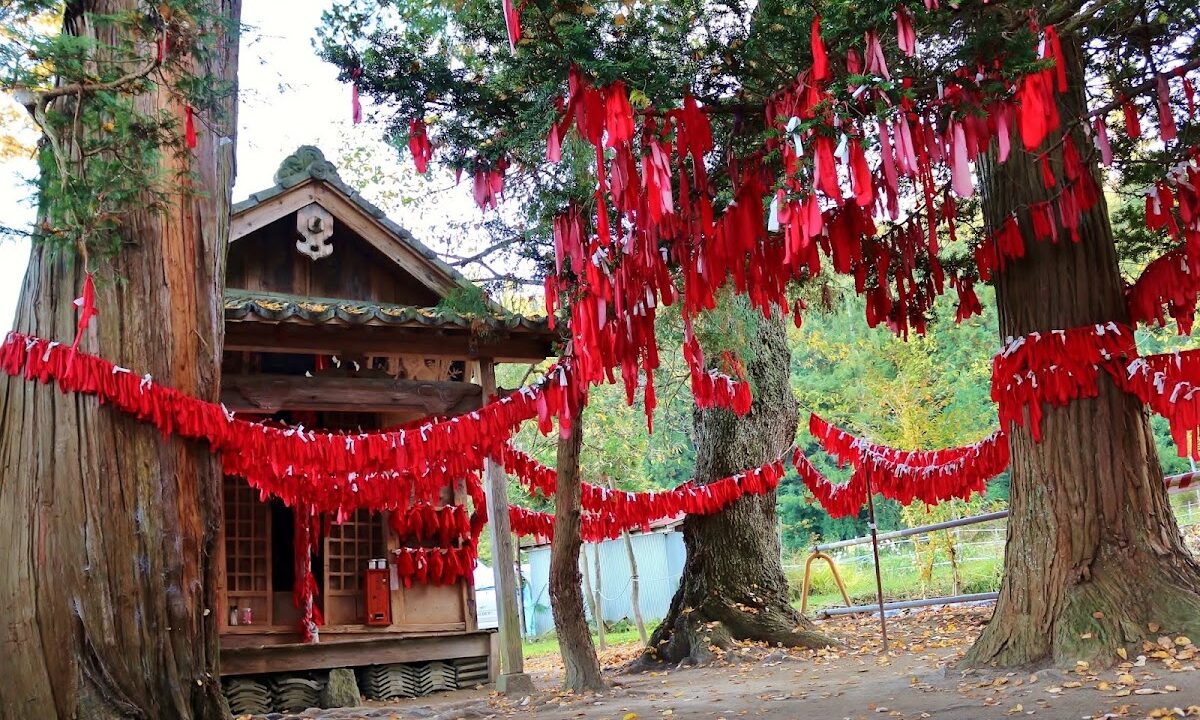
Complete Guide to Unedori Shrine (Tono City, Iwate Prefecture) | Blessings for Matchmaking and How to Worship
Unedori Shrine, located in Tono City, Iwate Prefecture, is a shrine known nationwide as a power spot for matchmaking. Its unique worship method, involving tying a red cloth, and its historical background as the setting of the Tono Monogatari (Tales of Tono), attract many visitors. This article provides a detailed explanation of Unedori Shrine’s history, blessings, worship methods, and access information.
What is Unedori Shrine?
Unedori Shrine is a small shrine located in Shimogumi-cho, Tono City, Iwate Prefecture, and has long been revered as a deity of matchmaking. It is officially called “Unedori-sama” and is affectionately known to the local people.
While the exact founding date of the shrine is unclear, it is considered an ancient shrine dating back to the Edo period and has developed as a central figure in folk belief in the Tono region. It is believed to offer a wide range of blessings, not only for romantic relationships but also for fostering good relationships between people in general.
Relationship with Tono Monogatari
Ushitori Shrine is one of the places that symbolizes the folk culture of the Tono region, appearing in Kunio Yanagita’s “Tono Monogatari.” Tono is known as the “hometown of folk tales,” and this shrine is a valuable cultural heritage that conveys the region’s traditions and beliefs to the present day.
Blessings of Ushitori Shrine
Matchmaking and Romantic Fulfillment
The most famous blessing of Ushitori Shrine is matchmaking. Many worshippers from all over the country visit to pray for good relationships, and it is especially popular with young women and couples. It is believed to grant wishes not only for romantic fulfillment but also for marital harmony and reconciliation.
Good Relationships in Human Interpersonal Connections
It is believed to offer blessings for fostering all kinds of relationships between people, not only romantic relationships but also friendships, work relationships, and family bonds. Many worshippers pray for good relationships with business partners. ### Fertility and Safe Childbirth
As an extension of matchmaking, this shrine is also believed to grant blessings for fertility and safe childbirth. Many couples can be seen visiting.
Unique Worship Method: Tying a Red Cloth
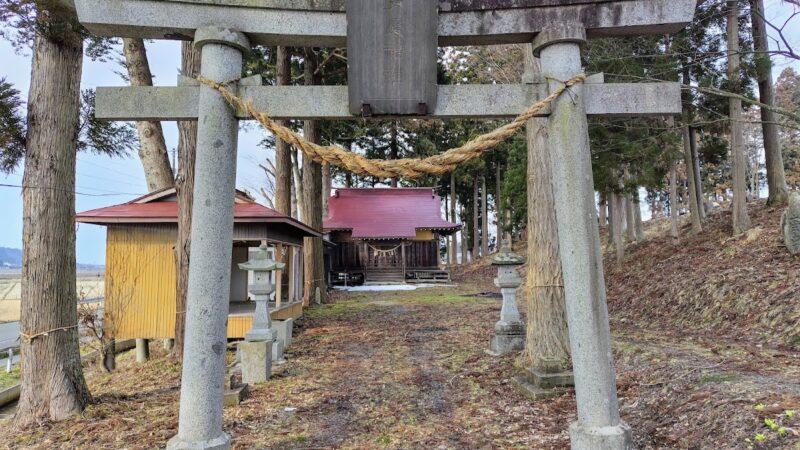
The most distinctive feature of Unotori Shrine is its unique worship method: tying a red cloth to make a wish.
Worship Procedure
- Prepare a Red Cloth: You can purchase a red cloth at the shrine office or a nearby shop (bringing your own is also possible).
- Make Your Wish: Think of your wish while tying the red cloth.
- Tie with Only Your Left Hand: This is the most important point. Tie the red cloth to a tree or torii gate within the shrine grounds using only your left hand.
- If You Can Tie It, Your Wish Will Come True: It is believed that if you can tie it with only your left hand, your wish will come true.
Why Only the Left Hand?
Tying a cloth with only your left hand is an extremely difficult task. Overcoming this difficulty is believed to demonstrate the strength of your wish to the gods. Furthermore, the left hand is closer to the heart, and it is said to symbolize heartfelt wishes.
Meaning of the Red Cloth
Red has been considered a color symbolizing protection against evil and vitality since ancient times. It is also associated with the legend of the “red thread” that binds people together, and it is believed that red cloth came to be used for prayers for finding love.
Highlights of the Shrine Grounds
Main Hall
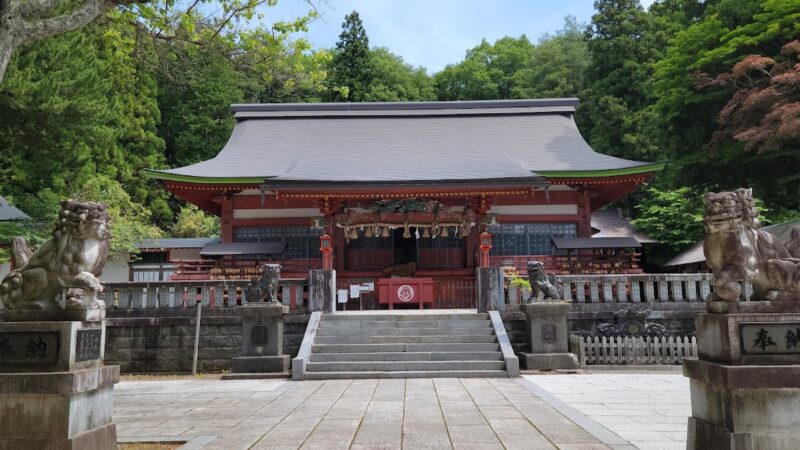
The small but charming wooden main hall retains the characteristics of traditional shrine architecture in the Tono region. Its simple and warm atmosphere soothes visitors.
Shrine Grounds Adorned with Red Cloth
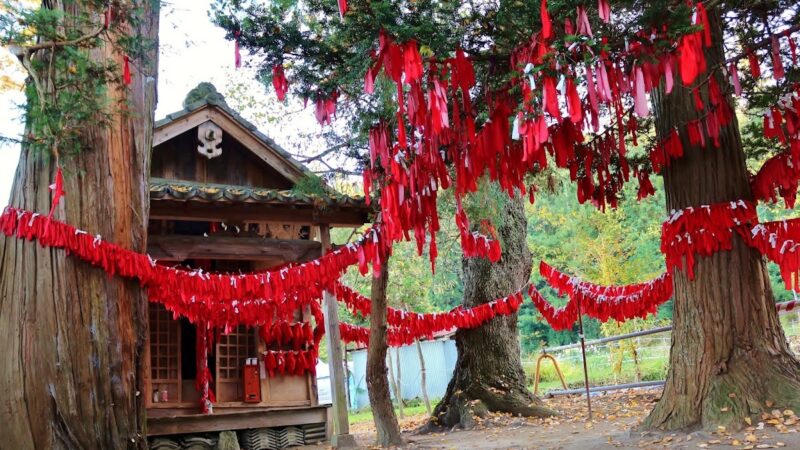
Red cloths tied by worshippers can be seen throughout the shrine grounds, creating a unique landscape. The countless red cloths tied to the trees are particularly impressive, a sacred sight imbued with the wishes of many people.
Unotori River
The clear stream, Unotori River, flowing right beside the shrine, is the origin of the shrine’s name. Visiting the shrine while listening to the gentle murmur of the river offers a refreshing and cleansing experience for the soul.
Access Information
Location
Address: 2-26 Shimogumi-cho, Tono City, Iwate Prefecture 028-0524
Access by Public Transportation
- From JR Kamaishi Line Tono Station: Approximately 10 minutes by taxi, approximately 30 minutes on foot
- Route Bus: A Tono city loop bus may be available, but due to limited service, prior confirmation is necessary.
Access by Car
- From Tohoku Expressway Hanamaki IC: Approximately 50 minutes via National Route 283
- From Kamaishi Expressway Tono IC: Approximately 15 minutes
- Parking: Free parking is available near the shrine (several spaces available)
Notes on Access
Ushitori Shrine is located in a quiet area slightly away from the city center. The roads are narrow in some places, so caution is advised when visiting by car. Also, due to snowfall in winter, winter tires are essential.
Visiting Hours and Fees
Visiting Hours
Ushitori Shrine is generally open 24 hours a day. However, due to limited lighting at night, daytime visits are recommended. Visiting in the refreshing morning air is especially wonderful.
Admission Fee
Admission is free. Offering money or purchasing a red cloth is optional.
Shrine Office Hours
The shrine office hours may be irregular. If you wish to purchase a Goshuin (shrine stamp) or a red cloth, it is recommended to check in advance.
Goshuin Information
Goshuin (shrine stamps) are available at Ushitori Shrine, but there may not always be a resident priest.
How to Obtain a Goshuin (Shrine Stamp)
- Visit during the shrine office’s opening hours.
- If the office is closed, nearby managing shrines and temples may handle it.
- It’s best to inquire in advance with the Tono City Tourism Association or similar organizations.
Features of the Goshuin
The goshuin at Unotori Shrine often features designs befitting a shrine dedicated to matchmaking, making them popular as souvenirs of your visit.
Nearby Tourist Attractions
After visiting Unotori Shrine, consider exploring other tourist spots in Tono City.
Tono Furusato Village
This theme park recreates the traditional rural landscape of Tono. You can tour old houses and experience traditional farming activities. Approximately 15 minutes by car from Unotori Shrine.
Kappa-buchi (Jokenji Temple)
This is the setting for the famous kappa legend from the Tono Monogatari (Tales of Tono). A kappa statue stands by the stream, and fishing rods are provided. You can enjoy kappa fishing.
Tono Castle Town Museum
This museum offers a glimpse into the history and culture of Tono. It features extensive exhibits related to the Tono Monogatari (Tales of Tono).
Five Hundred Arhats (Daiji-ji Temple)
A breathtaking sight of over 500 stone Buddha statues created during the Edo period. It possesses a quiet and mystical atmosphere.
Meganebashi Bridge (Miyamorigawa Bridge)
A beautiful five-arch railway bridge and a representative photo spot in Tono City. The illuminated night view is particularly enchanting.
Best Season for Visiting
Spring (April-May)
The season of fresh greenery, with beautiful trees in the temple grounds, makes for a refreshing visit. Cherry blossom viewing can also be enjoyed in the surrounding area during cherry blossom season.
Summer (June-August)
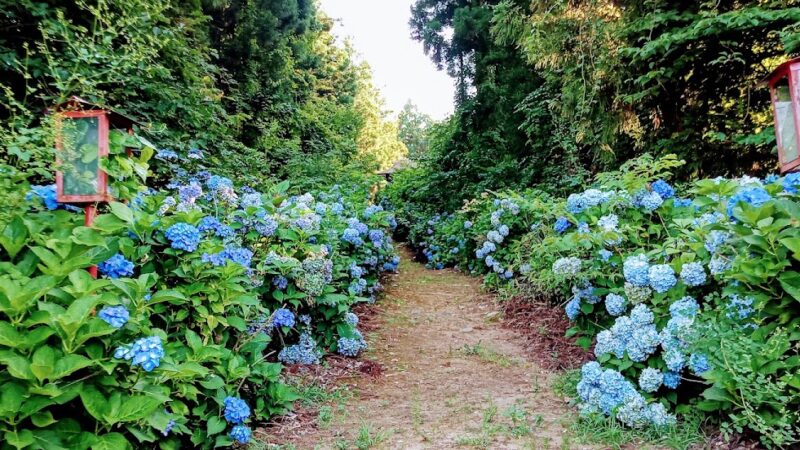
The greenery becomes lush, and the gentle murmur of the Unotorigawa River is refreshing. However, insect repellent is necessary.
Autumn (September – November)
The autumn foliage season is especially beautiful, with a stunning contrast between the red cloth and the colorful leaves. The entire city of Tono becomes a famous spot for viewing autumn leaves.
Winter (December – March)
Visiting the shrine amidst a snowy landscape is also charming, but be aware of road conditions due to snow. Take proper precautions against the cold.
Points to Note and Manners When Visiting
Attire
Please wear clean clothing appropriate for visiting a shrine. Especially in winter, cold weather protection is important. Also, since the shrine grounds are surrounded by nature, comfortable walking shoes are recommended.
Photography
Photography is generally permitted on the shrine grounds, but please be considerate of other visitors. It is considered good manners to refrain from taking photos inside the main hall.
About the Red Cloth
Please be sure to tie the red cloth you used in the designated place on the shrine grounds. Avoid taking it home or tying it in inappropriate places.
Maintaining a Quiet Environment
This is a small shrine and a place of worship for local residents. Please visit the shrine quietly, without speaking loudly or making noise.
History of Tono and the Uno-Tori Faith
Folk Beliefs of the Tono Region
The Tono region has a long history of unique folk beliefs. Mountain worship, nature worship, and ancestor worship have blended together to form a distinctive religious culture.
Origins of the Uno-Tori Faith
The exact origins of the Uno-Tori faith are unknown, but it is believed to have begun with local people praying at small shrines in nature, offering their wishes. The belief in the Uno-Tori deity, in particular, spread by word of mouth, attracting worshippers from far and wide.
Significance in Modern Times
Even today, the Uno-Tori Shrine remains a central place of worship in the region. At the same time, it plays an important role as a tourist spot where visitors can experience Tono’s culture.
Actual Visitor Testimonials
Experiences of Wishes Coming True
Many visitors have reported that their wishes have been granted. In particular, many have reported finding good relationships after visiting the shrine.
Atmosphere of the Shrine
Many visitors describe the shrine as having a “quiet and sacred atmosphere,” “difficult to tie the red cloth with only the left hand, but with a great sense of accomplishment,” and “a small but soul-cleansing place.”
Accommodation and Dining in Tono
Accommodations
Tono City offers a variety of accommodations, including hotels, inns, and guesthouses. Some accommodations offer local Tono cuisine, making it a great place to combine sightseeing with a stay.
Recommended Gourmet Food
- Jingisukan: Jingisukan is a specialty of Tono.
- Hittsumi: A local Iwate dish, a dish of dough made from wheat flour served in soup.
- Doburoku: Unfiltered sake made in Tono’s special Doburoku zone.
- Wasabi: Wasabi from Tono is highly regarded for its quality.
Model Tono Sightseeing Courses
Day Trip Course
- 9:00 Arrive at Tono Station
- 9:30 Visit Kappa-buchi (Kappa Pool)
- 11:00 Visit Unotori Shrine
- 12:30 Lunch in Tono City
- 14:00 Visit Tono Furusato Village
- 16:00 Depart from Tono Station
2-Day/1-Night Course
Day 1
- Morning: Arrive in Tono, visit Kappa-buchi and Unotori Shrine
- Afternoon: Tono Furusato Village, Five Hundred Arhats
- Evening: Overnight stay in the city, enjoy local cuisine
Day 2
- Morning: Tono Castle Town Museum, city stroll
- Afternoon: Meganebashi Bridge, surrounding sightseeing
- Evening: Departure from Tono
Inquiries about Ushitori Shrine
Contact Information
For detailed information about Ushitori Shrine, please contact the following:
- Tono City Tourism Association: Provides information on general tourism in Tono City
- Tono City Hall Tourism Exchange Division: Provides official tourism information for the city
Matters to Check in Advance
- Goshuin (shrine stamp) reception hours
- Winter road conditions
- Operating status of surrounding facilities
- Event information
Summary
Ushitori Shrine is a small but powerful shrine for matchmaking located in Tono City, Iwate Prefecture. The unique method of worship, where a red cloth is tied with only the left hand, is beloved by many worshippers as a symbol of sincerity and earnestness in seeking their wishes to be granted.
Tono City, known as the setting of the Tono Monogatari (Tales of Tono), has many other attractions besides Unotori Shrine. Combining a visit to the shrine with an experience of Tono’s rich nature and culture will create even more profound travel memories.
If you are hoping for a good match, struggling with relationships, or simply interested in Tono’s culture, please visit Unotori Shrine. The experience of tying the red cloth with heartfelt sincerity in the tranquil shrine grounds will surely become an unforgettable memory.
May the blessings of Unotori be upon all who pray for good fortune in love.