Complete Guide to Otatsu Inari Shrine (Kyoto Prefecture) | An Inari Shrine Associated with Emperor Higashiyama, Known for Improving Artistic Skills and Granting Wishes
Nestled quietly in the Shogoin area of Sakyo Ward, Kyoto City, Otatsu Inari Shrine is a historic Inari shrine founded during the Edo period by imperial decree of Emperor Higashiyama. Because the character “辰” (tatsu) in its name is related to “達” (tatsu), meaning “achievement,” worshippers from all over Japan visit to pray for improvement in artistic skills and the fulfillment of their wishes. This article comprehensively introduces information you should know before visiting Otatsu Inari Shrine, including its history, enshrined deities, blessings, the legend of the black stone, and access methods.
History and Origins of Otatsu Inari Shrine
Founded by Imperial Decree of Emperor Higashiyama
The founding of Otatsu Inari Shrine dates back to the second year of the Hoei era (1705). One night, Sukenmon-in (Shin-Sukenmon-in), a concubine of Emperor Higashiyama at the time, had a spiritual dream in which she saw a white fox. Following this mystical event, Emperor Higashiyama is said to have granted imperial permission and ordered the construction of an Inari shrine.
This dream of the white fox is believed to demonstrate the importance of the fox as a divine messenger in Inari worship and to have held special significance in the selection of the sacred site.
Origin of the Name “Otatsu”
The name “Otatsu” of Otatsu Inari Shrine originates from its geographical location. Because the shrine was situated in a forest in the southeast (Tatsu) direction from the Imperial Palace (Kyoto Imperial Palace), it came to be called “Otatsu Inari.”
Furthermore, the character “Tatsu” is said to be similar to “Tatsu” in “Tatsusei” (achievement), thus carrying the auspicious meaning of accomplishing things and achieving goals. Due to the sound of this word, the shrine became a place of worship for those praying for improvement in artistic skills and the fulfillment of wishes. ### A Faith Continuing from the Edo Period
Since its founding, Otatsu Inari Shrine has been cherished by the people of Kyoto. It is particularly revered by those involved in the arts and those seeking improvement in their studies, and has attracted many worshippers from the Edo period to the present day.
Deities and Divine Virtues
Otatsu Inari Shrine enshrines three deities.
Ukanomitama-no-kami
Ukanomitama-no-kami, the principal deity, is a representative deity of Inari shrines and is known as the god who presides over grains and food. It is revered as a god who brings abundant harvests, business prosperity, and industrial development, and brings prosperity to all aspects of life.
Sarutahiko-no-kami
Sarutahiko-no-kami is a god known as the god of opening paths and guidance. Based on the myth of guiding the descent of the heavenly grandchild, this deity is believed to have the divine power to open the path of life and guide one in the right direction. It is especially believed to bring blessings when starting a new business or learning a new skill.
Ame-no-Uzume-no-Mikoto
Ame-no-Uzume-no-Mikoto is the goddess of performing arts in Japanese mythology, who performed a sacred dance in front of the Heavenly Rock Cave. Because this deity is enshrined here, Otatsu Inari Shrine has become particularly known for its blessings related to improvement in performing arts and artistic skills. It attracts the faith of people involved in all forms of art, including dance, music, and theater.
Blessings of Otatsu Inari Shrine
Improvement in Performing Arts and Artistic Skills
Because Ame-no-Uzume-no-Mikoto is enshrined here, the most famous blessing of Otatsu Inari Shrine is improvement in performing arts. It is believed that wishes related to all forms of art, such as mastering traditional performing arts, improving musical skills, and improving dance skills, will be granted. Given Kyoto’s rich traditions and culture, it’s said that geisha, maiko, and those involved in traditional performing arts also visit this shrine.
Fulfillment of Wishes and Goal Achievement
Because the character “Tatsu” (辰) sounds similar to “Tatsu” (達), meaning “achievement,” this shrine is also revered as a place to pray for the fulfillment of all wishes and the achievement of goals. People who wish to achieve something, such as passing exams, obtaining qualifications, or improving skills, visit this shrine.
Business Prosperity and Success
Due to the divine virtues of Ukanomitama-no-kami, the Inari deity, many visitors come to pray for business prosperity and success. It’s particularly popular among those hoping for success in new ventures or career advancement.
Guidance and Path Opening
Due to the divine virtues of Sarutahiko-no-kami, it’s believed that one can be guided to the right path when standing at a crossroads in life. Many people visit when making decisions about changing jobs, career paths, or other turning points in life.
The Legend and Wishing of the Maguroishi Stone
What is the Maguroishi Stone?
Within the grounds of Otatsu Inari Shrine lies a special stone called the “Maguroishi Stone.” This stone is said to possess a mysterious power to grant wishes, and many visitors to Otatsu Inari Shrine come specifically to make wishes at this stone.
How to Make a Wish at the Maguroishi Stone
There is a unique ritual for making a wish at the Maguroishi Stone. First, while sincerely concentrating on your wish, lift the Maguroishi Stone. It is said that if the stone feels light, your wish will be granted; if it feels heavy, it indicates that it will take more time or effort to achieve your wish.
This method of “predicting the fulfillment of a wish by its weight” is a form of wish-making seen at several shrines and temples in Kyoto, but the Maguroishi Stone at Otatsu Inari Shrine is considered particularly miraculous, and many stories of wishes being granted are told.
Mindset for Making a Wish
When making a wish at the black stone, it’s important not only to lift the stone, but also to first visit the main shrine to show respect to the deity before making your wish. Furthermore, it is recommended to return to the shrine to express gratitude once your wish has been granted.
Highlights of the Shrine Grounds
Main Shrine
The main shrine of Otatsu Inari Shrine, though small, exudes a dignified presence. The vermilion-colored shrine building creates an atmosphere characteristic of Inari shrines, generating a solemn ambiance within the quiet grounds.
Fox Statues
Stone statues of foxes, symbols of Inari shrines, are placed throughout the grounds. These foxes are believed to be messengers of the gods, carrying the wishes of worshippers to the deity. They evoke the legend of the white fox’s spiritual dream that gave rise to the shrine’s founding.
Torii Gates and Approach
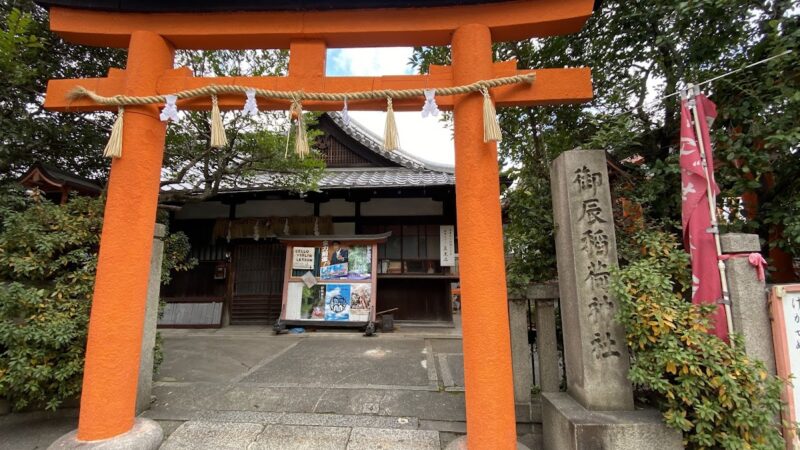
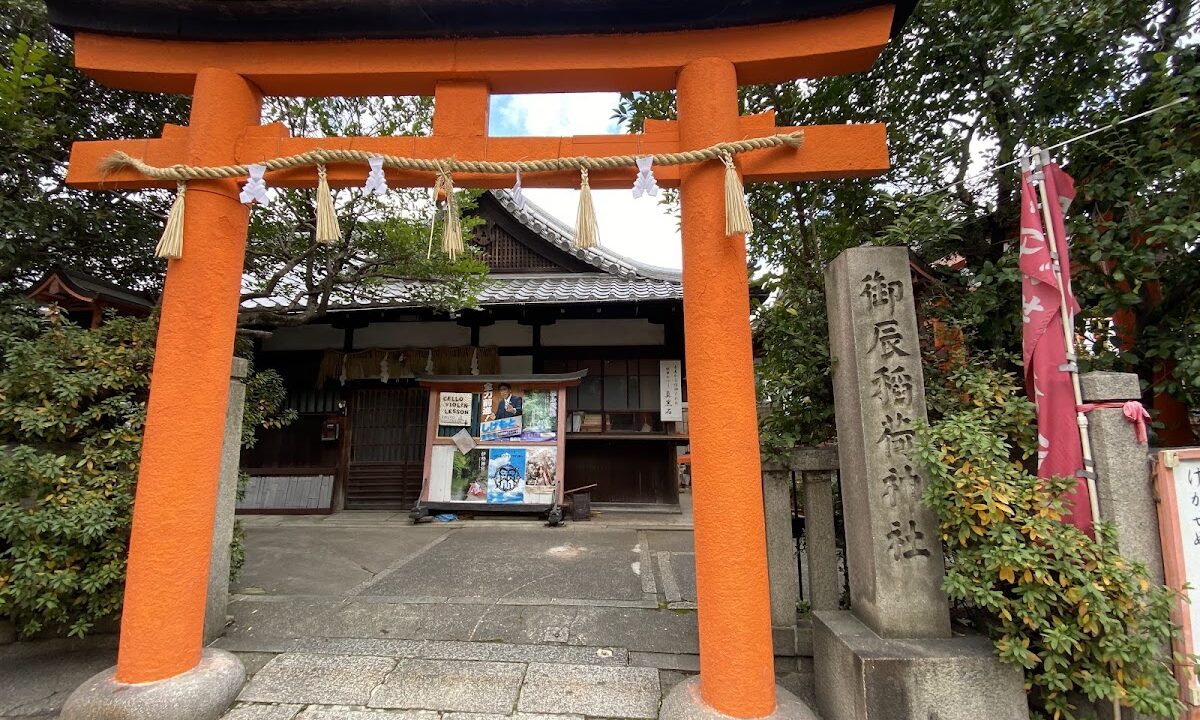
The shrine grounds are lined with vermilion torii gates, typical of Inari shrines, guiding visitors into the sacred area. Although small in scale, it exudes a distinctly Kyoto atmosphere.
Goshuin (Shrine Seal) Information
About the Issuance of Goshuin
Goshuin (shrine seals) are available at Otatsu Inari Shrine. Many visitors receive them as a memento of their visit and as proof of their connection with the deity.
Issuance Hours
Goshuin are generally issued from 9:00 AM to around 4:00 PM, but this may vary depending on the shrine’s circumstances. If you wish to be sure to receive a goshuin, it is recommended to confirm by phone in advance.
About Goshuincho (Shrine Seal Books)
If you do not have a goshuincho, it may be available at the shrine. A visit to Otatsu Inari Shrine could be a good opportunity to begin your goshuin pilgrimage.
Basic Information
Location
Address: 29-1 Shogoin Entonbi-cho, Sakyo-ku, Kyoto City, Kyoto Prefecture
Otatsu Inari Shrine is located in the Shogoin area of Sakyo-ku, Kyoto City. It is situated north of Heian Jingu Shrine and close to Kumano Shrine, making it easily accessible during Kyoto sightseeing.
Phone Number
TEL: 075-771-9349
For inquiries regarding visiting hours, the issuance of Goshuin (shrine stamps), prayers, etc., please contact the above phone number.
Visiting Hours
While entry to the shrine grounds is generally unrestricted, the shrine office is open from approximately 9:00 AM to 4:00 PM. However, these hours may change due to shrine events or other circumstances. Therefore, it is recommended to check in advance if you wish to be sure to receive Goshuin or other items.
Admission Fee
Admission Fee: Free
There is no admission fee to enter the shrine grounds. Anyone can freely visit. ## Access Methods
Otatsu Inari Shrine can be accessed using public transportation. It is easily accessible from Kyoto city center and is also conveniently located for walking.
Nearest Station/Line
Keihan Electric Railway Oto Line “Jingu-Marutamachi Station”
Travel Time: Approximately 7-11 minutes on foot
The nearest station is Jingu-Marutamachi Station on the Keihan Electric Railway Oto Line. From the station, head east along Marutamachi Street, then north along Kawabata Street, or towards Kumano Shrine. It takes approximately 7 to 11 minutes on foot. This distance allows you to enjoy the Kyoto cityscape while walking.
Kyoto Municipal Subway Tozai Line “Higashiyama Station”
Travel Time: Approximately 10 minutes on foot
It is also accessible on foot from Higashiyama Station on the Kyoto Municipal Subway Tozai Line. Head north from the station, and it takes approximately 10 minutes on foot. This route is convenient for visiting in conjunction with sightseeing in the Heian Shrine and Okazaki area.
Nearest Bus Stop and Route
Kyoto City Bus “Kumano Shrine Mae” Bus Stop
Travel Time: Approximately 2-3 minutes on foot
The closest bus stop to the shrine is the Kyoto City Bus “Kumano Shrine Mae” bus stop. From the bus stop, it’s a few minutes’ walk east along Marutamachi Street. It’s a convenient route for tourists as it’s accessible by city bus from major areas of Kyoto, such as Kyoto Station and Shijo Kawaramachi.
Available Routes:
- City Bus Route 3
- City Bus Route 201
- City Bus Route 206
Several routes pass through Kumano Shrine Mae.
Walking Access Route
It’s also within walking distance of major tourist attractions in Kyoto.
- From Heian Jingu Shrine: Approximately 10-15 minutes on foot
- From Kyoto Imperial Palace: Approximately 20 minutes on foot
- From the Philosopher’s Path: Approximately 15-20 minutes on foot
The location is easily accessible during your Kyoto sightseeing.
Parking Information
Otatsu Inari Shrine does not have its own parking lot. If you are coming by car, please use a nearby coin-operated parking lot. However, parking lots in central Kyoto are often crowded, so we recommend using public transportation.
Nearby Tourist Attractions
Many of Kyoto’s representative tourist attractions are located around Otatsu Inari Shrine. Visiting them in conjunction with your visit to the shrine will allow you to enjoy a more fulfilling Kyoto sightseeing experience.
Heian Jingu Shrine
Distance: Approximately 10 minutes on foot
Heian Jingu Shrine, built to commemorate the 1100th anniversary of the transfer of the capital to Heian-kyo (Kyoto), is characterized by its vermilion torii gate and vast shrine garden. Enjoy the beauty of each season: cherry blossoms in spring, irises in early summer, and autumn leaves.
Kumano Shrine
Distance: Approximately 2-3 minutes on foot
Located very close to Otatsu Inari Shrine, Kumano Shrine is known for its blessings of matchmaking and safe childbirth. It is one of the “Three Kumano Shrines of Kyoto” and is beloved by locals.
Nanzen-ji Temple
Distance: Approximately 15 minutes on foot
Nanzen-ji Temple, the head temple of the Rinzai sect’s Nanzen-ji branch, is a temple with many attractions, including its magnificent Sanmon gate and aqueduct. It is especially crowded with tourists during the autumn foliage season.
Philosopher’s Path
Distance: Approximately 15 minutes on foot
This approximately 2km walking path stretches from Ginkaku-ji Temple to Wakaoji Shrine, and is particularly famous for its cherry blossom trees in spring. Enjoy a stroll while experiencing the quintessential Kyoto atmosphere.
Kyoto City Zoo
Distance: Approximately 10 minutes on foot
Kyoto City Zoo, the second oldest zoo in Japan, is a popular spot for families. Despite its compact size, you can see a variety of animals.
Kyoto National Museum of Modern Art
Distance: Approximately 12 minutes on foot
Located near Heian Shrine, it primarily exhibits modern Japanese art. With a variety of special exhibitions, it’s a must-see for art lovers.
Manners and Etiquette for Visiting Shrines
How to Pass Through a Torii Gate
The torii gate is the entrance to the sacred area. Before passing through the torii gate, bow to show respect to the gods. Since the center of the path is considered the gods’ passageway, it is considered polite to walk along the side.
Proper Ritual for Washing Hands
- Take the ladle with your right hand and wash your left hand.
- Switch the ladle to your left hand and wash your right hand.
- Take the ladle again with your right hand, receive water in your left hand, and rinse your mouth.
- Wash your left hand once more.
- Hold the ladle upright, let the water flow over the handle, and return it to its original place.
Proper Ritual for Worship
- Stand in front of the offering box and bow slightly.
- Gently place your offering in the box.
- If there is a bell, ring it.
- Perform the two bows, two claps, one bow ritual (two deep bows, two claps, one deep bow).
- Recite your wish silently in your heart.
Annual Events and Festivals
At Otatsu Inari Shrine, various festivals are held throughout the year. Traditional Inari shrine events such as Hatsumode (first shrine visit of the year), Setsubun Festival, and the Grand Festival are held. Especially on the first day of the Horse in February, important festivals are held at the Inari shrine, attracting many worshippers.
New Year’s Visit
For the first visit of the New Year, worshippers come to pray for the fulfillment of their wishes and improvement in their artistic skills. Despite being a small shrine, local people and those involved in the arts visit to offer New Year’s greetings.
First Horse Festival
The First Horse Festival is one of the most important festivals at the Inari shrine. Held on the first day of the Horse in February, it is a prayer for a bountiful harvest and business prosperity.
Points to Note When Visiting Otatsu Inari Shrine
Recommended Time to Visit
While Otatsu Inari Shrine can be visited throughout the year, there are particularly recommended times.
Spring (March-May): Visiting during Kyoto’s cherry blossom season allows you to enjoy surrounding tourist attractions as well. Visiting in conjunction with the cherry blossoms at Heian Shrine and the Philosopher’s Path is highly recommended.
Autumn (October-November): The entire city of Kyoto is beautifully colored during the autumn foliage season. It’s ideal to visit in conjunction with nearby autumn foliage spots such as Nanzen-ji Temple and Eikan-do Temple.
Weekday Mornings: For those who wish to visit in peace, weekday mornings are recommended. There are fewer tourists, allowing you to make your wish at the black stone at your leisure.
Estimated Time Required
Visiting Otatsu Inari Shrine takes approximately 15-30 minutes. Even including visiting the main hall, making a wish at the black stone, strolling around the grounds, and receiving a Goshuin (shrine stamp), an hour is more than enough time to fully enjoy the experience. Its location makes it easy to plan a visit in conjunction with other nearby tourist attractions.
Clothing and Items to Bring
While no special attire is required for visiting the shrine, clean and modest clothing is desirable as a sign of respect for the deities. Especially in summer, the sun is strong, so a hat or parasol is useful. Also, if you wish to receive a Goshuin, please remember to bring your Goshuincho (stamp book).
Regarding Photography
Photography is generally permitted on the shrine grounds, but please be considerate of other visitors. It is considered good manners to refrain from taking photos inside the main hall or during religious ceremonies.
The Charm of Otatsu Inari Shrine
Quiet and Peaceful Atmosphere
One of the greatest charms of Otatsu Inari Shrine is its tranquil atmosphere. Despite its location near major tourist attractions in Kyoto, the grounds are quiet and peaceful, allowing for a calm and peaceful visit. Unlike large shrines crowded with tourists, it offers a space where you can quietly connect with the deities.
Clear Benefits for Artistic Improvement
The benefit of improving artistic skills, derived from enshrining Ame-no-Uzume-no-Mikoto, holds special significance for those involved in arts or performing arts. For those with a specific wish to hone or improve a skill, this shrine is worth visiting.
Unique Wish-Making Experience with the Black Stone
Making a wish at the black stone is a unique experience only available at Otatsu Inari Shrine. The method of predicting the fulfillment of wishes based on the weight of a stone leaves a strong impression on visitors and serves as motivation to continue efforts toward fulfilling their wishes.
Accessibility
Located within walking distance of major tourist attractions in Kyoto City, and easily accessible by public transportation. Its convenient location, easily combined with visits to popular tourist spots such as Heian Shrine, Nanzen-ji Temple, and the Philosopher’s Path, is a major draw.
Summary
Otatsu Inari Shrine is a historical shrine founded by imperial decree of Emperor Higashiyama, and is a hidden power spot in Kyoto known for its blessings of artistic improvement and wish fulfillment. Despite its small size, it is a charming shrine full of appeal, with its unique features such as making wishes on a black stone, the diverse divine blessings of the three deities, and the quiet and peaceful atmosphere of the grounds.
Its excellent location in the Shogoin area of Sakyo Ward, Kyoto City, makes it easily accessible in combination with nearby tourist attractions such as Heian Shrine and Nanzen-ji Temple, which is a significant advantage. Easily accessible on foot or by public transport, and requiring only about 30 minutes for a visit, it’s perfect for a quick stop during your Kyoto sightseeing.
If you have a desire to hone a skill, achieve a goal, or forge a new path in life, be sure to visit Otatsu Inari Shrine. The shrine’s history, beginning with a divine dream involving a white fox, and the tradition of making wishes embodied in the jet-black stone, are sure to support your desires.
In Kyoto, a city steeped in history and tradition, Otatsu Inari Shrine quietly but surely continues to receive people’s wishes. Within its small grounds, the power of faith dating back to the Edo period intersects with the wishes of us living in the modern age. When you visit Kyoto, why not stop by this special shrine and forge a connection with the gods?