Complete Guide to Sannomiya Tenmangu Shrine (Kyoto Prefecture) | History, Deities, Access, and Goshuin Information
Sannomiya Tenmangu Shrine, located in the Kashihara district of Nishikyo Ward, Kyoto City, is a shrine dedicated to Sugawara no Michizane, known as the god of learning. Along with the adjacent Kashihara Sannomiya Shrine, it is a center of local faith and is deeply revered by parishioners as the ancestral deity of education. This article provides a detailed introduction to Sannomiya Tenmangu Shrine, including its history, deities, highlights within the grounds, access methods, and goshuin (shrine stamp) information.
What is Sannomiya Tenmangu Shrine?
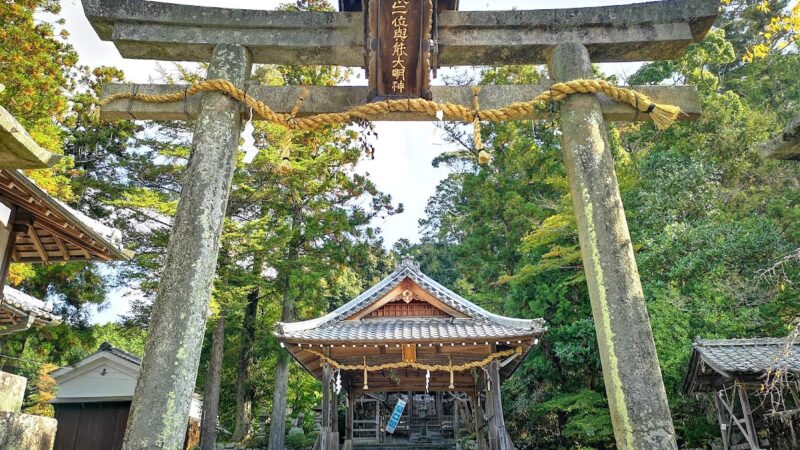
Sannomiya Tenmangu Shrine is located in Kashihara Sugihara-cho, Nishikyo Ward, Kyoto City, and is built adjacent to the grounds of Kashihara Sannomiya Shrine. Although a relatively new shrine, founded in 1972 (Showa 47), its historical background dates back over 1000 years.
Characteristics of the Shrine
The most distinctive feature of Sannomiya Tenmangu Shrine is that it is the guardian deity of the local area and a revered deity of education, attracting deep-rooted faith in the region. Many worshippers visit to pray for academic success and passing exams, especially during exam season when local students and their parents come to pray.
The shrine grounds are adjacent to Kashihara Sannomiya Shrine, and many people visit both shrines together. Despite being located in a quiet residential area, it maintains a solemn atmosphere and serves as a spiritual pillar for the community.
History of Sannomiya Tenmangu Shrine
A Place of Worship from a Thousand Years Ago
The history of Sannomiya Tenmangu Shrine’s current location dates back over 1000 years. At that time, the current site of Sannomiya Tenmangu Shrine was considered sacred ground, and there was a shrine dedicated to Sugawara no Michizane. This area has long been a center of faith in the Kashihara district and has functioned as a spiritual anchor for the local residents.
Relationship with Kashihara Sannomiya Shrine
Originally, Sannomiya Tenmangu Shrine existed as a subsidiary shrine within the grounds of Kashihara Sannomiya Shrine. Kashihara Sannomiya Shrine is the principal guardian shrine of the Kashihara area, enshrining three deities: Susanoo-no-Mikoto, Sakatoke-no-Kami, and Oyamakui-no-Kami.
While the Tenmangu Shrine had long been revered by the community as a subsidiary shrine, its particularly strong reverence as a guardian deity of the local area and as an ancestral deity of education led to the need for an independent shrine building.
Founded in 1972
Due to the fervent faith and requests of local residents, Sannomiya Tenmangu Shrine was newly established in 1972 (Showa 47). Having its own independent shrine building made the worship of Sugawara no Michizane more clearly defined, making the shrine more accessible to worshippers seeking academic success and the advancement of education.
Even now, more than 50 years after its founding, it is carefully preserved by local parishioners and worshippers, and various festivals are held throughout the year.
About the Deity: Sugawara no Michizane
God of Learning
The deity enshrined at Sannomiya Tenmangu Shrine is Sugawara no Michizane. Sugawara no Michizane was a scholar and politician of the Heian period, known for his outstanding learning and honest character. He rose to the position of Minister of the Right, but was exiled to Dazaifu due to a conspiracy by the Fujiwara clan, where he died in 903.
After his death, various calamities occurred in Kyoto, leading to the construction of Kitano Tenmangu Shrine to appease Michizane’s vengeful spirit. Since then, he has been revered throughout Japan as “Tenjin-sama.” He is particularly revered as the god of learning and literature, and is currently believed to bring blessings for passing entrance exams, academic success, and improvement in calligraphy.
Reverence as the Ancestor of Education
At Sannomiya Tenmangu Shrine, Sugawara no Michizane is especially revered as the “ancestor of education.” This means he is worshipped not merely as the god of learning, but as the god who presides over education in general, the promotion of culture, and the dissemination of knowledge.
He is revered by local school educators and those involved in cultural activities, and the shrine serves as a place to pray for the development of education and the healthy growth of children.
Highlights of the Shrine Grounds
Main Hall and Worship Hall
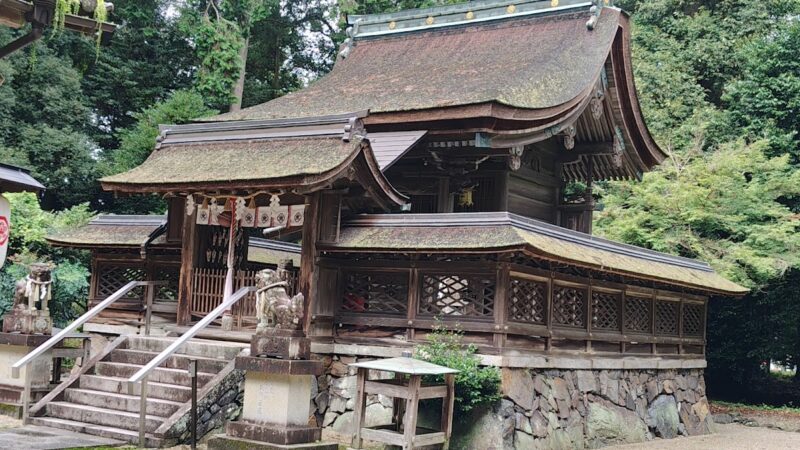
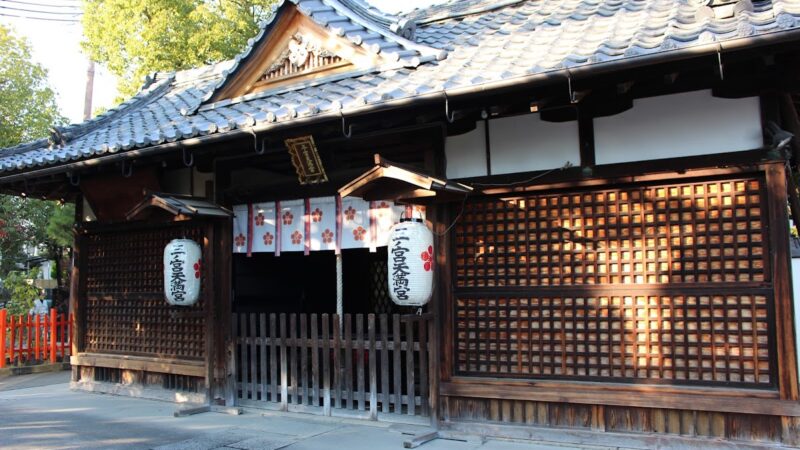
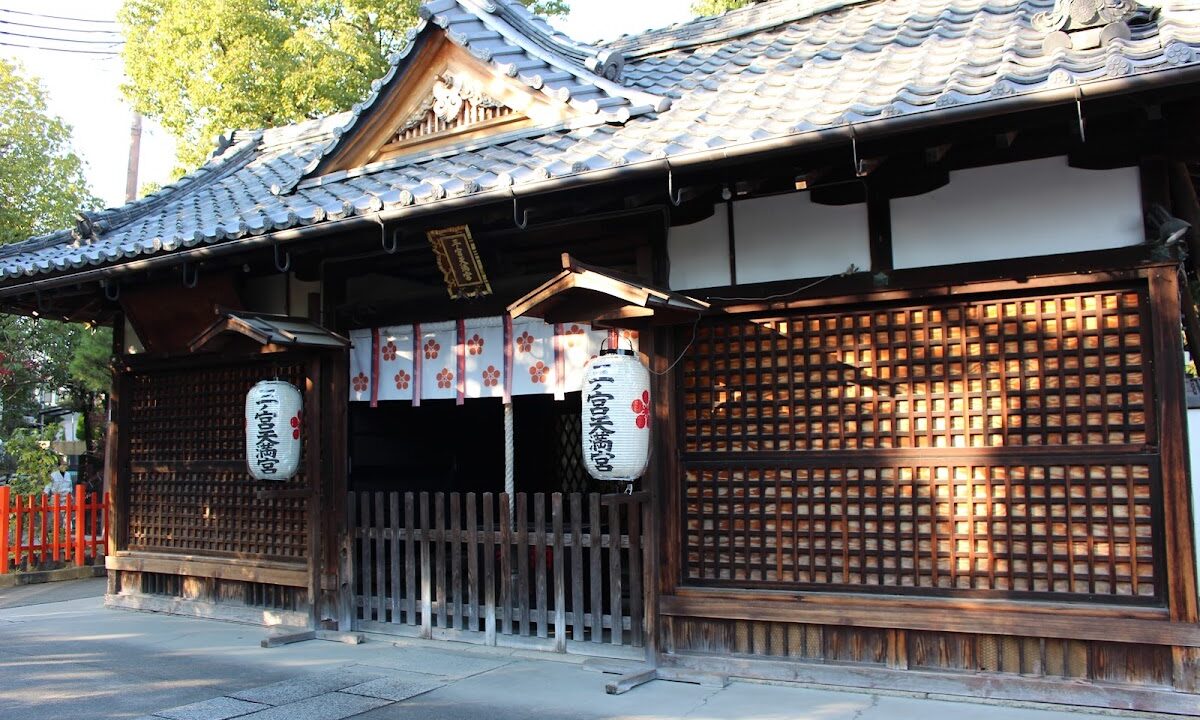
The main hall of Sannomiya Tenmangu Shrine was built in 1972 when the shrine was founded, and follows traditional shrine architectural styles. Although small in scale, the meticulous construction and the cleanly maintained grounds are impressive.
In the worship hall, numerous ema (votive tablets) for academic success and passing exams are dedicated, reflecting the deep faith of the local people. Especially during exam season, the main hall is adorned with ema (votive tablets) written by students and their guardians.
Grounds of Kashihara Sannomiya Shrine
Sannomiya Tenmangu Shrine is adjacent to Kashihara Sannomiya Shrine, allowing visitors to worship at both shrines together. Within the grounds of Kashihara Sannomiya Shrine stands an ancient oak tree, the origin of the place name, evoking a sense of history.
By visiting both shrines, it is believed that one can receive the blessings of both the gods of martial arts, sake brewing, and mountains, as well as the god of learning. Many visitors make the pilgrimage to both shrines.
A Sanctuary in a Quiet Residential Area
The grounds of Sannomiya Tenmangu Shrine are located in a quiet residential area of Nishikyo Ward, Kyoto City. It offers a peaceful environment away from the hustle and bustle of the city, allowing for a tranquil worship experience. The grounds are carefully maintained by local residents, creating a clean and refreshing space.
Access Information
Basic Information
Address: 12-1 Kashihara Sugihara-cho, Nishikyo-ku, Kyoto City, Kyoto Prefecture 615-8151
Phone Number: 075-381-5230
Admission Fee: Free
Visiting Hours: Grounds are freely accessible
Access by Train
The nearest station to Sannomiya Tenmangu Shrine is Katsura Station on the Hankyu Kyoto Line.
- Get off at Katsura Station on the Hankyu Kyoto Line and walk for approximately 20 minutes.
- Head west from the west exit of Katsura Station towards the Kashihara area.
- As the route passes through a residential area, it is recommended to check a map beforehand.
Access by Bus
If using Kyoto City Buses, it is possible to access the shrine on foot from the nearest bus stop. However, since the number of buses may be limited, it is recommended to check the timetable beforehand.
Access by Car
While it is possible to visit by private car, dedicated parking may be limited. Since the surrounding area is residential, please avoid street parking and use nearby paid parking lots or public transportation.
Goshuin (Shrine Seal) Information
Issuance of Goshuin
Sannomiya Tenmangu Shrine offers goshuin (shrine seals). Since this is often handled at a shared office with Kashihara Sannomiya Shrine, it is recommended to check upon arrival.
The goshuin will include the shrine name and date of visit, and will bear the shrine’s seal. Bringing your goshuincho (seal book) may allow for direct writing.
Issuance Hours
Goshuin are generally issued during daytime hours. However, since the chief priest may be absent, it is recommended to call ahead to confirm if you wish to receive a goshuin.
Annual Events and Festivals
Main Festivals
Sannomiya Tenmangu Shrine holds various festivals throughout the year. Events related to the death anniversary of Sugawara no Michizane and festivals praying for academic success are particularly important.
Special Prayers During Exam Season
Every year during exam season, the number of visitors praying for success increases. Many students and their parents visit, offering votive tablets for academic success and passing exams, and receiving amulets.
The shrine has strong ties with local schools, and visits are sometimes included as school events.
About the Katagihara Area
Origin of the Place Name
The place name Katagihara originates from the fact that many oak trees grew in this area. An ancient oak tree, which gave the place its name, still remains on the grounds of Katagihara Sannomiya Shrine, telling the story of the region’s history.
A Historic Area
The Katagihara area is a historic area that has existed since the Heian period. This area is said to be connected to the legend of Minamoto no Yorimitsu, a military commander of the Heian period, who defeated demons on Mt. Oe (Mt. Oe), and has long been known as a place of faith and tradition.
Although it is now a quiet residential area, traces of history remain in the shrines, temples, and old place names.
Nearby Attractions
Kashihara Sannomiya Shrine
Adjacent to Sannomiya Tenmangu Shrine, Kashihara Sannomiya Shrine is the guardian shrine of the Kashihara area. It enshrines three deities: Susanoo-no-Mikoto, Sakatoke-no-Kami, and Oyamakui-no-Kami, and is revered as a god of martial prowess, sake brewing, and mountains.
The shrine grounds contain ancient oak trees, creating a historical atmosphere. Visiting both Sannomiya Tenmangu Shrine and Kashihara Sannomiya Shrine will make for a more fulfilling pilgrimage experience.
Katsura Area
The area around Hankyu Katsura Station, the nearest station, is well-equipped with commercial facilities and restaurants. You can enjoy meals and shopping before or after your visit to the shrine.
Kyoto Nishiyama Area
The Nishikyo Ward, where Sannomiya Tenmangu Shrine is located, is situated in the Kyoto Nishiyama area and boasts a rich natural environment. Famous temples and shrines such as Matsuo Taisha, Suzumushi-dera, and Koke-dera (Saiho-ji) are also nearby, and visiting them together is highly recommended.
Manners and Points for Visiting Shrines
Basic Shrine Visit Etiquette
Please observe the basic etiquette for visiting a shrine.
- Bow before passing through the torii gate
- Cleanse your hands and mouth at the temizuya (water basin)
- Bow twice, clap twice, and bow once in front of the main hall
- Quietly stroll around the shrine grounds
- Bow once again at the torii gate when leaving
Dedication of Ema (Votive Tablets)
You can dedicate ema for academic success or passing exams. Hang the ema with your wish written on it in the designated place. Be careful not to include personal information.
Quiet Worship
Since Sannomiya Tenmangu Shrine is located in a residential area, please be quiet and considerate of the surrounding residents when visiting.
The Charm of Sannomiya Tenmangu Shrine
A Faith Rooted in the Community
The greatest charm of Sannomiya Tenmangu Shrine is that it is a place of worship deeply rooted in the community. Unlike large tourist shrines, it has a warm atmosphere as a shrine closely connected to the daily faith of local residents.
A Place for Prayers for Academic Achievement
As a Tenmangu shrine dedicated to Sugawara no Michizane, it is known as a shrine with miraculous powers for academic achievement and prayers for passing exams. Compared to large shrines like Kitano Tenmangu Shrine, it allows for quieter worship, making it suitable for those who want to pray in peace.
Visiting Two Shrines at Once
By visiting both Sannomiya Tenmangu Shrine and the adjacent Kashihara Sannomiya Shrine, you can receive a variety of blessings at once. It is a unique combination where you can worship both the god of martial arts, sake brewing, and mountains, and the god of learning.
Summary
Sannomiya Tenmangu Shrine is a shrine located in the Kashihara district of Nishikyo Ward, Kyoto City, dedicated to Sugawara no Michizane. Although founded in 1972, its history of worship dates back over 1000 years, and it is deeply revered as the guardian deity of the region and the ancestral god of education.
Despite being located in a quiet residential area, it attracts many worshippers praying for academic success and passing exams, and especially during exam season, it becomes a place of prayer for local students and their parents. Visiting it together with the adjacent Kashihara Sannomiya Shrine provides a more fulfilling worship experience.
It is easily accessible, about a 20-minute walk from Hankyu Katsura Station, and is recommended as part of a shrine tour in the Kyoto Nishiyama area. Why not quietly pray for academic success at this warm, community-rooted shrine?