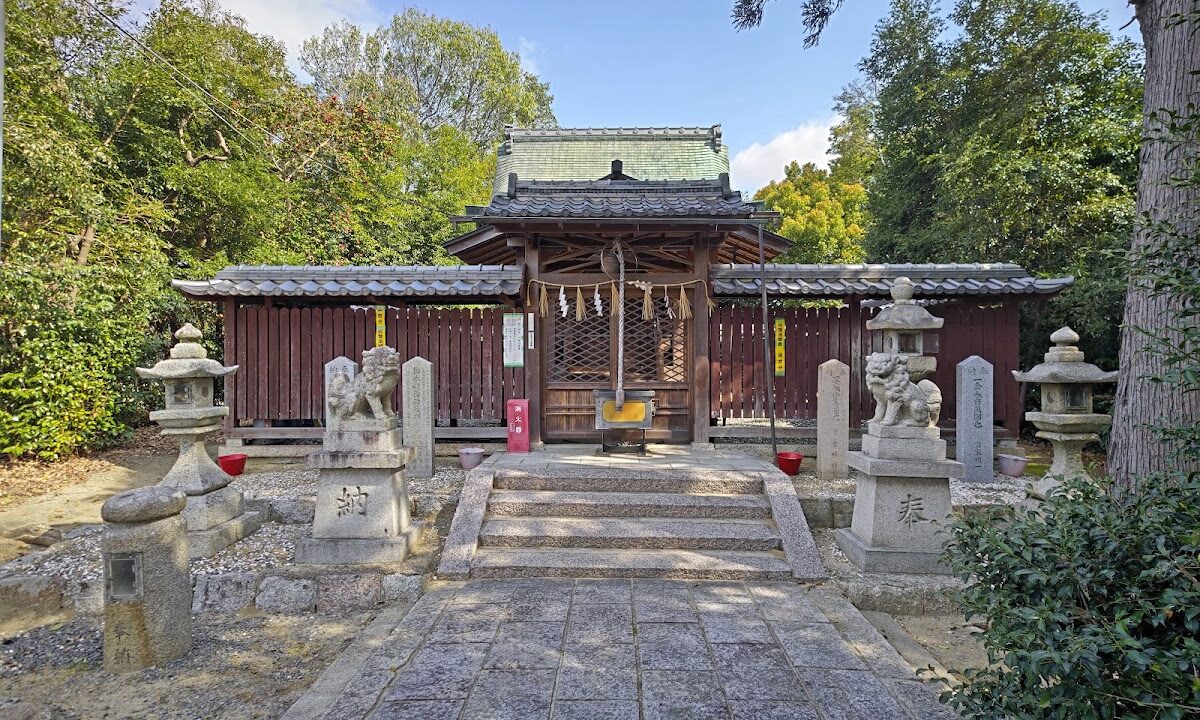
Muroki Shrine (Kumiyama Town, Kyoto Prefecture) Complete Guide: The History Associated with Emperor Shomu and the Charm of the Yagata Mochi Ritual
Muroki Shrine, located along the Kizu River in Kumiyama Town, Kuse District, Kyoto Prefecture, is a historic shrine founded during the Nara period by imperial decree of Emperor Shomu. It has been deeply revered by local residents as the guardian deity of the Shimotsuya district, which prospered from water transport on the Kizu River. This article provides a detailed introduction to Muroki Shrine, including its history, enshrined deities, unique rituals, and information on visiting.
History and Founding of Muroki Shrine
Founded by Imperial Decree of Emperor Shomu
The founding of Muroki Shrine dates back to the Nara period, to the Jinki era (724-729) of Emperor Shomu. According to the “Kuse District Shrine Records,” at that time, a great flood occurred in neighboring provinces, causing widespread famine. Concerned by this tragic situation, Emperor Shomu issued an imperial decree to enshrine the gods of heaven and earth in this area, which is considered the beginning of the shrine.
The gods of heaven and earth refer to the Amatsukami (heavenly gods) and Kunitsukami (earthly gods), that is, all the gods of heaven and earth. Emperor Shomu is known for his deep faith in Buddhism, but he also valued Shinto beliefs and had shrines built throughout the country to pray for the peace of the nation and the safety of the people. Muroki Shrine was founded as part of this effort.
Kizu River Water Transport and the Shimotsuya District
The Shimotsuya district, where Muroki Shrine is located, is a settlement that developed along the Kizu River, which was a major waterway connecting to the capital from the Nara period onward. The Kizu River is an important tributary of the Yodo River system and was a major artery for transporting goods between the capitals of Nara and Kyoto and Osaka Bay.
The Shimotsuya district flourished greatly from the water transport industry, becoming a bustling port town with many ships coming and going. Therefore, within the shrine grounds, there is a subsidiary shrine dedicated to Sumiyoshi, the god of water transport, making it a place to pray for safe voyages and the prosperity of the water transport industry. Located on the eastern side of the settlement, which stretches in a long, narrow strip along the right bank of the Kizu River, Muroki Shrine truly conveys the history of Shimotsuya, which prospered from water transport.
Floods and the Loss of the Shrine Buildings in the Edo Period
A major turning point in the history of Muroki Shrine was the collapse of the Kizu River levee in 1630 (Kanei 7) during the early Edo period. This great flood swept away the original shrine buildings along with their records.
The current shrine building was rebuilt after the flood, but it is said to be smaller in scale than the previous one. Interestingly, it is still said to be a “temporary shrine,” perhaps reflecting the hope of one day rebuilding a shrine building of its original size. This history is also a story of the hardships and recovery of the people of this region who have lived alongside the great Kizu River.
Deities and Blessings
Main Deities
The following four deities are enshrined at Muroki Shrine:
Ninigi-no-Mikoto
The grandson of Amaterasu-Omikami and the principal deity of the descent of the heavenly grandchild. He is believed to bestow blessings of abundant harvests, national peace and security, and business prosperity.
Susanoo-no-Mikoto
The brave god who defeated Yamata-no-Orochi. Known for blessings of protection against misfortune, eradication of disease, and matchmaking.
Ōsazaki-no-Mikoto
The 16th Emperor Nintoku. Known for his benevolent rule, exemplified by the anecdote of the smoke from the people’s hearths, he bestows blessings of stability for the people and abundant harvests.
Kagutsuchi-no-Mikoto
God of Fire. Believed to bring protection from fire and promote industrial development.
Expected Benefits
At Muroki Shrine, you can expect the following benefits from the divine virtues of the enshrined deities:
- Prayer for Abundant Harvest: As a shrine located in an agricultural area, it has long been a place of deep faith in praying for a bountiful harvest.
- Protection from Epidemics and Misfortune: Due to its history of being founded by Emperor Shomu to pray for the eradication of epidemics.
- Safety on Water and Navigation: Because it has Sumiyoshi Shrine, the god of water transport, as a subsidiary shrine.
- Business Prosperity: As the guardian deity of a region that prospered from the water transport industry.
- Family Safety and Community Peace: As the local tutelary deity, it protects the residents.
Yagata Mochi Ritual: A Traditional Event of Muroki Shrine
Spring Festival and Yagata Mochi Ritual
The most distinctive event at Muroki Shrine is the “Yagata Mochi Ritual,” held annually on March 6th as part of the Spring Festival. This Shinto ritual is unique in that it involves carrying rice cakes shaped like bows and arrows on a platform to the shrine. It is a significant traditional event in the region.
Origin of the Arrow-Shaped Rice Cake Ritual
The origin of the Arrow-Shaped Rice Cake Ritual is based on a story involving Emperor Shomu and the founding of Muroki Shrine. Legend says that Emperor Shomu offered a bow and arrow when praying for the eradication of famine and disease in Yamashiro Province. It is said that the practice of offering arrow-shaped rice cakes to the shrine began to commemorate this event.
Bows and arrows have long been believed to possess spiritual power to ward off evil and dispel negative energy. Furthermore, a bow and arrow hitting a target symbolizes achieving goals and fulfilling wishes. Rice cakes symbolize a bountiful harvest and vitality, and offering rice cakes in the shape of a bow and arrow signifies a simultaneous prayer for the eradication of disease and a good harvest.
Characteristics and Significance of the Ritual
The Yagata Mochi Ritual is unique in that it’s not simply an offering of mochi (rice cakes), but rather the mochi is carried to the shrine on a special platform called a “tsuridai.” This solemn procedure speaks to the high status of the ritual.
For local residents, this ritual is an important event that heralds the arrival of spring and is a precious opportunity to pray for a bountiful harvest and peace in the community. The fact that this tradition, which has continued since the Nara period, has been passed down without interruption to the present day demonstrates the deep faith of the local people.
Highlights of the Shrine Grounds
Tsuya Forest: A Bird’s Paradise
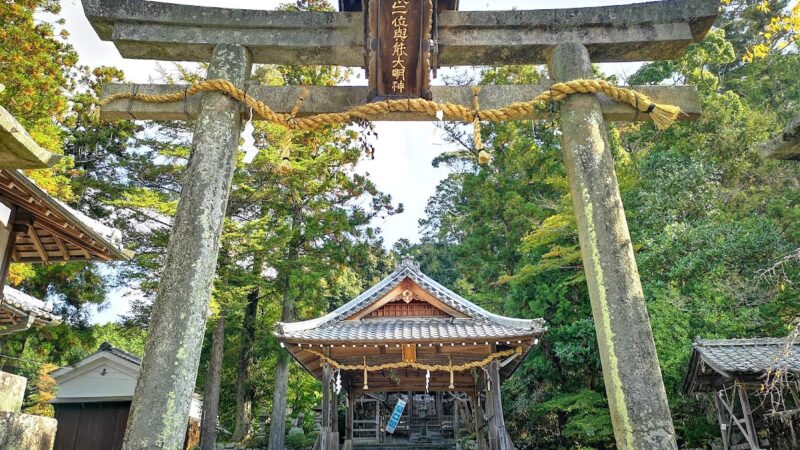
The grounds of Muroki Shrine are called “Tsuya Forest” and boast a vast area of approximately 1100 tsubo (approximately 3,636 square meters). This forest is a true “bird’s paradise,” with the chirping of small birds never ceasing throughout the year.
In the increasingly urbanized southern part of Kyoto Prefecture, such a place with abundant nature remaining is precious. Enjoying the changing seasons and listening to the birdsong will provide a moment of healing that allows you to forget the hustle and bustle of everyday life.
Main Shrine and Sanctuary
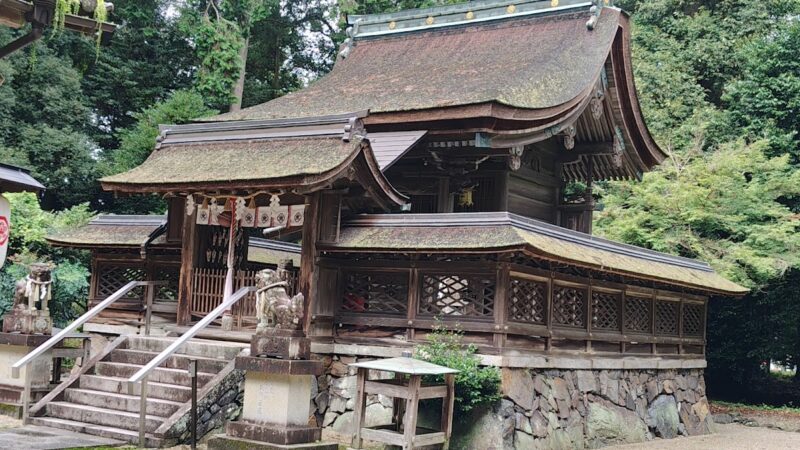
The current main shrine was rebuilt after the flood of 1630. Although smaller in scale than before, it is carefully preserved as a sacred place that attracts the faith of the local people.
The wooden sanctuary is simple yet dignified, exuding a sense of long history. The grounds are enveloped in a tranquil atmosphere, and a leisurely visit will bring peace of mind.
Subsidiary Shrine: Sumiyoshi Shrine
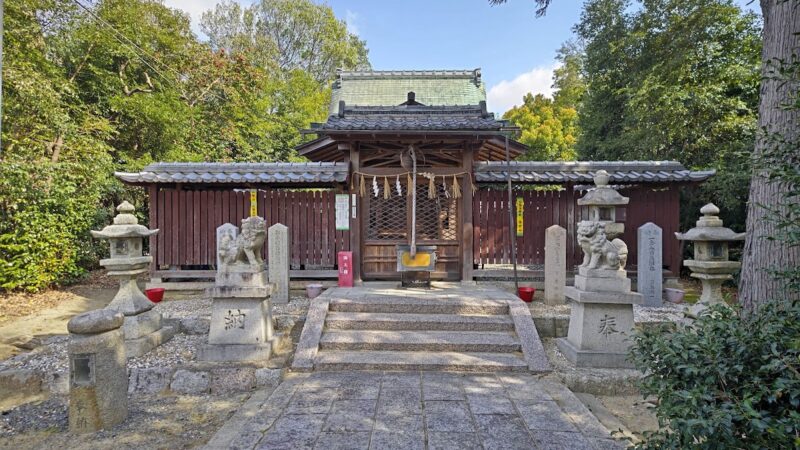
The Sumiyoshi Shrine, enshrined as a subsidiary shrine within the grounds, enshrines the three Sumiyoshi deities, gods of water transport. It is a subsidiary shrine unique to the Shimotsuya district, which prospered from water transport on the Kizu River, and has played an important role as a place to pray for safe voyages and safe water transportation.
Sumiyoshi worship, with its head shrine being Sumiyoshi Taisha in Osaka, has spread throughout Japan. However, the Sumiyoshi shrine at Muroki Shrine is a place of worship imbued with the earnest wishes of water transport operators, and it continues to convey the history of the region to this day.
Goshuin (Shrine Seal) Information
Regarding the Issuance of Goshuin
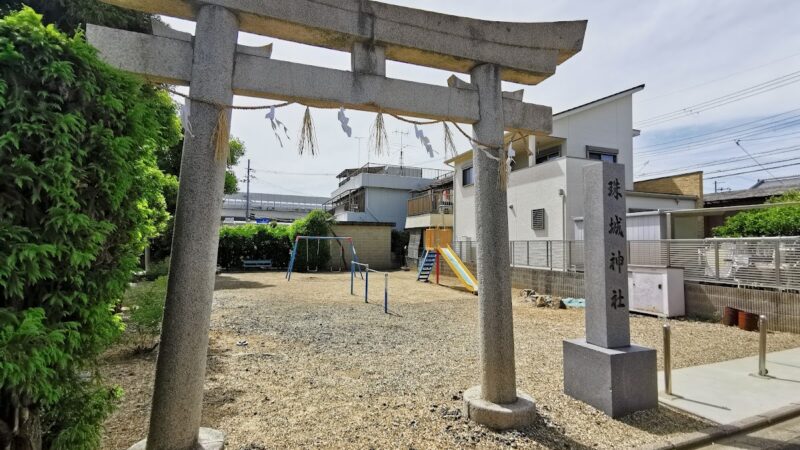
Since Muroki Shrine does not have a permanent shrine office, you can receive the goshuin at Tamada Shrine (55 Sayama Futaguri, Kumiyama-cho, Kuse-gun, Kyoto Prefecture), which is managed by the shrine in question.
The chief priest of Tamada Shrine also manages Muroki Shrine, so you can receive the goshuin by visiting Tamada Shrine after visiting Muroki Shrine. Those collecting goshuin are recommended to visit both shrines.
Points to Note When Receiving a Goshuin (Shrine Stamp)
- You must visit during the hours when the Tamada Shrine office is open.
- It is best to call ahead to confirm before visiting.
- Bring your Goshuincho (stamp book).
- Prepare the offering fee (usually around 300 yen).
- Remember to pray respectfully and express your gratitude.
Access and Visiting Information
Location
Address: 98-1 Muronojo, Shimotsuya, Kumiyama-cho, Kuse-gun, Kyoto 613-0036
Access by Public Transportation
Nearest Station: Kintetsu Kyoto Line “Kutsugawa Station”
It is approximately a 20-25 minute walk from Kutsugawa Station. Exit the station and head southwest towards the Kizugawa River. Follow the road along the Kizugawa River embankment, and you will see Tsuya no Mori (Tsuya Forest).
If using the bus, Keihan Uji Kotsu buses run to the nearest bus stop, but the number of buses is limited, so it is recommended to check the timetable in advance.
Access by Car
Approximately 10 minutes from the Kumiyama IC on the Keiji Bypass
Accessible via the prefectural road from National Route 1
There is some parking space on the temple grounds, but it is not large, so caution is advised during peak seasons. Please be considerate of the neighbors.
Visiting Hours and Admission Fee
- Visiting Hours: Grounds are freely accessible (24-hour visitation possible)
- Admission Fee: Free
- Shrine Office: No permanent staff (Goshuin stamps are available at Tamada Shrine)
Estimated Time Required for Visiting
If you plan to stroll leisurely through the grounds, allow approximately 20-30 minutes. You can spend more time strolling through the forest while listening to the birdsong.
Nearby Tourist Attractions
Tamada Shrine
Tamada Shrine, a shrine under the jurisdiction of Muroki Shrine, is another shrine worth visiting. Located in the heart of Kumiyama Town, it is revered as the guardian shrine of the region. It’s recommended to visit it when receiving a Goshuin (shrine stamp) at Muroki Shrine.
Scenery along the Kizu River
The area along the Kizu River near Muroki Shrine is a beautiful area with a peaceful rural landscape. A stroll along the embankment allows you to enjoy the changing scenery of nature throughout the seasons. The scenery along the river is particularly beautiful during the cherry blossom season in spring and the autumn foliage season, making it ideal for a walk.
Historical Sites in Kumiyama Town
Kumiyama Town also has many other historical shrines and temples. Visiting places like Futakuri Shrine will allow you to gain a deeper understanding of the region’s history and culture.
Points to Note When Visiting Muroki Shrine
A Quiet and Peaceful Visit
Muroki Shrine is not a tourist destination; it has a strong character as a local guardian shrine. Therefore, it is rarely crowded with tourists, making it a charming place to visit in a quiet environment.
Away from the hustle and bustle of the city, listening to the birdsong and rustling of the trees, the time spent quietly praying will be a valuable experience for modern people.
Visiting the Spring Festival (March 6th)
For those who want to fully experience the charm of Muroki Shrine, we recommend visiting the Spring Festival and the Yagata Mochi Ritual, held annually on March 6th. This is a valuable opportunity to see a traditional ritual that has continued since the Nara period up close.
By experiencing the traditional events that the local people have carefully preserved, you will be able to more deeply appreciate the history and the depth of faith of Muroki Shrine.
Experiencing the History of Water Transport
When visiting Muroki Shrine, take some time to reflect on the history of water transport on the Kizu River. Imagining the Kizu River, once a hub of ships traversing the waters and transporting goods, one can understand the significant role this shrine has played.
When visiting Sumiyoshi Shrine, one can sense the heartfelt prayers of water transporters for safe voyages.
Cultural Value of Muroki Shrine
A Precious Preservation of Local History
Muroki Shrine is an important cultural asset that conveys the history of Kumiyama Town. Its long history, dating back to the time of Emperor Shomu, the prosperity of the Shimotsuya district which flourished through water transport on the Kizu River, and the damage and recovery from floods during the Edo period, make it a living history book that tells the story of the region’s development.
Preservation of the Natural Environment
The vast forest within the shrine grounds, spanning approximately 1100 tsubo (about 3600 square meters), plays a vital role in preserving a precious natural environment in an increasingly urbanized area. This “bird paradise,” home to many wild birds throughout the year, is also important from the perspective of biodiversity conservation.
Preservation of Traditional Events
The unique traditional event, the Yagata Mochi Ritual, has been continuously passed down to the present day, demonstrating the strong bonds of the local community. In rural areas facing aging populations and depopulation, preserving traditional events is not easy, but at Muroki Shrine, this precious culture is preserved through the efforts of the local people.
Summary: The Charm of Muroki Shrine
Located in Kumiyama Town, Kyoto Prefecture, Muroki Shrine is a historical shrine founded by imperial decree of Emperor Shomu. As the guardian deity of a region that prospered from water transport on the Kizu River, it has long been revered by local residents.
The Yagata Mochi Ritual, held annually on March 6th, is a valuable event that preserves a tradition dating back to the Nara period. The vast grounds, approximately 1100 tsubo (about 3600 square meters), are known as “Tsuya no Mori” (Tsuya Forest) and offer a healing space where the chirping of wild birds can be heard throughout the year.
Muroki Shrine offers a quiet environment, untouched by tourism, where visitors can slowly worship while feeling the history and nature. This is a place where you can discover the charm of a local shrine, different from the famous tourist spots in Kyoto.
You can receive a Goshuin (shrine stamp) at Tamada Shrine, which is managed by the same shrine, so visiting both shrines together will allow you to gain a deeper understanding of the history and culture of Kumiyama Town.
Its convenient location, within walking distance of Kintetsu Kutsugawa Station, is another attractive feature. Why not extend your Kyoto sightseeing trip a little and visit Muroki Shrine? The time you spend calming your mind in the tranquil grounds and reflecting on its long history will surely be an unforgettable experience.