Complete Guide to Saguri Shrine (Kyoto Prefecture): A Thorough Explanation of the History and Important Cultural Properties of this Shikinaisha Shrine
Saguri Shrine, located in Sayama Saguri, Kumiyama-cho, Kuse-gun, Kyoto Prefecture, is a venerable Shikinaisha shrine listed in the Engishiki Jinmyocho (a list of shrines compiled during the Heian period). It is known as a shrine with a rich history and cultural assets, including its main hall designated as an Important Cultural Property, unique carvings, and traditional Shinto rituals. This article provides a detailed introduction to Saguri Shrine, from its history and cultural assets to information for visitors.
Basic Information on Saguri Shrine
Saguri Shrine is located in Kumiyama-cho, Kuse-gun, Kyoto Prefecture, and is a prestigious shrine with a history dating back to ancient times. Although currently surrounded by a quiet residential area, its historical value and the importance of its cultural assets attract many visitors and history enthusiasts.
Location: 55 Sayama Futakuri, Kumiyama-cho, Kuze-gun, Kyoto Prefecture
Former Shrine Rank: Gosha (Village Shrine)
Shrine Rank: Shikinaisha (Listed in the Engishiki Jinmyocho)
Deities Enshrined
Futakuri Shrine enshrines multiple deities. Amaterasu Omikami is the principal deity, and the following deities are also enshrined:
- Amaterasu Omikami
- Susanoo-no-Mikoto
- Kotoshironushi-no-Kami
- Emperor Ojin
- Hime Okami
- Emperor Nintoku
- Empress Jingu
These deities came to be worshipped in connection with Hachiman worship after the enshrinement of a divided spirit of Iwashimizu Hachimangu Shrine in the Middle Ages.
History
Ancient Founding and Status as a Shikinaisha Shrine
The founding date of Futatsuguri Shrine is unclear, but since it is listed in the “Engishiki Jinmyocho” (a list of shrines compiled in 927 during the mid-Heian period), it is thought to have existed at least as early as the beginning of the Heian period. Shrines listed in the Engishiki Jinmyocho (a list of shrines compiled in the Heian period) are called “Shikinaisha” and were considered important shrines that were recognized as having special status by the imperial court.
Records show that in the first year of the Jōgan era (859), the Futatsuguri Shrine was granted the divine rank of Junior Fifth Rank, Lower Grade. This is evidence that the imperial court at the time recognized the Futatsuguri Shrine as an important shrine.
Medieval Period: Transformation to Azumoto Hachimangu Shrine
In the medieval period, the Futatsuguri Shrine underwent a significant transformation. By enshrining a divided spirit of Iwashimizu Hachimangu Shrine, it came to be called “Azumoto Hachimangu Shrine” or “Azumoto Ippin Hachiman Daibosatsu.” During this period, influenced by the syncretism of Shinto and Buddhism, it developed as a shrine closely linked to Hachiman worship.
The place name Azumoto is an old name for this region, indicating that the Futatsuguri Shrine functioned as a central place of worship in the area.
Muromachi Period: Construction of the Current Main Hall
In 1494, during the late Muromachi period, the current main hall, designated as an Important Cultural Property, was constructed. This main hall is a valuable structure that strongly retains the characteristics of Muromachi period shrine architecture and has been carefully preserved to this day.
Edo Period and Beyond
The late Edo period geographical guide, “Miyako Meisho Zue,” describes the shrine as being “located about 20 cho west of Okubo, in Sayama Village,” indicating that it was recognized as a local landmark even then. Okubo refers to the area around the current Kintetsu Okubo Station, and the Futatsuguri Shrine was located in Sayama Village, about 2 kilometers west of there.
Following the Meiji-era separation of Shinto and Buddhism, the name was restored from Akumoto Hachimangu to Futatsuguri Shrine, and it was designated a local shrine. Since then, it has continued to be revered as the tutelary deity of the region.
Cultural Properties
Important Cultural Property: Main Hall
The greatest highlight of Futatsuguri Shrine is the main hall, which is designated as a National Important Cultural Property. Built in 1494 (Meio 3), this main hall is a valuable structure that conveys the characteristics of shrine architecture from the late Muromachi period.
Architectural Style
The main hall is built in the Sangensha Nagare-zukuri style. The roof is covered with cypress bark shingles, creating elegant curves. Recent restorations have reproduced the magnificent, vibrant colors of the time of its founding, allowing us to imagine its former appearance.
Sculpture of “Squirrel and Grapes”
Particularly noteworthy in the main hall is the sculpture of “Squirrel and Grapes” on the transom of the side panels. This sculpture is extremely intricate, vividly depicting a squirrel scampering among grapevines.
The combination of squirrels and grapes is an auspicious motif introduced from China, symbolizing fertility and prosperity of descendants. It is a valuable historical document for understanding the advanced sculptural techniques of the Muromachi period and the cultural context of the time.
Vividly Colored Decorations
The main hall is adorned with vividly colored decorations, with bright reds, greens, and golds adorning the building. These colors had faded over many years, but restoration work has revived their original splendor. The vibrant colors express authority and sanctity, while also serving to protect the building.
Other Shrine Facilities
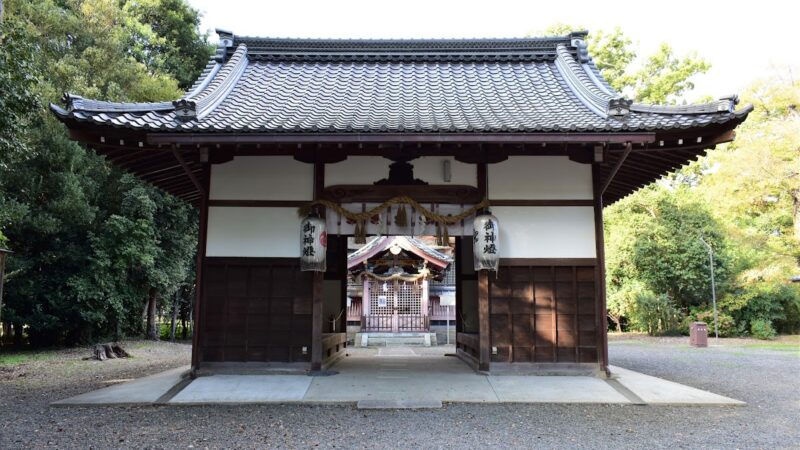
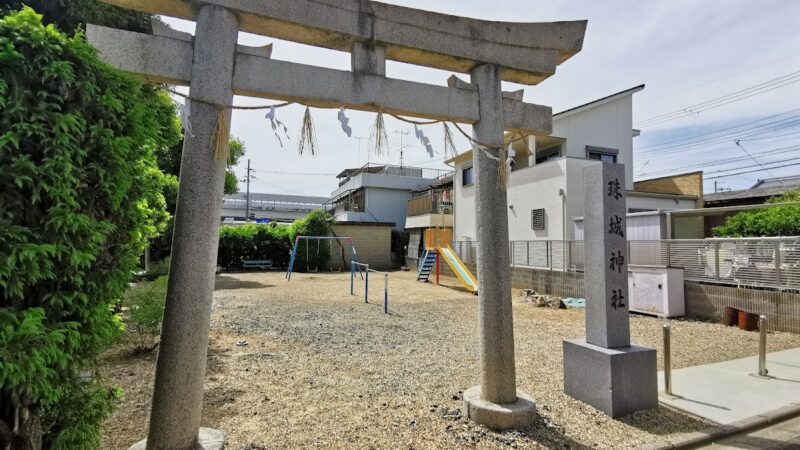
In addition to the main hall, the shrine grounds include a worship hall, a torii gate, and a purification fountain. Furthermore, a large camphor tree, estimated to be several hundred years old, stands on the grounds, telling the story of the shrine’s long history. This large camphor tree is a beloved symbol of the region, imbuing visitors with a solemn atmosphere.
Annual Events and Rituals
The Rice Porridge Cooking Rituals
At Futatsuguri Shrine, the traditional “Rice Porridge Cooking Rituals” are performed. This ritual is an important event for predicting the abundance or scarcity of the year’s harvest and is an indispensable annual event for the local residents. The ancient custom of predicting the year’s harvest from the state of the cooked rice porridge is still practiced today.
Hassaku Festival
The Hassaku Festival, held on the first day of the eighth month of the lunar calendar (Hassaku), is an important festival of Futatsuguri Shrine. Hassaku is an important time for agriculture, and the festival has been held since ancient times as a prayer for a bountiful harvest. Local people gather, and a portable shrine procession and offering ceremonies are held.
Other Annual Events
- New Year’s Day Festival: Celebrating the New Year and praying for peace throughout the year
- Spring Grand Festival: Praying for a bountiful harvest as spring arrives
- Autumn Grand Festival: Giving thanks for the harvest and offerings to the gods
These events also play a role in strengthening community bonds and are passed down through generations.
Access Information
Access by Public Transportation
Using Keihan Bus
The nearest bus stops are “Soguri Shrine Mae” or “Kumiyama Danchi-guchi”.
- Approximately 15 minutes by Keihan Bus from Kintetsu Kyoto Line “Okubo Station,” get off at “Soguri Shrine Mae” bus stop.
- Approximately 20 minutes by Keihan Bus from JR Nara Line “Joyo Station,” get off at “Kumiyama Danchi-guchi” bus stop, then approximately 5 minutes on foot.
Nearest Train Stations
- Kintetsu Kyoto Line “Okubo Station”: Approximately 30 minutes on foot (approx. 2.5 km)
- Kintetsu Kyoto Line “Iseda Station”: Approximately 35 minutes on foot (approx. 3 km)
Access by Car
- Approximately 10 minutes from Keiji Bypass “Kumiyama Yodo IC”
- Accessible from National Route 1
Parking: There is parking space for visitors on the shrine grounds (spaces are limited, so use of public transportation is recommended during festivals).
Nearby Tourist Attractions
Muroki Shrine
Muroki Shrine, located in the same Kumiyama town as Soguri Shrine, is also known as a historical shrine. A pilgrimage to both shrines offers a great opportunity to gain a deeper understanding of the region’s history.
Kyoto Tea Area
Kumiyama Town is located in the southern part of Kyoto Prefecture (Yamashiro region), known as “Kyoto of Tea.” The surrounding area is dotted with Uji tea-producing regions and historical temples and shrines, making it an area where you can experience traditional Japanese culture.
Iwashimizu Hachimangu Shrine
Iwashimizu Hachimangu Shrine, where a divided spirit was enshrined by Futakuri Shrine in the Middle Ages, is located in Yawata City. It is one of Japan’s three great Hachiman shrines, boasting a National Treasure main hall. Visiting both Futakuri Shrine and Iwashimizu Hachimangu Shrine allows you to feel a deeper historical connection.
Points to Note During Your Visit
Appreciating the Carvings on the Main Hall
When visiting, be sure to carefully admire the “Squirrel and Grapes” carvings on the main hall. These intricate carvings, adorning the transoms of the side panels, reveal meticulous detail in the squirrel’s fur and the grape clusters when viewed up close. ### The Beauty of Vibrant Colors
The vividly colored decorations, revived through restoration, are not to be missed. On sunny days, sunlight illuminates the colors even more vividly, allowing you to feel the splendor of the Muromachi period’s aesthetic sense.
The Great Camphor Tree
The great camphor tree on the shrine grounds is revered as a sacred tree that has grown over many years. Its size and presence are awe-inspiring, speaking to the depth of the shrine’s history.
A Quiet Worship Environment
Futakuri Shrine is a quiet shrine that has not been commercialized for tourism. It offers an environment where you can leave the hustle and bustle behind and worship at your own pace. We recommend that you quietly face the deities and worship while feeling the weight of history.
About Goshuin (Shrine Seals)
You can receive a Goshuin at Futakuri Shrine. However, since there may not always be a resident priest, we recommend checking in advance. The Goshuin will have the shrine name and date of visit written in ink, and will be stamped with the shrine’s seal.
For those who collect Goshuin (temple/shrine stamps), the Goshuin of Futatsuguri Shrine, a Shikinaisha (a shrine listed in the Engishiki Jinmyocho), will be a historically valuable piece.
The Charm and Value of Futatsuguri Shrine
The greatest charm of Futatsuguri Shrine lies in its status as a Shikinaisha listed in the Engishiki Jinmyocho and its main hall, a Muromachi period shrine designated as an Important Cultural Property. In particular, the “squirrel and grape” carving is a unique motif rarely seen in other shrines, making it a valuable work from an art historical perspective.
Although located in Kumiyama-cho, Kuze-gun, Kyoto Prefecture, a little distance from the center of Kyoto City, its historical and cultural value is extremely high, making it an indispensable presence for understanding the history of Japanese shrine architecture and faith.
Connections to the Community
Futatsuguri Shrine is not merely a historical building; it still functions as a center of faith for the local residents. Annual events such as the rice porridge cooking ritual and the Hassaku Festival play an important role in strengthening the bonds of the local community and hold great significance from the perspective of preserving traditional culture.
Efforts to Protect Cultural Properties
The preservation and restoration of the main hall, a designated Important Cultural Property, has been carried out with the cooperation of local residents, the government, and experts. Efforts to recreate the original appearance, including the restoration of vibrant colors, are highly regarded as a model example of cultural property protection.
Summary
Futakuri Shrine (Kumiyama-cho, Kuze-gun, Kyoto Prefecture) is a shrine with a long history dating back to the Heian period, listed in the Engishiki Jinmyocho (a list of shrines compiled in the Heian period). The main hall, designated an Important Cultural Property and dating from the Muromachi period, is characterized by its elaborate carvings of “squirrels and grapes” and vibrant color decorations, conveying the advanced architectural techniques and aesthetic sensibilities of the time.
In the Middle Ages, it enshrined a divided spirit of Iwashimizu Hachimangu Shrine and developed as Kakumoto Hachimangu Shrine. Currently, it enshrines Amaterasu Omikami as its principal deity, along with Susanoo-no-Mikoto, Kotoshironushi-no-Kami, Emperor Ojin, Hime-no-Okami, Emperor Nintoku, and Empress Jingu.
Traditional annual events such as the rice porridge cooking ritual and the Hassaku Festival are carefully preserved by the local people, demonstrating the strong bond between the shrine and the community.
Although located a little distance from the center of Kyoto City, its historical value and cultural significance are extremely high, making it a must-see shrine for anyone who wants to learn more about Japanese shrine architecture and religious culture. Please visit Futatsuguri Shrine, where you can pray in a tranquil environment while slowly reflecting on history.