Complete Guide to Tatefuji Shrine (Ujitawara Town, Kyoto Prefecture) | History, Cultural Properties, and Access Information
Tatefuji Shrine, located in Ujitawara Town, Tsuzuki District, Kyoto Prefecture, is a historic shrine said to have been founded during the Heian period. The shrine buildings, restored with vibrant colors, are designated as a Kyoto Prefecture Registered Cultural Property, and the grounds are protected as a Kyoto Prefecture Cultural Property Environmental Preservation Area. This article provides a detailed overview of Tatefuji Shrine, including its history, cultural value, highlights of the grounds, and access information.
History and Origins of Tatefuji Shrine
History from the Heian Period
The founding of Tatefuji Shrine is believed to date back to the Heian period. It is mentioned in the Zenjoji Temple documents and has been revered as a center of faith in this region since ancient times. Zenjoji Temple was a temple located in an area adjacent to Ujitawara Town, and the existence of Tatefuji Shrine is clearly stated in its documents, confirming that it was already functioning as a shrine at least during the Heian period.
Origin of the Shrine’s Name
The name “Kento” is thought to originate from a powerful local clan or the characteristics of the land, but there are various theories regarding its detailed origin. The Ujitawara area has had deep ties with the Fujiwara clan since ancient times, and there is a theory that the shrine was built under the influence of the Fujiwara clan.
Successive Reconstructions and Restorations
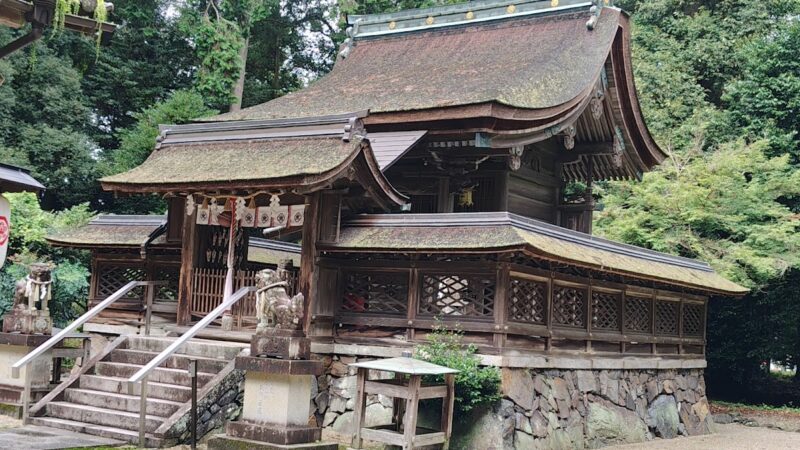
The current shrine building was constructed during the Kansei era (1789-1801) and strongly retains the characteristics of late Edo period shrine architecture. Subsequently, several restorations were carried out throughout the Meiji, Taisho, and Showa periods, and a full-scale color restoration project was implemented in the Heisei era.
Value as a Kyoto Prefecture Registered Cultural Property
Architectural Style of the Main Hall
The main hall of Kento Shrine is a valuable building that exhibits a typical style of late Edo period shrine architecture. It is designated as a Kyoto Prefecture Registered Cultural Property, and its architectural style is called Ikkensha Nagare-zukuri. The roof is covered with cypress bark shingles, and its graceful curves are a distinctive feature.
Vivid Color Restoration
Recent color restoration projects have revived the vibrant colors of the shrine from its founding. The shrine, originally predominantly vermilion, has been adorned with green, blue, and gold, conveying the splendor inherent in Edo-period shrine architecture. This color restoration is a highly academically valuable project, based on detailed research into the techniques and pigments used during the original construction.
Designation as a Cultural Heritage Environmental Preservation Area
The grounds of Kento Shrine are designated as a Kyoto Prefecture Cultural Heritage Environmental Preservation Area. This is because it was recognized that not only the shrine buildings, which are cultural properties, but also their surrounding environment needed to be preserved as a whole. The entire landscape, including the trees, stone steps, and lanterns within the grounds, is protected and managed to avoid damaging the historical atmosphere.
Highlights of the Shrine Grounds
Approach and Stone Steps
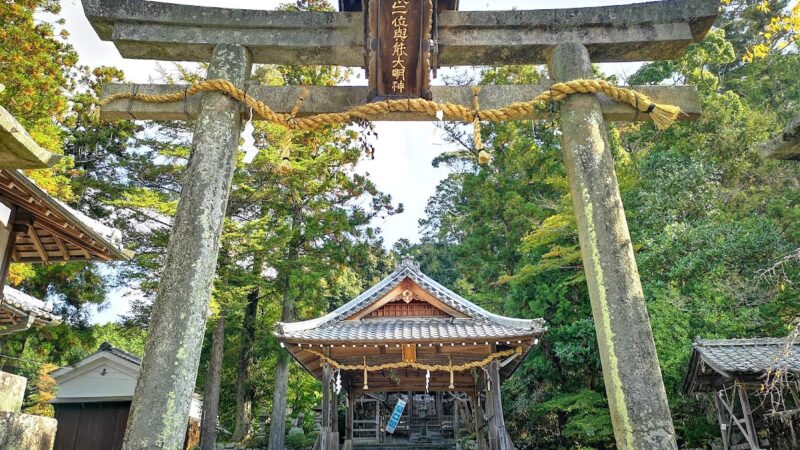
The approach to Kento Shrine is characterized by its tranquil atmosphere, surrounded by a lush green forest. The path leading up the stone steps to the shrine grounds offers a perfect space to escape the hustle and bustle of everyday life and find peace of mind. Old stone lanterns line both sides of the steps, conveying a sense of history.
Worship Hall and Main Shrine
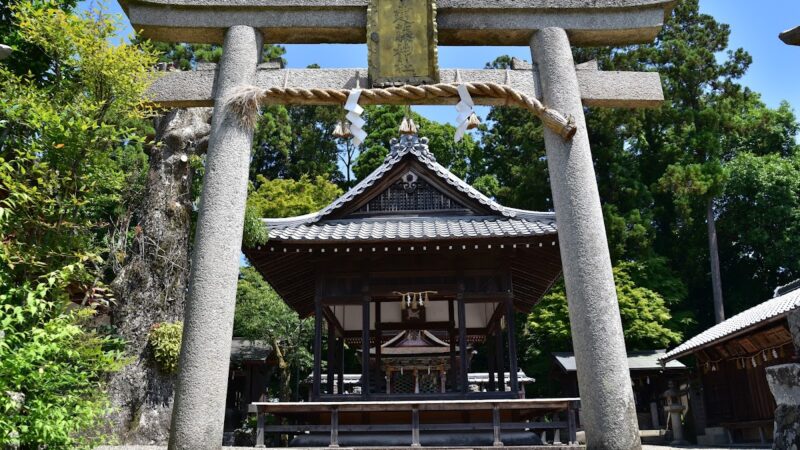
The worship hall is where worshippers offer their prayers and is located in front of the main shrine. Looking at the main shrine from the worship hall, you can appreciate the beauty of its vibrant colors up close. Especially on a sunny day, the sight of the shrine shining in the sunlight is breathtaking.
Natural Environment of the Shrine Grounds
The grounds of Kento Shrine are also known as a place where you can enjoy nature throughout the seasons. Cherry blossoms bloom in spring, and deep green vegetation envelops the grounds in summer. In autumn, the leaves turn beautiful colors, and in winter, you can see a serene snowscape. This rich natural environment is one of the reasons for its designation as a Kyoto Prefecture Cultural Property Environmental Preservation Area.
Subsidiary Shrines
Several subsidiary shrines are enshrined around the main hall. These small shrines are also cherished as objects of local faith, and each has its own unique history and legends.
How to Access Kento Shrine
Access by Public Transportation
Kento Shrine is located in the mountainous area of Ujitawara Town, so access by public transportation requires a combination of bus and walking.
Route from the nearest station:
- From JR Nara Line “Uji” Station:
- Take one of the Kyoto Keihan Bus routes: “Ichūmae,” “Ryokuenzaka,” or “Kogyodanchi.”
- Get off at the “Ichūmae” bus stop and walk for approximately 40 minutes.
- Alternatively, get off at the “Otonoyamaguchi” bus stop and walk for approximately 30 minutes.
- From Keihan “Uji” Station:
- Use the same bus routes as above.
- From Kintetsu “Shin-Tanabe” Station:
- Use the same bus routes as above.
From the bus stop to the shrine, you will need to walk along a mountain path. We recommend wearing comfortable shoes.
Access by Car
Access by car is the most convenient. It takes approximately 20-30 minutes from the Keiji Bypass “Uji-Nishi IC” or “Uji-Higashi IC.” However, parking space near the shrine grounds is limited, so it is recommended to check in advance.
Address: Ujitawara-cho, Tsuzuki-gun, Kyoto Prefecture
Notes on Access
- Located in a mountainous area, roads may be icy in winter.
- The walking distance from the bus stop is long, so plan accordingly.
- Cell phone reception may be poor in some areas, so it is recommended to check a map beforehand.
Nearby Tourist Attractions
Sarumaru Shrine
When visiting Kento Shrine, it is recommended to also visit Sarumaru Shrine, also located in Ujitawara-cho. Sarumaru Shrine is believed to offer blessings for healing boils and illnesses, and has attracted many worshippers since ancient times.
Zenjo-ji Temple
Zenjo-ji Temple, which has deep ties to the history of Kento Shrine, is an ancient temple founded in the Heian period. It houses numerous Buddhist statues designated as Important Cultural Properties, making it a must-see spot for history buffs.
Tea Plantations of Ujitawara Town
Ujitawara Town is known as the birthplace of Japanese green tea. Beautiful tea plantations stretch across the surrounding area, allowing visitors to enjoy a quintessential Japanese landscape. There are also facilities where you can experience tea picking and tour tea factories.
Etiquette and Manners for Worship
Basic Worship Etiquette
Worship at Kento Shrine follows general shrine worship etiquette.
- Bow before passing through the torii gate.
- Avoid walking in the center of the path.
- Cleanse your hands and mouth at the water basin.
- Offer your donation in front of the main hall, then bow twice, clap twice, and bow once.
Photography Manners
Photography is generally permitted on the shrine grounds, but please note the following:
- Photography inside the main hall may be prohibited.
- Be considerate of other worshippers.
- Use of tripods may require prior confirmation.
Maintaining Silence
Kento Shrine is located in a quiet mountainous area. Please refrain from loud conversations and noise, and respect the sacred atmosphere.
Annual Events and Festivals
At Kento Shrine, various festivals and ceremonies are held throughout the year to preserve local traditions. Major events include the annual grand festival and the New Year’s festival, and the shrine functions as a center of faith for local residents. Specific dates may vary from year to year, so it is recommended to check by phone before visiting.
Cultural Significance of Kento Shrine
Center of Local Faith
Kento Shrine has long been deeply connected to the local community as the center of local faith in Ujitawara Town. It has been carefully preserved to this day as a place for agricultural workers to pray for bountiful harvests and for the safety of the community.
Model of Cultural Property Protection
Designated as a Kyoto Prefecture Registered Cultural Property and a Cultural Property Environmental Preservation Area, Kento Shrine is a model example of appropriately protecting local cultural properties and passing them on to future generations. The color restoration project has attracted attention as a valuable initiative to revive traditional techniques that are in danger of being lost.
Historical Research Materials
As evidenced by its inclusion in the Zenjoji Temple documents, Kento Shrine is an important resource for studying regional society and religious practices during the Heian period. The ancient documents and traditions preserved at the shrine provide clues to unraveling the history of this region.
Clothing and Items to Bring
Recommended Clothing
The following clothing is recommended for visiting Kento Shrine:
- Comfortable walking shoes (sneakers or hiking boots, etc.)
- Comfortable clothing
- Warm clothing and sun protection appropriate for the season
- Rain gear (mountain weather is unpredictable)
Useful Items to Bring
- Drinking water
- Towel
- Insect repellent (summer)
- Camera (for photographing the beautiful shrine buildings and nature)
- Map or smartphone (with GPS function)
The Charm of Ujitawara Town
Ujitawara Town, where Kento Shrine is located, is a town rich in nature, situated in the southern part of Kyoto Prefecture. Known as the birthplace of Japanese green tea, the town is covered with tea plantations and has a deeply rooted tea culture.
Birthplace of Japanese Green Tea
During the Edo period, Nagatani Soen developed the green tea processing method in this area, laying the foundation for modern sencha. Nagatani Soen’s birthplace is preserved in the town, allowing visitors to learn about the history of tea.
Abundant Natural Environment
Ujitawara Town, while only about 40 minutes by car from Kyoto City, retains abundant natural beauty. Hiking trails are well-maintained, allowing visitors to enjoy nature walks.
Comparison with Similar Shrines in Kyoto Prefecture
While Kyoto Prefecture boasts numerous historical shrines, Kento Shrine possesses unique characteristics in the following respects:
Tranquil Mountain Environment
Unlike famous shrines in Kyoto City, Kento Shrine is located in a quiet mountainous area, resulting in less crowding with tourists and a more peaceful worship experience.
Successful Examples of Color Restoration
The recent color restoration project, which revived the appearance of the Edo-period shrine buildings, is attracting attention as a successful example of cultural property preservation.
Community-Based Faith
Unlike large-scale tourist shrines, this shrine is centered on the faith of the local people, making it a valuable place to experience the original spirit of a shrine.
Seasonal Highlights
Spring (March-May)
Cherry blossoms bloom along the shrine grounds and approach, and new greenery sprouts. Visiting the shrine while feeling the arrival of spring is a special experience.
Summer (June-August)
The shrine grounds, enveloped in deep green, offer a refreshing coolness that makes you forget the summer heat. The tranquil atmosphere, filled with the sound of cicadas, is particularly appealing.
Autumn (September-November)
During the autumn foliage season, the shrine grounds are colored in red and yellow. The contrast between the vibrant colors of the shrine buildings and the autumn leaves is beautiful.
Winter (December-February)
The snow-covered shrine grounds create a magical atmosphere. Winter, with fewer visitors, offers a chance to quietly reflect on the shrine’s history.
Summary
Kento Shrine boasts a long history dating back to the Heian period and is a valuable shrine with a shrine building designated as a Kyoto Prefecture Registered Cultural Property and grounds designated as a Cultural Heritage Environmental Preservation Area. As a historically significant shrine mentioned in the Zenjoji Temple documents, it continues to be a center of local faith.
The current shrine building, constructed during the Kansei era, has seen its vibrant colors restored through recent color restoration projects, conveying the beauty of Edo-period shrine architecture to the present day. Located in a tranquil environment surrounded by the rich nature of Ujitawara Town, Kento Shrine, where you can experience history and culture, will be a new discovery for Kyoto sightseeing.
Access requires a combination of public transport, buses, and walking, making it somewhat inconvenient. However, this also means it’s a hidden gem where you can visit at your own pace without the crowds of tourists. Easily accessible by bus from Uji and Shin-Tanabe, and with nearby attractions such as Sarumaru Shrine, it’s an ideal stop as part of a historical walk through Ujitawara town.
For those seeking cultural value, historical significance, and a peaceful environment for worship, we highly recommend visiting Kento Shrine.