Complete Guide to Saguri Tenjin Shrine (Kyoto Prefecture) | History, Deities, Access, and Cultural Properties Explained in Detail
Saguri Tenjin Shrine, located in Ujitawara-cho, Tsuzuki-gun, Kyoto Prefecture, is an ancient shrine with a history of nearly 1500 years. While there is another shrine with the same name in Kumiyama-cho, this article focuses on the Saguri Tenjin Shrine located in Iwayama, Ujitawara-cho, providing a detailed explanation of its history, enshrined deities, points of interest within the grounds, and visiting information.
What is Saguri Tenjin Shrine?
Saguri Tenjin Shrine is located in Iwayama, Ujitawara-cho, in the Yamashiro region of southern Kyoto Prefecture. It is also written as “双栗天神社”. It is a Shikinaisha (a shrine listed in the Engishiki Jinmyocho) and has long been a center of local worship.
The current enshrined deities are Amenohohi-no-Mikoto, Kotoshironushi-no-Mikoto, and Otoshi-no-Mikoto. Later, Sugawara no Michizane, known as the god of learning, was also enshrined there. Therefore, it was given the name “Tenjin Shrine.”
Differences from Futakuri Shrine
There are several shrines in Kyoto Prefecture with the name “Futakuri.” Futakuri Shrine, located in Sayama, Kumiyama-cho, Kuze-gun, is also a Shikinaisha (a shrine listed in the Engishiki Jinmyocho), but it is a different shrine from Futakuri Tenjin Shrine in Ujitawara-cho. Both shrines have long histories and continue to preserve their own unique beliefs and traditions.
History
Origin of Founding
Futakuri Tenjin Shrine has a long history, dating back to September 7th, 538 AD (the 3rd year of Emperor Senka’s reign), according to shrine tradition. The following record remains in the “Shrine Chronicle”:
It is said that an auspicious sign occurred on the summit of Oiwamoto in Futakuri Tahara-go, Tsuzuki-gun, Higashi-agata, Yamashiro Province. A divine spirit descended upon the rock, sat down, and emitted a radiant light. Witnessing this mystical event, local residents Saguri no Imiki Sukune and Wanibe no Ibarahiko erected a shrine pillar beneath the rock and enshrined the deity, which is considered the origin of the shrine.
Ancient Beliefs
Since its founding in the 6th century, Futakuri Tenjin Shrine has been an important shrine in Tsuzuki-gun, Yamashiro Province, attracting local devotion. It is also listed in the Engishiki Jinmyocho (compiled in 927), indicating that it was already an established shrine during the Heian period.
The location on the summit of Oiwamoto suggests ancient rock worship, and it is thought that a primitive form of belief, where natural megaliths were revered as vessels for deities, was the background.
Enshrinement of Sugawara no Michizane
Originally, the enshrined deities were Amenohohi-no-Mikoto, Kotoshironushi-no-Mikoto, and Ootoshi-no-Mikoto. Later, Sugawara no Michizane, the god of learning, was enshrined alongside them. This enshrinement led to the addition of the name “Tenjin Shrine,” and the shrine began to attract worshippers praying for academic success and passing examinations.
While there are no clear records regarding the exact timing of Michizane’s enshrinement, it is presumed that it was done in response to the requests of local people, coinciding with the nationwide spread of Tenjin worship.
From the Early Modern Period to the Present
Throughout the Edo period, the shrine was revered as the local tutelary deity, and after the Meiji-era reform of the shrine system, it continues to exist today. Ujitawara Town is known as a tea-producing region, and Futakuri Tenjin Shrine continues to attract worshippers as the god of agriculture and the guardian deity of the area.
Enshrined Deities
Let’s take a closer look at the deities enshrined at Futakuri Tenjin Shrine.
Amenohohi-no-Mikoto
A son of Amaterasu-Omikami, this deity appears in the myths of the Kojiki and Nihon Shoki. Considered the ancestral deity of the Izumo no Kuni no Miyatsuko (provincial governor of Izumo), he is known as a god of sincerity and loyalty. He is also worshipped as the guardian deity of agriculture and industry.
Kotoshironushi-no-Mikoto
A son of Okuninushi-no-Mikoto, he played a crucial role in the myth of the transfer of the land. Widely worshipped as a god of oracles and business prosperity, he is also affectionately known as “Ebisu-sama.”
Otoshi-no-Mikoto
Known as the god of grain and abundant harvests. A son of Susanoo-no-Mikoto, he is also a god welcomed at the New Year as Toshigami (New Year’s God). He has been particularly revered as an important deity in the agricultural region of Ujitawara.
Sugawara no Michizane
A scholar and politician of the Heian period, he later became worshipped throughout Japan as the god of learning. At Futakuri Tenjin Shrine, he was enshrined there in later times and is believed to bestow blessings for academic success, passing examinations, and improving writing skills.
Highlights of the Shrine Grounds
Main Hall
The main hall of Futakuri Tenjin Shrine is located on the side of a rocky mountain. It sits near the founding site, known as “the summit of Oiwamoto” according to shrine tradition, and conveys the atmosphere of a sacred place from ancient times.
Stone Steps and Approach
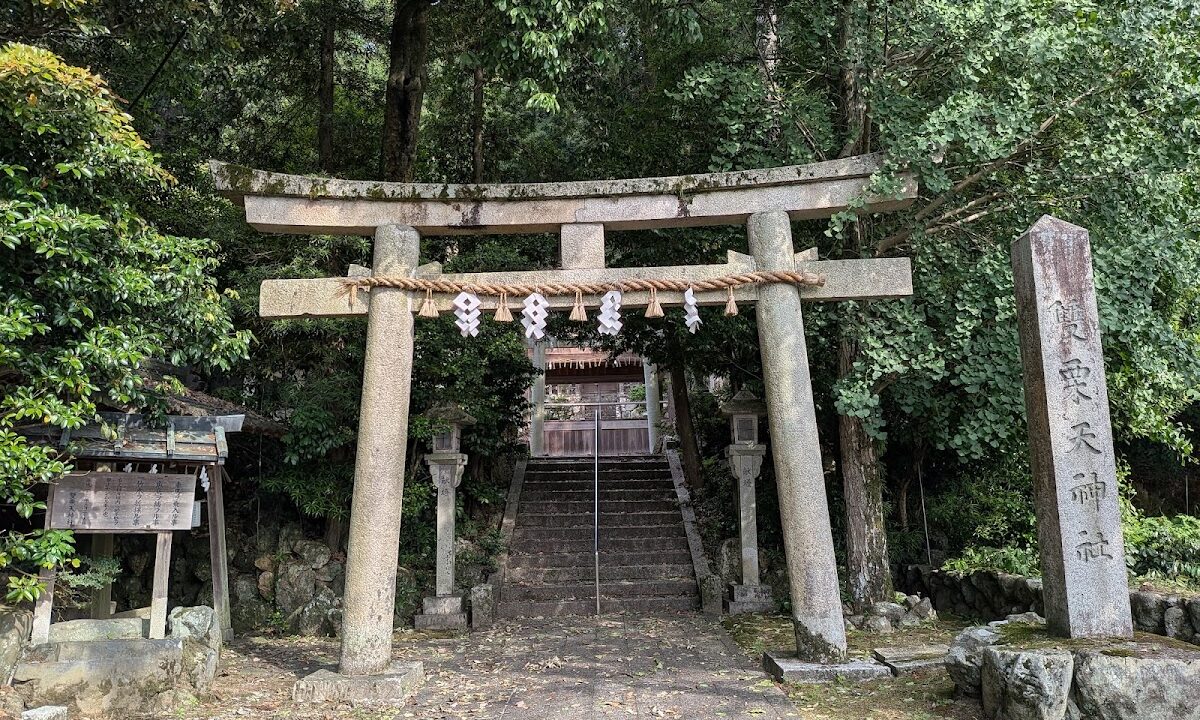
The stone steps leading to the shrine grounds form a pilgrimage route that ascends through the quiet mountains. Surrounded by abundant nature, visitors can enjoy the scenery of each season. The scenery is particularly beautiful during the seasons of fresh greenery and autumn leaves.
Subsidiary Shrines
Around the main hall, there are several subsidiary shrines that attract the faith of the local community. The shrine enshrines deities closely associated with daily life, such as Inari, and serves as a place of daily prayer for the local people.
Natural Environment
Ujitawara Town is located in the mountainous area of southern Kyoto Prefecture and is blessed with abundant nature. The grounds of Futakuri Tenjin Shrine are surrounded by forest, allowing visitors to worship in a tranquil atmosphere. The view from the shrine grounds provides peace to visitors.
Cultural Assets
Futakuri Tenjin Shrine possesses cultural assets and documents that have been preserved and passed down through its long history.
Shrine Records
The “Shrine Records,” which describe the origins and history of the shrine, are valuable historical materials for understanding the founding and changes of Futakuri Tenjin Shrine. They convey the state of ancient beliefs, including the founding legend of the third year of Emperor Senka’s reign.
Stone Sculptures
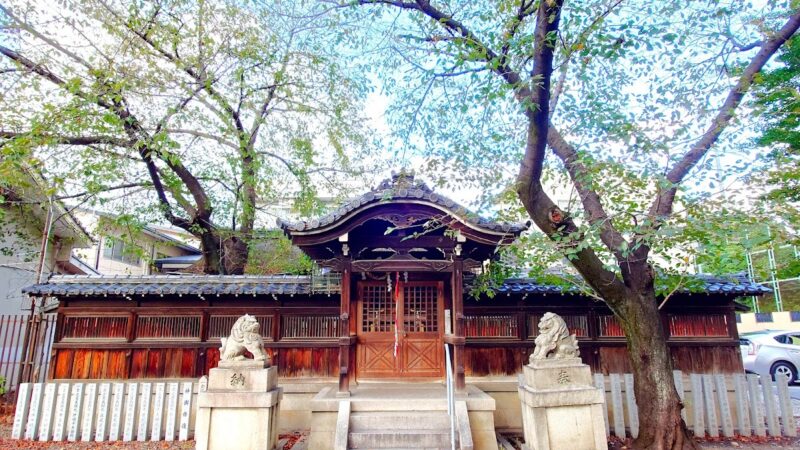
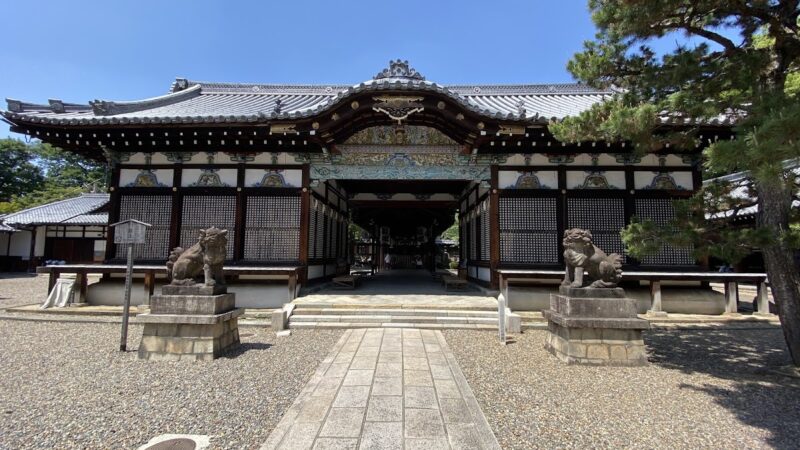
Stone sculptures such as stone lanterns and guardian lion-dogs, donated from the Edo period to the Meiji period, remain on the shrine grounds. These are valuable cultural artifacts that speak to the depth of faith at that time.
Annual Events
At Futatsuguri Tenjin Shrine, various festivals are held throughout the year.
Annual Festival
Held at a fixed time each year, the annual festival brings together local people to pray for a bountiful harvest and the safety of the community. Traditional Shinto rituals are performed solemnly, providing an opportunity to deepen community bonds.
New Year’s Visit
Many worshippers visit the shrine in the new year to pray for safety and well-being throughout the year and for the safety of their families. Because the shrine enshrines Sugawara no Michizane, students preparing for exams and their families also visit.
Tenjin Festival
As the shrine enshrines Sugawara no Michizane, festivals related to the Tenjin festival are also held. Worshippers pray for academic success.
Access and Visiting Information
Location
Address: Iwayama Ueda, Ujitawara-cho, Tsuzuki-gun, Kyoto Prefecture
Transportation Access
Because Futakuri Tenjin Shrine is located in a mountainous area, access by public transportation is somewhat inconvenient.
Access by Car:
- Approximately 20 minutes from the Tanabe-Nishi Interchange on the Keina-Wa Expressway
- Take National Route 307 towards Ujitawara-cho
- Parking: Limited space available on the shrine grounds (please check)
Public Transportation:
- Take the Keihan Uji Bus from JR Nara Line “Uji Station” or Keihan Uji Line “Uji Station”
- Get off at the “Iwayama” bus stop and walk for approximately 10-15 minutes
- Since the number of buses is limited, it is recommended to check the timetable in advance.
Visiting Hours
The shrine grounds are generally open for free visits. However, it is recommended to avoid visiting at night and to visit during daylight hours. ### Goshuin (Shrine Seal)
For information regarding Goshuin, please contact the shrine directly. Since there may not be a permanently staffed shrine office, prior confirmation is recommended.
Etiquette for Visiting Shrines
- Bow when passing through the torii gate.
- Walk along the sides of the path, as the center is considered the path of the gods.
- Cleanse your hands and mouth at the temizuya (water basin).
- Worship using the two bows, two claps, and one bow ritual.
- Maintain a quiet environment and be considerate of other worshippers.
Nearby Tourist Attractions
Besides Futakuri Tenjin Shrine, there are many other places worth visiting in Ujitawara Town and its surrounding areas.
Tea Plantations of Ujitawara Town
Ujitawara Town is known as the “birthplace of Japanese green tea,” and boasts beautiful tea plantation landscapes. As the place where Nagatani Soen developed the sencha (green tea) manufacturing method, there are numerous historical sites and facilities related to tea.
Sarumaru Shrine
This shrine, located in Ujitawara Town, enshrines Sarumaru Taifu. It is revered as a god of healing from boils and illnesses, and many people visit it along with the Futakuri Tenjin Shrine.
Shōjuin Temple
Known for its “heart-shaped window,” this temple is a popular spot for social media photos. It is one of Ujitawara Town’s representative tourist attractions.
Tourist Attractions in Uji City
Uji City, located about 30 minutes by car from Ujitawara Town, boasts many tourist attractions, including World Heritage sites such as Byōdōin Temple and Ujigami Shrine.
About Ujitawara Town
Ujitawara Town, where the Futakuri Tenjin Shrine is located, is a town of approximately 9,000 people located in Tsuzuki District, in the southern part of Kyoto Prefecture.
Geography and Nature
The majority of the town area is mountainous, blessed with a rich natural environment. The Tahara River, a tributary of the Uji River, flows through the town, forming a beautiful valley. ### Tea Producing Area
Known as the site where the green tea processing method was developed by Nagatani Soen in the mid-Edo period, it remains renowned as a producer of high-quality Uji tea. Tea plantations spread throughout the town, creating a unique landscape during tea-picking season.
History and Culture
This region has a long history as part of Yamashiro Province, with numerous ancient shrines and temples, including the Futakuri Tenjin Shrine. While retaining the tranquil atmosphere of a mountain village, it has recently gained attention as a tourist destination.
Precautions When Visiting
Safety on Mountain Paths
Futakuri Tenjin Shrine is located on the mountainside, so the approach has stone steps and slopes. It is recommended to wear comfortable shoes. Particular caution is needed during rainy weather and winter, as the ground can be slippery.
Seasonal Clothing
Due to its mountainous location, temperatures can be lower than in the lowlands. Especially during winter or early morning/evening visits, be sure to take adequate precautions against the cold.
Insect Repellent
In summer, there may be many mosquitoes, horseflies, and other insects. Bringing insect repellent spray will make your visit more comfortable.
Photography
Photography is generally permitted on the shrine grounds, but please be considerate of those performing rituals or other visitors. Note that photography is restricted in some areas, such as inside the main hall.
The Charm of Futakuri Tenjin Shrine
A Sacred Site from Ancient Times
Futakuri Tenjin Shrine, with a history of nearly 1500 years, is a sacred site that has continued since ancient times with its worship of sacred rocks. It is a precious place where you can escape the hustle and bustle of modern times and experience the sacred atmosphere that people of ancient times must have felt.
Harmony with Nature
The shrine grounds, surrounded by abundant nature, showcase the beauty of each season. Enjoy the different expressions depending on the season you visit: the fresh green of spring, the deep green of summer, the autumn leaves, and the tranquility of winter.
Center of Local Faith
Since its founding, Futakuri Tenjin Shrine has continuously attracted the faith of the local people. Even today, it plays an important role as a spiritual support for the local community.
Tranquil Worship Environment
The shrine retains a simple atmosphere unspoiled by tourism, creating an environment where one can quietly and peacefully worship. It is an ideal place to forget the hustle and bustle of everyday life and regain inner peace.
Summary
Futakuri Tenjin Shrine, located in Ujitawara-cho, Kyoto Prefecture, is an ancient shrine said to have been founded during the reign of Emperor Senka (538 AD). Its main deities are Ame-no-hohi-no-mikoto, Kotoshironushi-no-mikoto, and Ootoshi-no-mikoto, and later, Sugawara no Michizane was enshrined there, hence the name “Tenjin Shrine.”
As a shrine listed in the Engishiki Jinmyocho (a list of shrines compiled in the Heian period), it has been an important shrine in Tsuzuki District, Yamashiro Province since ancient times, attracting many worshippers. The founding legend, which states that a deity descended upon the summit of Oiwamoto, conveys the ancient belief in sacred rocks.
Nestled in a tranquil mountainous setting, the temple grounds, surrounded by abundant nature, offer peace and tranquility to visitors. Visiting in conjunction with the tea plantations of Ujitawara town and other nearby tourist attractions will allow you to gain a deeper understanding of the history and culture of southern Kyoto Prefecture.
Why not visit and seek the divine blessings of academic success, abundant harvests, and family safety? The time spent quietly offering prayers at this ancient place of worship will surely be a precious experience.