Complete Guide to Anou Shrine (Yao City, Osaka Prefecture) | Goshuin (Shrine Seal), History, and Access Information
Anou Shrine, located in Miyacho, Yao City, Osaka Prefecture, is a historically significant shrine said to be the birthplace of Princess Anahobe, the mother of Prince Shotoku. As a place associated with the ancient Anou clan, it has a long history, cherished by the local people. This article comprehensively introduces everything you need to know before visiting Anou Shrine, including its history, enshrined deities, highlights within the grounds, goshuin information, and access methods.
Basic Information about Anou Shrine
Location: 1-10-15 Miyacho, Yao City, Osaka Prefecture
Reading: Anou Jinja
Nearest Station: Approximately 8 minutes on foot from Kintetsu Osaka Line, Kyuhojiguchi Station
Parking: Available (limited spaces)
Shrine Office: May be unattended
Official Website: None (Information posted on the Osaka Prefectural Shrine Association website)
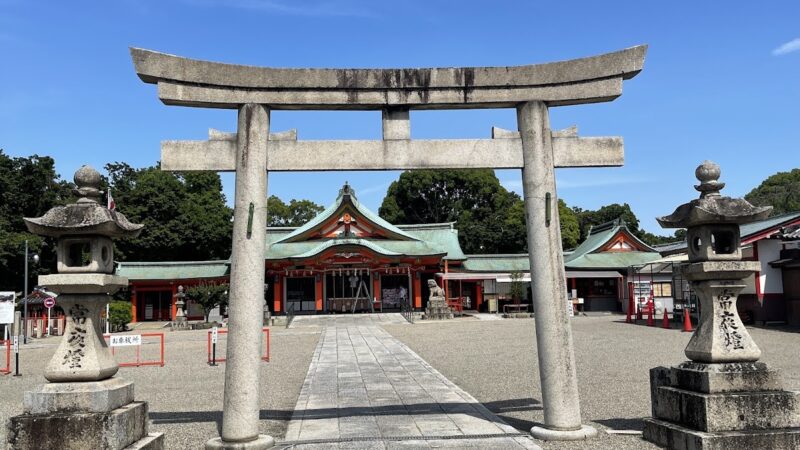
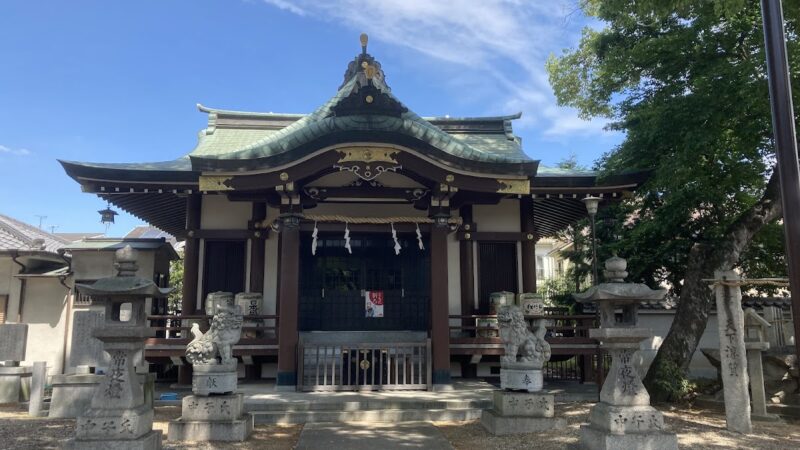
Anou Shrine is a shrine quietly nestled in a residential area, revered as the local tutelary deity. Although the grounds are compact, the main hall, worship hall, and subsidiary Inari shrine are neatly arranged, creating a peaceful atmosphere for worship.
History of Anou Shrine
Founding and the Ancient Anou Clan
The exact founding date of Anou Shrine is unclear, but it is believed to have been established as a tutelary deity enshrining the ancestral deity of the ancient Anou clan (Anahobe clan), who were based in this area. Since the Anahobe Shrine was established during the reign of Emperor Yōmei (585-587), it is presumed to have existed at least during the Asuka period.
The Anahobe clan was a powerful family based in Anaho-gō, Wakae-gun, Kawachi Province (present-day Yao City area), and held considerable influence in the ancient Yamato government. The shrine’s name originates from this Anahobe clan.
Relationship with Princess Anahobe, mother of Prince Shōtoku
What makes Anahobe Shrine particularly noteworthy is that it is said to be the birthplace of Princess Anahobe (also known as Princess Hashihito), the mother of Prince Shōtoku. Princess Anahobe became the empress of Emperor Yōmei and is known for giving birth to Prince Umayado (Prince Shōtoku).
Because the princess’s name includes “Anahobe,” it is thought that she had a deep connection with the Anahobe clan, a powerful family in this area, which is why the site of Anahobe Shrine is considered her birthplace. Therefore, it is affectionately known locally as a “shrine associated with Prince Shotoku.”
History of Fire and Reconstruction
Anō Shrine is said to have possessed a wealth of treasures and ancient records since ancient times, but unfortunately, most of them were lost in past fires. Therefore, detailed historical records have been lost, and the current history is based on oral traditions and fragmentary documents.
The current shrine building is relatively new, completed in October 1982. It was rebuilt through the efforts of parishioners and devotees, along with post-war reconstruction and regional development, resulting in its current form. Although the shrine building is new, it retains the dignity and atmosphere of an ancient shrine.
Deities and Benefits
Main Deity
The deity enshrined at Anō Shrine is considered to be the ancestral deity of the Anō clan, but there are various theories regarding the specific name of the deity. Generally, the following deities are believed to be enshrined:
- Amenokoyane-no-Mikoto: Ancestral deity of the Nakatomi and Fujiwara clans
- Ancestral deity related to the Anao clan
As a shrine dedicated to the ancestral deity of ancient powerful clans, it has functioned as a place to pray for the prosperity of the clan and the peace of the region.
Benefits
The benefits you can expect at Anao Shrine are as follows:
- Family Safety: As a guardian deity of the region
- Prosperity of Descendants: As a place associated with Princess Anahobe, it offers blessings for safe childbirth and child-rearing
- Good Fortune and Prosperity: As an ancient shrine, it offers blessings for spiritual efficacy
- Academic Success: As a place associated with Prince Shotoku
- Business Prosperity: From the Inari Shrine on the grounds
Especially for local people, it is an important shrine that has been passed down through generations as a guardian deity of the region, and is visited at important milestones in their lives.
Highlights of the Shrine Grounds
Main Hall and Worship Hall
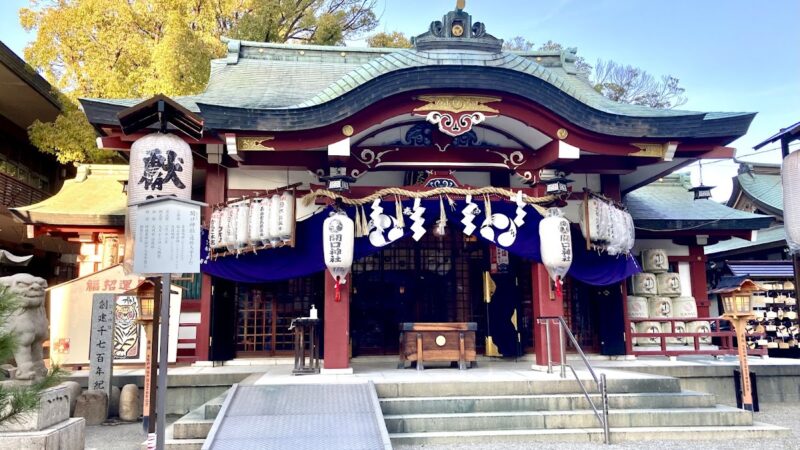
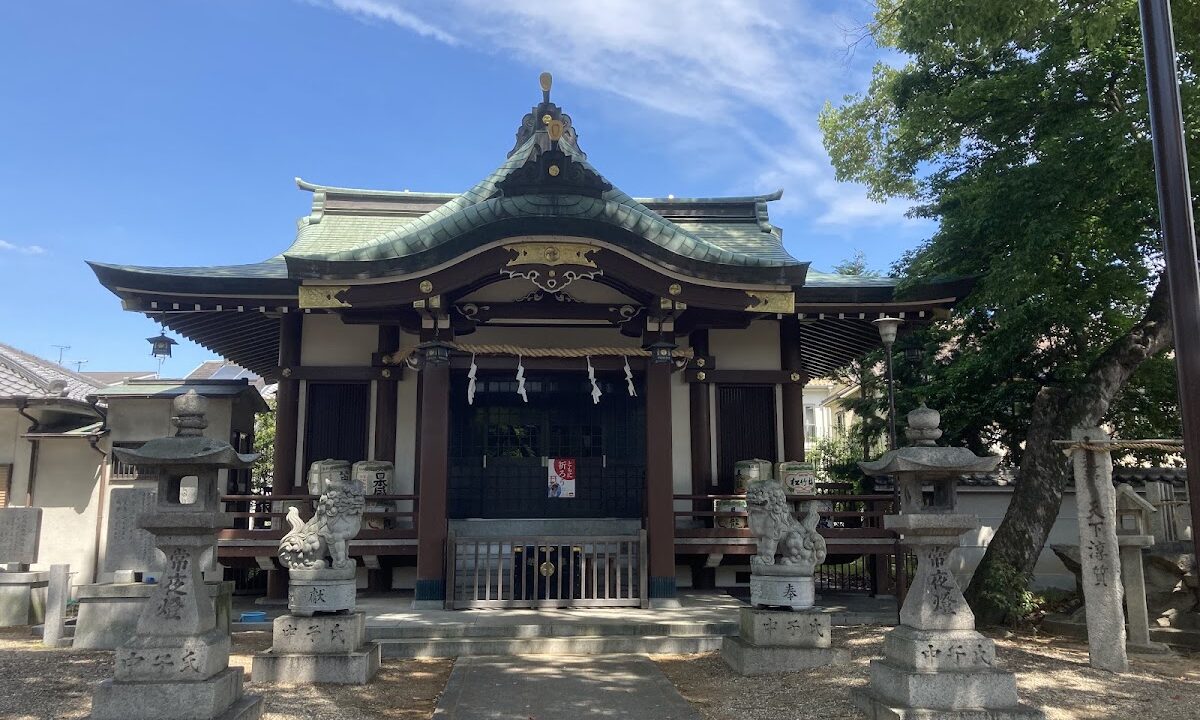
Rebuilt in 1982, the main hall and worship hall adhere to traditional shrine architectural styles while maintaining a clean and modern design. Despite its compact size, the grounds maintain a solemn atmosphere befitting a sacred place, quietly welcoming visitors.
Guardian lion-dogs are placed in front of the worship hall, and the space leading from the approach to the main hall is neatly maintained.
Subsidiary Shrine – Inari Shrine (Hankuro Inari Okami)
On the north side of the grounds is a subsidiary shrine, the Inari Shrine. Locally known as “Hankuro Inari Okami,” it attracts worshippers seeking blessings for business prosperity and abundant harvests.
This Inari Shrine, characterized by its red torii gate, has its own unique form of worship separate from Anao Shrine, and is visited by local shopkeepers and farmers. Despite its small size, the shrine boasts a well-maintained building and a fox deity, making it a must-visit spot when visiting Anao Shrine.
Ise Grand Shrine Remote Worship Site
Within the shrine grounds is a Ise Grand Shrine Remote Worship Site. This facility allows worshippers to pay their respects towards the distant Ise Grand Shrine, demonstrating their reverence for the shrine.
It is a precious place where worshippers can offer prayers to the gods of Ise from Yao.
Atmosphere of the Shrine Grounds
Despite being located in a residential area, Anao Shrine exudes a tranquil atmosphere. While not a large shrine, the well-maintained grounds are refreshing, reflecting the local people’s affection for the shrine.
Depending on the season, the trees on the grounds add vibrant color, creating a healing space that allows you to forget the hustle and bustle of the city, especially during the fresh green season and the autumn foliage season.
Goshuin (Shrine Seal) and Goshuincho (Shrine Seal Book) Information
About Goshuin
Goshuin are available at Anao Shrine, but since there may not always be a resident priest, prior confirmation is recommended.
Features of the Goshuin:
- Calligraphy of the shrine name “Anao Shrine”
- Shrine seal
- Simple and dignified design
Offering Fee: Approximately 300-500 yen (at your discretion)
Points to Note When Receiving a Goshuin
- Prior Contact: Since the shrine office may be unattended, it is recommended to call in advance or inquire through the Osaka Prefectural Shrine Association if you want to be sure to receive a goshuin.
- Visiting Hours: Visiting during the daytime is preferable; early mornings and evenings may not be possible.
- Pre-printed Goshuin Available: Pre-printed goshuin may be available when the priest is absent.
Goshuincho (Shrine Seal Book)
Information regarding Anao Shrine’s original goshuincho is limited. If you do not have a Goshuincho (stamp book), we recommend purchasing one at another shrine beforehand or bringing a commercially available one with you.
Access Information
Access by Train
Approximately 8 minutes on foot from Kintetsu Osaka Line “Kyuhōjiguchi Station”
- Exit Kyuhōjiguchi Station and head southwest.
- Walk through the residential area for approximately 600m.
- The shrine is located in the residential area of Miyacho 1-chome.
Kyuhōjiguchi Station is a local train station where express trains do not stop, but it is easily accessible, approximately 15 minutes from Osaka Uehonmachi Station and approximately 10 minutes from Tsuruhashi Station. The path from the station to the shrine is flat, making it a comfortable walk.
Access by Car
Approximately 10 minutes from Hanshin Expressway “Yao IC”
Access is possible via National Route 25 and prefectural roads. However, the shrine is located in a residential area, and the roads are narrow, so it is best to avoid visiting in large vehicles.
Parking Information
There are a limited number of parking spaces on the shrine grounds, but we recommend using public transportation. There are also coin-operated parking lots nearby, so please consider using those if you are visiting by car.
Transportation Information in the Surrounding Area
Yao City is located adjacent to the eastern part of Osaka City, and transportation is relatively convenient. Kyuhoji Station on the JR Kansai Main Line is within walking distance (approximately 15 minutes), making it accessible via JR lines.
Points and Precautions for Visiting
Visiting Hours
Anao Shrine is generally open for worship all day, but the shrine office has limited hours. If you wish to receive a Goshuin (shrine stamp) or request prayers, we recommend visiting on weekdays from morning to early afternoon.
Shrine Visiting Etiquette
- Bow before passing through the torii gate.
- Purify your hands and mouth at the water basin. (This step can be omitted if there is no water basin.)
- Bow twice, clap twice, and bow once in front of the main hall.
- Keep the shrine grounds quiet.: As the shrine is located in a residential area, please refrain from loud conversations.
- Photography.: Photography is permitted on the shrine grounds, but please be considerate of other worshippers.
Festivals and Annual Events
The main annual events at Anao Shrine are as follows:
- New Year’s Day Festival: January 1st
- Spring Grand Festival: Spring (details to be confirmed)
- Autumn Grand Festival: Autumn (details to be confirmed)
The dates of the Grand Festivals may vary from year to year, so it is recommended to check in advance if you wish to participate. A portable shrine procession by local parishioners may also take place.
Nearby Attractions and Temples
Kyuhoji Temple Town
Within walking distance of Anao Shrine lies Kyuhoji Temple Town. This historical townscape retains the atmosphere of a temple town formed during the Sengoku period, making it a perfect area for a stroll. Old townhouses and alleys remain, allowing you to enjoy an atmosphere that feels like stepping back in time.
Kenshoji Temple
Kenshoji Temple, the central figure of Kyuhoji Temple Town, is a Jodo Shinshu Buddhist temple and the core temple that formed the temple town. You can visit its historical buildings and gardens.
Yao City Historical and Folk Museum
This museum allows you to learn about the history and culture of Yao City, exhibiting the region’s development from ancient times to the modern era. It is also helpful in understanding the historical background of Anao Shrine.
Nearby Shrines
- Koma Shrine: A Shikinaisha (shrine listed in the Engishiki) in Yao City
- Onchi Shrine: An ancient shrine known as the second-ranked shrine of Kawachi Province
- Hiraoka Shrine: The first-ranked shrine of Kawachi Province, also known as Moto-Kasuga
Yao City and its surrounding areas are home to numerous historically significant shrines, making it a great place for shrine hopping.
The Charm of Anao Shrine and Reasons to Visit
Historical Value as a Place Associated with Prince Shotoku
The greatest charm of Anao Shrine lies in its historical background as the birthplace of Princess Anahobe, the mother of Prince Shotoku. As a place associated with Prince Shotoku, one of the most important figures in Japanese history, it is a must-see spot for history buffs.
A Local Guardian Deity
Unlike large-scale tourist shrines, Anao Shrine is a local guardian deity that has been protected by the local people. Its simple and warm atmosphere gives a sense of the true essence of a shrine. The deep faith and affection for the shrine of the local people are evident in the meticulous care taken at every corner of the grounds.
A Quiet Worship Environment
One of its attractions is that it is rarely crowded with tourists, allowing for a peaceful worship experience. It is a precious space where one can escape the hustle and bustle of the city and offer prayers in tranquility.
A Starting Point for Exploring the History of Yao City
Starting from Anao Shrine, you can enjoy a historical walking course visiting the temple town of Kyuhoji and the surrounding shrines and temples. Spending a full day experiencing the history and culture of Yao City is highly recommended.
Visitor Voices and Reviews
The following are comments from visitors who have actually visited Anao Shrine:
- “I was able to pray in peace at this shrine nestled quietly in a residential area.”
- “Knowing that it is the birthplace of Prince Shotoku’s mother, I felt a sense of historical romance.”
- “I could feel the atmosphere of how much the shrine is cherished by the local people.”
- “I prayed respectfully, including at the Inari shrine.”
- “I recommend checking the availability of Goshuin (shrine stamps) before visiting.”
Summary: A Recommendation to Visit Anao Shrine
Anao Shrine in Yao City, Osaka Prefecture, is a venerable shrine with over 1400 years of history, associated with the birth mother of Prince Shotoku and as the tutelary shrine of the ancient Anao clan.
While not a large-scale tourist shrine, it offers visitors a quiet solace and a sense of historical romance as a simple place of faith rooted in the community. Its convenient location, within walking distance of Kyuhoji-guchi Station, is also a major attraction.
When you visit Yao City, be sure to visit Anao Shrine and feel the breath of ancient history. In the tranquility of the temple grounds, you can spend a precious time reflecting on the era of Prince Shotoku.
If you wish to receive a temple stamp (Goshuin), be sure to check in advance. Combine this with a stroll through the surrounding Kyuhoji temple town for a fulfilling day of historical exploration.