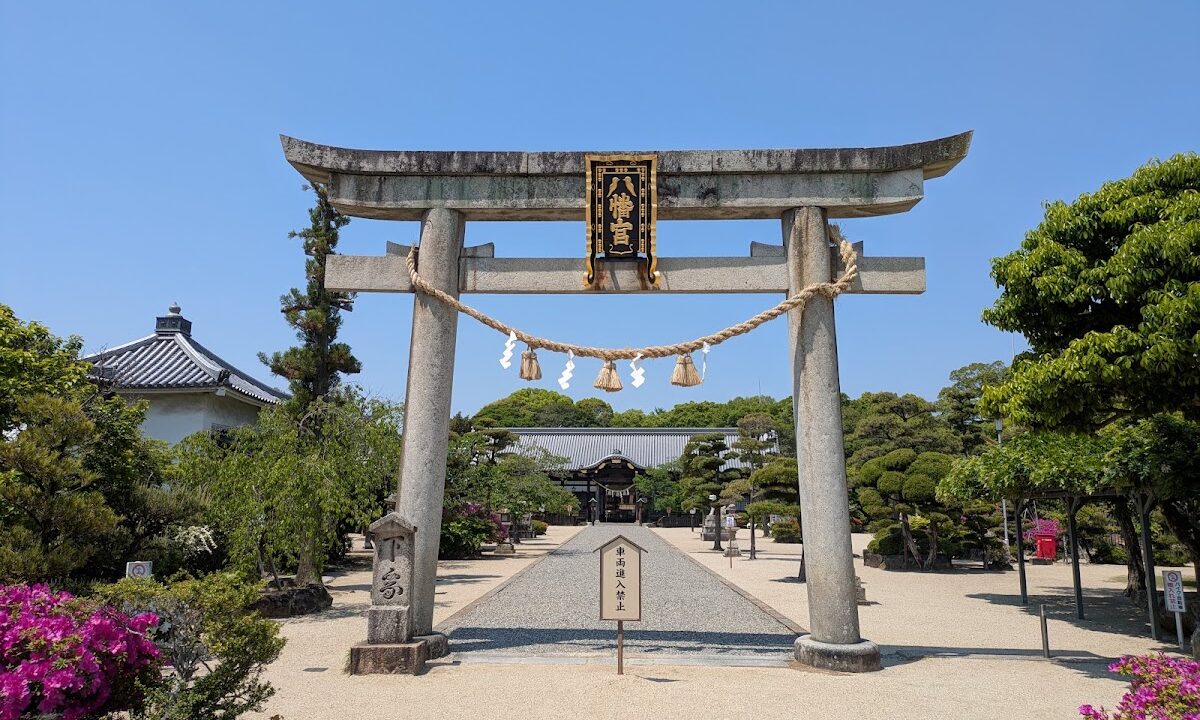
Complete Guide to Konda Hachimangu Shrine (Habikino City, Osaka Prefecture) | History, Highlights, and Access Information for Japan’s Oldest Hachimangu Shrine
Konda Hachimangu Shrine, located in Habikino City, Osaka Prefecture, is a prestigious shrine known as Japan’s oldest Hachimangu shrine. Adjacent to the tomb of Emperor Ojin, this shrine boasts a history of over 1400 years, housing numerous national treasures and important cultural properties, and has been revered by successive emperors and samurai warriors. This article provides a detailed introduction to Konda Hachimangu Shrine, from its history and highlights to access methods and surrounding attractions.
What is Konda Hachimangu Shrine?
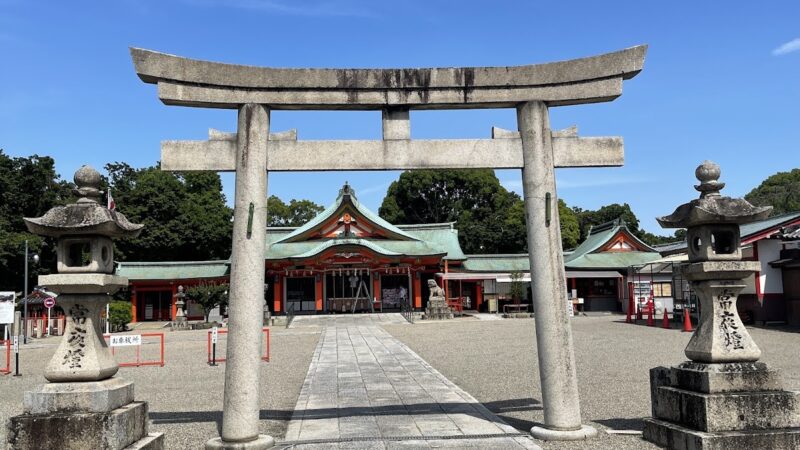
Konda Hachimangu Shrine is located in Konda, Habikino City, Osaka Prefecture, and is situated adjacent to the south of the Konda Gobyoyama Kofun (Emperor Ojin’s tomb), one of the World Heritage Sites “Mozu-Furuichi Kofun Group.” Its former shrine rank was Prefectural Shrine, and it enshrines Emperor Ojin as its main deity.
The History of Japan’s Oldest Hachiman Shrine
According to shrine tradition, the founding of Konda Hachiman Shrine dates back to the 20th year of Emperor Kinmei’s reign (559 AD). It is said to have originated when Emperor Kinmei, aiming for the restoration of Mimana, established a shrine in front of Emperor Ojin’s tomb, thus claiming to be the oldest Hachiman shrine in Japan. It is considered the origin of Hachiman worship and holds a special position among the Hachiman shrines spread throughout the country.
Initially, the shrine was built in front of Emperor Ojin’s tomb, but it is said that in the mid-Heian period, in the 6th year of Eisho (1051 AD), Emperor Go-Reizei constructed the shrine at its current location and it came to be called “Konda Hachiman Shrine.”
The History of Konda Hachiman Shrine
From Founding to the Heian Period
The history of Konda Hachiman Shrine began as the ancestral shrine of Emperor Ojin. Emperor Ojin was the 15th Emperor and is known for his significant contributions to the development of ancient Japan. The imperial tomb, the Konda Gobyoyama Kofun, is a massive keyhole-shaped burial mound measuring 425 meters in length, making it the second largest in Japan.
Since its founding in the 6th century, Konda Hachimangu Shrine has been revered by the imperial court as a shrine dedicated to the spirit of Emperor Ojin. It has received numerous visits from successive emperors, maintaining a deep connection with the imperial family.
From the Medieval to the Early Modern Period
In the medieval period, the worship of Hachiman as a god of war grew, and the shrine received deep reverence from the samurai class. Because the Minamoto clan worshipped Hachiman as their tutelary deity, Hachiman worship spread among the samurai class, and Konda Hachimangu Shrine became a central and important figure.
During the Sengoku period, the shrine buildings were destroyed by fire, but they were rebuilt in 1606 by Toyotomi Hideyori. The current main hall dates from this period and is a valuable structure that preserves the architectural style of the Momoyama period.
During the Edo period, the shrine received patronage from the shogunate, including donations of land and repairs to the shrine buildings. It was affectionately known as “Hachiman-san of Konda” by the local people and flourished as a center of faith.
Highlights of Konda Hachiman Shrine
Main Hall and Worship Hall
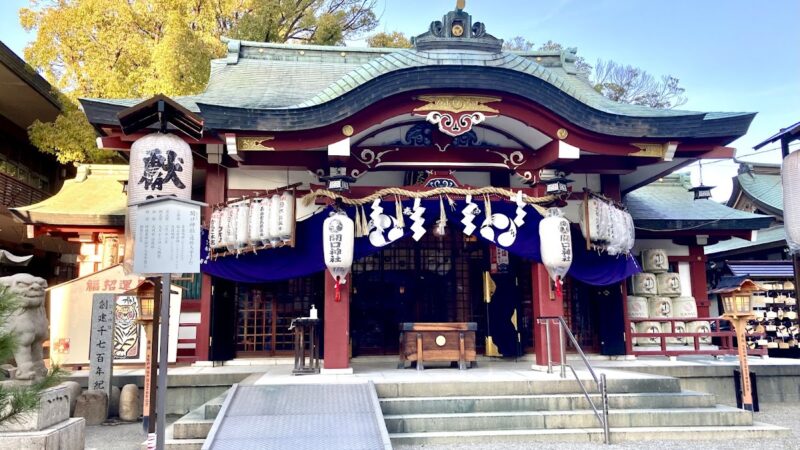
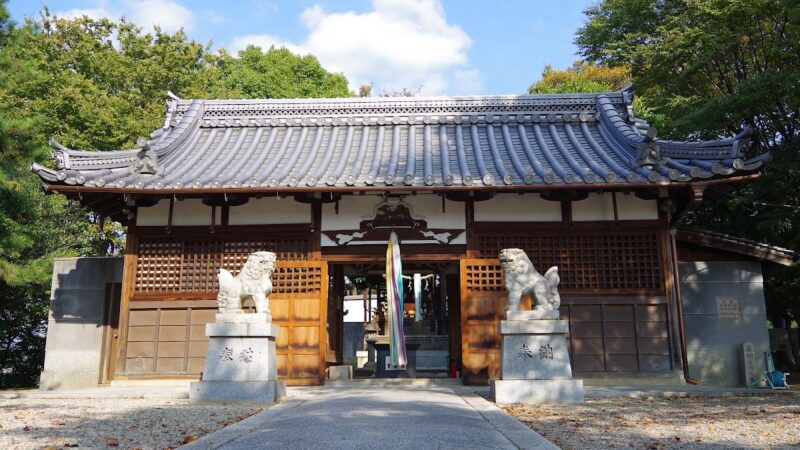
The current shrine buildings were rebuilt in 1606 by Toyotomi Hideyori and retain strong elements of Momoyama period architecture. The main hall is a three-bay nagare-zukuri style building, with a beautifully curved cypress bark roof. Together with the worship hall, it exudes a dignified atmosphere, inspiring a sense of awe in visitors.
Ancient trees surround the shrine, creating a tranquil atmosphere. Especially during the autumn foliage season, the grounds are adorned with reds and yellows, offering a beautiful landscape to enjoy.
National Treasures and Important Cultural Properties in the Treasure Hall
The Treasure Hall of Konda Hachimangu Shrine houses numerous valuable cultural properties, including National Treasures and Important Cultural Properties.
National Treasure: “Jinji Raden Gilded Bronze Mikoshi”
The most famous is the “Jinji Raden Gilded Bronze Mikoshi,” created during the Kamakura period. This mikoshi is a magnificent work adorned with mother-of-pearl inlay and gilded bronze decorations, and is designated a National Treasure as a masterpiece that embodies the pinnacle of Japanese craftsmanship. The intricately crafted decorations are breathtakingly beautiful.
Important Cultural Properties
The “Silk Scroll of the Konda Sobyo Engi,” from the Muromachi period, depicts the history and miraculous powers of Konda Hachimangu Shrine in picture scroll form, and is a valuable historical document that provides insight into the state of faith at that time.
Furthermore, artifacts from the Kofun period, such as saddle fittings believed to have been unearthed from Emperor Ojin’s tomb, are also on display, making it a must-see spot for anyone interested in ancient history.
The Treasure Hall is open on Saturdays from 1 PM to 4 PM, and admission is 400 yen. It’s a great opportunity to carefully appreciate valuable cultural artifacts, so we highly recommend visiting when you’re in the area.
Special Offering: “Hinomaru Sacred Sake”
Honda Hachimangu Shrine offers a unique offering not found at other shrines: “Hinomaru Sacred Sake,” which is given free of charge during the first three days of the New Year. This sacred sake is made from locally produced red wine, making it distinctive in that it’s wine rather than sake.
Habikino City is known as a grape-producing area, and the shrine has undertaken a unique initiative to incorporate local specialties into its rituals. When visiting during the New Year, be sure to try this special sacred sake.
Main Annual Events and Festivals
Honda Hachimangu Shrine holds various festivals and events throughout the year.
New Year’s Day Festival (January 1st)
This is the first festival of the new year, and it is bustling with many worshippers. The aforementioned “Hinomaru sacred sake” is also distributed at this time.
Grand Festival (around September 15th)
This is the most important festival at Konda Hachimangu Shrine, featuring a portable shrine procession and offering ceremonies. The local community participates wholeheartedly in the festival, allowing visitors to experience the atmosphere of a traditional festival.
Other Events
Seasonal festivals such as the Setsubun Festival, the Summer Purification Ceremony, and the Autumn Grand Festival are also held. You can enjoy the different aspects of the shrine depending on the time of year you visit.
Basic Information and Access
Address and Opening Hours
Address: 3-2-8 Konda, Habikino City, Osaka Prefecture
Opening Hours:
- Grounds Visit: Free entry (open all day)
- Treasure Hall: Saturdays 13:00-16:00
Closed Days: Open every day (Treasure Hall is open only on Saturdays)
Admission Fee:
- Grounds Visit: Voluntary donation
- Treasure Hall: 400 yen
Access Method
Access by Train
The nearest station is Kintetsu Minami-Osaka Line “Furuichi Station”. It’s about a 10-minute walk from the station.
Detailed Route:
- Get off at Furuichi Station on the Kintetsu Minami-Osaka Line.
- Exit from the east exit and head towards National Route 170 (Outer Ring Road).
- Follow the signs for Konda Hachimangu Shrine and walk for approximately 10 minutes.
The route passes through a residential area, but there are signs, so you won’t get lost. A route from Furuichi Station via the Emperor Ojin Mausoleum is also recommended.
Access by Car
From Miyake IC on the Hanshin Expressway Route 14 Matsubara Line:
- Head south on National Route 170 for approximately 15 minutes.
From Fujiidera IC on the Nishi-Meihan Expressway:
- Head south on National Route 170 for approximately 10 minutes.
Parking Information
There is a free parking lot on the shrine grounds. Approximately 20 regular cars can park. However, congestion is expected during events such as New Year’s and the annual festival, so using public transportation is recommended.
Recommended Nearby Spots
The area around Konda Hachimangu Shrine is dotted with ancient burial mounds and historical sites. Since you’re visiting, why not enjoy sightseeing in the surrounding area?
Emperor Ojin’s Mausoleum (Konda Gobyoyama Kofun)
This massive keyhole-shaped burial mound is located just north of Konda Hachimangu Shrine. At 425 meters long, it boasts the second largest scale in Japan and is one of the constituent assets of the World Heritage Site “Mozu-Furuichi Kofun Group.” While entry to the interior is prohibited due to it being a mausoleum, walking around the perimeter allows you to truly appreciate its immense size.
Shiratori-ryo Kofun (Karizato Otsuka Kofun)
This keyhole-shaped burial mound is believed to be the mausoleum of Yamato Takeru no Mikoto and is located about a 15-minute walk from Konda Hachimangu Shrine. It maintains a beautiful shape and is a must-see spot for burial mound enthusiasts.
Minezuka Park
This comprehensive park in Habikino City is a relaxing spot where you can enjoy flowers throughout the seasons. Especially beautiful in spring with cherry blossoms and in autumn with cosmos flowers, it’s a popular spot for families. It’s about a 5-minute drive from Konda Hachimangu Shrine.
Domyoji Tenmangu Shrine
This shrine is dedicated to Sugawara no Michizane, the god of learning, and is also known for its plum blossoms. Many worshippers visit during exam season. It’s about a 10-minute drive from Konda Hachimangu Shrine.
Recommended Restaurants in the Area
Asian French Restaurant Tambour
This French restaurant in Habikino City offers creative dishes using local ingredients. The lunch course is reasonably priced and perfect for a meal between sightseeing.
Local Japanese Confectionery Shops
Habikino City has many long-established Japanese confectionery shops, where you can purchase famous sweets perfect as souvenirs after your visit. Regionally limited Japanese sweets such as “Konda Manju” are especially recommended as a memento of your visit.
Grape Picking & Direct Sales
Habikino City is famous as a grape-producing area. From summer to autumn, there are many farms where you can enjoy grape picking, and direct sales shops selling fresh grapes. Be sure to stop by as a seasonal treat.
Manners and Precautions for Visiting the Shrine
Basic Worship Etiquette
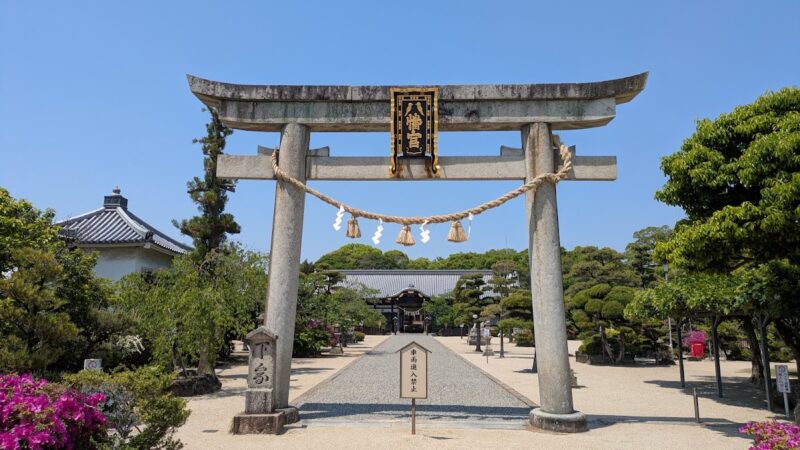
- Bow before passing through the torii gate
- Cleanse your hands and mouth at the water basin
- Bow twice, clap twice, and bow once in front of the main hall
- Stroll quietly around the shrine grounds
Photography
Photography is generally permitted within the shrine grounds, but is prohibited inside the treasure hall. Please be considerate of other visitors.
Attire
There are no specific dress code requirements, but as it is a sacred place, it is recommended to avoid revealing clothing and wear clean, presentable attire.
Summary of the Charms of Konda Hachimangu Shrine
Konda Hachimangu Shrine is a historically and culturally highly valuable shrine, being the oldest Hachimangu shrine in Japan with a history of over 1400 years. This shrine boasts numerous attractions, including a national treasure portable shrine, other valuable cultural assets, a magnificent shrine rebuilt by Toyotomi Hideyori, and a unique location adjacent to the tomb of Emperor Ojin.
With easy access from Osaka city, and surrounded by numerous World Heritage sites such as ancient burial mounds and historical landmarks, it’s an ideal base for historical exploration. Why not enjoy a leisurely visit, feeling the weight of history in the tranquil grounds?
Homuda Hachimangu Shrine, considered the origin of Hachiman worship in Japan, is filled with a rich history and profound culture that cannot be fully appreciated in a single visit. It’s a must-visit spot when you’re in Osaka Prefecture.