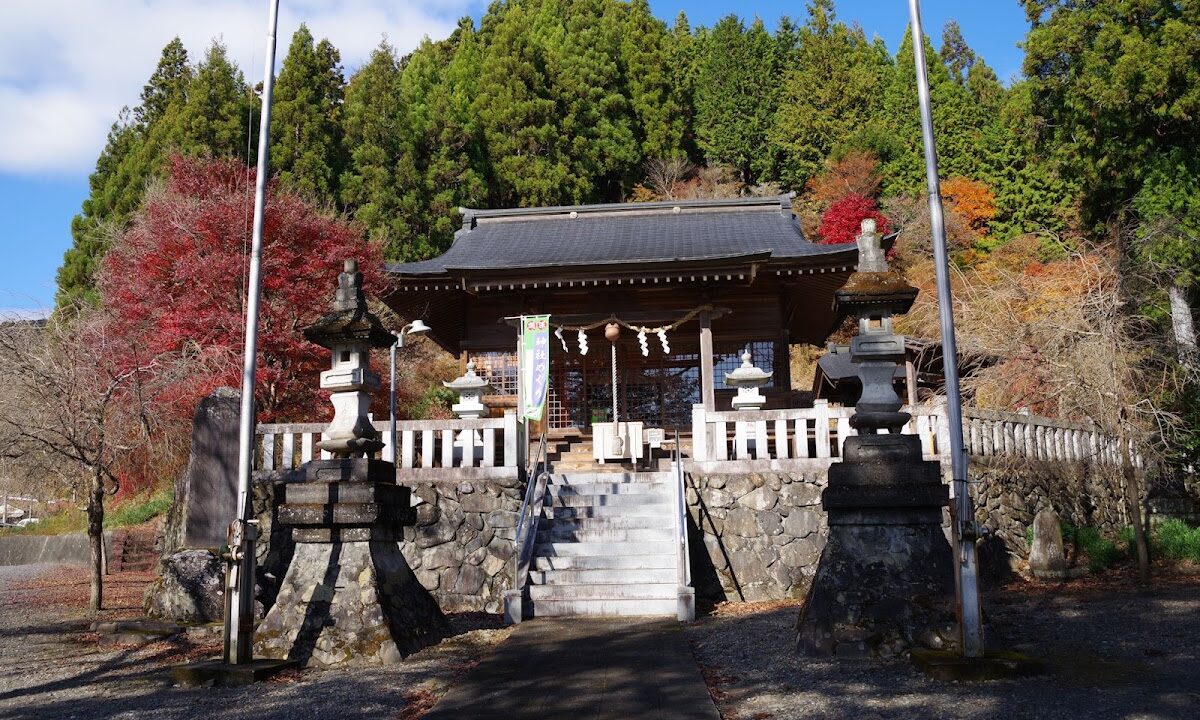
Complete Guide to Hanashitsu Shrine (Ibaraki Prefecture) | History, Blessings, Access, and Highlights Explained in Detail
Hanashitsu Shrine, nestled quietly in the mountains of Daigo-machi, Kuji-gun, Ibaraki Prefecture, is a shrine that has been revered by the local people for centuries as a deity of safe childbirth and child-rearing. The spring festival, held once every five years, is a precious event that strongly reflects the region’s traditional culture. This article provides detailed information you should know before visiting Hanashitsu Shrine, including its history, enshrined deities, blessings, access methods, and highlights.
Basic Information about Hanashitsu Shrine
Location and Contact Information
Location: 931, Oaza Sakanuki, Daigo-machi, Kuji-gun, Ibaraki Prefecture
Hanashitsu Shrine is located in the Sakanuki district of Daigo-machi, in the northwestern part of Ibaraki Prefecture, near the border with Fukushima Prefecture. Surrounded by abundant nature, it is a place where you can enjoy the beautiful scenery of each season.
Access Information
Access by Train:
- Approximately 15 minutes by car from Hitachi-Daigo Station on the JR Suigun Line
- Taking a taxi from Hitachi-Daigo Station is convenient.
Access by Car:
- Approximately 50 minutes via National Route 118 from Naka IC on the Joban Expressway
- Approximately 60 minutes via National Routes 289 and 118 from Shirakawa IC on the Tohoku Expressway
- There are a few parking spaces available around the shrine.
Access by public transport is somewhat inconvenient, so visiting by car is recommended. Daigo Town is a naturally rich area known as “Okukuji,” and you can enjoy beautiful rural scenery on the way to Hanashitsu Shrine.
Visiting Hours and Fees
Visiting Hours: Open all day (Shrine office hours may be limited)
Admission Fee: Free
Closed Days: None
History and Founding of Hanashitsu Shrine
Shrine History
While there are no clear records regarding the founding date of Hanashitsu Shrine, it is known as a shrine that has been enshrined in the region for a long time. The place name “Hanashitsu” is said to originate from the fact that this area was once a famous cherry blossom viewing spot, and the shrine’s name is thought to have been derived from this place name.
During the Edo period, as part of the Mito Domain, it was revered as the local tutelary deity, and was particularly worshipped by pregnant women and parents as a god of safe childbirth and child-rearing. Even during the Meiji era’s shrine consolidation decree, it survived as an independent shrine due to strong demands from local residents, and continues to exist to this day.
Relationship with Fuji Sengen Shrine
The deity enshrined at Hanashitsu Shrine, Konohanasakuya-hime no Mikoto, is believed to have been invited from the Sengen Shrine on Mount Fuji. Sengen worship spread throughout Japan during the Edo period, and Sengen Shrines were built in various locations. Hanashitsu Shrine is considered one of these shrines, and by enshrining Konohanasakuya-hime no Mikoto, who is associated with the “goddess of cherry blossoms,” it has become a center of worship for the region, praying for fertility and safe childbirth.
Enshrined Deity and Benefits
Konohanasakuya-hime no Mikoto
The enshrined deity at Hanashitsu Shrine is Konohanasakuya-hime no Mikoto. She is a goddess appearing in Japanese mythology, and in the Kojiki and Nihon Shoki, she is depicted as a deity who plays an important role in the myth of the descent of the heavenly grandchild.
Konohanasakuya-hime became the consort of Ninigi-no-Mikoto, the grandson of Amaterasu-Omikami. She became pregnant overnight, which raised suspicions, but the myth tells that she set fire to the birthing hut and safely gave birth to three children inside. Because of this anecdote, she became widely worshipped as the goddess of safe childbirth.
Main Benefits
The main benefits that can be received at Hanashitsu Shrine are as follows:
- Safe Childbirth: The most representative benefit based on the myth of Konohanasakuya-hime no Mikoto
- Childbearing: Many couples visit hoping to be blessed with children
- Child Rearing: As a deity that watches over the healthy growth of children
- Family Safety: Protecting the peace and happiness of the family
- Matchmaking: Also believed to bring good fortune in relationships
Especially regarding safe childbirth and child rearing, pregnant women and parents raising children in the area have continued to visit the shrine for generations, and the saying “If you pray to the god of Hanashitsu, you will have a safe childbirth” is still passed down today.
Spring Grand Festival Held Once Every Five Years
History and Characteristics of the Grand Festival
The biggest highlight of Hanashitsu Shrine is the Spring Grand Festival, held once every five years. The annual festival is held on April 1st and 2nd, but a particularly grand festival takes place every five years. This cyclical grand festival has become established as a wisdom for preserving tradition while addressing the practical challenges of population decline and aging in the region.
Festival Contents
The following traditional Shinto rituals and events are performed at the Spring Grand Festival:
- Portable Shrine Procession: The portable shrine is paraded through the community, praying for a bountiful harvest and the safety of the region.
- Kagura Performance: Traditional Kagura (sacred dance) is performed to entertain the gods.
- Lion Dance: A lion dance passed down in the region is performed.
- Mochi Throwing: Mochi (rice cakes) are thrown to worshippers, sharing good fortune.
Connection with the Local Community
The grand festival, held once every five years, is a major event in which all residents of the community participate in the preparation and operation. Even those who normally live in urban areas return home for this festival to help with cleaning the shrine and preparing for the festivities. In this way, the Hanashitsu Shrine Spring Grand Festival plays an important role as a place to reaffirm community bonds and foster intergenerational exchange.
For information on the next grand festival, please check local information and the Daigo Town Tourism Association’s announcements.
Highlights of the Shrine Grounds
Shrine Buildings and Architectural Style
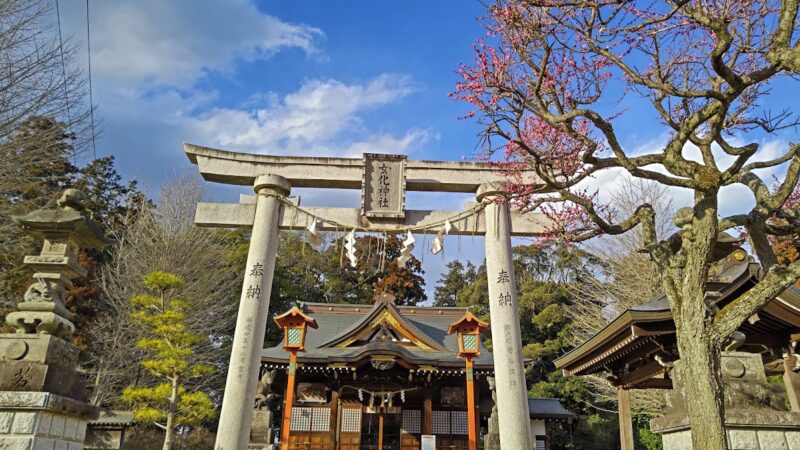
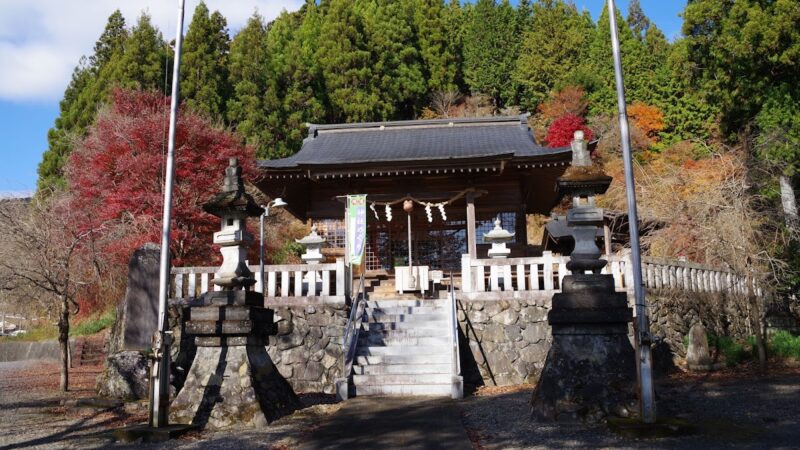
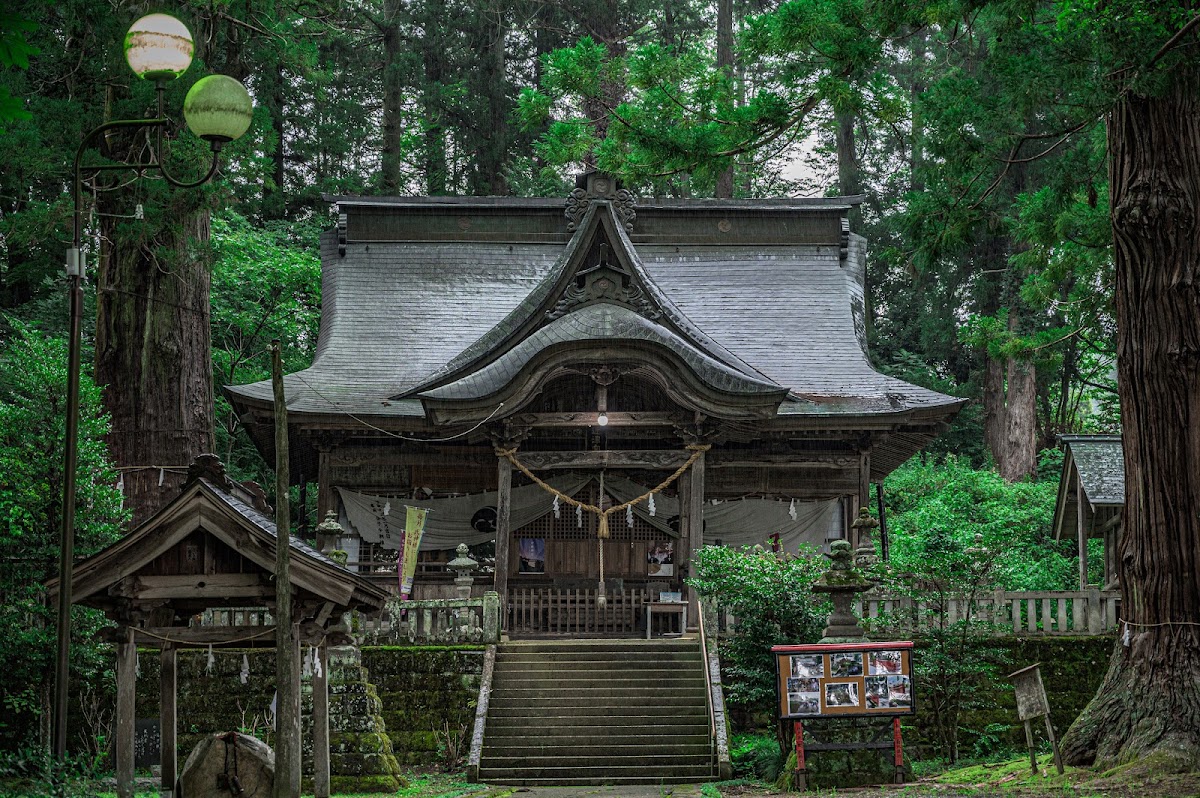
The Hanashitsu Shrine buildings are built on a sloping hillside, utilizing the natural terrain. The main hall, though simple, is meticulously maintained, reflecting the deep faith of the local people.
There are stone steps in front of the worship hall, and the view of the shrine from there exudes a solemn atmosphere. The architectural style is typical of Shinmei-zukuri, a simple yet sacred space.
Natural Environment of the Shrine Grounds
One of the great attractions of Hanashitsu Shrine is its rich natural environment. The shrine grounds and surrounding area offer the following natural attractions:
- Cherry Trees: True to its name, “Hanamuro” (Flower Room), cherry blossoms bloom profusely in spring.
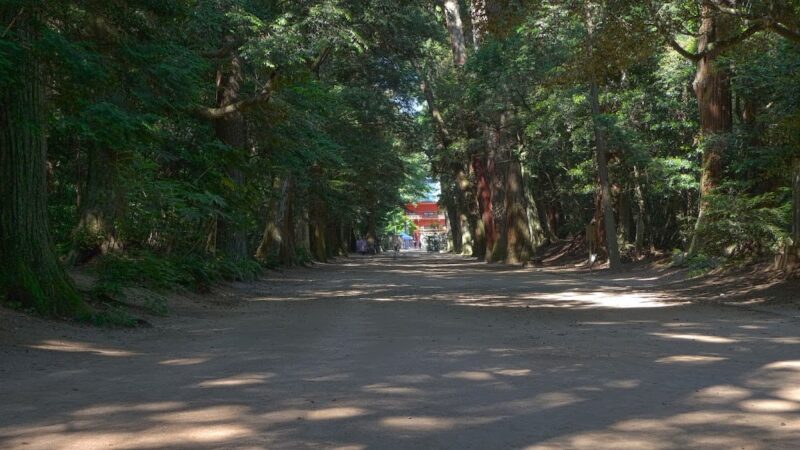
- Ancient Cedar Trees: Several ancient cedar trees stand on the grounds, creating a sacred atmosphere.
- Seasonal Flowers: Various wildflowers adorn the grounds throughout the seasons.
The spring cherry blossom season, in particular, is an ideal time to visit, especially given the deity Konohanasakuya-hime’s role as the “Goddess of Cherry Blossoms.”
Stone Monuments and Offerings
The shrine grounds are dotted with stone monuments and lanterns donated by successive generations of parishioners. These offerings bear inscriptions from the late Edo period through the Meiji, Taisho, and Showa eras, serving as evidence of the long history and care the local people have given to this shrine.
Nearby Tourist Attractions
Daigo Town, where Hanamuro Shrine is located, and its surrounding areas boast numerous attractive tourist spots. Visiting these places in conjunction with a shrine visit will make your trip even more fulfilling.
Fukuroda Falls
Fukuroda Falls is a representative tourist attraction of Daigo Town. It is a magnificent waterfall, 120m high and 73m wide, and is considered one of Japan’s three most famous waterfalls. Because it falls in four stages, it is also called “Shido no Taki” (Four-Stage Waterfall). It is about a 20-minute drive from Hanashitsu Shrine.
Tsukimachi Falls
This beautiful waterfall, 17m high and 12m wide, is known as “Urami no Taki” (Waterfall Seen from Behind), where you can walk behind the falls. It is a healing spot full of negative ions.
Daigo Onsen (Hot Springs)
This hot spring resort is surrounded by the mountains of Okukuji and has many day-trip bathing facilities. It is recommended to relax in the hot springs after visiting the shrine.
Apple and Grape Picking
Daigo Town is a region where fruit cultivation is thriving, and in autumn you can enjoy apple and grape picking. Enjoy fresh fruit while taking in the scenic beauty of the countryside.
Hanazono Shrine (Kitaibaraki City)
Also in Ibaraki Prefecture is Hanazono Shrine, located at 567 Hanazono, Hanakawa-cho, Kitaibaraki City. Situated at the foot of the Hanazono Valley, this shrine boasts a majestic atmosphere with ancient cedar trees over 600 years old and is also famous for its rhododendrons. While it’s a different shrine from Hanashitsu Shrine, they share a commonality in their rich natural environment, making a visit to both during a shrine tour of Ibaraki Prefecture quite interesting.
Manners and Precautions for Visiting a Shrine
Basic Worship Etiquette
When visiting Hanashitsu Shrine, please observe the following basic etiquette:
- Bow before passing through the torii gate: As a sign of respect before entering the sacred area.
- Purify yourself at the water basin: Purify in the order of left hand → right hand → mouth → left hand.
- Two bows, two claps, one bow: Basic worship etiquette in front of the main hall.
- Worship quietly: Be mindful that this is a sacred place.
Clothing and Belongings
- Clothing: Casual attire is acceptable, but please avoid revealing clothing.
- Shoes: As there are stone steps and unpaved areas within the shrine grounds, comfortable walking shoes are recommended.
- Seasonal Precautions: As it is in a mountainous area, bring insect repellent in summer and warm clothing in winter.
Photography
Photography is generally permitted within the shrine grounds, but please note the following:
- Please refrain from taking photos inside the main shrine.
- Please be considerate of other worshippers.
- When posting on social media, please be mindful of the location (to maintain a peaceful environment).
Annual Events at Hanashitsu Shrine
Spring Grand Festival (April 1st & 2nd)
As mentioned above, the annual festival is held on April 1st and 2nd every year, with a grand festival taking place once every five years. It often coincides with the cherry blossom season, making for a beautiful festival.
Autumn Grand Festival
An annual festival is also held in the autumn, expressing gratitude for the harvest and praying for a bountiful harvest the following year. While not as large-scale as the spring festival, it is an important event for the community.
Monthly Festivals
Small-scale festivals are held on fixed days each month by the parishioners’ representatives and local volunteers. These ensure the maintenance of the shrine and the continuation of faith.
Information on Goshuin (Shrine Seals) and Amulets
About Goshuin
Goshuin are available at Hanashitsu Shrine, but since there is no resident priest, prior contact may be necessary. If you want to be sure to receive a goshuin, it is recommended to contact the priest who manages the shrines within Daigo Town in advance.
Amulets and Other Items
There are items related to the blessings of the enshrined deity, such as amulets for safe childbirth and amulets for child-rearing. However, since the shrine office is not always open, it is advisable to check in advance if you wish to purchase any items.
Community Engagement and Future Prospects
Depopulation and Shrine Maintenance
The Okukuji region, including Daigo Town, faces the challenges of population decline and aging, similar to many mountainous and rural areas in Japan. Hanashitsu Shrine is no exception, and maintenance is becoming increasingly difficult due to a decrease in parishioners.
However, by continuing the spring festival held once every five years, opportunities for people from the area and related parties to gather regularly are created, and the community centered around the shrine is being maintained.
Potential as a Tourism Resource
In recent years, Daigo Town has been focusing on tourism promotion, and efforts are underway to attract tourists by utilizing natural resources such as Fukuroda Falls. Hanashitsu Shrine, as a deity of safe childbirth and child-rearing, and as a place to convey local traditional culture, has the potential to be incorporated into tourist routes.
While maintaining the atmosphere of a quiet mountain shrine, it is expected to play a role in conveying the history and culture of the region to visitors.
Value as a Cultural Asset
The traditional events of Hanashitsu Shrine, such as the Spring Grand Festival and Kagura (sacred dance), are valuable as intangible cultural assets of the region. Efforts to record, preserve, and pass these on to future generations are also important.
Summary: The Charm of Hanashitsu Shrine
Located in Daigo Town, Kuji District, Ibaraki Prefecture, Hanashitsu Shrine is a shrine that attracts deep-rooted faith in the community as a deity of safe childbirth and child-rearing. It enshrines Konohanasakuya-hime no Mikoto, and the Spring Grand Festival, held once every five years, is a festival that strongly reflects the region’s traditional culture.
Nestled amidst abundant nature, the tranquil grounds of the shrine offer the perfect place to escape the hustle and bustle of everyday life and find peace of mind. With many other tourist attractions nearby, such as Fukuroda Falls, a visit to the shrine in conjunction with sightseeing in Daigo Town will make for a more fulfilling experience.
Why not visit Hanashitsu Shrine to pray for a safe delivery, for the success of your children, or simply to experience the local history and culture? You’re sure to find a peaceful moment in this shrine nestled in the quiet mountains.