Complete Guide to Onabake Shrine (Ibaraki Prefecture) | The Legend of the Fox’s Gratitude, Goshuin (Shrine Seal), and Access Information
Onabake Shrine, located in Ryugasaki City, Ibaraki Prefecture, is an Inari shrine famous for the nationally renowned legend of the “Fox’s Gratitude.” Its unusual location, situated within Ushiku City as an exclave of Ryugasaki City, makes it a beloved deity of abundant harvests and business prosperity among locals. This article comprehensively covers information useful for visitors, including the history of Onabake Shrine, Goshuin information, highlights of the grounds, and access methods.
What is Onabake Shrine? | Basic Information and Overview
Onabake Shrine, also officially known as “Onabake Inari Shrine,” is located in Naruma-cho, Ryugasaki City, Ibaraki Prefecture. However, its actual grounds are within Onabake-cho, Ushiku City, making it an administrative exclave. This unique geographical situation is deeply intertwined with the shrine’s history.
Deity and Divine Virtues
The main deity is Ukemochi-no-Mikoto, revered as the god of food. This deity bestows blessings such as abundant harvests, business prosperity, and family safety, and has attracted deep devotion, especially from those involved in agriculture and commerce. As an Inari shrine, numerous fox statues are dedicated within the grounds, and walking along the approach to the shrine evokes a unique atmosphere.
Location and Jurisdiction
- Location: 5387 Naruma-cho, Ryugasaki City, Ibaraki Prefecture (Shrine grounds are within Onna-ke-cho, Ushiku City)
- Jurisdiction: Managed as a shrine of Ryugasaki City
- Shrine Rank: Former Village Shrine
This unique situation of being an exclave is a result of the Edo-period village boundary being carried over to the present day, making it a valuable example that tells the history of the region.
The History of Onna-ke Shrine | From Founding to the Present
There are various theories regarding the founding date of Onna-ke Shrine, but records indicate that it was already a center of local faith at least by the early Edo period.
Onna-ke Shrine in the Edo Period
During the Edo period, agriculture flourished in this region, and the shrine attracted the faith of farmers praying for a bountiful harvest. Especially on the first day of the Horse in the second month of the lunar calendar, a grand festival was held, and it is said that many worshippers came from neighboring villages. Even then, a plant market was held, and it was known as a lively festival where farming tools and seedlings were bought and sold.
Changes After the Meiji Era
Even after the Meiji-era separation of Shinto and Buddhism, the shrine continued to be worshipped as the local guardian deity. During the post-war period of rapid economic growth, not only agricultural workers but also merchants and industrialists praying for business prosperity increased, broadening the scope of worship.
In recent years, the legend of the fox’s gratitude has been re-evaluated, and the shrine has begun to attract attention as a tourist spot. Local residents are actively involved in preservation efforts, meticulously maintaining the shrine grounds and passing down festival traditions.
The Legend of the Fox’s Gratitude | A Story Passed Down at Onna-ke Shrine
The legend of the “Fox’s Gratitude” is essential when discussing Onna-ke Shrine. This story is known throughout Japan and is the origin of the shrine’s name.
Summary of the Legend
Long ago, a kind-hearted man named Chugoro lived in this region. One day, Chugoro rescued a white fox being chased by a hunter. The fox, whose life was saved, transformed into a beautiful woman and visited Chugoro, becoming his wife.
The two lived happily and had children, but one day, the wife’s true identity as a fox was revealed. Upon learning her true identity, the wife declared, “I am the fox whose life you saved before. I became your wife to repay your kindness, but now that you know my true identity, I can no longer stay here,” and she left, leaving their child behind.
Afterward, Chugoro is said to have built a shrine in memory of his wife, which is considered the beginning of Onabake Shrine. The name “Onabake” is said to originate from the legend of a fox transforming into a woman.
Significance of the Legend
This legend is not merely a folktale, but a moral story that conveys the importance of coexistence between humans and nature, and the value of gratitude and appreciation, and has been passed down through generations in the region. Even today, this legend remains an important cultural asset of the shrine, and many visitors come to the grounds reflecting on this story.
Highlights of the Shrine Grounds | Introduction to Visiting Spots
The grounds of Onabake Shrine retain numerous historical buildings and offerings.
Main Hall and Worship Hall
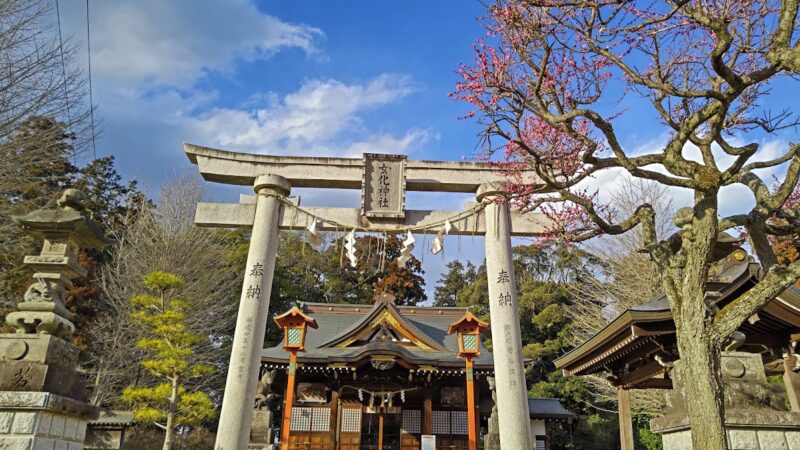
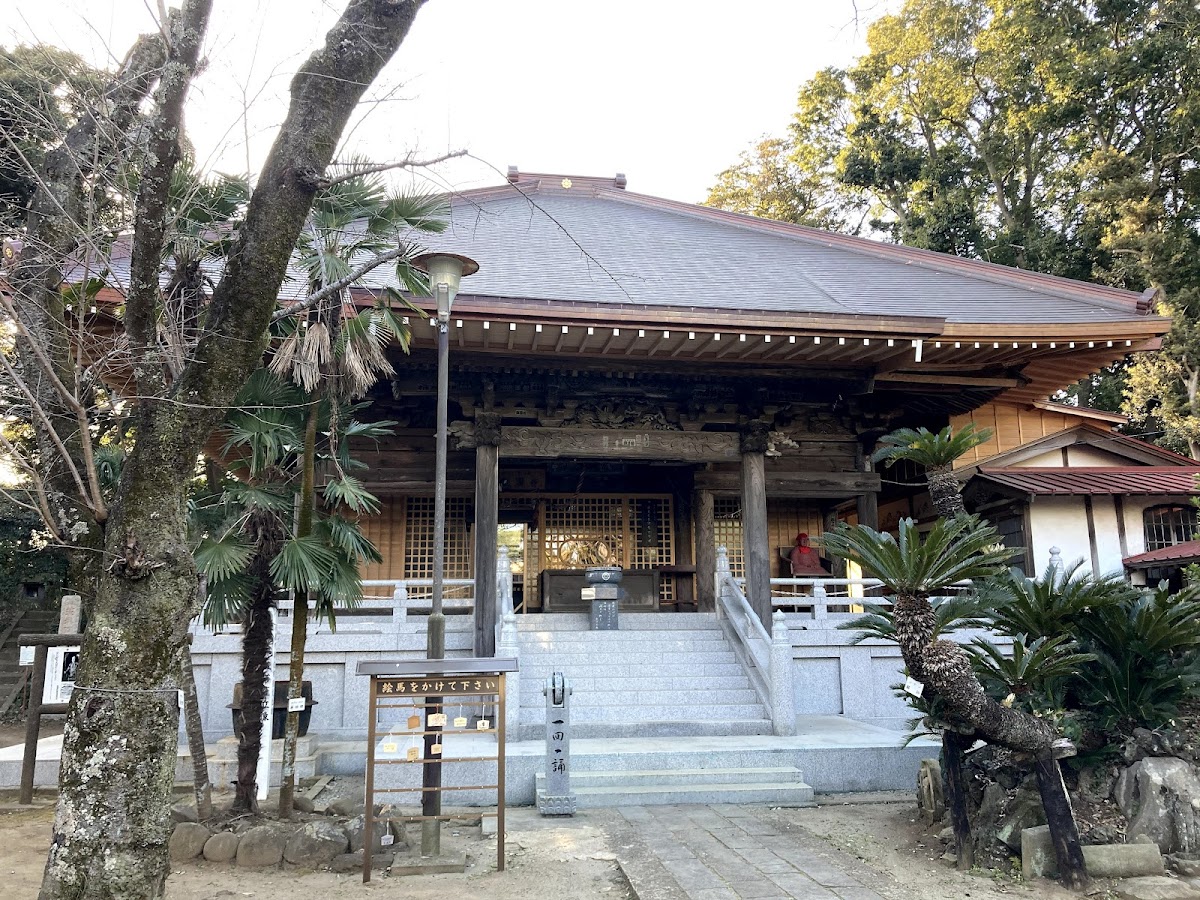
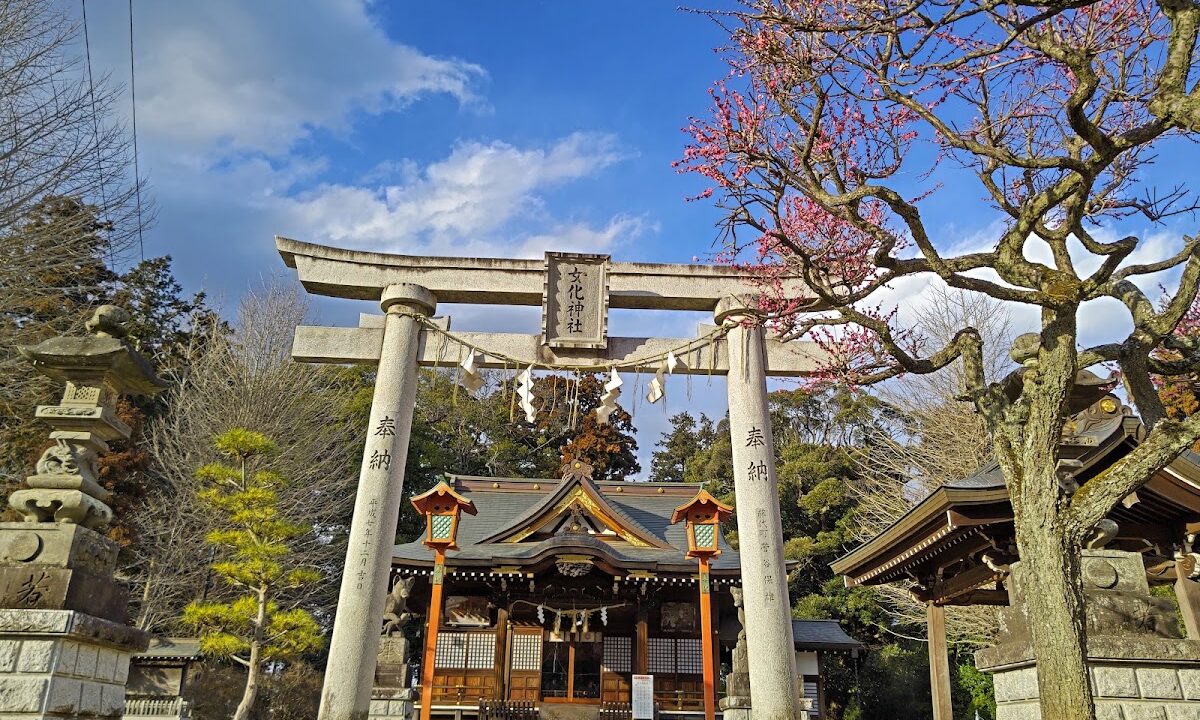
The vermilion-lacquered shrine buildings welcome visitors with the vibrant colors characteristic of Inari shrines. The main hall retains the architectural style of the late Edo period, and the carvings and decorations showcase the craftsmanship of the time. In front of the main hall, instead of guardian lions (komainu), statues of foxes are placed, symbolizing Inari worship.
Approach and Torii Gates
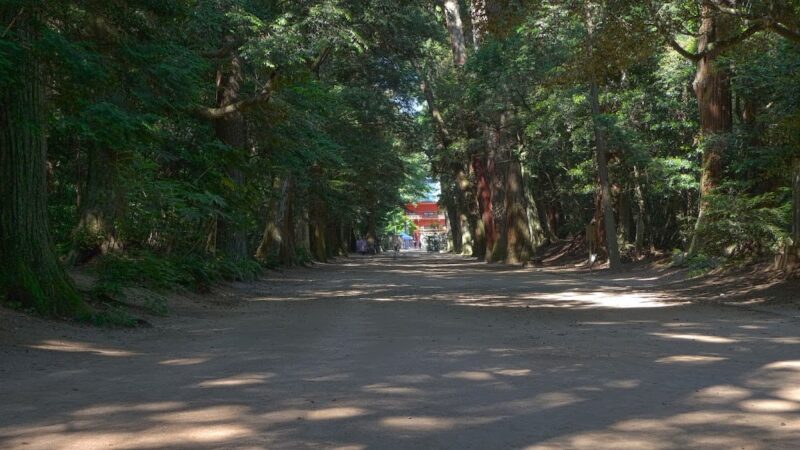
The approach to the shrine is lined with multiple vermilion torii gates, creating a sacred atmosphere as an entrance to the divine realm. Ancient trees line the path, allowing visitors to enjoy the beauty of nature throughout the seasons. The spring season, with its fresh greenery, and the autumn season, with its vibrant foliage, are particularly popular times for worshippers.
Fox Statues and Offerings
Numerous fox statues, donated by worshippers, are placed throughout the shrine grounds. Each has a different expression and posture, making it enjoyable just to look around. Many of these statues were donated as thanks for wishes being granted, demonstrating the deep faith in the shrine.
Subsidiary Shrines
Several subsidiary shrines are also enshrined around the main hall. These enshrine local guardian deities or gods with specific divine virtues, allowing worshippers to pray according to their individual wishes.
Goshuin Information | Issuance Time and Types
At Onna-ke Shrine, goshuin (shrine stamps) are given as a memento of your visit. Goshuin are proof of your visit to the shrine, and many visitors collect them.
Characteristics of Goshuin
The goshuin at Onna-ke Shrine features a simple yet powerful design with the calligraphy of “Onna-ke Shrine” or “Onna-ke Inari Shrine” and the shrine’s seal. As befits an Inari shrine, a fox motif may also be included.
Place and Time of Issuance
Goshuin are given at the shrine office. However, since there may not always be a resident priest, it is recommended to call ahead to confirm if you definitely want a goshuin.
Estimated Issuance Time:
- Regular days: Around 9:00 AM to 4:00 PM (irregular)
- Festival days such as Hatsuumasai: May be available all day
About Goshuincho (Goshuin Notebooks)
Regarding the availability of Onna-ke Shrine’s original goshuincho, please inquire upon your visit. Bringing a goshuincho (stamp book) from another shrine in Ibaraki Prefecture is perfectly acceptable.
Manners for Receiving Goshuin
Goshuin are proof of your visit, so be sure to receive them only after you have completed your prayers. Be polite at the shrine office, and having around 300-500 yen (the offering fee) ready will ensure a smooth process.
Annual Events and Festivals | The Charm of the Hatsuumasai Festival
At Onna-ke Shrine, various festivals are held throughout the year, but the most magnificent is the Hatsuumasai Festival.
Hatsuumasai Festival
Date: The first Day of the Horse in the second month of the lunar calendar
The Hatsuumasai Festival is the most important festival of Inari shrines, and a traditional event that has continued at Onna-ke Shrine since the Edo period. Many stalls line the shrine grounds on this day, and the plant market is particularly famous.
Highlights of the Hatsuumasai Festival:
- Plant Market: Seedlings, flowers, and gardening supplies are sold, attracting farmers and gardening enthusiasts.
- Festival Stalls: Food stalls and toy vendors line the streets, providing enjoyment for families.
- Special Prayer: Prayers are offered for business prosperity and a bountiful harvest.
- Worshipper Queue: Many worshippers from within and outside the prefecture visit, creating a lively atmosphere along the approach to the shrine.
Other Annual Events
- New Year’s Day Festival: January 1st, prayers for the new year.
- Spring Grand Festival: Prayers for a bountiful harvest before the spring harvest.
- Autumn Grand Festival: Autumn harvest thanksgiving festival.
- Monthly Festival: Regular festivals held on the 1st and 15th of each month.
Access Information | How to Get There by Train and Car
Detailed explanations of how to access Onna-ke Shrine by public transport and private car.
Access by Train
Nearest Station: Kanto Railway Ryugasaki Line, “Iriji Station”
- From Tokyo:
- Take the JR Joban Line and get off at “Sanuki Station”
- Transfer to the Kanto Railway Ryugasaki Line and get off at “Iriji Station”
- Approximately 20 minutes on foot from Iriji Station, or approximately 5 minutes by taxi
- From Mito:
- Take the JR Joban Line and get off at “Sanuki Station”
- Follow the same directions as above
Note: The Kanto Railway Ryugasaki Line has infrequent service, so it is recommended to check the timetable in advance.
Access by Car
Route from Major Roads:
- Using the Joban Expressway:
- Approximately 20 minutes from “Yatabe IC”
- Approximately 25 minutes from “Sakura Tsuchiura IC”
- Using General Roads:
- Via Prefectural Road Ryugasaki-Ami Line from National Route 6
- Via Prefectural Road Ryugasaki-Ushiku Line from National Route 408
Parking Information:
- Free parking available for visitors on the shrine grounds (approximately 20 regular cars)
- Temporary parking may be available on festival days such as Hatsuumasai
- Consider using nearby paid parking lots if the main parking lot is full
Address and Navigation Settings
Address: 5387 Naruma-cho, Ryugasaki City, Ibaraki Prefecture
Searching for “Onna-ke Shrine” or “Onna-ke Inari Shrine” on your car navigation system or smartphone map app will display the location. However, due to the complex address format, searching by phone number is also effective.
Nearby Tourist Attractions | Places to Visit Together
When visiting Onna-ke Shrine, you can enjoy a more fulfilling Ibaraki sightseeing experience by also visiting nearby tourist attractions.
Ushiku Daibutsu
Located about 15 minutes by car from Onna-ke Shrine, the Ushiku Daibutsu is one of the world’s largest bronze statues, standing 120 meters tall. It is recognized by the Guinness Book of World Records and is a representative tourist attraction of Ibaraki Prefecture. There is an exhibition room inside the statue, and you can also take an elevator to the top.
Ushiku Chateau
Ushiku Chateau, which tells the history of Japanese winemaking, is a historical building constructed during the Meiji era. The brick building is beautiful, and you can enjoy wine tasting and dining at the restaurant. It is about 10 minutes by car from Onna-ke Shrine.
Ryugasaki City Historical and Folk Museum
This museum allows you to learn about the history and culture of Ryugasaki City, and also has exhibits related to the history of Onna-ke Shrine. Recommended for those who want to deepen their understanding of the region.
Ushiku Marsh
Ushiku Marsh, rich in nature, is an ideal spot for birdwatching and strolling. You can enjoy the scenery throughout the seasons, and the view at sunset is particularly renowned as a spectacular sight.
Manners and Precautions for Visiting the Shrine
When visiting Onna-ke Shrine, please observe basic shrine etiquette.
Basic Procedure for Worship
- Bow before passing through the torii gate: A courtesy when entering the sacred area.
- Purify yourself at the water basin: Purify your left hand, right hand, and mouth in that order, and finally wash the handle of the ladle.
- Walk along the edge of the path: The center is considered the path of the gods.
- Worship at the main hall: Two bows, two claps, and one bow are the basic forms of worship.
- Bow again at the torii gate upon leaving: With gratitude.
Photography
Photography is generally permitted within the shrine grounds, but please refrain from taking photos inside the main hall or during festivals, or obtain permission beforehand. Remember to be considerate of other worshippers.
Attire
There are no specific dress code requirements, but clean clothing that reflects the sacred nature of the place is desirable. For formal worship on festival days such as the Hatsuumasai festival, formal attire such as a suit is appropriate.
Requesting Prayers
If you wish to request prayers for business prosperity, family safety, etc., it is recommended to make a reservation by phone in advance. Confirming the offering fee and duration beforehand will also ensure a smooth process.
Cultural Assets and Preservation Activities of Onna-ke Shrine
Onna-ke Shrine preserves valuable cultural assets that convey the history of the region.
Shrine Architecture
The current main hall retains the architectural style of the late Edo period, conveying the architectural techniques and religious practices of that time. Regular restoration work maintains its excellent condition.
Votive Plaques and Ema (Picture Tablets)
Within the shrine grounds, votive plaques and ema (picture tablets) donated from the Edo period to the modern era are preserved. These inscribe the wishes and gratitude of the people of that time, making them valuable resources for understanding the history of local faith.
Community Preservation Activities
The maintenance and management of Onna-ke Shrine are primarily carried out by the local parishioners’ organization. The shrine is protected through the cooperation of local residents, including several cleaning activities per year and preparations for festivals. In recent years, passing on traditions to younger generations has become a challenge, and various initiatives are being undertaken.
Comparison with other Inari shrines in Ibaraki Prefecture
While there are many Inari shrines in Ibaraki Prefecture besides Onna-ke Shrine, Onna-ke Shrine has its own unique characteristics.
Differences from Kasama Inari Shrine
Kasama Inari Shrine, a representative Inari shrine of Ibaraki Prefecture, is considered one of Japan’s three major Inari shrines and far surpasses Onna-ke Shrine in scale and number of visitors. However, Onna-ke Shrine’s charm lies in its unique narrative, the legend of the fox’s gratitude, and its simple, community-oriented atmosphere.
Characteristics as a local religious site
Onna-ke Shrine has not been developed into a large-scale tourist destination and continues to function as a place of worship rooted in the lives of local people. This character as a “living place of worship” is a major characteristic of the shrine.
Visitor experiences and reviews
Visitors who have actually visited Onna-ke Shrine have shared various impressions.
Evaluation of Atmosphere
Many visitors highly appreciate the tranquil and peaceful atmosphere of the shrine grounds. Comments include, “It’s calming to get away from the hustle and bustle of the city,” and “Visiting the shrine while contemplating the legend of the fox gives me a strange feeling.”
The Lively Atmosphere of the Hatsuumasai Festival
Visitors to the Hatsuumasai Festival report enjoying the festival’s unique atmosphere, such as, “The lively festival atmosphere is a stark contrast to the usual quiet setting,” and “I found some rare saplings at the plant market.”
Access
While some point out that it’s a bit of a distance from the station, there are also positive comments like, “Walking while enjoying the peaceful rural scenery isn’t bad.” Access by car is generally well-received.
Frequently Asked Questions (FAQ)
Q1. How do you pronounce Onabake Shrine?
It is pronounced “Onabake Jinja.” While it is sometimes pronounced “Onnabake Jinja,” the official pronunciation is “Onabake.” Also known as Onna-ke Inari Shrine.
Q2. Is it guaranteed that I can get a Goshuin (shrine stamp)?
Since there may not always be a resident priest, we recommend calling ahead to confirm if you definitely want a Goshuin. They are often available on festival days such as the Hatsuumasai (First Horse Day Festival).
Q3. When is the Hatsuumasai held?
It is held on the first Horse Day of the second month of the lunar calendar. The date varies each year in the Gregorian calendar, so please check with the shrine or Ryugasaki City’s tourist information beforehand.
Q4. Is there parking?
There is a free parking lot for visitors on the shrine grounds (approximately 20 spaces for regular cars). Temporary parking may be provided during busy periods such as the Hatsuumasai.
Q5. Is it possible to visit with a pet?
As with most shrines, it is considered bad manners to bring pets onto the shrine grounds. It is fine outside the grounds, but please keep them on a leash and be considerate of others by cleaning up after them.
Q6. What is the relationship between Onna-ke Shrine and Ushiku City/Ryugasaki City?
Although the shrine grounds are located within Onna-ke-cho, Ushiku City, administratively it is an exclave of Ryugasaki City. This is a result of the village boundaries from the Edo period being carried over.
Q7. How can I learn more about the legend of the fox’s repayment of kindness?
Related materials can be viewed at the Ryugasaki City Historical and Folk Museum. Detailed descriptions can also be found in folk tale collections published locally.
Summary | The Charm of Onna-ke Shrine
Onna-ke Shrine is an Inari shrine in Ibaraki Prefecture known for the heartwarming story of the fox’s repayment of kindness and its divine blessings for abundant harvests and business prosperity. It possesses many charms, including its unusual location as an exclave of Ryugasaki City despite being within Ushiku City, the tradition of the Hatsuumasai festival continuing since the Edo period, and its simple, locally rooted faith.
It is a precious place where you can find peace of mind and experience traditional Japanese faith in a quiet precinct away from the hustle and bustle of the city. This shrine is worth visiting for a variety of reasons, including collecting Goshuin (temple/shrine stamps), those interested in the history and culture of Ibaraki Prefecture, and those on a power spot tour.
Both the lively atmosphere of the Hatsuumasai festival and the tranquil grounds of the shrine on normal days have their own unique charm. We highly recommend visiting Onna-ke Shrine to experience its distinctive atmosphere and history. Combining a visit with nearby attractions such as the Ushiku Daibutsu (Great Buddha of Ushiku) and Ushiku Chateau will make for a fulfilling Ibaraki sightseeing experience.
When visiting, please observe basic manners and offer your prayers with sincerity, being mindful that this is a place of worship cherished by the local people. We hope your experience at Onna-ke Shrine will be a memorable one.