Aoyama Kumano Shrine (Tokyo) Complete Guide | History, Goshuin (Shrine Seal), Access, and Benefits Explained in Detail
Aoyama Kumano Shrine, located in Minami-Aoyama, Minato-ku, Tokyo, is a historic shrine that gave its name to the Aoyama area. Despite being in the hustle and bustle of central Tokyo, this shrine maintains a tranquil atmosphere and has been cherished by locals for generations. This article provides a detailed explanation of everything you need to know before visiting Aoyama Kumano Shrine, including its history, goshuin (shrine seal), access methods, benefits, and highlights within the grounds.
What is Aoyama Kumano Shrine?
Aoyama Kumano Shrine is a shrine located in Minami-Aoyama 2-chome, Minato-ku, Tokyo. It is a Kumano faith shrine that enshrined the deities of the Kumano Sanzan (Three Grand Shrines of Kumano in Kishu). The current place name Aoyama is said to originate from Aoyama Tadanari, the head priest of Baisoin Temple, which was the shrine’s affiliated temple. The shrine is known for its deep connection to the history of Aoyama.
Deities Enshrined
The deities enshrined at Aoyama Kumano Shrine are as follows:
- Izanagi-no-Mikoto
- Izanami-no-Mikoto
- Hayatama-no-O-no-Mikoto
- Kotosaka-no-O-no-Mikoto
These deities are revered as the gods of the Kumano Sanzan (Three Grand Shrines of Kumano in Kishu) and have attracted the faith of many people since ancient times.
History of Aoyama Kumano Shrine
Founding and History
Aoyama Kumano Shrine is said to have been founded during the Genna era (1615-1624). It is believed to have begun when Aoyama Tadanari, a senior retainer of Tokugawa Ieyasu, invited the deities from the Kumano Sanzan in Kishu (present-day Wakayama Prefecture) and enshrined them within his residence.
Aoyama Tadanari was a samurai who served Tokugawa Ieyasu and received this land after the establishment of the Edo Shogunate. He was a devout believer and is said to have enshrined Kumano Gongen as the guardian deity of his territory.
Origin of the Name Aoyama
The name “Aoyama” originates from the name of Aoyama Tadanari. The area Tadanari received became known as “the land of the Aoyama clan,” and eventually the name “Aoyama” became established. Even today, place names such as Aoyama, Minami-Aoyama, and Kita-Aoyama remain in Minato Ward, preserving this history.
From the Edo Period to the Present
Throughout the Edo period, Aoyama Kumano Shrine was revered as the tutelary deity of the Aoyama family and the surrounding residents. Although it was separated from its affiliated temple, Baishoin, due to the Meiji-era separation of Shinto and Buddhism, the shrine’s worship continued.
Despite enduring disasters such as the Great Kanto Earthquake and the Tokyo air raids, the shrine was rebuilt through the efforts of the local people and stands to this day. Even amidst the ongoing development of central Tokyo, it continues to be preserved as a valuable reminder of Aoyama’s history.
Benefits of Aoyama Kumano Shrine
Aoyama Kumano Shrine is believed to offer various benefits based on Kumano faith.
Main Benefits
- Matchmaking: As Izanagi-no-Mikoto and Izanami-no-Mikoto are a married couple, the shrine is believed to bring good fortune in relationships and marital harmony.
- Family Safety: The shrine is worshipped as a deity protecting the health and peace of families.
- Good Fortune and Prosperity: The shrine is believed to bring good fortune at new beginnings and turning points in life.
- Protection from Evil: The shrine is believed to ward off misfortune and protect oneself.
- Business Prosperity: Many people visit the shrine to pray for business development and prosperity.
Kumano faith has been called a “faith of rebirth” since ancient times and has been supported by people who wish for renewal and new beginnings in life.
Highlights of the Shrine Grounds
Shrine Building
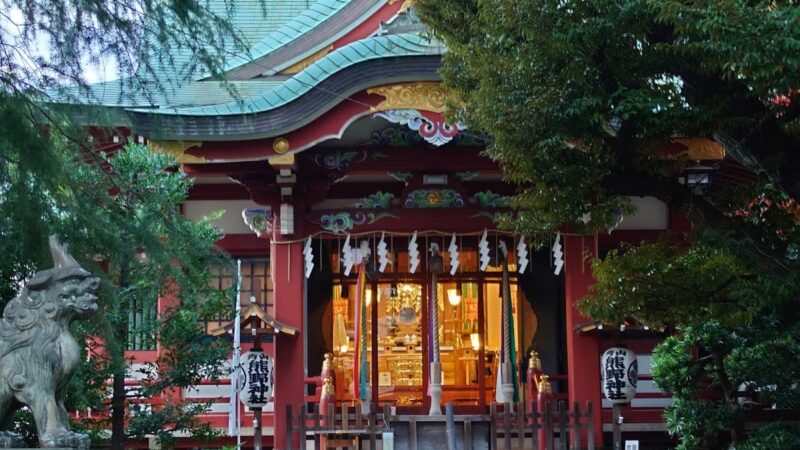
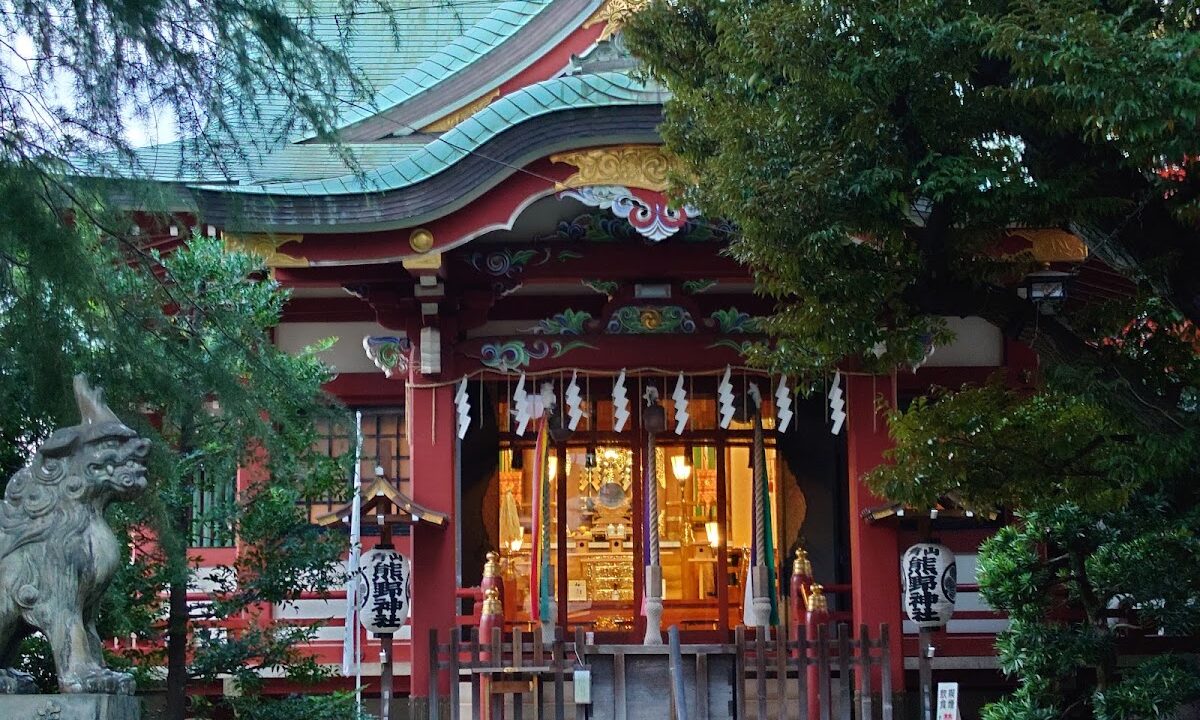
The shrine building of Aoyama Kumano Shrine, although rebuilt after the war, retains the style of traditional shrine architecture. Despite its compact size, it possesses a solemn atmosphere, creating a tranquil space even in the heart of the city.
Stone Monuments and Historical Relics
Within the shrine grounds, there are stone monuments and memorials that tell the history of Aoyama. These inscriptions reveal the history of faith from the Edo period and the changes in the region.
Atmosphere of the Shrine Grounds
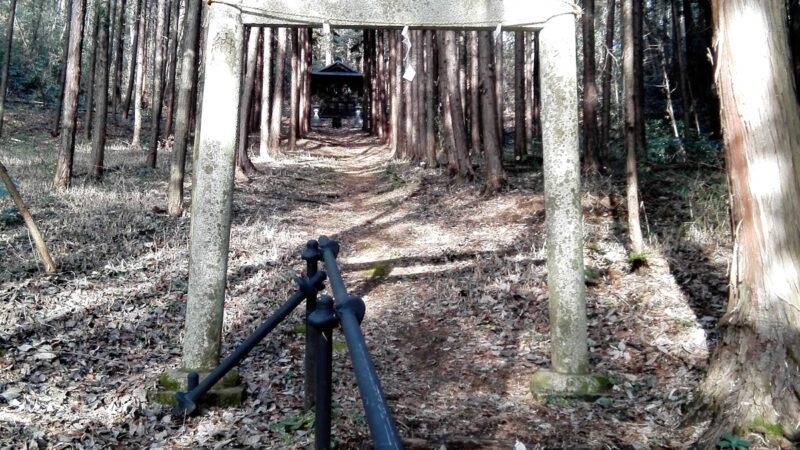
Despite being in the prime location of Aoyama in the heart of the city, the shrine grounds are enveloped in a calm atmosphere. Surrounded by trees, the grounds offer a quiet space that makes you forget the hustle and bustle of the city.
About Goshuin (Shrine Seals)
Issuance of Goshuin
Aoyama Kumano Shrine offers goshuin (shrine seals). However, since there may not always be a resident priest, it is recommended to check in advance before requesting a goshuin.
Features of the Goshuin (Shrine Seal)
The goshuin of Aoyama Kumano Shrine features the calligraphy of “Kumano Shrine” and the shrine’s seal. Its simple yet dignified design makes it a popular memento for many visitors.
About Goshuincho (Shrine Seal Books)
The availability of goshuincho may vary depending on the shrine’s circumstances. We recommend checking the latest information before your visit.
Access Information
Basic Information
- Address: 2-14-14 Minami-Aoyama, Minato-ku, Tokyo
- Nearest Station: Gaienmae Station, Tokyo Metro Ginza Line
Access by Train
Access from Gaienmae Station
The nearest station is Gaienmae Station on the Tokyo Metro Ginza Line.
- Exit from Exit 4 of Gaienmae Station.
- Walk along Aoyama-dori (National Route 246) towards Shibuya.
- Arrive at Aoyama Kumano Shrine in approximately 5 minutes on foot.
Access from Aoyama-itchome Station
It is also within walking distance from Aoyama-itchome Station on the Tokyo Metro Ginza Line, Hanzomon Line, and Toei Oedo Line.
- Exit from Exit 4 of Aoyama-itchome Station.
- Walk along Aoyama-dori towards Gaienmae.
- Arrive in approximately 10 minutes on foot.
Access by Bus
The “Aoyama-nichome” bus stop is accessible by Toei Bus and various other bus routes. It is approximately a 3-minute walk from the bus stop.
Access by Car and Parking
Aoyama Kumano Shrine does not have its own parking lot. If you are visiting by car, you will need to use a nearby coin-operated parking lot. However, parking fees in the Aoyama area are often expensive, so we recommend using public transportation.
Points to Note and Manners When Visiting
Visiting Hours
Aoyama Kumano Shrine is generally open for daytime visits. However, the shrine office’s operating hours may be limited. If you wish to obtain a Goshuin (shrine stamp) or other items, it is recommended to check in advance.
Visiting Manners
- Bow before passing through the torii gate: This is basic manners when entering the sacred area.
- Purify yourself at the water basin: Purify your left hand, right hand, and mouth in that order.
- Proper Worship Procedure: The basic procedure is two bows, two claps, and one bow.
- Worship Quietly: As the shrine is close to a residential area, please be considerate and avoid making noise.
- Photography Manners: Please be mindful of areas where photography is prohibited, such as inside the shrine buildings.
Clothing
There are no specific dress code regulations, but it is desirable to wear modest attire that reflects the sacred nature of the place.
Nearby Tourist Attractions
There are many tourist attractions and points of interest around Aoyama Kumano Shrine.
Baishoin Temple
Baishoin Temple, the former head temple of Aoyama Kumano Shrine, is located nearby. Known as the family temple of the Aoyama family, it also houses the grave of Aoyama Tadanari. It is an important place for understanding the history of Aoyama.
Aoyama-dori (National Route 246)
One of Japan’s leading fashion streets, lined with stylish shops and cafes. A stroll before or after visiting the shrine is highly recommended.
Nezu Museum
A private museum within walking distance of Aoyama Kumano Shrine. It boasts a valuable collection centered on East Asian ancient art and a beautiful Japanese garden.
Meiji Jingu Gaien (Meiji Shrine Outer Garden)
Meiji Jingu Gaien, the origin of the name of Gaienmae Station, is also nearby. The ginkgo tree-lined avenue is particularly beautiful during the autumn foliage season, attracting many tourists.
Omotesando/Harajuku Area
With a short walk, you can access Omotesando and Harajuku, two of Tokyo’s most representative shopping and entertainment districts. Enjoy shopping and dining.
Annual Events and Festivals
Aoyama Kumano Shrine holds various festivals throughout the year.
Main Annual Events
- Hatsumode (January 1st-3rd): The shrine is bustling with worshippers praying for happiness in the new year.
- Setsubun Festival (around February 3rd): A ceremony to ward off evil and invite good fortune.
- Reitaisai (Autumn): The shrine’s most important festival.
- Shichi-Go-San (November): A ceremony to celebrate the growth of children.
- Oharai (June/December): A Shinto ritual to purify oneself of sins and impurities accumulated over the past six months.
Specific dates and content may vary from year to year, so it is recommended to check in advance if you wish to participate.
The Charm of Aoyama Kumano Shrine
An Oasis in the City
The greatest charm of Aoyama Kumano Shrine is its quiet and peaceful atmosphere despite being in the heart of the city. In the Aoyama area, a center of fashion and business, it offers a precious space for finding peace of mind.
Historical Value
As the shrine from which the name Aoyama originates, it holds high historical and cultural value. With a history dating back to the Edo period, the shrine, which has walked hand in hand with Tokyo’s development, evokes a sense of historical romance in visitors.
Easy Access
Its convenient location, just a 5-minute walk from Gaienmae Station, is another attractive feature. It’s easy to stop by while strolling or shopping in the Aoyama area.
Connection to the Community
Even today, the shrine is loved and cherished by the local community. As the local guardian shrine, you can see people visiting regularly.
Visitor Feedback and Reviews
Visitors to Aoyama Kumano Shrine have shared comments such as:
- “The quiet atmosphere is unlike anything you’d expect in the city center; it was very calming.”
- “I learned about the origin of the name Aoyama and felt a sense of history.”
- “The grounds are compact, but well-maintained, making for a pleasant visit.”
- “It’s close to Gaienmae Station, making it easily accessible.”
- “It’s the perfect place to stop by during a stroll around Aoyama.”
Many visitors appreciate its historical significance, convenient access, and tranquil atmosphere.
Frequently Asked Questions
Can I get a Goshuin (shrine stamp) every day?
Aoyama Kumano Shrine does offer Goshuin, but there are times when a resident priest is not present. To ensure you receive a Goshuin, it’s recommended to call ahead or visit in the morning.
Is there parking?
There is no dedicated parking lot. Visitors arriving by car will need to use nearby coin-operated parking lots. Public transportation is the most convenient way to access the shrine.
Are amulets and talismans available?
Various amulets and talismans are available, but only during the shrine office’s opening hours. We recommend checking before your visit.
Do you offer wedding ceremonies or prayers?
For Shinto wedding ceremonies and various prayers, please contact the shrine directly. Due to its small size, the services offered may be limited.
How crowded is it during New Year’s?
Compared to famous shrines in the city center, it’s a relatively calm place to visit. However, the first three days of the New Year are busier than usual.
Summary
Aoyama Kumano Shrine is a historic shrine located in Minami-Aoyama, Minato-ku, Tokyo. As the shrine that gave its name to the Aoyama area, it has a long history dating back to the Edo period and continues to be cherished by the local community.
Despite its prime location in the city center, it maintains a quiet and peaceful atmosphere and is believed to offer blessings for matchmaking, family safety, and good fortune. Located just a 5-minute walk from Gaienmae Station, this shrine is easily accessible during a stroll through Aoyama.
The shrine also offers Goshuin (stamped seals), which are popular as a memento of one’s visit. With many other attractions nearby, such as Baisoin Temple, Nezu Museum, and Meiji Jingu Gaien, exploring the Aoyama area for a full day is highly recommended.
Aoyama Kumano Shrine offers a glimpse into Tokyo’s history and culture. Be sure to visit and experience its tranquil atmosphere and the weight of its history. It’s a precious space where you can escape the hustle and bustle of the city and find peace of mind.