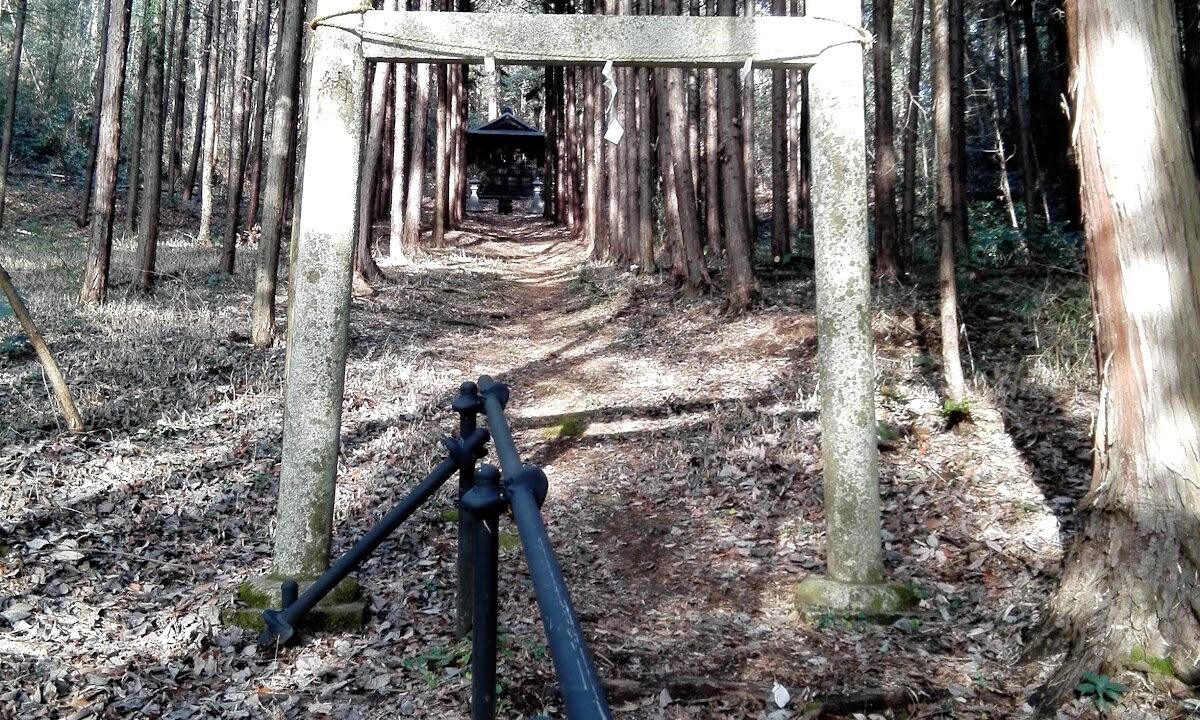
Egara Hachiman Shrine (Machida City, Tokyo) Complete Guide | History, Goshuin (Shrine Seal), Access, and Benefits Information
Egara Hachiman Shrine, located in Machida City, Tokyo, is a historical shrine deeply rooted in the community and cherished by many visitors. This article provides detailed information you should know before visiting, from the history of Egara Hachiman Shrine to its goshuin (shrine seal), access methods, and benefits.
What is Egara Hachiman Shrine?
Egara Hachiman Shrine is a Hachiman shrine located in Honmachida, Machida City, Tokyo. It enshrines Hachiman-sama as its main deity and has long been revered as the local guardian deity.
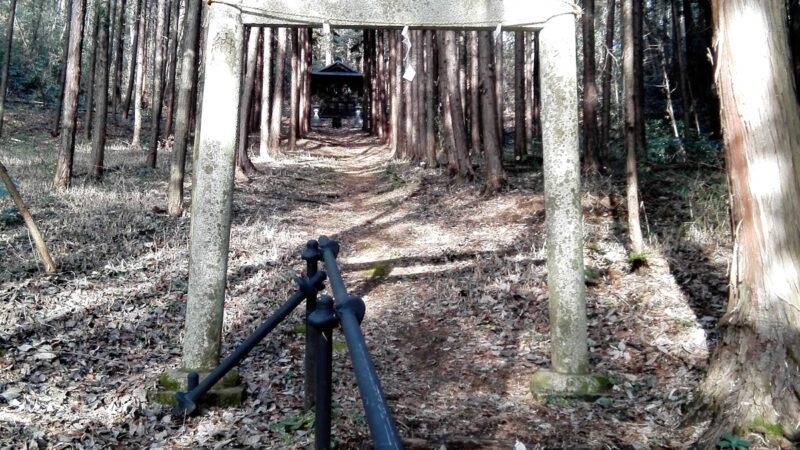
Nestled in a quiet residential area, this shrine offers a peaceful atmosphere away from the hustle and bustle of the city and is cherished as a center of faith and a spiritual haven for local people.
Origin of the Place Name Egara
The place name “Egara” is a name that has been passed down in this region since ancient times. It is believed that “E” refers to perilla (egoma), and “gara” means land, suggesting that the name originates from the fact that perilla cultivation was once thriving in this area. As a shrine bearing this place name, Egara Hachiman Shrine serves to convey the history of the region to the present day.
History of Egara Hachiman Shrine
Founding and History
There are various theories regarding the founding date of Egara Hachiman Shrine, but it is said to have been revered as the guardian shrine of this region from the medieval to the early modern period. Because it enshrines Hachiman, known as the guardian deity of samurai, it is thought that many people prayed for lasting military fortune during the samurai era.
The Machida City area has long been a region where agriculture flourished, and Egara Hachiman Shrine also played a role as a guardian deity of agriculture and a place to pray for a bountiful harvest. ### From the Edo Period to the Modern Era
During the Edo period, the shrine served as the guardian deity of the surrounding villages, attracting the faith of local residents. Even after the Meiji Restoration’s separation of Shinto and Buddhism, it continued to exist as a local shrine, carefully preserved by its parishioners.
Even as times changed from Showa to Heisei and then to Reiwa, Egara Hachiman Shrine remained a central presence in the local community, fostering community bonds through festivals and annual events.
Deities and Benefits
Main Deity: Emperor Ōjin (Homudawake-no-Mikoto)
The main deity of Egara Hachiman Shrine is Emperor Ōjin, also known as Hachiman-sama. He is also called Homudawake-no-Mikoto and has been worshipped since ancient times as a god of military fortune and victory.
Expected Benefits
The main benefits you can expect at Egara Hachiman Shrine are as follows:
- Protection from Evil and Good Fortune: Warding off evil spirits and improving your luck
- Good Luck in Competitions and Victory: Passing exams, winning sports, etc.
- Family Safety: Family health and peaceful living
- Business Prosperity: Success and prosperity in business
- Traffic Safety: Safe travel and protection during journeys
- Child Rearing and Safe Childbirth: Prayers for the healthy growth of children and safe childbirth
Hachiman is a god of war, but is also widely worshipped as a guardian deity of the people, and you can pray for protection in various aspects of life.
Highlights of the Shrine Grounds
Shrine Buildings
Egara Hachiman Shrine’s buildings maintain the style of traditional shrine architecture while possessing a friendly atmosphere befitting a local shrine. Both the main hall and the worship hall are carefully maintained, reflecting the deep respect the parishioners have for the shrine.
Shrines and Stone Monuments
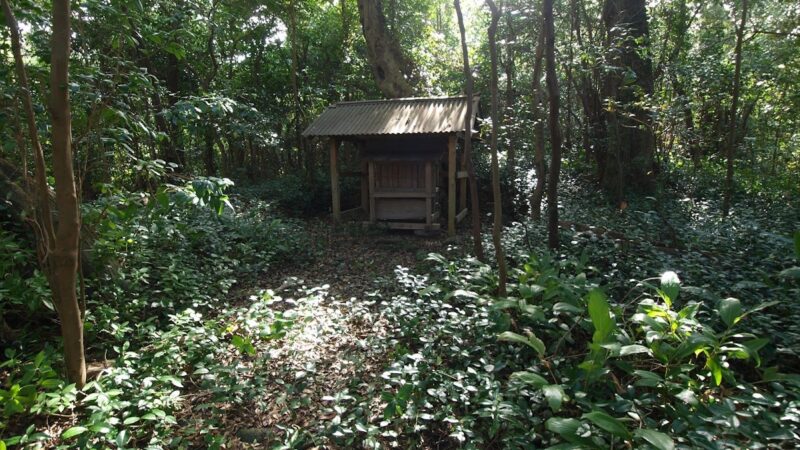
Several shrines and stone monuments are enshrined around the main hall. These were donated by the local people through their faith over a long history, and each has its own history and story.
Sacred Trees and Nature
Ancient trees line the shrine grounds, allowing visitors to experience rich nature despite being in an urban area. The trees in the grounds, which show different expressions in each season, allow visitors to feel the changing seasons.
Especially during the fresh green of spring and the autumn foliage, the grounds are beautifully colored, allowing visitors to enjoy a nature walk along with their worship.
Goshuin (Shrine Seal) Information
Regarding the Issuance of Goshuin
Egara Hachiman Shrine issues Goshuin (shrine seals). However, there may not always be a permanent shrine office, so it is recommended that those wishing to receive a Goshuin check in advance.
Some shrines in Machida City have priests who serve multiple shrines, and Egara Hachiman Shrine may be one such example. If you want to be sure to receive a Goshuin (temple/shrine stamp), it’s best to inquire by phone or other means beforehand, or confirm with the local representative.
Characteristics of Goshuin
Goshuin are inscribed with the shrine’s name and the date of visit in ink, and stamped with the shrine’s seal. Simple yet dignified, Goshuin are cherished as proof of worship.
When receiving a Goshuin, it is customary to bring your Goshuincho (stamp book) and respectfully request it after your visit. The offering fee is generally around 300 to 500 yen, but please offer what you feel is appropriate.
Access and Transportation Information
Location
Address: Honmachida, Machida City, Tokyo
For detailed street addresses, it is recommended to search for “Egara Hachiman Shrine Machida City” on a map app before visiting.
Access by Train
Nearest Station:
- Walking or bus from JR Yokohama Line/Odakyu Line “Machida Station”
- Bus from Odakyu Line “Tsurukawa Station”
Since it’s a bit of a distance from Machida Station, taking the bus is more convenient. Please check the Machida City bus route map in advance to find the nearest bus stop to the shrine.
Access by Car
Parking: There may be parking spaces for visitors on the shrine grounds, but they may be small. Since the surrounding area is residential, please avoid street parking and consider using nearby coin-operated parking lots.
Access from Major Roads:
- Approximately 15-20 minutes from Tomei Expressway “Yokohama-Machida IC”
- Accessible from National Route 16 and National Route 246
When searching with a car navigation system, if the shrine name doesn’t appear, try entering nearby landmarks.
Annual Events and Festivals
Grand Festival
Egara Hachiman Shrine holds its annual grand festival every autumn. Local parishioners gather for a procession of the portable shrine and various offerings, making it an important opportunity to strengthen community bonds.
The date of the grand festival may vary from year to year, so it is recommended that those wishing to participate check in advance.
New Year’s Events
The shrine is bustling with worshippers for the first shrine visit of the new year. From January 1st to the third day, many people visit to pray for safety and prosperity in the new year.
Events such as Dondo-yaki (Sagicho), a traditional New Year’s bonfire, are also held, and these are cherished as local traditions.
Other Annual Events
- Setsubun Festival (February): Events such as bean-throwing
- Summer Purification Ceremony (End of June): A Shinto ritual to purify oneself of impurities accumulated over the past six months
- Shichi-Go-San Festival (November): A visit to celebrate the growth of children
Manners and Etiquette for Visiting Shrines
Basic Etiquette for Visiting Shrines
The basic etiquette for visiting a shrine is as follows:
- Bow before passing through the torii gate: A courtesy before entering the sacred area
- Purify yourself at the water basin: Purify your left hand, right hand, and mouth in that order
- Walk along the edge of the path: The center is the path for the gods
- Etiquette in front of the main hall: Two bows, two claps, one bow
- Bow deeply twice
- Clap twice
- Pray with all your heart
- Bow deeply once
- Bow again at the torii gate when leaving: Expressing gratitude to the gods
Attire for Visiting the Shrine
Everyday clothes are acceptable, but please dress neatly and cleanly. If you are receiving a special prayer, more formal attire is preferable.
About Offerings
There are no set rules for the amount of your offering, but please offer it with gratitude. It is considered good manners to gently place coins into the offering box rather than throwing them in.
Nearby Attractions and Tourist Spots
Historical Spots in Machida City
Around Egara Hachiman Shrine, there are several spots where you can experience the history of Machida City:
- Machida City Museum: A facility where you can learn about the history and culture of the region.
- Yakushiike Park: A metropolitan park where you can enjoy nature throughout the seasons.
- Machida Tenmangu Shrine: A shrine dedicated to the god of learning.
Food and Shopping
The area around Machida Station has many commercial facilities, so you can enjoy food and shopping after visiting the shrine. Local restaurants offer unique Machida flavors.
Frequently Asked Questions
Q: Is Egara Hachiman Shrine open all year round?
A: While entry to the shrine grounds is generally free, the shrine office is not always open. If you wish to receive a Goshuin (shrine stamp) or prayers, we recommend checking in advance.
Q: Is there parking available?
A: There may be parking spaces for visitors, but the size is limited. Since the surrounding area is residential, please consider using public transportation.
Q: Is it possible to visit with a pet?
A: Generally, many shrines allow pets if they are carried or in a carrier, but you should refrain from letting them walk around the grounds. We recommend checking in advance.
Q: Can I receive prayers for Shichi-Go-San (a traditional Japanese rite of passage for children) or exorcism?
A: For various prayers, please contact the shrine in advance to confirm the date, time, and cost. If the chief priest also serves other duties, they may be able to accommodate specific dates and times.
Q: Do you sell Goshuincho (stamp books)?
A: The availability of Goshuincho varies depending on the shrine office. If you want to be sure to get one, we recommend checking in advance or bringing your own Goshuincho.
Machida City’s Shrine Culture and the Role of Egara Hachiman Shrine
As a Center of the Local Community
Egara Hachiman Shrine plays a central role in the local community, not merely as a religious facility. Through festivals and events, it has become a place for intergenerational exchange, fostering community bonds.
In the increasingly urbanized city of Machida, such community-oriented shrines are important bases for passing on traditional culture to the next generation.
The Parishioner System and Shrine Maintenance
Egara Hachiman Shrine has been carefully preserved by the local parishioners. The parishioner system is a traditional system in which local residents cooperate in the maintenance and management of the shrine and the operation of festivals.
Even today, this system plays a role in strengthening community ties and forms the foundation of community development centered around the shrine.
Best Season for Visiting
Spring (March-May)
Spring, with its beautiful fresh greenery and mild weather, is the perfect season for visiting the shrine. During cherry blossom season, you can enjoy the cherry blossoms in and around the shrine grounds while you pray.
Summer (June-August)
The Summer Purification Ceremony (end of June) is an important Shinto ritual to cleanse away the impurities accumulated over the past six months. The lush green grounds also remain relatively cool even in summer.
Autumn (September-November)
Autumn, when the annual festival is held, is the most vibrant season for the shrine. The autumn foliage is beautiful, and it’s a popular time for Shichi-Go-San (a traditional Japanese rite of passage for children).
Winter (December-February)
Winter events such as Hatsumode (first shrine visit of the year) and Setsubun (bean-throwing festival) are also abundant. It’s a season where you can pray in peace in the quiet grounds.
Special Experiences at Egara Hachiman Shrine
Morning Visit
Visiting the shrine in the quiet early morning hours allows you to feel a more sacred atmosphere. The shrine grounds, illuminated by the morning sun, are exceptionally beautiful.
Participation in Festivals
Participating in festivals such as the annual grand festival allows you to experience the local traditional culture firsthand. Participating as a mikoshi (portable shrine) bearer or observing the dedication ceremonies provides a deeper experience.
Goshuin Stamp Pilgrimage
There are several shrines in Machida City, and you can enjoy collecting Goshuin stamps. Starting from Egara Hachiman Shrine, a pilgrimage to the shrines of Machida is highly recommended.
Summary
Egara Hachiman Shrine (Machida City, Tokyo) is a historical shrine deeply rooted in the community and beloved by many. As a shrine dedicated to Hachiman, it attracts worshippers seeking various blessings, including protection from evil, good fortune in competitions, and family safety.
In the rapidly urbanizing city of Machida, the tranquil grounds of this shrine offer a precious space for finding peace of mind. During events such as the annual festival, it also functions as a place to deepen the bonds of the local community.
While it’s recommended to check in advance if you wish to receive a Goshuin (shrine stamp) or prayers, entry to the shrine grounds is free. Please check the access from Machida Station and consider visiting.
Why not spend some peaceful time at Egara Hachiman Shrine, which preserves the history and culture of the region, and experience a serene moment away from the hustle and bustle of everyday life?