Hamakawa Shrine (Shinagawa Ward, Tokyo) Complete Guide | History, Goshuin (Shrine Seal), and Access Information for Suzugamori Yakujin, Known for its Protection Against Evil Spirits
Hamakawa Shrine, located in Minami-Ooi, Shinagawa Ward, Tokyo, is a shrine cherished by the local community as “Suzugamori Yakujin,” renowned for its miraculous powers in warding off evil spirits. It became known during the Edo period for prayers for the recovery of the Tokugawa shogunate, and continues to attract many worshippers today. This article provides a detailed explanation of Hamakawa Shrine’s history, enshrined deities, goshuin information, highlights within the grounds, and access methods.
Basic Information about Hamakawa Shrine
Location: 2-4-8 Minami-Oi, Shinagawa-ku, Tokyo
Nearest Stations: 7-minute walk from Omori-Kaigan Station (Keikyu Main Line), approximately 15-minute walk from Oimachi Station (Rinkai Line), 12-minute walk from Omori Station (JR Keihin-Tohoku Line), 8-minute walk from Tachiaigawa Station (Keikyu Main Line)
Deity Enshrined: Susanoo-no-Mikoto
Former Name: Yakujin Daigongen
Alternative Name: Suzugamori Yakujin
Shrine Rank: Village Shrine
Managed as a concurrently managed shrine of Tenso Suwa Shrine
Hamakawa Shrine is counted as one of the 32 Tenjin shrines in Tokyo and is known as a historical shrine within Shinagawa Ward.
History and Origins of Hamakawa Shrine
Circumstances of Founding and Yakujin Daigongen
Hamakawa Shrine’s founding dates back to the Tenmei era of the Edo period (1781-1789). While there are several traditions regarding its founding, the following are the main theories:
Theory of Founding by Shugendo Practitioner Kyokoin Ryōzen: It is said that the shrine began when Shugendo practitioner Kyokoin Ryōzen enshrined “Yakujin Daigongen.” Initially, it was managed by Shugendo practitioners as a religious facility.
Theory of Founding by Fukushima San’emon: Another tradition states that Fukushima San’emon, after training at Mount Fuji, Mount Takao, and Mount Haguro in Dewa Province, became a Haguro Shugendo practitioner and enshrined Yakujin Daigongen at his home, marking the beginning of the shrine.
In any case, it is certain that it started as a faith deeply connected to Shugendo.
The Recovery of Tokugawa Ienari and the Faith of the Ooku (Shogun’s Inner Palace)
Hamakawa Shrine became widely known after prayers were offered for the recovery of Tokugawa Ienari, the 11th Shogun of the Edo Shogunate, and his miraculous recovery. This miraculous event led to the shrine’s reverence among the ladies-in-waiting of the Ooku and various daimyo (feudal lords), and its reputation as a god of protection against misfortune spread throughout Edo.
The Shogun’s recovery from illness became a strong evidence of the shrine’s efficacy for the people of the time, leading to an increase in worshippers seeking protection against misfortune.
Wide-Ranging Sphere of Religion
The worship of Hamakawa Shrine as a god of protection against misfortune extended not only to Edo but also to Kazusa Province (present-day central Chiba Prefecture) and Awa Province (present-day southern Chiba Prefecture). This is thought to be due to the spread of faith through maritime transportation and roads at the time, and even today, people from these regions visit the shrine.
Changes After the Meiji Restoration
Following the Meiji Restoration’s policy of separating Shinto and Buddhism, Yakujin Daigongen, a religious facility of Shugendo (mountain asceticism), was reorganized as a Shinto shrine. At this time, its name was changed to “Hamakawa Shrine,” and it became a shrine dedicated to Susanoo-no-Mikoto.
The name Hamakawa is thought to originate from the Hamakawa River (now an underground culvert) that flowed through this area. The alternative name “Suzugamori Yakujin” was given due to its geographical connection to the nearby Suzugamori execution ground.
Currently, it is managed as a subsidiary shrine of Tenso Suwa Shrine, continuing to protect local faith.
Deity and Divine Virtues
Susanoo-no-Mikoto
The deity enshrined at Hamakawa Shrine is Susanoo-no-Mikoto. In Japanese mythology, Susanoo-no-Mikoto is known as the younger brother of Amaterasu-Omikami and is a heroic god who slayed the Yamata no Orochi (eight-headed serpent).
Main Divine Virtues:
- Protection from Evil and Disaster: Revered since ancient times as a god of warding off evil and misfortune.
- Healing from Illness: Due to the record of Tokugawa Ienari’s recovery, it is believed to be particularly effective for prayers for healing from illness.
- Good Fortune and Prosperity: Revered as a god that bestows the strength to overcome difficulties.
- Matchmaking: As a god who ruled the land of Izumo, it is also believed to grant blessings for successful relationships.
Hamakawa Shrine is particularly known for its blessings of protection from evil and healing from illness, attracting many visitors in their unlucky years and those praying for good health.
Highlights of the Shrine Grounds
Main Hall and Worship Hall
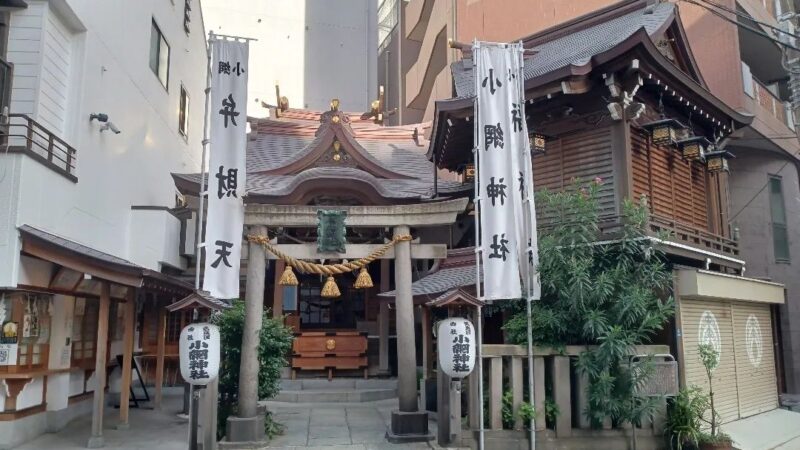
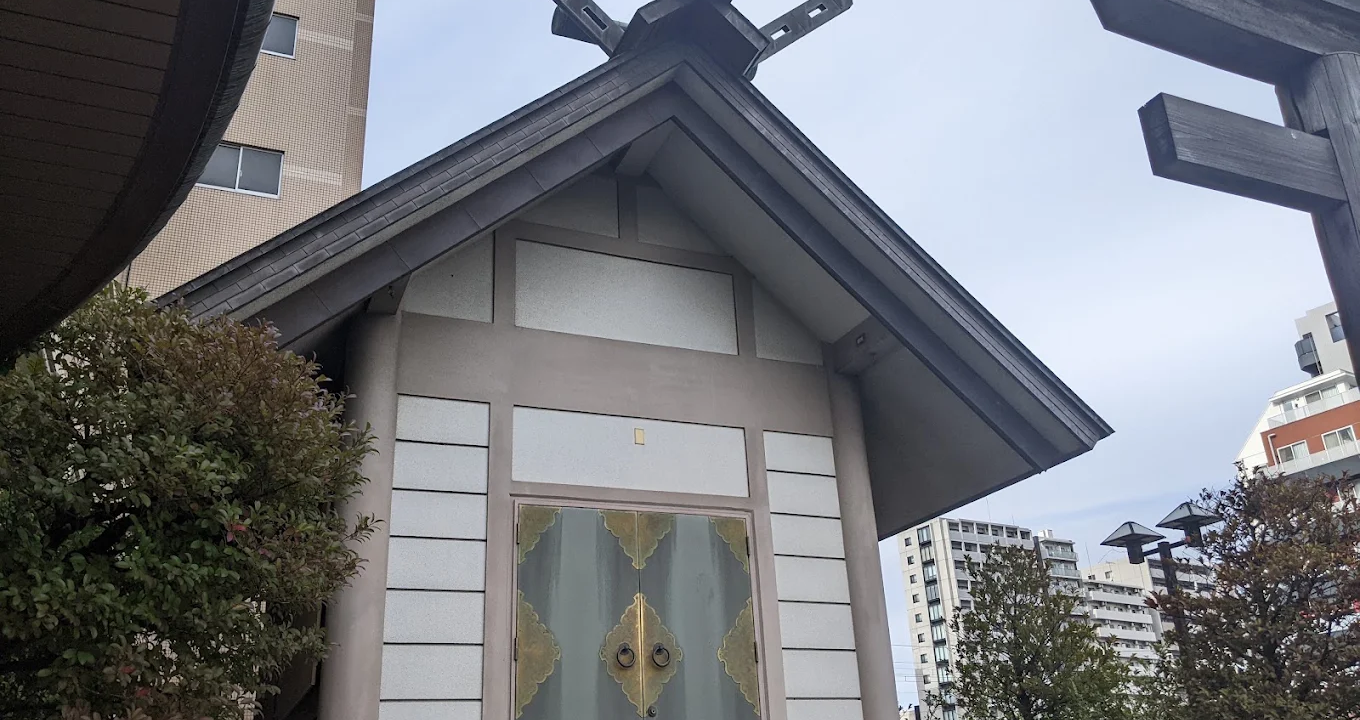
Hamakawa Shrine’s buildings stand quietly in a residential area of Minami-Oi, Shinagawa Ward. While not large in scale, the meticulously maintained grounds are enveloped in a refreshing atmosphere.
In front of the main hall, worshippers can be seen praying for protection from misfortune and recovery from illness, and it continues to function as a center of local faith.
Subsidiary Shrines (Auxiliary Shrines)
Within the grounds of Hamakawa Shrine are several subsidiary shrines, each preserving its own unique beliefs.
Tenjin Shrine: A shrine dedicated to Sugawara no Michizane, the god of learning. Worshippers visit to pray for success in exams and academic achievement. This is why it is counted as one of the 32 Tenjin shrines in Tokyo.
Kotohira Shrine: A shrine dedicated to a divided spirit of Kotohira-gu, known as the god of maritime safety and traffic safety.
Yahei Inari Shrine: A shrine dedicated to Inari, the god of business prosperity and abundant harvests.
Asama Shrine: A divided spirit of Asama Shrine, based on the worship of Mount Fuji. It is believed to offer blessings for safe childbirth and family safety.
These subsidiary shrines within the grounds tell the story of Hamakawa Shrine’s history of embracing various local beliefs.
Shrine Name Marker and Torii Gate
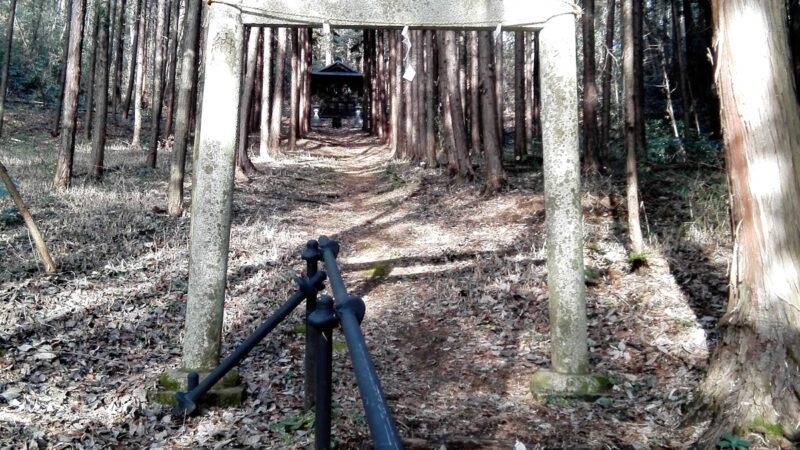
At the entrance to the shrine grounds stands a shrine name marker inscribed with “Hamakawa Shrine” and a torii gate. Despite being located in a residential area, passing through the torii gate evokes a serene atmosphere befitting a sacred place.
Goshuin (Shrine Seal) Information
Goshuin (shrine seals) can be obtained at Hamakawa Shrine. However, since it is currently a jointly managed shrine of Tenso-Suwa Shrine, the following points should be noted regarding the issuance of goshuin:
Location of Issuance: As Hamakawa Shrine does not have a permanent shrine office, goshuin are generally issued at Tenso-Suwa Shrine, the shrine it manages.
Hours of Issuance: These hours are the same as the Tenso-Suwa Shrine office hours. It is recommended to check the latest information before visiting.
Features of the Goshuin (Shrine Seal): The seal bears either “Hamakawa Shrine” or “Suzugamori Yakujin,” and features a powerful calligraphy style befitting a shrine dedicated to warding off evil.
Those wishing to receive a Goshuin are advised to inquire with Tenso Suwa Shrine in advance or confirm during their visit. Please be aware that the availability of Goshuin stamps in Goshuin notebooks may vary depending on the shrine priest’s schedule; please be flexible.
Annual Events and Festivals
Hamakawa Shrine holds various Shinto rituals throughout the year.
Annual Grand Festival: This is the most important festival, held every September. Local parishioners and devotees gather, and sometimes a portable shrine procession takes place.
New Year’s Visit: The shrine is bustling with visitors praying for protection from evil and good health throughout the year.
Setsubun Festival: As a shrine dedicated to warding off evil, events such as bean-throwing are sometimes held on Setsubun (the day before the beginning of spring).
Specific dates and details may change from year to year, so we recommend checking in advance when planning your visit.
Access Methods
Access by Train
Hamakawa Shrine is within walking distance of several stations, making access relatively convenient.
From Keikyu Main Line “Omori-Kaigan Station”:
- Approximately 7 minutes on foot
- This is the closest station
- Exit the station and head northwest
From Keikyu Main Line “Tachiaigawa Station”:
- Approximately 8 minutes on foot
- Head south from the station
From JR Keihin-Tohoku Line “Omori Station”:
- Approximately 12 minutes on foot
- Head east from the east exit
From Rinkai Line/Tokyo Monorail “Oimachi Station”:
- Approximately 15 minutes on foot
- Head southeast
Access by Car
It is approximately 5 minutes from the Shuto Expressway Route 1 Haneda Line “Suzugamori Exit”. However, since dedicated parking is limited, we recommend using public transportation. If using nearby coin parking, please consider the time of your visit when parking.
Walking Route Tips
Hamakawa Shrine is located in a residential area of Minami-Oi, Shinagawa Ward. Since it’s slightly off the main road, it’s convenient for first-time visitors to use a smartphone map app. As a landmark, it’s located within the residential area of Minami-Oi 2-chome, surrounded by shops and private houses.
Nearby Attractions and Shrines/Temples
There are several historically interesting spots around Hamakawa Shrine.
Suzugamori Execution Ground Site
Within walking distance of Hamakawa Shrine is the “Suzugamori Execution Ground Site,” a former execution ground from the Edo period. Known as one of the three major execution grounds of Edo, it is now preserved as a historical site. This is also the origin of the name “Suzugamori Yakujin” (Suzugamori厄神) for Hamakawa Shrine.
Tenso Suwa Shrine
Tenso Suwa Shrine, a shrine under the jurisdiction of Hamakawa Shrine, is also within walking distance. It’s a good idea to visit the shrine when you receive your Goshuin (shrine stamp).
Shinagawa Aquarium
A short distance away is the Shinagawa Aquarium, located within Shinagawa Ward Park. It’s recommended to visit it together with your family during your shrine visit.
Manners and Etiquette for Visiting Shrines
Here are some basic manners to observe when visiting Hamakawa Shrine.
Basic Etiquette for Worship
- Bow before passing through the torii gate: This shows respect when entering the sacred area.
- Purify yourself at the water basin: Purify your left hand, then your right hand, then your mouth.
- Walk along the edge of the path: The center is considered the path of the gods.
- Etiquette in front of the main hall: Two bows, two claps, and one bow are the basic rituals.
- Don’t forget the subsidiary shrines: After visiting the main hall, pay your respects at the subsidiary shrines as well.
Regarding Photography
Photography is generally permitted on the shrine grounds, but consideration should be given to avoiding disturbing other worshippers. Please refrain from taking photos inside the main hall or during Shinto rituals.
Regarding Attire
There are no specific dress code requirements, but it is advisable to wear clothing appropriate for a sacred place like a shrine. If receiving prayers for protection against misfortune, slightly more formal attire is appropriate.
Characteristics and Charms of Hamakawa Shrine
A Quiet Place of Prayer in the City
Despite being located in the urban area of Minami-Oi, Shinagawa Ward, Hamakawa Shrine maintains a quiet and peaceful atmosphere. It is a precious space where one can escape the hustle and bustle of everyday life and offer prayers in a calm state of mind.
A Belief in Protection Against Evil Spirits Since the Edo Period
Based on the shrine’s history of healing illnesses within the Tokugawa shogunate, this belief in protection against evil spirits continues to be passed down for over 200 years. This historical miraculous power continues to provide peace of mind and hope to many worshippers.
A Belief Rooted in the Community
While not a large-scale tourist shrine, it functions as a “living place of faith” loved by the local people and visited regularly. The faith of the local residents supports the maintenance of the shrine and the continuation of its traditions.
A Grounds Where Multiple Beliefs Coexist
The presence of various subsidiary shrines within the grounds, such as Tenjin Shrine, Kotohira Shrine, Inari Shrine, and Asama Shrine, is evidence that Hamakawa Shrine has received a variety of wishes. In addition to protection from misfortune, you can visit Hamakawa Shrine to pray for a variety of blessings, including academic success, business prosperity, and safe childbirth.
Practical Advice for Visiting Hamakawa Shrine
Recommended Time to Visit
For those in their unlucky year: While prayers for protection from misfortune are possible year-round, many people visit during the New Year or Setsubun (bean-throwing festival).
Prayers for Recovery from Illness: While you can visit anytime, weekday mornings are recommended for those who wish to pray in peace.
Annual Grand Festival: The annual grand festival in September is the most vibrant time for the shrine. Recommended for those who want to experience the atmosphere of a local festival.
Time Required
The shrine grounds are compact, so a visit itself can be completed in about 15-30 minutes. If you plan to leisurely explore the subsidiary shrines and visit nearby historical sites, allow about an hour.
If You Wish to Obtain a Goshuin (Shrine Seal)
Goshuin are issued at Tenso Suwa Shrine, so it is recommended to plan a visit to both shrines. Plan your schedule with ample time, including travel time.
Summary: Experience the Charm of Hamakawa Shrine
Located in Minami-Oi, Shinagawa-ku, Tokyo, Hamakawa Shrine is a historic shrine known for its miraculous powers of protection against misfortune and healing from illness, a practice that has continued since the Edo period. From a sacred site of Shugendo (mountain asceticism) that received the faith of the Tokugawa shogunate, it has transformed into its current form as a shrine after the Meiji Restoration, yet its divine virtues remain unchanged, attracting the faith of many people.
Despite its location in a residential area of the city, the quiet and peaceful grounds are ideal as a place for calming prayer. It is a shrine that fulfills various wishes, from those seeking protection from misfortune and healing from illness, to those seeking academic success at the Tenjin Shrine and business prosperity at the Inari Shrine, maintaining a deep-rooted faith in the community.
Its convenient location, just a 7-minute walk from Omori-Kaigan Station, is another attractive feature. When visiting Shinagawa-ku or Ota-ku, be sure to visit Hamakawa Shrine and experience its miraculous powers of protection against misfortune, which have continued since the Edo period, and the tranquil atmosphere of its grounds. Those wishing to receive a Goshuin (temple/shrine stamp) are advised to visit both Hamakawa Shrine and the Tenso Suwa Shrine, which are affiliated with this shrine.
We hope that your visit to Hamakawa Shrine will bring you protection from misfortune, healing from illness, and peace of mind.