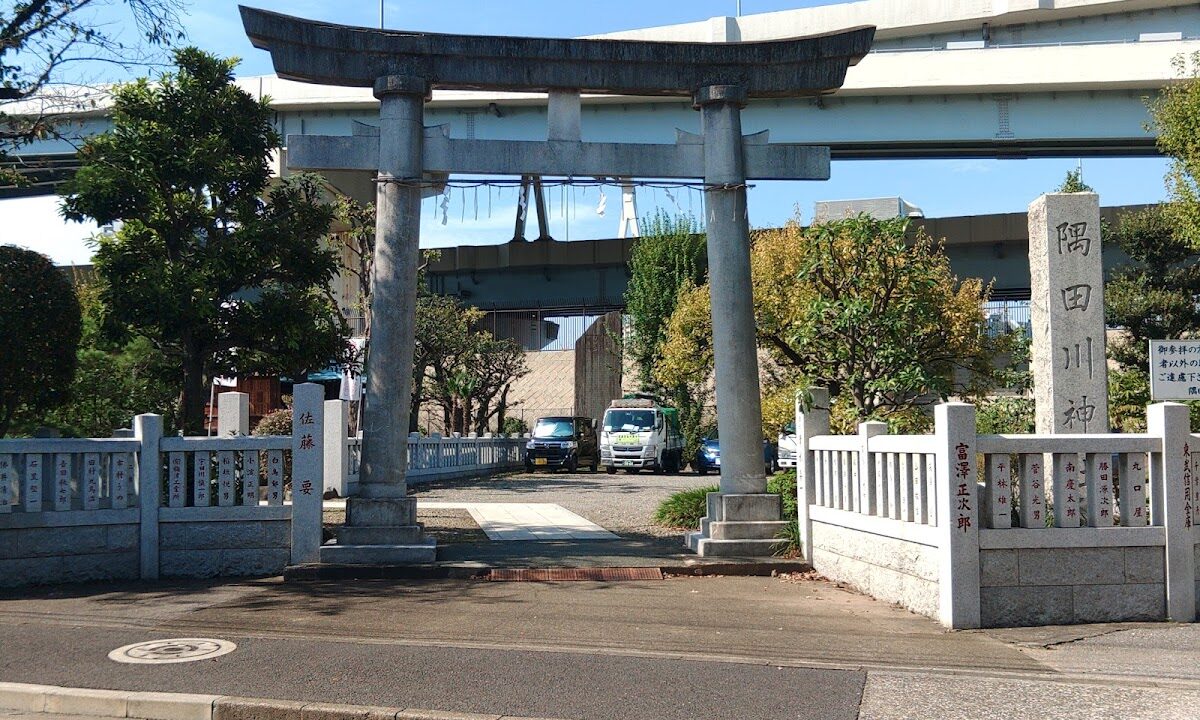
Sumida River Shrine (Sumida Ward, Tokyo) Complete Guide | History of Water Deity Worship, Goshuin (Shrine Seal), and Access Information
Located on Tsutsumidori in Sumida Ward, Tokyo, Sumida River Shrine is a shrine with a long history as the guardian shrine of the Sumida River basin. Formerly known as “Water Shrine,” “Water God Shrine,” and “Floating Island Shrine,” it has attracted deep devotion from water transport operators, boatmen, and those in the water-related businesses. This article comprehensively introduces information you should know before visiting Sumida River Shrine, including its history, enshrined deities, goshuin (shrine seal), highlights of the grounds, and access methods.
Basic Information about Sumida River Shrine
Location: 2-17-1 Tsutsumidori, Sumida-ku, Tokyo
Phone Number: 03-3611-3089
Visiting Hours: 9:00 AM – 5:00 PM (Shrine Office Hours)
Nearest Station: Approximately 10-minute walk from Kanegafuchi Station on the Tobu Skytree Line
Shrine Rank: Former Village Shrine
Annual Festival: June 15th
Sumida River Shrine is adjacent to Higashi Shirahige Park and is situated in a lush green environment. While the surrounding area is residential, it offers a waterside atmosphere on the banks of the Sumida River.
Deities and Divine Virtues
Sumida River Shrine enshrines four deities related to water and navigation.
Hayaakitsuhiko-no-kami
A male deity who presides over ports (mito), and is the guardian of rivers and the seashore. He is said to have been born from the divine creation of Izanagi and Izanami.
Hayaakitsuhime-no-kami
The wife of Hayaakitsuhiko-no-kami, and a female deity who also presides over ports. These two deities, as a married couple, are believed to bring safety and abundance to waterfronts.
Torinoiwakusufune-no-kami
A deity who personifies ships and protects safe voyages. The name embodies the meaning of “a ship as swift as a bird and as strong as a rock,” making him an important object of worship for those involved in water transport.
Ōkajikidohime-no-kami
She is the goddess who presides over the rudder and protects the course of ships. She attracted the faith of people praying for safe navigation along the Sumida River, a vital point for water transport.
These four enshrined deities are all deeply connected to water and navigation, which explains why Sumida River Shrine has been affectionately known as “Suijin-sama” (Water God).
History of Sumida River Shrine
Origin of Founding and the Legend of Minamoto no Yoritomo
The exact founding date of Sumida River Shrine is unknown, but legends date back to the Jishō era (1177-1180). According to the most famous legend, in 1180, Minamoto no Yoritomo encountered a storm in this area while on his way to the Kantō region to overthrow the Taira clan. When Yoritomo found himself in a desperate situation, he prayed to the water god for safe passage, and it is said that the wind and rain immediately subsided, allowing him to cross safely.
Deeply moved by this miraculous event, Yoritomo is said to have built a shrine as a token of his gratitude. If this legend is true, then Sumida River Shrine has a deep connection to the establishment of the Kamakura Shogunate.
The Era Known as “Ukishima no Miya” and “Suijin no Mori”
From ancient times, this area, located near the end of the Sumida River, was covered in a dense forest. Therefore, it was called “Suijin no Mori” (Water God’s Forest) and recognized as a sacred place. Furthermore, because it never submerged even when the Sumida River flooded, it also acquired the name “Ukishima no Miya” (Floating Island Shrine).
During the Edo period, it was known by various names such as “Suijin-jinja,” “Suijin-gu,” and “Ukishima-jinja,” and was affectionately called “Suijin-san” by the local people. This area is believed to have once been a floating island jutting out into the Sumida River, playing an important role as a key point for river transportation.
Renaming in the Meiji Era and Modern Transformations
In 1872 (Meiji 5), the shrine was officially renamed “Sumidagawa Shrine.” This renaming was part of the Meiji government’s reorganization of the shrine system. Around the same time, it was ranked as a village shrine and officially recognized as the guardian shrine of Sumida Village.
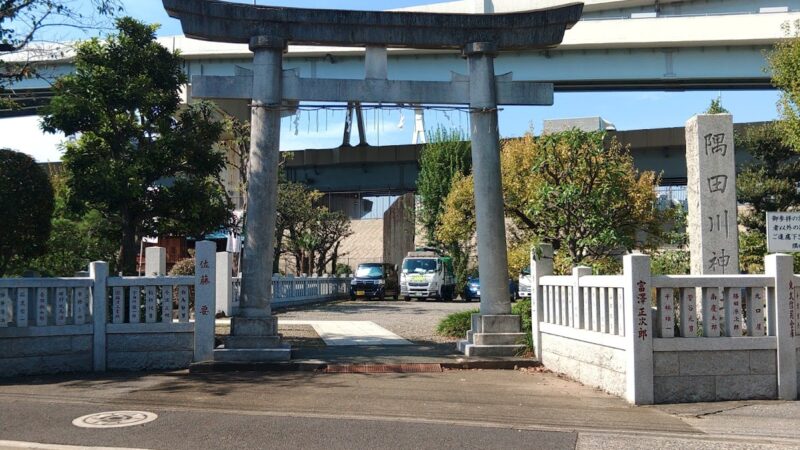
Around 1975 (Showa 50), due to the construction of the Metropolitan Expressway and other factors, the shrine was relocated from its old site, approximately 100 meters north of its current location, to its present site. The old site was a historical place known as “Ukishima” or “Suijinmori,” but it could not withstand the wave of urban development. However, even after the relocation, Sumidagawa Shrine has continued to be a center of local faith.
Water God Worship and Sumidagawa Shrine
Guardian Deity of Water Transporters and Boatmen
During the Edo period, the Sumida River was a major artery for the transport of goods. Many boats traveled along it, and water transporters and boatmen made their living there. Sumidagawa Shrine attracted fervent devotion as a place to pray for the safety and prosperity of those who worked on the river.
In particular, the cargo boat operators’ associations, known as “nibune nakama,” regularly visited our shrine to pray for safe voyages and business prosperity. Boatmen also made it a habit to visit the shrine before setting sail, and Sumida River Shrine functioned as the guardian deity of water transportation.
Connection to the Water Industry
Due to its name, “Suijin” (water god), the shrine also attracted the faith of people involved in the water industry. People in water-related businesses such as restaurants, geishas, and the food and beverage industry visited the shrine to pray for business prosperity and personal safety. This faith continues to this day, with many people in the food and beverage industry still visiting the shrine.
Deep Connection to the Sumida River Fireworks Festival
The roots of the Sumida River Fireworks Festival are actually deeply connected to the worship of the water god. In 1733 (Kyoho 18), a water god festival was held by order of the eighth shogun, Tokugawa Yoshimune, to commemorate the many who died in the great famine and epidemic of the previous year and to pray for the eradication of disease.
At this time, approximately 20 fireworks were launched around Ryogoku Bridge, which is considered the beginning of the Sumida River Fireworks Festival. In other words, the Sumida River Fireworks Festival, now one of Tokyo’s three major fireworks festivals, was not merely entertainment, but also held significance as a sacred ritual of prayer to the water god.
Highlights of the Shrine Grounds
Shrine Building
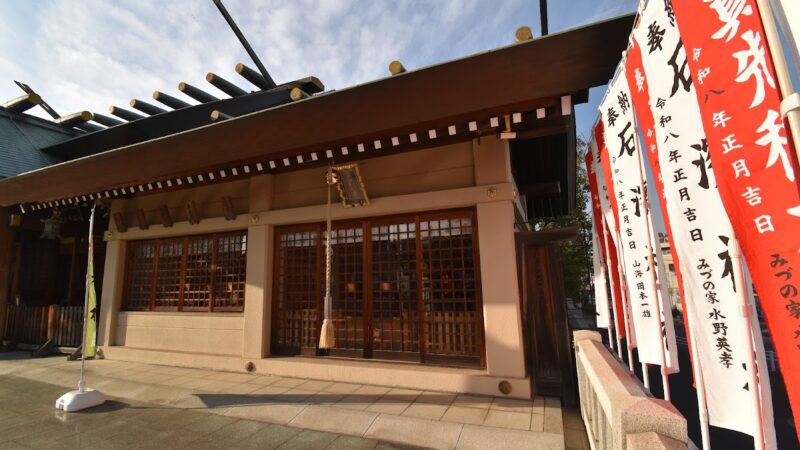
The current shrine building was constructed in 1975 (Showa 50) during the relocation of the shrine, making it a relatively new building. While compact, it has a dignified design and a clean, urban feel. Komainu (guardian lion-dogs) are placed in front of the worship hall, welcoming visitors.
Subsidiary Shrines and Stone Monuments
Several subsidiary shrines and monuments are scattered throughout the shrine grounds. There are also stone monuments that tell the story of the local history, and if you take your time to look around, you can feel the depth of Sumida River Shrine’s history.
Integration with Higashi-Shirahige Park
Sumida River Shrine is adjacent to Higashi-Shirahige Park, and is situated in a harmonious environment with the park’s greenery. After visiting the shrine, you can stroll through the park and enjoy the scenery of the Sumida River. It’s a location where you can feel the changing seasons, with cherry blossoms in spring and fresh greenery in summer.
Goshuin (Shrine Seal) and Gift Information
Goshuin (Shrine Seal)
You can receive a goshuin at Sumida River Shrine. The shrine office is open from 9:00 to 17:00, but since the priests may not always be present, it is recommended to call ahead to confirm.
The goshuin features the calligraphy of “Sumida River Shrine” and the shrine’s seal, a simple yet dignified design. The offering fee is generally around 300-500 yen.
Items Offered
Sumida River Shrine offers various items such as amulets and votive tablets. Amulets for protection against water-related disasters, safe voyages, and business prosperity are particularly popular. There are also unique amulets related to the worship of the water deity, making them a thoughtful souvenir of your visit.
Annual Festivals and Events
Grand Festival (June 15th)
The most important festival at Sumida River Shrine is the Grand Festival, held annually on June 15th. Local parishioners and devotees gather for events such as a portable shrine procession and Kagura (sacred dance) performances. As the guardian shrine of Sumida, it is an important event that reaffirms the unity of the local community.
Other Annual Events
General annual events of shrines, such as the New Year’s Day Festival, Setsubun Festival, and Summer Purification Ceremony, are also held. Especially for festivals related to the worship of the water deity, attendees include those involved in water transport and the water-related businesses.
Access Methods
Access by Train
The nearest station is Kanegafuchi Station on the Tobu Skytree Line, approximately a 10-minute walk away.
From Kanegafuchi Station, head west towards the Sumida River. After passing through a residential area, you will see Higashi-Shirahige Park; Sumida River Shrine is located within this park. Road signs are well-maintained, so you are unlikely to get lost.
Access by Bus
You can also use Toei Bus and Keisei Bus routes. Get off at the “Shirahigebashi” bus stop and it’s a few minutes’ walk from there.
Access by Car
If using the Metropolitan Expressway, the Mukojima or Horikiri exits are convenient. However, since the shrine’s dedicated parking is limited, it is recommended to use nearby coin-operated parking lots.
Nearby Tourist Attractions
Higashi-Shirahige Park
This metropolitan park, adjacent to Sumida River Shrine, boasts a vast area. It has sports facilities and playground equipment, making it popular with families. From the promenade along the Sumida River, you can enjoy views of the Tokyo Skytree.
Shirahige Bridge
This bridge spans the Sumida River and is a historic bridge built during the Taisho era. From the bridge, you can enjoy a panoramic view of the Sumida River and the Tokyo cityscape.
Mukojima Hyakkaen Garden
This garden preserves the literary tastes of the Edo period, and you can enjoy seasonal flowers and plants. It is within walking distance of Sumida River Shrine, and it is recommended to visit it in conjunction with your visit to the shrine.
Benefits of Sumida River Shrine
Based on the characteristics of the enshrined deity, the following benefits can be expected from Sumida River Shrine:
- Safe Navigation and Traffic Safety: As deities protecting ships are enshrined here, prayers are offered not only for safe water transport but also for safe land transport.
- Business Prosperity: Due to its history of attracting the faith of water transport operators, prayers are offered for the development of businesses.
- Protection from Water Disasters: As a water deity, it offers protection from water-related disasters.
- Exorcism and Good Fortune: As the guardian deity of the region, it wards off all kinds of calamities and brings good fortune.
Manners and Points for Visiting the Shrine
How to Visit the Shrine
- Bow before passing through the torii gate.
- Purify your body and mind at the water basin (right hand → left hand → mouth → left hand → handle).
- Bow twice, clap twice, and bow once in front of the main hall.
- Bow once when leaving the torii gate after praying.
Attire for Visiting the Shrine
There are no particularly strict dress code regulations, but it is desirable to wear clothing that is mindful of the sacred nature of the place. Avoid revealing or overly flashy clothing. ### Regarding Photography
Photography is generally permitted on the shrine grounds, but please be considerate of other visitors. Photography inside the shrine buildings may be prohibited, so it is recommended to check in advance.
Summary of Sumida River Shrine’s Charms
Sumida River Shrine is a valuable shrine located in the heart of Tokyo, preserving a long history and unique faith. It boasts a multi-layered historical background, including legends of Minamoto no Yoritomo, water deity worship, and connections to the Sumida River Fireworks Festival.
Even today, it attracts the faith of many people as a guardian deity of the region and as a protector of water and navigation. Despite its compact grounds, it is a special space where you can feel the history and culture of the great Sumida River.
When visiting Tokyo Skytree or Sumida Ward, be sure to stop by Sumida River Shrine. You can escape the hustle and bustle of the city and experience the traditional Japanese faith of praying to the water deity. It is especially recommended for those who collect Goshuin (shrine stamps), those who enjoy visiting shrines and temples, and those interested in history.
Spending time quietly praying on the banks of the Sumida River, while reflecting on the history of how people have long appreciated water and faced both its blessings and threats, will surely be a valuable experience for us living in the modern age.