Gentoku Inari Shrine (Tokyo) Complete Guide: History, Benefits, Access, and Visiting Information
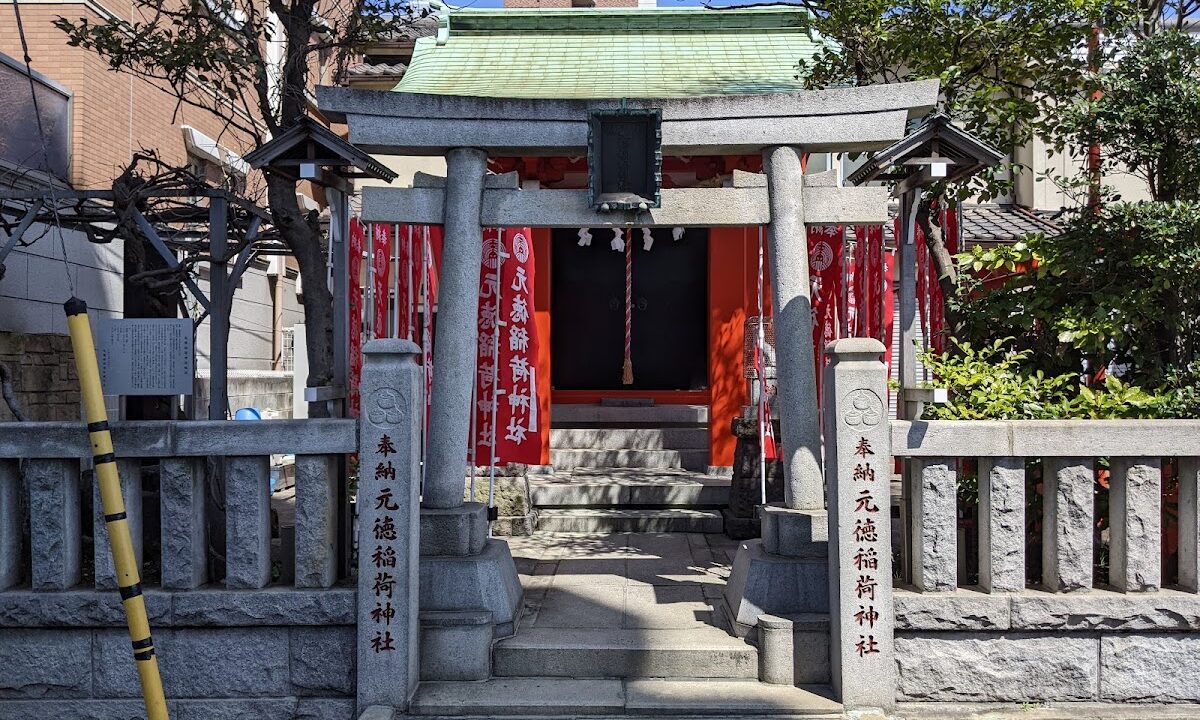
Gentoku Inari Shrine, located in Tachikawa, Sumida Ward, Tokyo, is a historic shrine founded during the Keicho era. Despite its modern location beneath the elevated Metropolitan Expressway, it remains a cherished presence for locals, preserving a faith that has continued since the Edo period. This article provides a detailed overview of Gentoku Inari Shrine, including its history, benefits, visiting information, and access methods.
Basic Information about Mototoku Inari Shrine
Location: 3-18-2 Tachikawa, Sumida-ku, Tokyo
Nearest Station: Approximately 5 minutes on foot from Exit A3 of Kikukawa Station on the Toei Shinjuku Line
Phone Number: 03-3631-0192
Affiliated Shrine: A shrine affiliated with Kameido Tenjin Shrine
Deity Enshrined: Ukanomitama-no-Mikoto
Mototoku Inari Shrine is located in a residential area of Tachikawa, Sumida-ku, in a unique location beneath the elevated Metropolitan Expressway. Despite its small grounds, it is a shrine carefully preserved as a center of local faith.
History of Mototoku Inari Shrine
Origin of Founding
Mototoku Inari Shrine was founded during the Keicho era (1596-1615). It is said that the origin of Inari worship began when Kawamura Tokuemon, a samurai from Mikawa Province (present-day Aichi Prefecture), invited a divided spirit from Fushimi Inari Taisha in Kyoto and enshrined it as the guardian deity of his residence.
According to one theory, Kawamura Tokuemon moved the shrine he had worshipped as his family deity in Okazaki to Edo when Edo was founded. Initially, it was enshrined in Kanda Tokuemon-cho (present-day Kanda area, Chiyoda Ward).
Development during the Edo Period
In the early Edo period, Kawamura Tokuemon, as a hatamoto (direct retainer of the shogun) with a stipend of 1500 koku, contributed to the development of Edo. Records show that, in addition to the divided spirit from Fushimi Inari Taisha, he also received a divided spirit of Toyouke-no-Okami from the Outer Shrine of Ise Grand Shrine, suggesting a unique form of worship that blended Inari and Ise beliefs.
Relocation to Current Location
There are various theories regarding the timing of the relocation from Kanda Tokuemoncho to its current location in Tachikawa, Sumida Ward, but it is believed to have occurred sometime after the mid-Edo period. Since then, it has been revered as a guardian deity of the Tachikawa area and continues to be a source of faith for local people to this day.
Benefits of Mototoku Inari Shrine
Faith for Healing Boils and Swellings
Mototoku Inari Shrine is particularly known for its blessings of healing boils and swellings. Boils and swellings refer to swellings and growths on the skin, and since ancient times, many worshippers have visited the shrine seeking this blessing. Even today, people visit the shrine to pray for the healing and prevention of skin diseases.
Benefits of the Inari Deity
As a shrine dedicated to the Inari deity, you can expect the following general benefits of Inari worship:
- Business Prosperity: Development and prosperity of your business
- Abundant Harvest: Abundant crops
- Family Safety: Health and safety of your family
- Good Fortune and Prosperity: Improvement of luck and the arrival of happiness
Highlights of the Shrine Grounds
Shrine Building and Torii Gate
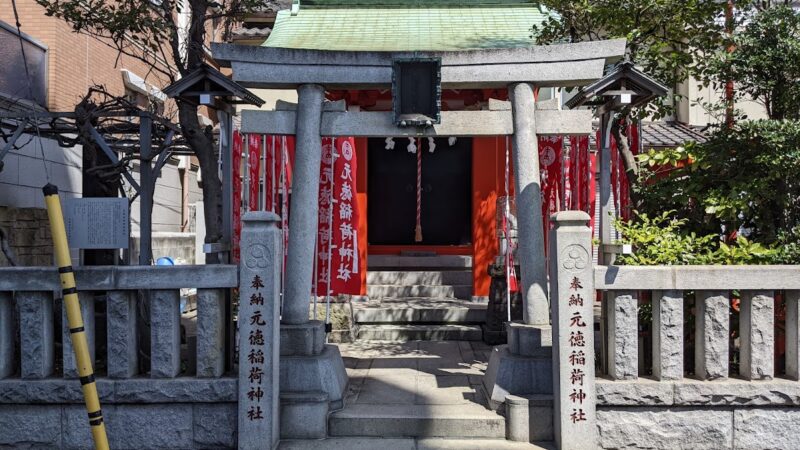
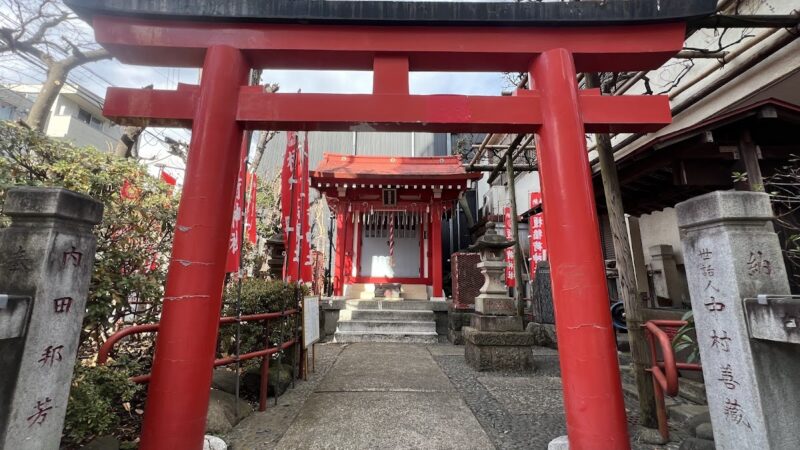
The grounds of Mototoku Inari Shrine are located in a unique environment, beneath the elevated highway of the Metropolitan Expressway. Despite its compact size, the vermilion torii gate stands out, catching the eye even from Mitsume Street.
The shrine building, though small, is meticulously maintained, reflecting the deep faith of the local people. As is typical of Inari shrines, fox statues, rather than guardian lions, protect the shrine.
Surrounding Atmosphere
The area around Tachikawa in Sumida Ward, where Mototoku Inari Shrine is located, is a region dotted with temples and small Inari shrines. Located along Mitsume-dori Street from Shirakawa, the shrine’s torii gate comes into view, nestled within a residential area that retains the charm of old Tokyo.
Access
Access by Train
Kikukawa Station on the Toei Shinjuku Line is the nearest station.
- Approximately 5 minutes’ walk north from Exit A3 of Kikukawa Station
- Located along Mitsume-dori Street, with the elevated Metropolitan Expressway as a landmark.
Other Nearest Stations
- Approximately 10 minutes’ walk from Morishita Station on the Toei Shinjuku Line and Oedo Line
- Approximately 15 minutes’ walk from Kiyosumi-Shirakawa Station on the Toei Oedo Line
Access by Car
Although located near the Metropolitan Expressway Route 6 Mukojima Line, there is no dedicated parking lot. We recommend using public transportation when visiting. If using nearby coin parking, please be mindful of the residential area.
Manners and Etiquette for Visiting a Shrine
Basic Shrine Visit Etiquette
- Bow before passing through the torii gate: A courtesy before entering the sacred area.
- Purify yourself at the water basin: Cleanse your hands and mouth (can be omitted if there is no water basin).
- Two bows, two claps, one bow: Basic etiquette before the shrine.
- Express gratitude: Express not only your wishes but also your daily gratitude.
Etiquette Specific to Inari Shrines
At Inari shrines, it is customary to offer fried tofu to the fox deities. However, in modern times, for hygiene reasons, it is common to refrain from offering it directly and instead offer it as a monetary offering.
Goshuin (Shrine Seal) Information
Gentoku Inari Shrine is a shrine managed by Kameido Tenjin Shrine. Those wishing to receive a goshuin should contact Kameido Tenjin Shrine. As it is a small shrine, there are no resident priests, but it is a shrine that cherishes and continues to protect the local faith.
Nearby Shrines and Temples
Nearby Temples and Shrines
The Tachikawa area of Sumida Ward is known for its many temples and shrines. When visiting Gentoku Inari Shrine, why not also visit the following temples and shrines?
Myozenji Temple: A Nichiren Buddhist temple located near Gentoku Inari Shrine.
Kameido Tenjin Shrine: A famous shrine dedicated to Sugawara no Michizane, the god of learning (not within walking distance, but the main shrine of a related shrine).
This area is dotted with numerous small Inari shrines, allowing you to experience the traditional faith and culture of the old downtown area.
Gentoku Inari Shrine and Other Shrines with the Same Name in Chuo Ward
Gentoku Inari Shrine and Tsunashiki Tenman Shrine in Nihonbashi Hamacho, Chuo Ward
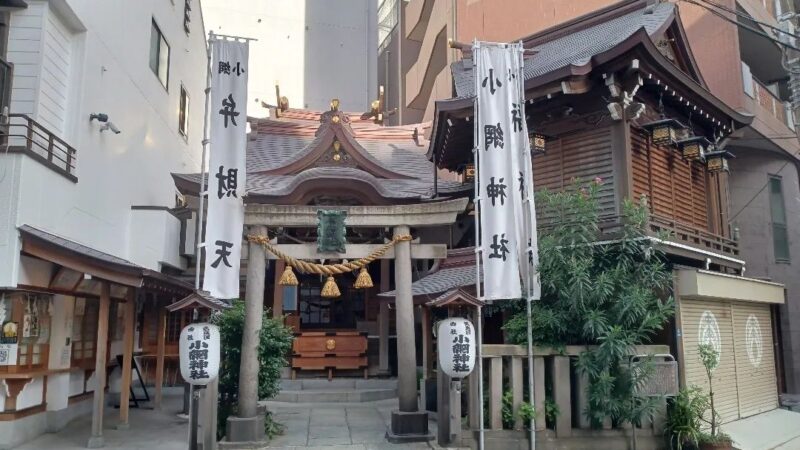
In fact, there are several shrines named “Gentoku Inari Shrine” in Tokyo. In Nihonbashi Hamacho, Chuo Ward, there is a shrine where Gentoku Inari Shrine and Tsunashiki Tenman Shrine are enshrined together.
Characteristics of Mototoku Inari Shrine in Chuo Ward:
- Nearest station: Hamacho Station on the Toei Shinjuku Line
- Enshrined together with Tsunashiki Tenman Shrine
- Also has a history related to Kawamura Tokuemon
This is a different shrine from the Mototoku Inari Shrine in Tachikawa, Sumida Ward, which is introduced in this article. Please check the location carefully before visiting.
Annual Events and Festivals
Mototoku Inari Shrine is a small shrine, so large-scale festivals are not held. However, it is maintained and worshipped by local people on a daily basis. On Hatsuuma (the first day of the Horse in February), a common festival day for Inari shrines, special worshippers sometimes visit.
What is Hatsuuma?
Hatsuuma is the first day of the Horse in February and is the most important festival day for Inari shrines. Festivals are held at Inari shrines throughout Japan, and prayers are offered for business prosperity and a bountiful harvest.
Nearby Tourist Attractions
Highlights of Sumida Ward
Sumida Ward, where Mototoku Inari Shrine is located, has the following tourist attractions:
Tokyo Skytree: The world’s tallest freestanding radio tower (approximately 10 minutes by train from Kikukawa Station)
Ryogoku Kokugikan: The sacred ground of sumo wrestling (approximately 15 minutes on foot from Kikukawa Station)
Edo-Tokyo Museum: A museum where you can learn about the culture of the Edo period
Kiyosumi Garden: A beautiful Japanese garden (within walking distance)
Recommendation for a Stroll Through the Old Town
The area around Tachikawa in Sumida Ward retains the atmosphere of old downtown Tokyo. Why not take this opportunity to enjoy a stroll through the back alleys and explore the local shopping streets after visiting Mototoku Inari Shrine?
Visitor Feedback and Reviews
Visitors who have come to Mototoku Inari Shrine have shared the following comments:
- “Despite its unusual location under the Metropolitan Expressway, I was able to pray in peace.”
- “Although small, it is carefully maintained, and I felt the deep faith of the local community.”
- “I could see the torii gate from Mitsume-dori and found it right away.”
- “It’s in an area that retains the atmosphere of old Tokyo, and I enjoyed strolling around.”
Photography Policy
Mototoku Inari Shrine is a small shrine, but photography is permitted. However, please note the following:
- Be considerate of other visitors.
- As it is located in a residential area, be mindful of the surrounding residents.
- Be mindful of the sacred nature of the place when taking photos.
- Pay attention to location information when posting on social media.
How to Enjoy Visiting Mototoku Inari Shrine
As part of a tour of old Tokyo shrines
Sumida Ward has many small Inari shrines and local guardian deities scattered throughout the area. Starting with Mototoku Inari Shrine, we recommend enjoying a tour of old Tokyo shrines. Each shrine has its own unique history and connection to the local community, allowing you to experience the diversity of Tokyo’s religious culture.
As a Historical Exploration
Mototoku Inari Shrine, with a history of over 400 years since its founding during the Keicho era, allows you to trace the footsteps of Kawamura Tokuemon, a samurai from the Edo period, and feel the transformation from Edo to Tokyo.
As a Prayer for Health
Known for its efficacy in healing tumors, Mototoku Inari Shrine has attracted the faith of people praying for healthy skin. It’s a good idea to visit for peace of mind, in conjunction with modern medicine.
Summary
Mototoku Inari Shrine is a historic Inari shrine located in Tachikawa, Sumida Ward, Tokyo. Since its founding during the Keicho era, it has attracted the faith of local people for over 400 years, and is particularly known for its efficacy in healing tumors.
Despite its modern environment beneath the elevated Metropolitan Expressway, it is a valuable presence that conveys a faith that has continued since the Edo period, allowing visitors to feel the history and culture of downtown Tokyo.
Located just a 5-minute walk from Kikukawa Station on the Toei Shinjuku Line, this small but meticulously maintained shrine offers a tranquil atmosphere perfect for quiet worship. When visiting Sumida Ward, be sure to stop by.
As a place of worship remaining in Tokyo’s old downtown area, Mototoku Inari Shrine will undoubtedly continue to weave its history alongside the local community. A visit here will offer a valuable experience of connecting with Tokyo’s history and culture, which has continued since the Edo period.