Complete Guide to Higashi-Ojima Shrine (Koto Ward, Tokyo) | Goshuin (Shrine Seal), History, and Access Information
Higashi-Ojima Shrine, located in Ojima 7-chome, Koto Ward, Tokyo, is a beloved guardian shrine deeply cherished by its parishioners as a symbol of the area’s recovery from the devastation of the Tokyo air raids. It boasts a unique history, having been formed by the merger of five shrines after the war, and is a central place of worship in the charming, old-town atmosphere of Higashi-Ojima in Koto Ward.
This article provides detailed information useful for visitors, including the history of Higashi-Ojima Shrine, its enshrined deities, goshuin (shrine seal), annual festival, highlights of the grounds, and access methods.
Basic Information about Higashi-Oshima Shrine
Address: 7-24-1 Oshima, Koto-ku, Tokyo 136-0072
Phone Number: 03-3681-7058
FAX: 03-5626-6744
Reception Hours: 9:00 AM – 5:00 PM
Nearest Station: Approximately 6-7 minutes on foot from Higashi-Oshima Station on the Toei Shinjuku Line, approximately 7 minutes on foot from Oshima Station
Annual Festival: First Friday, Saturday, and Sunday of August
Higashi-Oshima Shrine is located in a residential area near Shin-Ohashi Street, serving as a peaceful grove of trees and a spiritual haven for local residents.
Deities Enshrined at Higashi-Oshima Shrine
Higashi-Oshima Shrine enshrines three deities.
Amaterasu Omikami
Amaterasu Omikami is the supreme deity in Japanese mythology, a goddess who personifies the sun. She is widely revered as the ancestral deity of the Imperial Family and the tutelary deity of all Japanese people. Amaterasu Omikami is enshrined in the Inner Shrine of Ise Grand Shrine and is believed to bestow blessings such as national peace, abundant harvests, and good fortune.
Ushijima Okami
Ushijima Okami is a collective deity encompassing Susanoo-no-Mikoto, Amenohohi-no-Mikoto, and Prince Sadatoshi. Invited from Ushijima Shrine in Sumida Ward, it is believed to bestow blessings such as protection from evil, healing from illness, and business prosperity. This deity has been worshipped in the Honjo and Fukagawa areas since the Edo period.
Inari Okami (Inari Great God)
Inari is a deity worshipped nationwide as the god of abundant harvests, business prosperity, and family safety. With Ukanomitama-no-kami as the principal deity, it has attracted particularly fervent devotion from people involved in agriculture and commerce.
These three deities are enshrined in a single shrine, making it a shrine where diverse blessings can be bestowed.
History and Origins of Higashi-Oshima Shrine
Mid-Edo Period: Establishment of Five Guardian Shrines
To understand the history of Higashi-Oshima Shrine, it is necessary to go back to the mid-Edo period. At that time, the Onagigawa water transport system flourished, and the surrounding villages greatly prospered as a result. The Onagigawa canal was excavated in 1590 (Tensho 18) during the early Edo period and was an important waterway for transporting salt from Gyotoku and goods from Shimosa and Hitachi to Edo.
As this area developed, five shrines were built as centers of faith for the people.
- Eihei Shrine
- Koyasu Shrine
- Onagi Shrine
- Kitahonjo Ushijima Shrine
- Minamihonjo Ushijima Shrine
These shrines served as guardian deities of their respective areas, attracting the faith of residents and playing a central role in the local community.
1945: Destruction by the Tokyo Air Raid
On March 10, 1945 (Showa 20), the Koto Ward area suffered catastrophic damage from the Tokyo air raid. This air raid was one of the worst in history, claiming the lives of over 100,000 people in a single night, and the downtown area, densely populated with wooden houses, was engulfed in flames.
The Higashi-Ojima district was no exception; the entire townscape was reduced to ashes, and the five guardian shrines, along with their shrine buildings and historical records, were destroyed. Due to war damage, detailed records and historical documents of the shrines were lost, and much of the history of each shrine, which had continued since the Edo period, became unknown.
1952: Merger of Five Shrines and the Birth of Higashi-Oshima Shrine
In 1952 (Showa 27), during the post-war reconstruction period, the five shrines that had been destroyed by fire were merged into one, and a new shrine building was constructed at its current location. This marked the birth of Higashi-Oshima Shrine.
Thanks to the enthusiasm and efforts of the parishioners, Higashi-Oshima Shrine, which rose from the ruins of war, began its journey as a symbol of regional reconstruction and as the guardian shrine of a new era. By enshrining the deities of the five shrines together, it became a shrine that attracted the faith of even more parishioners.
Modern Era: A Place of Relaxation in the Downtown Area
More than 70 years have passed since its establishment, and Higashi-Oshima Shrine, reflecting the vibrant downtown atmosphere of the area, is becoming more lively year by year. Many worshippers visit during the annual festival and New Year’s visits, and it continues to play an important role as the center of the local community.
Higashi-Oshima Shrine Grounds and Highlights
Shrine Building
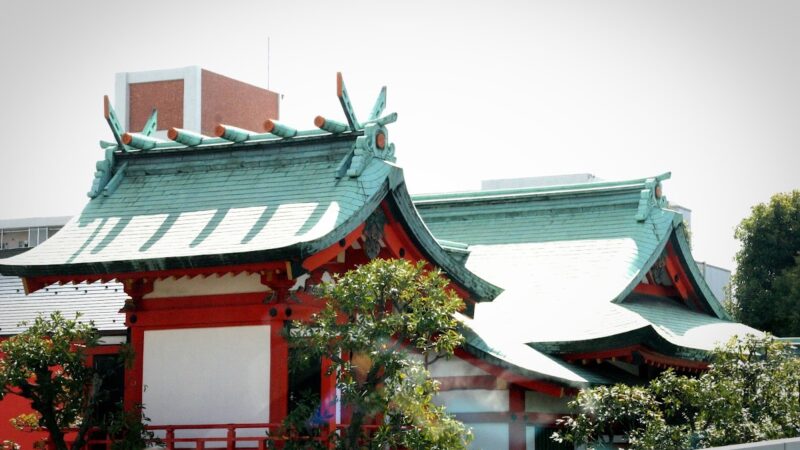
The shrine building, constructed in 1952 (Showa 27), preserves the architectural style of the post-war reconstruction period. Simple yet solemn, the building is a testament to the faith of the parishioners.
Atmosphere of the Shrine Grounds
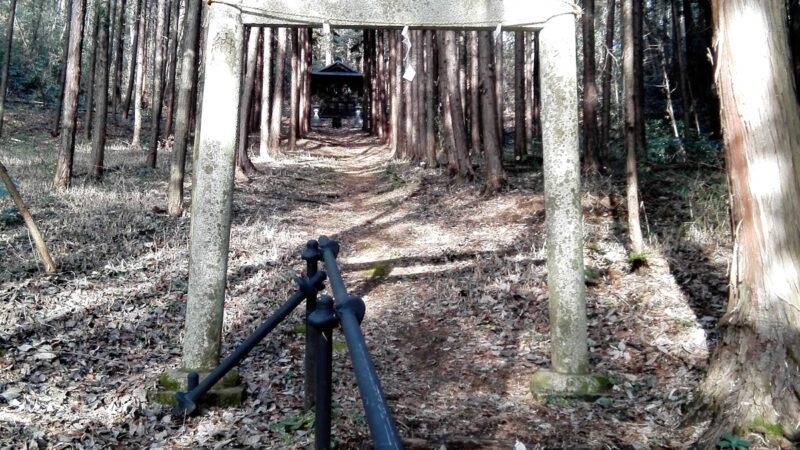
Despite being located in a residential area, stepping onto the shrine grounds envelops you in a tranquil atmosphere. The phrase “a peaceful grove nestled in the middle of town” perfectly describes it, a space that allows you to forget the hustle and bustle of the city.
The grounds are meticulously clean, reflecting the careful daily maintenance by the parishioners. Trees are planted appropriately, allowing you to feel the changing seasons.
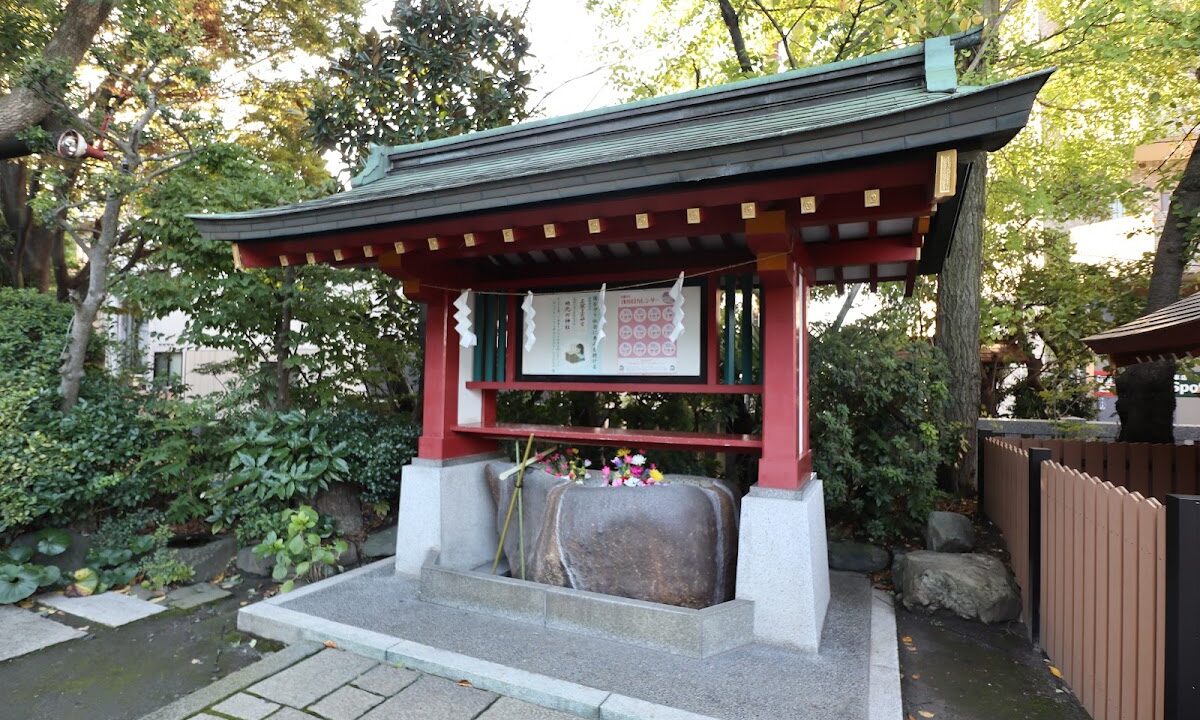
Water Basin
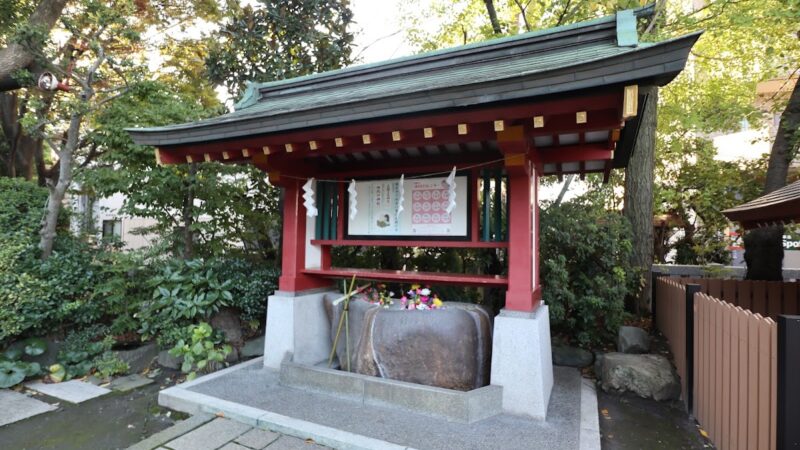
A water basin for purification before worship is also provided. Please purify your mind and body with the correct etiquette before worship.
Shrine Office
The shrine office is open from 9:00 AM to 5:00 PM and handles the issuance of Goshuin (shrine stamps) and the acceptance of various prayer requests. The shrine priests are kind and courteous, so please feel free to ask any questions you may have.
Goshuin and Goshuincho (stamp books) at Higashi-Oshima Shrine
About Goshuin
Higashi-Oshima Shrine offers Goshuin. Goshuin are popular among many visitors as proof of worship and as a memento of their connection with the deities.
Location of Issuance: Shrine Office
Reception Hours: 9:00 AM – 5:00 PM
When receiving a Goshuin, please complete your prayers first before inquiring at the shrine office. Goshuin are not merely stamps; they are a way of showing respect to the deities, so please approach them with the correct mindset.
Goshuincho (stamp books)
We recommend contacting the shrine office directly to inquire about the availability of original Higashi-Oshima Shrine Goshuincho.
Annual Festival and Events of Higashi-Oshima Shrine
Annual Festival (First Friday, Saturday, and Sunday of August)
The most important festival of Higashi-Oshima Shrine is the Annual Festival. Held annually on the first weekend of August, it features various Shinto rituals and events over three days, from Friday to Sunday.
During the Annual Festival, a portable shrine procession takes place, allowing visitors to enjoy the lively atmosphere of a festival typical of a downtown area. The sight of the parishioners working together to create a vibrant atmosphere demonstrates the strong bonds of the community.
During the summer festival season, numerous stalls line the streets, attracting many worshippers. It is also one of the most anticipated summer events for local children.
Other Annual Events
- Hatsumode (January 1st-3rd): Many worshippers visit to pray for safety in the new year.
- Setsubun Festival (around February 3rd): Events such as bean-throwing are held.
- Shichi-Go-San (around November 15th): The shrine is bustling with worshippers celebrating the growth of children.
Various festivals are held throughout the year, supporting the religious lives of the local community.
Prayers and Souvenirs Available at Higashi-Oshima Shrine
Prayers
Higashi-Oshima Shrine offers a variety of prayers.
- Family Safety
- Business Prosperity
- Protection from Evil
- Traffic Safety
- Safe Childbirth Prayer
- First Shrine Visit for a Newborn
- Shichi-Go-San Prayer
- Success in Exams
- Other Prayers
If you wish to receive a prayer, it is recommended to contact the shrine by phone in advance for a smoother process.
Souvenirs
Various souvenirs are available at the shrine office.
- Amulets (various types)
- Talismans
- Ema (votive tablets)
- Omikuji (fortune slips)
- Hamaya (demon-repelling arrows) (New Year’s)
- Kumade (rakes) (if there is a Tori-no-ichi market)
Please inquire at the shrine office regarding the types of items available and the offering fees.
Access to Higashi-Ojima Shrine
Access by Train
Using the Toei Shinjuku Line
- Get off at “Higashi-Ojima Station,” approximately 6-7 minutes on foot
- Get off at “Ojima Station,” approximately 7 minutes on foot
Access from Higashi-Ojima Station is the most convenient. Exit the station and head towards Shin-Ohashi Street. Proceed through the residential area to reach Higashi-Ojima Shrine.
Walking Route
The route from Higashi-Ojima Station to the shrine is flat, so you are unlikely to get lost. Since it is located in a residential area, using a map app is recommended.
Access by Car and Parking
If you are coming by car, you can access the shrine from Shin-Ohashi Street. However, it is recommended to check with the shrine in advance regarding the availability and number of parking spaces. There are coin-operated parking lots nearby, so please use them as needed.
Landmarks in the vicinity
- Shin-Ohashi Street
- Koto City Higashi-Ojima Library
- Ojima Komatsugawa Park
Using these facilities as landmarks will make it relatively easy to find your way, even for first-time visitors.
Attractions around Higashi-Ojima Shrine
Onagigawa River
A historic canal dating back to the Edo period, deeply connected to the history of Higashi-Ojima Shrine. The riverside promenade is also known as a famous cherry blossom viewing spot.
Ojima Komatsugawa Park
A vast metropolitan park with sports facilities and a free-use plaza. It’s recommended to stop by after visiting the shrine.
Koto City Higashi-Ojima Library
A library cherished as a local cultural facility. You can also view materials related to the history of Koto Ward.
Former Nakagawa River
A river that retains the former course of the Nakagawa River, offering beautiful waterside scenery.
Manners and Etiquette for Visiting Higashi-Oshima Shrine
Basic Etiquette for Visiting
- Bow before passing through the torii gate: This shows respect for entering the sacred area.
- Purify yourself at the water basin: Purify your left hand, right hand, and mouth in that order.
- Walk along the edge of the path: The center is considered the path of the gods.
- Etiquette in front of the main hall: Two bows, two claps, and one bow are the basic rituals.
Attire
Everyday clothes are acceptable, but it is desirable to wear attire that reflects the sacred nature of the place. Especially if you are receiving prayers, somewhat formal attire is recommended.
Photography
Photography is generally permitted within the shrine grounds, but it is considered good manners to refrain from taking pictures inside the shrine buildings or during Shinto rituals. If unsure, please check with a Shinto priest.
Higashi-Oshima Shrine and the Local Community
Higashi-Oshima Shrine is not merely a religious facility; it plays an important role as the center of the local community.
Parishioner Organization
Local parishioners are involved in the maintenance and management of the shrine and the operation of festivals, creating a place for intergenerational interaction.
Collaboration with Local Events
Shrine events, including the annual grand festival, have become established as community-wide events, providing opportunities to deepen the bonds between residents.
Preservation of Downtown Culture
Higashi-Ojima Shrine, which was rebuilt after the war, is a valuable presence that preserves the downtown culture of Koto Ward. Festival traditions and local customs are passed down to future generations, centered around the shrine.
Summary of Higashi-Ojima Shrine’s Charms
Higashi-Ojima Shrine has a special history, having overcome the tragedy of the Tokyo air raids and being rebuilt through the unification of five shrines.
Main Attractions of Higashi-Ojima Shrine:
- Historical significance as a symbol of post-war reconstruction
- Diverse divine blessings resulting from the merger of five shrines
- Friendly atmosphere overflowing with downtown charm
- Role as a center of the local community
- Easy access from the Toei Shinjuku Line
- Lively annual events, including the annual festival
Higashi-Ojima Shrine, rooted in the community as the guardian shrine of the Higashi-Ojima area, has a history that includes development through the Onagigawa River water transport in the Edo period, destruction by fire during the war, and post-war reconstruction. As a tranquil grove in the heart of the city, it continues to provide peace of mind to many visitors.
When visiting Koto Ward, be sure to visit Higashi-Ojima Shrine and experience its history and serene atmosphere. You will feel the warmth of downtown and the strength of a community that overcame war.
Pre-Visit Information
Please check the following points if you are planning a visit.
- Shrine Office Hours: 9:00 AM – 5:00 PM (Goshuin stamps, amulets, and prayer requests accepted)
- Annual Grand Festival: First Friday, Saturday, and Sunday of August (Dates may vary each year)
- Inquiries: 03-3681-7058
If you wish to request special ceremonies or prayers, we recommend calling in advance to confirm and make a reservation.
Higashi-Oshima Shrine is one of the representative shrines of Koto Ward, Tokyo, where history, faith, and local community are intertwined. Please visit and experience its charm for yourself.