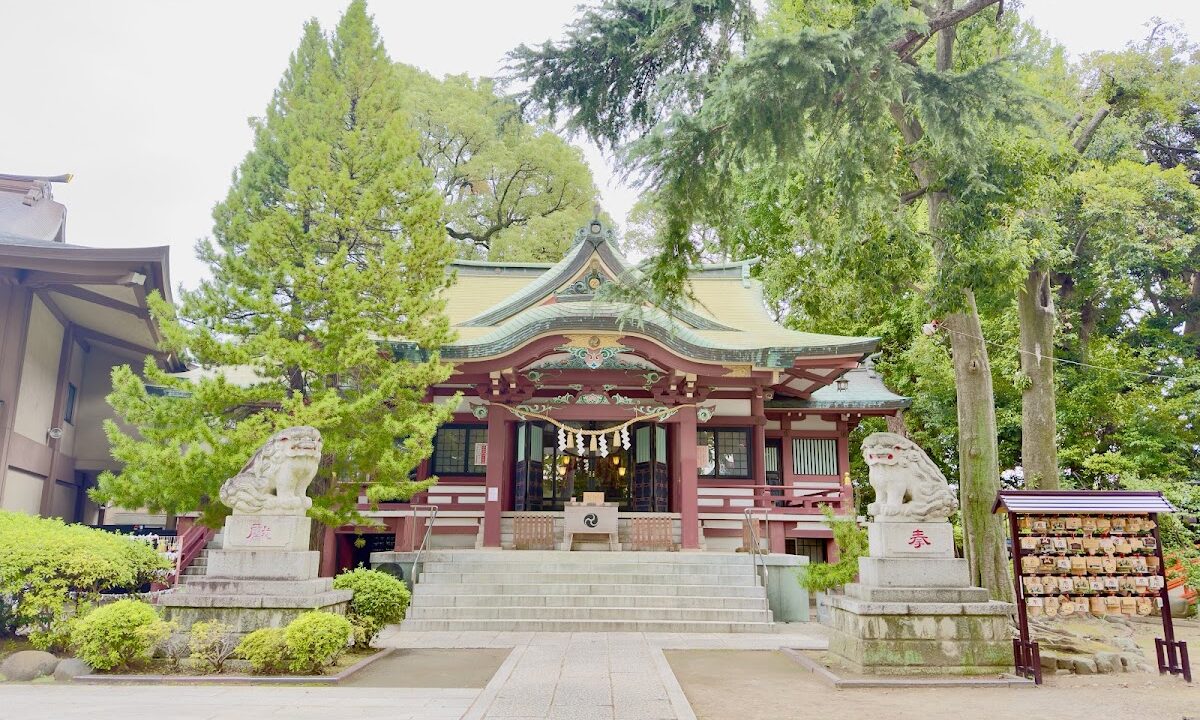
Kasai Shrine (Katsushika Ward, Tokyo) Complete Guide | History, Blessings, Guardian Snake, and Access Information
Kasai Shrine, located in Higashikanemachi, Katsushika Ward, Tokyo, is a venerable shrine with a history of over 800 years, dating back to the late Heian period. As the birthplace of Edo-style festival music and home to the “Guardian Snake,” a symbol of good fortune and prosperity, it attracts many worshippers from both the local area and far away. This article provides a detailed overview of Kasai Shrine, including its history, enshrined deities, blessings, highlights within the grounds, and access information.
History and Origins of Kasai Shrine
Background of its Founding and as the Guardian Shrine of the Thirty-Three Villages of Kasai
The founding of Kasai Shrine dates back to the late Heian period, specifically the second year of Genryaku (1185). This year was a turbulent time, marking the end of the Genpei War at the Battle of Dan-no-ura and the establishment of the foundations of the Kamakura Shogunate. It is said that the shrine was founded during the reign of Emperor Go-Toba when Kasai Kiyoshige, the local lord at the time, invited a divided spirit from Katori Shrine in Shimosa Province to establish the shrine.
Kasai Kiyoshige was a samurai who served as a retainer of Minamoto no Yoritomo and ruled this entire region as “Kasai Mikuriya.” Kasai Shrine was founded as the guardian shrine for the 33 villages of Kasai, encompassing the entirety of present-day Katsushika and Edogawa wards and their surrounding areas, becoming the spiritual pillar of the vast region encompassing Kami-Kasai and Shimo-Kasai.
Deep Connection with Katori Shrine
Because Kasai Shrine was founded as a shrine of Katori faith, it has a very deep connection with Katori Shrine in Shimosa Province. This area is located within the sacred precincts of Kasai Mikuriya and played an important role in providing labor for the construction of Katori Shrine every 21 years. Due to this relationship, the shrine has been deeply revered as the guardian deity of the area and has continued to watch over the lives of the local residents.
Development since the Edo Period
During the Edo period, it received reverence from the Tokugawa shogunate and further developed as the spiritual center of the region. Under the Meiji era’s shrine ranking system, it was designated a local shrine, and currently serves as the tutelary shrine for 11 neighborhood associations, including Kanemachi and Higashikanemachi, and is the core of the local community.
Deities and Benefits
Main Deity: Futsunushi-no-Mikoto
The main deity of Kasai Shrine is Futsunushi-no-Mikoto. Futsunushi-no-Mikoto is a warrior god who played an active role in the transfer of the land in Japanese mythology, and is also the enshrined deity of Katori Shrine. Known as the god of good fortune in competition, protection from evil, and long-lasting military success, he is believed to possess powerful divine power to ward off and purify all calamities.
Enshrined Deities: Yamato Takeru and Tokugawa Ieyasu
In addition to the main deity, Yamato Takeru and Tokugawa Ieyasu are enshrined here. Yamato Takeru is a legendary hero of ancient Japan, enshrined here due to his visit to this area during his conquest of eastern Japan. Tokugawa Ieyasu is revered as the founder of the Edo Shogunate and a deity who contributed to the development of Edo/Tokyo.
Benefits of Kasai Shrine
Kasai Shrine is said to offer a variety of benefits, including:
- Protection from Evil and Disaster: Exorcism through the powerful divine authority of Futsunushi-no-Mikoto
- Good Fortune and Victory: Divine virtue as a god of war
- Safety for the Family and Traffic: Protection as a guardian deity of the region
- Business Prosperity and Increased Financial Fortune: Especially good fortune and prosperity brought by the Nadehebi-sama (stroking snake)
- Matchmaking and Successful Relationships: Benefits from the white snake, messenger of Benten-sama (Benten)
- Good Fortune and Prosperity: Overall improvement in luck
Highlights of the Shrine Grounds
Nadehebi-sama (stroking snake)
At Itsukushima Shrine, a subsidiary shrine within the grounds of Kasai Shrine, the “Nadehebi-sama” (stroking snake) is enshrined as a symbol of good fortune and prosperity. This white snake is said to be a messenger of Benzaiten (the goddess of fortune), granting people’s wishes. It is believed that stroking it brings good fortune and prosperity.
The “stroking snake” is especially believed to bring good luck in finances, business prosperity, and matchmaking. Many worshippers stroke it carefully while making their wishes. When visiting, it is important to stroke it gently with gratitude.
Giant Trees and Natural Power Spots on the Shrine Grounds
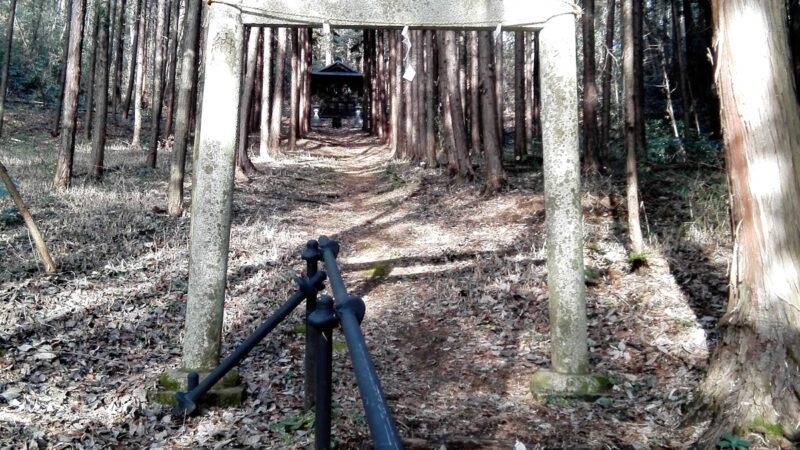
The grounds of Kasai Shrine are home to lush, ancient trees, some over 300 years old, creating a space where one can feel the richness of nature despite being in the middle of the city. This forest is also known as a natural power spot, and simply walking among the trees provides a refreshing and cleansing experience.
The trees around the main shrine are particularly revered by worshippers as sacred trees that have protected the sacred grounds for many years. The opportunity to visit Kasai Shrine slowly while experiencing the changing seasons is another of its charms.
Shrine Buildings and Grounds Architecture
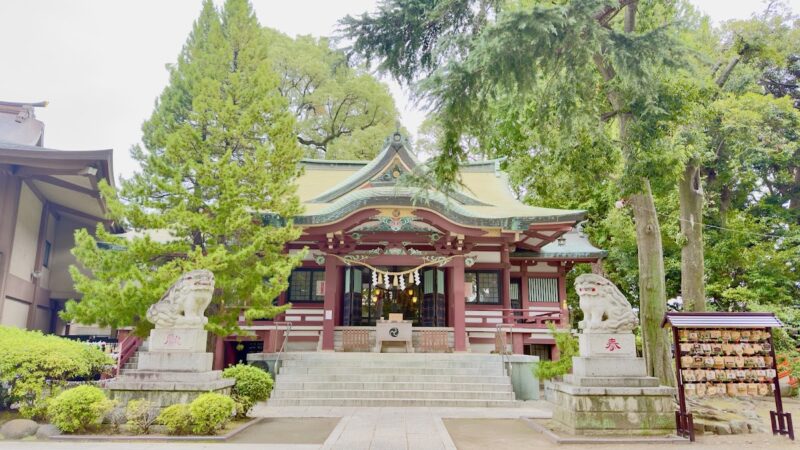
The current shrine buildings are properly maintained while preserving the traditional style of shrine architecture. The main hall, worship hall, and Kagura hall are arranged, and the shrine is particularly lively with many worshippers during the annual festival. The grounds are kept clean, allowing for a peaceful and tranquil atmosphere for worship.
Shrine as the Origin of Edo Festival Music
History and Cultural Value of Kasai Hayashi
Kasai Shrine holds an important position in the history of traditional Japanese performing arts as the birthplace of Edo festival music (Edo Matsuri Bayashi). Kasai Hayashi is traditional festival music performed with instruments such as drums, flutes, and gongs, and is a valuable intangible cultural asset that has been passed down since the Edo period.
Kasai Hayashi (Kasai Festival Music) features a diverse repertoire including Yatai, Shōden, Kamakura, Shichōmai, Kandamaru, Kameido, Kirin, and Kakko, each possessing its own unique rhythm and melody. These pieces have been passed down through generations and continue to be carefully preserved and passed down to the present day.
Tokyo Metropolitan Designated Intangible Folk Cultural Property
Recognized for its cultural and historical value, Kasai Hayashi has been designated a Tokyo Metropolitan Designated Intangible Folk Cultural Property. During the annual festival in September, the sounds of drums, flutes, and gongs resonate throughout the shrine grounds, allowing visitors to enjoy the traditional techniques and sounds.
A local preservation society actively works to pass on the tradition to younger generations. As the birthplace of festival music, Kasai Shrine plays a vital role in preserving Japanese traditional culture.
Annual Events and the Grand Festival
The Grand Festival in September
The most important annual event at Kasai Shrine is the Grand Festival, held every September. During this period, the shrine grounds are bustling with many worshippers, and Kasai Hayashi (traditional festival music) is performed. A portable shrine procession also takes place, and the entire community is enveloped in the festive atmosphere.
At the Grand Festival, parishioners from 11 neighborhood associations gather together, reaffirming the bonds of the community centered around the shrine. The sight of the parishioners dressed in traditional attire truly conveys the tradition of the festival that has continued since the Edo period.
Other Annual Events
- Hatsumode (First Shrine Visit of the New Year): Many worshippers visit during the first three days of the New Year.
- Setsubun Festival: Bean-throwing ceremony held on Setsubun in February.
- Natsukoshi no Oharae (Summer Purification Ceremony): A Shinto ritual held at the end of June to purify oneself of the impurities accumulated over the past six months.
- Shichi-Go-San (Seven-Five-Three Festival): The shrine is bustling with many families in November.
- Toshikoshi no Oharae (Year-End Purification Ceremony): A ceremony held at the end of December to purify oneself of the impurities accumulated over the past year.
Access and Basic Information
Location
Address: 6-10-5 Higashi-Kanemachi, Katsushika-ku, Tokyo
Access by Train
It is convenient to use public transportation to reach Kasai Shrine.
- Approximately 10 minutes on foot from JR Joban Line “Kanemachi Station”
- Approximately 10 minutes on foot from Keisei Kanemachi Line “Keisei Kanemachi Station”
The two stations are adjacent to each other, and the walk from the station to the shrine goes through a residential area. There are signs along the way, so even first-time visitors can arrive without getting lost. From Kanamachi Station, there’s also a route that goes through the shopping street, allowing you to enjoy the local atmosphere while visiting the shrine.
Access by Car
If you’re visiting by car, you can access the shrine via the Metropolitan Expressway or National Route 6. However, since the shrine’s dedicated parking is limited, we recommend using nearby coin-operated parking lots or public transportation.
Visiting Hours and Shrine Office
- Visiting Hours: The shrine grounds are generally open for free worship.
- Shrine Office Hours: Approximately 9:00 AM to 5:00 PM (may vary depending on the season and events)
- Goshuin (Shrine Seal) Issuance: During shrine office hours
- Prayer Request: It is recommended to confirm by phone in advance.
Visiting Manners and Precautions
- Bow before entering through the torii gate.
- Cleanse your hands and mouth at the water basin before worship.
- When stroking the snake statue, do so gently with gratitude.
- The shrine grounds are a sacred place, so worship in silence.
- Photography is permitted, but please be considerate of other worshippers.
Recommended Nearby Spots
Shibamata Taishakuten (Daikyoji Temple)
While not within walking distance of Kasai Shrine, Shibamata, just one stop away on the Keisei Line, is home to Shibamata Taishakuten, famous from the movie “Tora-san.” The approach to the shrine is lined with traditional shops, where you can enjoy local specialties such as kusa dango (rice dumplings with mugwort) and senbei (rice crackers). Visiting this area in conjunction with Kasai Shrine is highly recommended.
Edogawa Riverbank
A short walk from Kanamachi Station will take you to the Edogawa Riverbank. The spacious riverbank is perfect for strolling and cycling, and offers particularly beautiful scenery during the cherry blossom season in spring and the autumn foliage season.
Kanamachi Shopping Street
A lively shopping street stretches around Kanamachi Station, lined with shops selling local produce and daily necessities. Stopping by before or after your visit to experience the local atmosphere is another enjoyable aspect.
Goshuin (Shrine Seals) and Amulets
Goshuin (Shrine Seals)
At Kasai Shrine, you can receive a goshuin as a memento of your visit. The goshuin, carefully written at the shrine office, will be a wonderful keepsake. You can bring your own goshuincho (seal book) or receive one on the spot.
Amulets and Souvenirs
The shrine office on the grounds offers various amulets and souvenirs:
- Exorcism Amulet: Protection from evil through the divine power of Futsunushi-no-Mikoto
- Traffic Safety Amulet: Prayers for safe driving and safe travels
- Financial Luck Amulet: Increased financial luck through the blessings of the stroking snake statue
- Matchmaking Amulet: Amulet for finding a good partner
- Academic Success Amulet: Prayers for success in exams and academics
Each amulet is carefully blessed by the Shinto priests, supporting the wishes of its owner.
Summary of Kasai Shrine’s Charms
Kasai Shrine, with a history of over 800 years, continues to be loved by the local community even today. It possesses multifaceted charms, including its cultural value as the birthplace of Edo-period festival music, the blessings of the stroking snake statue for good fortune, and the appeal of a natural power spot created by giant trees over 300 years old.
One of the attractions of Kasai Shrine is its excellent accessibility, being within walking distance of Kanamachi Station, making it easily accessible from central Tokyo. The tranquil grounds offer a peaceful space for prayer, where you can offer your wishes to the snake deity and reflect on the traditional Kasai Hayashi music. Such a fulfilling experience is a major draw of Kasai Shrine.
When visiting Katsushika Ward in Tokyo, be sure to stop by Kasai Shrine. It’s sure to be a memorable visit, where you can experience history, tradition, and the warmth of the local people.