Naruko Tenjin Shrine (Shinjuku Ward, Tokyo) Complete Guide | History, Goshuin (Shrine Seal), Fujizuka (Mt. Fuji Mound), and Access Information
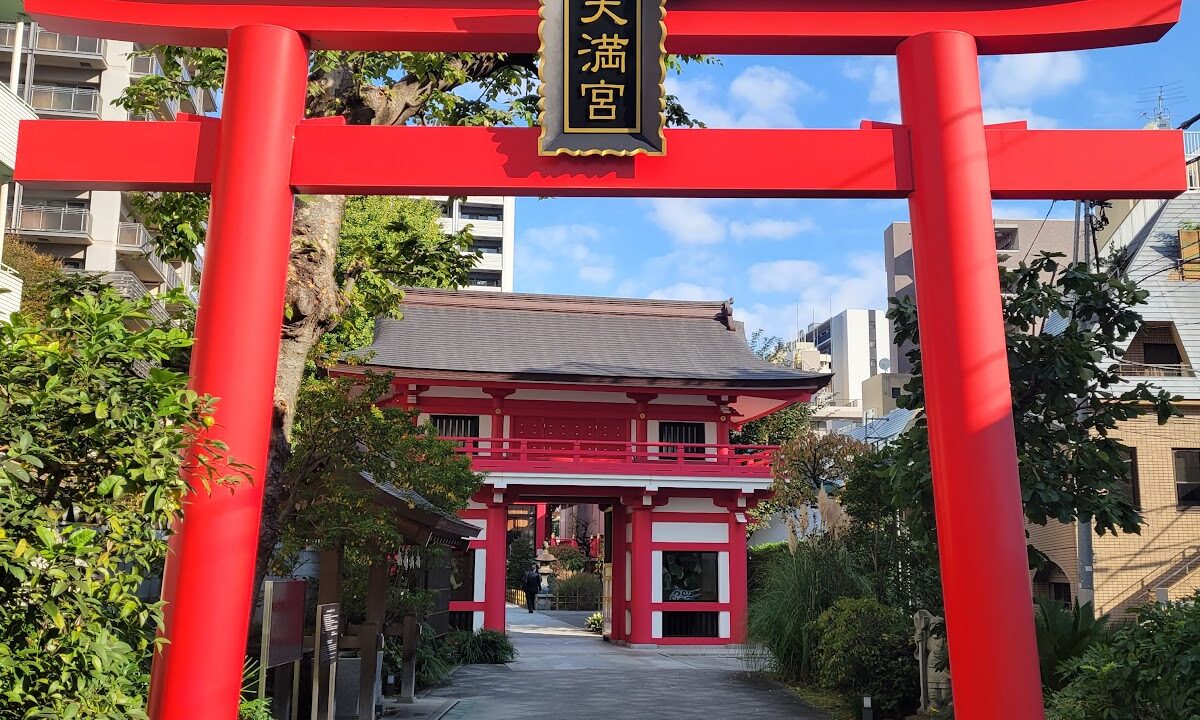
Naruko Tenjin Shrine, located in the heart of Tokyo’s business district of Nishi-Shinjuku in Shinjuku Ward, is an ancient shrine with a history of over a thousand years, said to have been founded in 903 AD. Despite its location surrounded by skyscrapers, stepping onto the shrine grounds envelops you in a tranquil atmosphere, making it a special shrine that allows you to forget the hustle and bustle of the city. It is beloved by locals and many other visitors alike.
This article comprehensively introduces all the information you need to know before visiting Naruko Tenjin Shrine, including its detailed history, highlights within the grounds, goshuin information, and access methods.
What is Naruko Tenjin Shrine? | Tenjin Shrine of Shinjuku
Naruko Tenjin Shrine is a shrine that enshrines Sugawara no Michizane (Tenman Daijizai Tenjin), known as the god of learning, as its main deity. Located in Nishi-Shinjuku 8-chome, Shinjuku-ku, it has long been revered by local people as the guardian shrine of the former Kashiwagi and Naruko districts.
Basic Information
Location: 8-14-10 Nishi-Shinjuku, Shinjuku-ku, Tokyo
Phone Number: 03-3368-6933
Main Deity: Sugawara no Michizane (Tenman Daijizai Tenjin)
Founded: Engi 3 (903)
Annual Festival: September 25th
Shrine Rank: Former Village Shrine
The current Naruko Tenjin Shrine, thanks to the “Naruko Tenjin Shrine Redevelopment Project” implemented in 2014, has been beautifully renovated into a garden-like setting, creating a unique space where modern shrine buildings harmonize with traditional beliefs.
History and Origins of Naruko Tenjin Shrine
Origin of Founding
Naruko Tenjin Shrine is said to have been founded in Engi 3 (903). This year marked the death of Sugawara no Michizane in Dazaifu. It is said that a retainer of Michizane brought a statue of him back from Kyoto and enshrined it in what was then Kashiwagi Village (near present-day Kita-Shinjuku, Shinjuku Ward), marking the beginning of the shrine’s history.
Sugawara no Michizane was a nobleman and scholar of the Heian period, rising to the position of Minister of the Right. However, due to slander from the Fujiwara clan, he was demoted and exiled to Dazaifu, where he died. After his death, a series of natural disasters occurred in Kyoto, leading to his enshrinement as Tenjin to appease his vengeful spirit. Later, he became widely worshipped as the god of learning.
Minamoto no Yoritomo and Naruko Tenjin Shrine
It is said that in 1197 (Kenkyu 8), Minamoto no Yoritomo, the first shogun of the Kamakura shogunate, constructed the shrine buildings. Yoritomo dedicated himself to the protection and maintenance of shrines and temples throughout the country, and Naruko Tenjin Shrine is one of the shrines that benefited from his efforts. However, detailed records from that time do not exist, and many aspects of the specific construction process remain unclear.
Relocation and Development during the Edo Period
In 1661 (Kanbun 1), Naruko Tenjin Shrine was relocated to its current location. This is believed to have been done as a result of the effects of major fires during the Edo period (such as the Great Fire of Meireki) and as part of urban planning. This relocation formally established Naruko Tenjin Shrine as the guardian shrine of the Kashiwagi and Naruko districts, becoming the center of faith for the local residents.
Throughout the Edo period, Naruko Tenjin Shrine received protection from the Tokugawa shogunate, including Tokugawa Iemitsu, and improvements were made to the shrine buildings and festivals. During this period, a miniature Mount Fuji was built on the shrine grounds, and it developed as a place of worship for ordinary people.
Changes in the Modern Era
Due to the Meiji-era separation of Shinto and Buddhism, Naruko Tenjin Shrine became an independent Shinto shrine. The shrine buildings were destroyed in the Tokyo air raids of 1945, and the rebuilt shrine after the war was constructed of reinforced concrete.
Then, in 2014, the “Naruko Tenjin Shrine Redevelopment Project” was implemented. This groundbreaking initiative aimed to ensure the stable maintenance of the shrine and contribute to the local community. It involved constructing a high-rise apartment building on a portion of the shrine grounds, using the profits to completely redevelop the grounds. This redevelopment resulted in the beautiful, garden-like grounds we see today, realizing a new form of shrine that blends tradition and modernity.
Naruko Tenjin Shrine Grounds Guide
Shrine Building
The current shrine building was newly constructed during the 2014 redevelopment. While adhering to the traditional style of shrine architecture, it was built using modern technology and materials. Its distinctive color scheme, based on vibrant vermilion and white, makes it a striking presence in the urban landscape.
Inside the shrine building, Sugawara no Michizane is enshrined, and prayers for academic success, passing exams, and protection from evil are offered. Especially during exam season, many students and their parents visit the shrine.
Naruko Fuji (Fujizuka)
Within the grounds of Naruko Tenjin Shrine is a Fujizuka, an artificial mountain modeled after Mount Fuji, based on the belief in Mount Fuji. This was a popular form of worship among common people during the Edo period. In an era when climbing Mount Fuji was difficult, it was believed that climbing a Fujizuka would grant the same blessings as climbing the actual mountain.
Naruko Fuji is thought to have been constructed in the late Edo period and is still preserved in a corner of the shrine grounds. During the redevelopment in 2014, preservation efforts were made, and it is carefully protected as a culturally valuable historical asset. A small shrine is located at the top of the Fujizuka, enshrining Asama-no-Okami (the god of Mount Fuji).
The Fujizuka is a valuable cultural asset within Shinjuku Ward and attracts the interest of many researchers and history enthusiasts as an important relic that conveys the popular beliefs of the Edo period.
Power Stone of Naruko Tenjin Shrine
Within the shrine grounds, a large stone called the “Power Stone” is preserved. A “Chikaraishi” (力石) is a stone used by strong young men to compete in strength contests from the Edo period to the Meiji period. During festivals and other events, they would lift these stones to compete in strength contests and pray for a bountiful harvest and good health.
The Chikaraishi at Naruko Tenjin Shrine is a valuable folk artifact that tells the history of strength contests once held in this region. Some stones have the names of the donors and their weights inscribed on them, providing clues to the state of the community at that time. Currently, they are displayed in a corner of the shrine grounds and can be viewed along with an explanatory plaque.
While Chikaraishi remain in many shrines throughout Tokyo, they are cultural assets that are gradually being lost due to urban development. Naruko Tenjin Shrine has carefully preserved these Chikaraishi during its redevelopment, continuing its efforts to pass on the region’s history to future generations.
Pilgrimage to the Seven Lucky Gods within the Shrine Grounds
One of the distinctive forms of worship at Naruko Tenjin Shrine is the pilgrimage to the Seven Lucky Gods, which is completed entirely within the shrine grounds. Typically, a pilgrimage to the Seven Lucky Gods involves visiting multiple temples and shrines, but at Naruko Tenjin Shrine, stone statues of the Seven Lucky Gods are placed throughout the grounds, allowing visitors to pay their respects to all seven in a single shrine.
The Seven Lucky Gods are Ebisu, Daikokuten, Bishamonten, Benzaiten, Fukurokuju, Jurōjin, and Hotei, each believed to bring blessings such as business prosperity, financial luck, success in competitions, artistic talent, and longevity. The belief is that by strolling through the grounds, searching for the Seven Lucky Gods, and paying respects to each, one can receive a variety of blessings.
The garden-like grounds are designed to allow visitors to enjoy the changing seasons while on their pilgrimage to the Seven Lucky Gods, providing a peaceful and relaxing experience.
Garden-like Grounds
Following renovations in 2014, the grounds of Naruko Tenjin Shrine were beautifully redesigned in a garden style. Designed with traditional Japanese landscaping techniques, the shrine features stone lanterns, stepping stones, and plantings, with seasonal flowers delighting visitors.
Especially during the cherry blossom season in spring, the fresh greenery of early summer, and the vibrant autumn foliage, the scenery is so beautiful it makes you forget you’re in the heart of the city. Benches are also provided, allowing visitors to relax after their visit.
This garden-like shrine grounds are more than just a place of worship; they serve as a haven for local residents, an urban oasis, and a popular spot for lunchtime strolls for those working nearby.
Goshuin and Amulet Information
Goshuin
Goshuin (shrine stamps) are available at Naruko Tenjin Shrine. They are available at the shrine office, and the offering fee is usually around 300-500 yen (may vary depending on the season).
The goshuin features the calligraphy of “Naruko Tenjin Shrine” and the shrine’s seal, and is a popular memento of the visit. As a shrine dedicated to Tenjin-sama (Sugawara no Michizane), it is a popular destination for students and their families seeking academic success, often bringing their goshuincho (stamp books).
The goshuin (stamp) reception hours are generally from 9:00 AM to around 5:00 PM, but these may change during festivals and religious ceremonies. Therefore, it is recommended to call ahead to confirm if you wish to receive a goshuin.
Amulets and Items
Naruko Tenjin Shrine offers amulets for various blessings, including academic success, passing exams, protection from evil, and traffic safety. As a shrine dedicated to Tenjin-sama, particularly Sugawara no Michizane, it has a wide selection of academic-related amulets, and many students visit during exam season seeking them.
Furthermore, as a shrine where you can visit the Seven Lucky Gods, amulets for good fortune and business prosperity are also popular. Various ema (votive tablets) are available, allowing visitors to write their wishes and dedicate them.
Annual Events and Festivals
Grand Festival (September 25th)
The most important festival at Naruko Tenjin Shrine is the Grand Festival, held annually on September 25th. This date commemorates the death anniversary of Sugawara no Michizane, and a solemn ceremony is held at the shrine.
During the Grand Festival, Shinto rituals such as the recitation of prayers by Shinto priests and the offering of sacred branches are performed, with local parishioners and devotees in attendance. A celebratory feast (naorai) is held after the ceremony, providing an opportunity for attendees to socialize.
New Year’s Visit
During the New Year’s visit period (January 1st to 3rd), many worshippers visit to pray for the new year. Due to its location in Nishi-Shinjuku, many business people working nearby also visit, and group visits from companies can be seen during the start of the work year.
At midnight on New Year’s Day, a ceremony to welcome the new year is held, and the shrine grounds are bustling with New Year’s visitors. Sweet sake (amazake) is sometimes offered. ### Tenjin Festival (January & June)
As a shrine dedicated to Tenjin-sama, the Tenjin Festival is held on January 25th and June 25th. This festival, held on the 25th of each month, which is the anniversary of the death of Sugawara no Michizane, includes special prayers for academic success and passing exams.
Especially the Tenjin Festival in January, before the exam season, sees many students and their parents visiting the shrine to pray for success.
Other Annual Events
- Setsubun Festival (around February 3rd): Bean-throwing ceremonies are held to ward off evil and pray for good fortune.
- Natsukoshi no Oharae (June 30th): A Shinto ritual to purify and cleanse away the sins and impurities accumulated over the past six months. A ritual of passing through a ring of reeds is performed.
- Shichi-Go-San (November): Shichi-Go-San celebrations are held to commemorate the growth of children.
- Year-End Purification Ceremony (December 31st): A ceremony to cleanse away the sins and impurities of the past year and prepare for the New Year.
Access and Transportation Information
Access by Train
Naruko Tenjin Shrine is easily accessible, within walking distance of several train lines.
Nearest Stations:
- Tokyo Metro Marunouchi Line “Nishi-Shinjuku Station”
- Approximately 2 minutes on foot from Exit 1
- The closest station, offering convenient access.
- Toei Oedo Line “Tochomae Station”
- Approximately 7 minutes on foot from Exit A5
- Convenient access from the Tokyo Metropolitan Government Building area.
- JR and Private Railway Lines “Shinjuku Station”
- Approximately 12 minutes on foot from the West Exit
- While a bit of a distance from Shinjuku Station, it’s still well within walking distance.
- Seibu Shinjuku Station (Seibu Shinjuku Line)
- Approximately 10 minutes on foot from the North Exit
Access by Bus
Several bus routes, including Toei Bus and Keio Bus, pass through the vicinity. The nearest bus stop is “Nishi-Shinjuku 8-chome”.
Access by Car and Parking
Naruko Tenjin Shrine has its own parking lot, but spaces are limited, so using public transportation is recommended. There are also several coin-operated parking lots nearby, which can be used if you are visiting by car.
For access from the Metropolitan Expressway, the nearest exit is “Nishi-Shinjuku Exit” on the Central Circular Route.
Nearby Tourist Attractions
Tokyo Metropolitan Government Building
Located approximately 10 minutes on foot from Naruko Tenjin Shrine, the Tokyo Metropolitan Government Building is a popular tourist spot where you can enjoy panoramic views of Tokyo from its observation deck (free admission). On clear days, you can even see Mount Fuji.
Shinjuku Central Park
A vast park next to the Tokyo Metropolitan Government Building, it is a beloved urban oasis. Enjoy the changing seasons and nature here; perfect for walks and picnics.
Shinjuku Subnade
An underground shopping area around Shinjuku Station, lined with numerous shops. Enjoy shopping and dining.
NEWoMan
A shopping complex directly connected to Shinjuku Station, featuring a variety of stores including fashion boutiques, general merchandise stores, cafes, and restaurants. Convenient for visiting before or after a visit to the shrine.
Peace Memorial Exhibition Hall (Museum of Memories of Returnees)
Located within the Shinjuku Sumitomo Building, this museum allows visitors to learn about the history of post-war repatriation and internment. Admission is free, providing an opportunity to reflect on peace.
Points and Manners for Visiting a Shrine
Etiquette for Visiting a Shrine
The basic etiquette for visiting a shrine is as follows:
- Bow before passing through the torii gate.
- Purify your hands and mouth at the water basin.
- Hold the ladle in your right hand and wash your left hand.
- Switch the ladle to your left hand and wash your right hand.
- Switch the ladle back to your right hand, receive water in your left hand, and rinse your mouth.
- Finally, hold the ladle upright and rinse the handle.
- Bow twice, clap twice, and bow once in front of the main hall.
- Bow deeply twice.
- Clap your hands twice.
- Bow deeply once.
Regarding Photography
Photography is generally permitted on the shrine grounds, but consideration should be given to avoiding disturbing ceremonies or other visitors. Photography inside the shrine building may be prohibited, so please check before taking pictures.
Attire
While casual attire is acceptable for visiting the shrine, it’s best to avoid overly casual clothing (such as flip-flops). For formal prayers, somewhat more formal attire is preferable.
Benefits of Naruko Tenjin Shrine
Academic Success and Passing Exams
As a Tenjin shrine dedicated to Sugawara no Michizane, it is best known for its blessings related to academic success and passing exams. During exam season, many students visit to pray for success. Michizane excelled in academics from a young age and rose to the position of Minister of the Right. His erudition led to his worship as the god of learning.
Protection from Misfortune and Good Fortune
Tenjin is also worshipped as a god of protection from misfortune. Many people visit the shrine during their unlucky years, believing it offers protection from disaster and improves their luck.
Fulfillment of Wishes
It is believed that visiting the Seven Lucky Gods within the shrine grounds grants various wishes, including business prosperity, increased wealth, health and longevity, and improvement in performing arts. Each of the Seven Lucky Gods presides over a different area of good fortune, allowing you to pray to the god corresponding to your specific wish.
Cultural Properties and Possessions of Naruko Tenjin Shrine
Power Stone (Folk Material)
As mentioned above, the power stone preserved within the shrine grounds is a valuable resource that conveys folk customs from the Edo to Meiji periods. It is preserved as an important cultural property for understanding the history of the region.
Fujizuka (Naruko Fuji)
Constructed in the late Edo period, the Fujizuka is a cultural property that conveys the history of Mount Fuji worship. It is recognized as a cultural property of its value as a rare relic remaining in only a limited number of locations within Shinjuku Ward.
Ancient Documents and Records
Naruko Tenjin Shrine houses various ancient documents and records from the Edo period onward. These are valuable historical materials for understanding the history of the shrine and the changes in the local community.
Summary
Naruko Tenjin Shrine boasts a long history, having been founded in 903 AD, yet its 2014 redevelopment has given it a modern appeal. Located in the heart of Tokyo’s business district of Nishi-Shinjuku, its beautiful garden-like grounds offer tranquility to visitors.
As a shrine dedicated to Sugawara no Michizane, it is known for its blessings of academic success and passing exams. The shrine also offers numerous attractions, including a Seven Lucky Gods pilgrimage, a historically significant Fujizuka (miniature Mount Fuji), and a power stone. Its convenient location, just a 2-minute walk from Nishi-Shinjuku Station on the Tokyo Metro Marunouchi Line, makes it easily accessible.
Naruko Tenjin Shrine is a place that can be visited for a variety of reasons, including students preparing for exams, those facing their unlucky year, those seeking good fortune, and those interested in history and culture. Why not visit while sightseeing or shopping in Shinjuku? The time spent in this quiet sanctuary amidst the hustle and bustle of the city, where you can calm your mind and offer prayers, is sure to be a special experience.