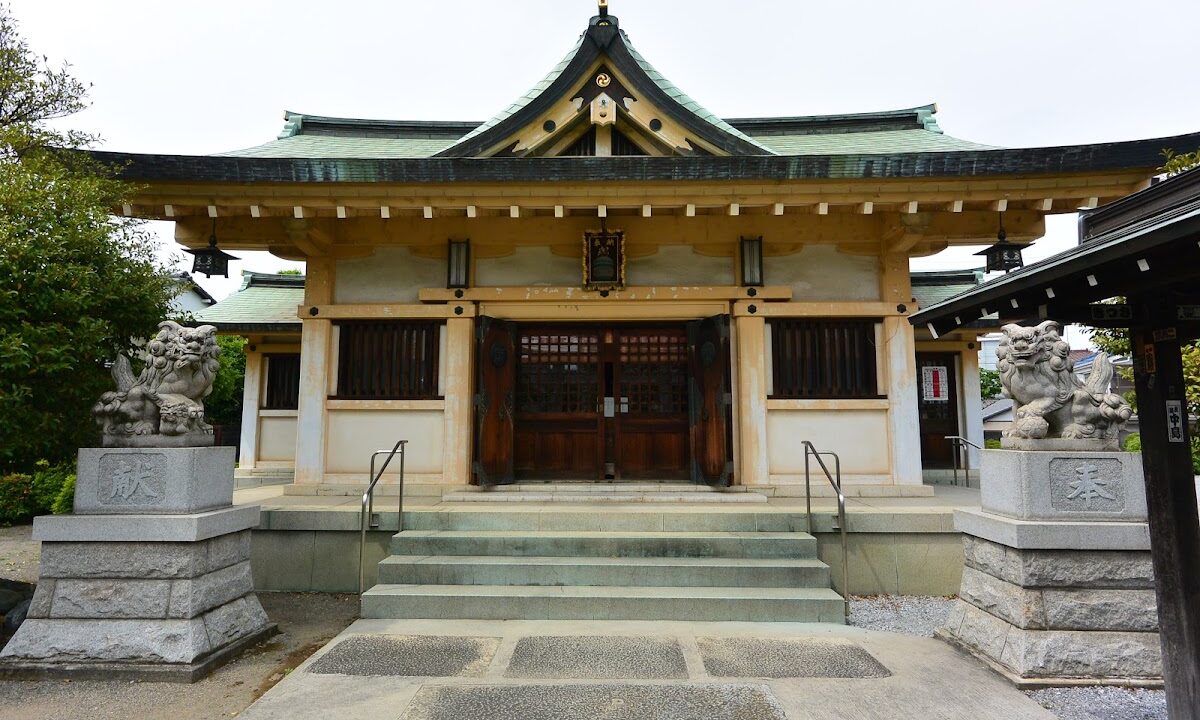
Complete Guide to Kishu Shrine (Kita Ward, Tokyo) | History, Goshuin (Shrine Seal), and Access Information
Kishu Shrine, located in Toshima, Kita Ward, Tokyo, is a venerable shrine with a history of over 700 years dating back to the Kamakura period. Affectionately known as “Kishu-sama” by locals, it has long been revered as the god of water. This article provides detailed information you should know before visiting, including the history of Kishu Shrine, its enshrined deities, goshuin (shrine seal), and access methods.
History and Origins of Kishu Shrine
Founding History
The founding of Kishu Shrine dates back to the Genko era (1321-1324) of the late Kamakura period. It is said that a man named Suzuki Shigenobu, who migrated from Kumano in Kishu (present-day Wakayama Prefecture), collaborated with the Toshima clan, who ruled the area at the time, to invite a divided spirit of Itakiso Shrine (Inotaki Shrine) in Kii Province to Oji Village as the guardian shrine of Toshima Village. Itakiso Shrine, located in Wakayama City, Wakayama Prefecture, is an Engishiki-listed shrine and an ancient shrine known as the god of trees. The fact that its divided spirit was brought to Tokyo speaks to the deep connection with Kishu (Wakayama) at that time.
Reasons for its affectionate nickname “Kishu-sama”
Since its founding, Kishu Shrine has been affectionately known as “Kishu-sama” by local residents. This name originates from the fact that the shrine was established by inviting a deity from Kishu (Wakayama). For approximately 700 years, it has been revered as the guardian deity of the Toshima area, attracting the faith of local people and playing a central role in the community.
Faith as a Water God
Toshima, Kita Ward, where Kishu Shrine is located, is situated near the Arakawa River. Therefore, it has long been deeply revered as a water god, and people have visited the shrine to pray for protection from floods and for the blessing of abundant water. Because the enshrined deity, Isotakeru-no-Mikoto, is the god of forestry and timber, it is also considered to have a deep connection to flood control and water.
Deities and Divine Virtues
Main Deities
Kishu Shrine enshrines three deities.
Isotakeru-no-Mikoto (or Itakeru-no-Mikoto)
Isotakeru-no-Mikoto, the main deity, is a son of Susanoo-no-Mikoto and a deity who appears in the Nihon Shoki (Chronicles of Japan). According to mythology, he traveled to Silla with his father and then sowed tree seeds throughout Japan, creating a lush, green land. For this reason, he is revered as the guardian deity of forestry, timber, and construction.
Ooyatsuhime-no-Mikoto
She is the younger sister of Isotakeru-no-Mikoto and a goddess who is said to have worked diligently with her brother in afforestation projects. She is worshipped as the goddess of trees and the guardian deity of houses.
Tsumatsuhime-no-Mikoto
Another younger sister deity, she also appears in the afforestation myth. Along with Ooyatsuhime-no-Mikoto, she is credited with assisting Isotakeru-no-Mikoto in greening the land of Japan.
Divine Virtues
Based on these enshrined deities, Kishu Shrine is believed to possess the following divine virtues:
- Industrial Prosperity: Protection of forestry, timber, and construction industries
- Family Safety: Faith as a god protecting homes
- Protection from Water Disasters: Protection as a god of water
- Abundant Harvest: Prosperity of agriculture
- Business Prosperity: Development of local industries
Highlights of the Shrine Grounds
Shrine Building
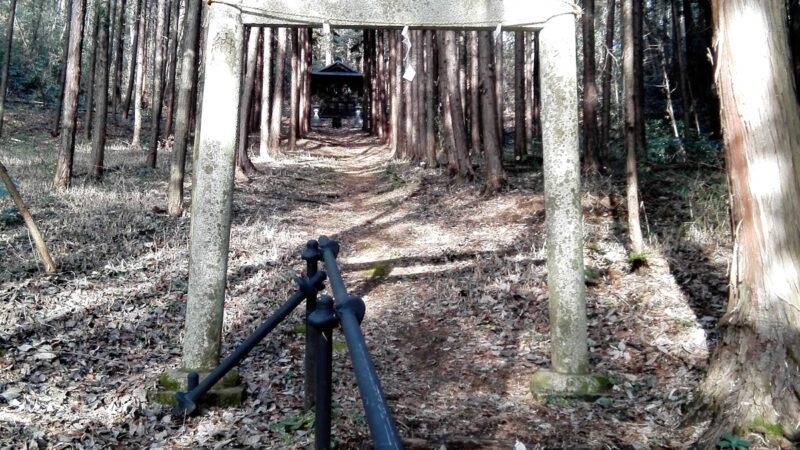
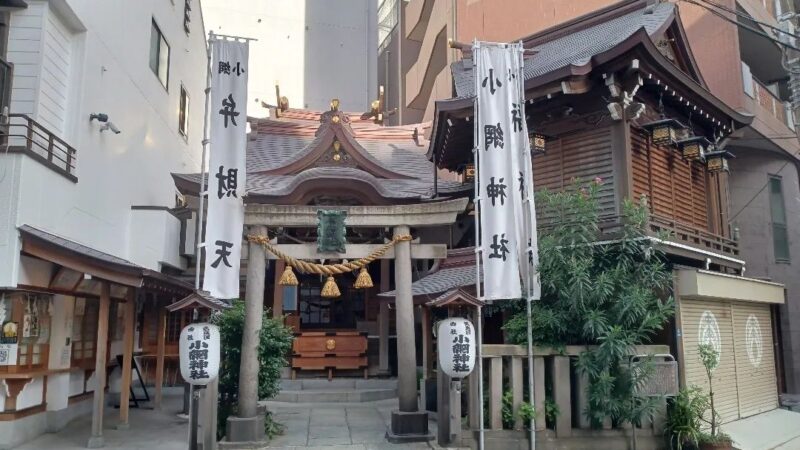
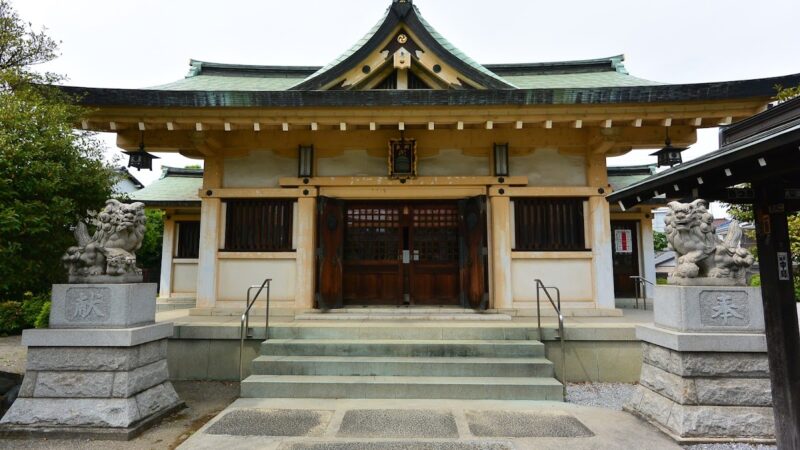
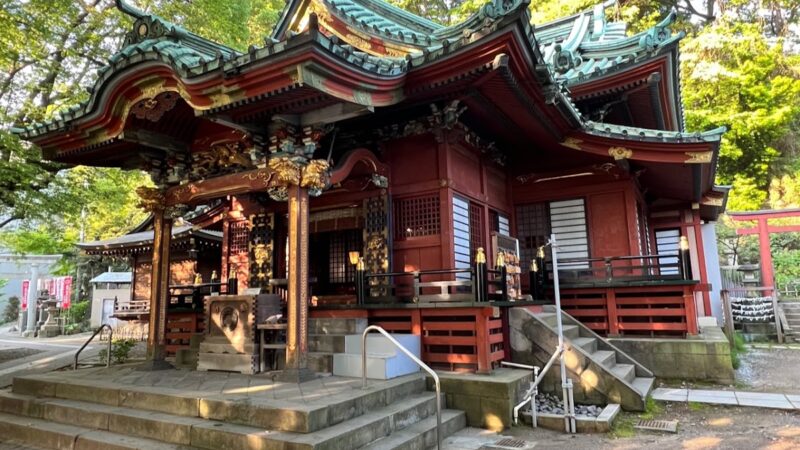
The shrine building of Kishu Shrine, though small, presents a dignified presence. Despite being located in the urban area of Kita Ward, Tokyo, a tranquil atmosphere permeates the grounds, leaving visitors with a sense of peace.
Atmosphere of the Shrine Grounds
Located in a residential area, Kishu Shrine has the approachable feel of a shrine deeply rooted in the community. The shrine grounds are meticulously maintained, reflecting the deep respect and care the local people have for the shrine. Located near the Arakawa River, it enjoys a serene environment blessed with water.
Cultural Property
As a shrine with a history of approximately 700 years, it is a valuable resource for conveying the history of the region. Having witnessed the changes in the Toshima area, Kishu Shrine holds an important position as a cultural heritage site of Kita Ward.
Goshuin (Shrine Seal) and Goshuincho (Shrine Seal Book) Information
About Goshuin
Kishu Shrine offers goshuin (shrine seals). Many visitors receive them as a memento of their visit and as a way to preserve their connection with the shrine.
Please note the following points when receiving a goshuin.
- Make your request after completing your prayers.
- Prepare your Goshuincho (stamp book).
- Prepare your offering (hatsuhoryo).
- Visit during the hours when a Shinto priest is present.
Goshuincho
Regarding the availability of Kishu Shrine’s original Goshuincho, we recommend asking directly during your visit. If you have a standard Goshuincho, they will stamp it for you.
Points to Note During Your Visit
Kishu Shrine may not always have a resident priest, so if you want to be sure to receive a Goshuin (stamp), we recommend checking the visiting hours in advance. As this shrine is carefully protected as the guardian deity of the region, please observe proper etiquette and visit with respect.
Access
Basic Information
Location
7-15-5 Toshima, Kita-ku, Tokyo
*Some sources list the address as Toshima 6-8-8, but we recommend confirming the exact address before your visit.
Access by Train
Kishu Shrine is accessible from several train lines.
Tokyo Metro Namboku Line
- Approximately 13 minutes on foot from Oji-Kamiya Station
- This is the closest station.
JR Keihin-Tohoku Line
- Approximately 13 minutes on foot from Oji Station or by bus
- Approximately 13 minutes on foot from Higashi-Jujo Station
Access by Bus
If using the bus from Oji Station
- Take the bus bound for Heart Island from Oji Station
- Get off at the “Toshima 7-chome Minami” bus stop.
Using the bus is convenient as it allows you to access the area near the shrine directly from the station. We especially recommend using the bus on hot or rainy days.
Access by Car
Since the area around the shrine is a residential area, it is necessary to check the availability of parking in advance. We recommend using public transportation whenever possible.
Surrounding Environment
Kishu Shrine is located in a residential area of Toshima, Kita Ward. The Arakawa River is nearby, and the surrounding area is a residential area for local residents. As this shrine is located in a quiet environment, please remember to be considerate of the neighbors when visiting.
Annual Events and Festivals
Grand Festival
As the local guardian shrine, Kishu Shrine holds various festivals throughout the year. During the Grand Festival, local residents gather, reaffirming the bonds of the community centered around the shrine.
New Year’s Visit
At the start of the new year, many worshippers visit for their first shrine visit of the year. As a shrine deeply rooted in the community, many people, mainly local residents, visit to offer prayers for the new year. It is characterized by its calm atmosphere, without the crowds of larger shrines.
Daily Visits
Even outside of festival days, many locals stop by during their daily walks or on their commutes to work or school. As a shrine affectionately known as “Kishu-sama,” it is a familiar presence for the local people on a daily basis.
The Charm of Kishu Shrine
The Weight of History
Kishu Shrine has stood for approximately 700 years since its founding during the Genko era (1321-1324). From the late Kamakura period through the Muromachi, Sengoku, Edo, Meiji, Taisho, Showa, Heisei, and Reiwa eras, it has witnessed the changing times. Its long history is intertwined with the history of this region itself.
Connection to Kishu
The shrine’s history, stemming from its invitation from Itakiso Shrine in Wakayama Prefecture (Kishu), conveys a cultural connection with a distant land. The story of a man named Suzuki Shigenobu welcoming the deity from his hometown to this place illustrates an aspect of Japanese history: the migration of people and the spread of culture.
The Core of the Local Community
In the increasingly urbanized city of Tokyo, Kishu Shrine continues to function as the local guardian shrine. The affectionate nickname “Kishu-sama” indicates that the shrine is not merely a religious institution, but a spiritual anchor for the local residents.
Role as a Water Deity
Located near the Arakawa River, Kishu Shrine has long been revered as a water deity. Even today, people’s desire for the blessings of water and protection from floods remains unchanged. Even in this age of advanced flood control technology, it teaches us the importance of maintaining reverence for the power of nature.
Manners for Visiting the Shrine
Basic Worship Etiquette
Please observe basic manners for visiting a shrine and offer your prayers with sincerity.
Before Passing Through the Torii Gate
- Bow before entering the shrine grounds.
- Walk along the edge of the path, as the center is the path for the gods.
Ritual for Washing Your Hands
- Take the ladle with your right hand and wash your left hand.
- Switch the ladle to your left hand and wash your right hand.
- Switch the ladle back to your right hand, receive water in your left hand, and rinse your mouth.
- Wash your left hand again.
- Hold the ladle upright and wash the handle.
Ritual at the Worship Hall
- The basic ritual is two bows, two claps, and one bow.
- Quietly place your offering in the offering box.
- Ring the bell if there is one.
- Bow deeply twice.
- Clap your hands twice.
- Pray sincerely.
- Bow deeply once.
Regarding Photography
Photography is generally permitted on the shrine grounds, but please note the following points.
- Please be considerate of other worshippers.
- Remember that this is a sacred place.
- Do not take photos in areas where photography is prohibited, such as inside the shrine buildings.
- Please refrain from using flash photography.
Nearby Attractions
Shrines and Temples in Kita Ward
Near Kishu Shrine, there are many other historical shrines and temples.
Oji Shrine
A prestigious shrine counted among the Ten Shrines of Tokyo. It is also the place where a divided spirit of Kishu Shrine was temporarily enshrined at the time of its founding, thus having a historical connection.
Oji Inari Shrine
Known as the head shrine of Inari in the Kanto region, it is also famous as the setting for the rakugo (traditional Japanese comic storytelling) story “The Fox of Oji.”
Around the Arakawa River
The Arakawa River embankment is an ideal spot for strolling and cycling. Walking along the lush Arakawa River before or after visiting Kishu Shrine is highly recommended.
Historical Spots in Kita Ward
Kita Ward has many spots where you can enjoy history and nature, such as Asukayama Park and the Former Furukawa Garden. Visiting Kishu Shrine in conjunction with this will allow you to gain a deeper understanding of the charm of Kita Ward.
Recommendation for Visiting Kishu Shrine
Recommended for:
- Those who want to visit a historical shrine
- Those who want to worship in a quiet environment
- Those who want to experience the atmosphere of a shrine rooted in the local community
- Those who collect Goshuin (shrine stamps)
- Those interested in the history of Kita Ward
- Those who want to pray to the water god
Best Time to Visit
Kishu Shrine is open for worship throughout the year.
Spring: A season of fresh greenery, worship in refreshing air
Summer: The time of the annual festival, feel the vibrancy of the community
Autumn: Autumn leaves and a tranquil atmosphere
Winter: First shrine visit of the year, prayers for the new year
Each season has its own unique charm.
Estimated Time Required
The shrine grounds are compact, so the worship itself takes about 15-30 minutes. If you plan to stroll leisurely through the shrine grounds and collect a Goshuin (shrine stamp), allow about an hour.
Summary
Kishu Shrine, located in Toshima, Kita Ward, Tokyo, is a venerable shrine with a history of approximately 700 years, dating back to the Kamakura period. It enshrines a divided spirit of Itakiso Shrine, which was invited from Kumano in Kishu, and has been affectionately known as “Kishu-sama” as the guardian deity of the region.
With Isotakeru-no-Mikoto as its main deity, Kishu Shrine attracts worshippers as the god of trees and water. Due to its location near the Arakawa River, many people visit to pray for the blessings of water and protection from water-related disasters.
In the increasingly urbanized city of Tokyo, Kishu Shrine continues to function as a core of the local community, retaining its enduring value even in modern times. It is easily accessible, located about a 13-minute walk from Oji-Kamiya Station, or by bus from Oji Station.
Why not visit Kishu Shrine, nestled in a quiet residential area, and experience the weight of history and the warmth of the community in a peaceful setting? Forge your own connection with “Kishu-sama” at this place of worship, which has been passed down for over 700 years.
When visiting Kita Ward, be sure to include a visit to Kishu Shrine in your plans. It will be a memorable experience, allowing you to connect with history, tradition, and the warmth of the local people.