Tenso Wakamiya Hachimangu Shrine (Nerima Ward, Tokyo) Complete Guide | History, Benefits, Access, and Highlights
Tenso Wakamiya Hachimangu Shrine, located in Sekimachi Kita, Nerima Ward, Tokyo, is a historic shrine with a history dating back to the Nara period. Situated on a hill in Musashi Seki Park, its vast grounds of approximately 8,000 square meters are a beloved urban oasis surrounded by lush greenery throughout the seasons. This article provides a detailed explanation of Tenso Wakamiya Hachimangu Shrine’s history, enshrined deities, benefits, access methods, and highlights within the grounds.
History and Origins of Tenso Wakamiya Hachimangu Shrine
Founding History Dating Back to the Nara Period
The origins of Tenso Wakamiya Hachimangu Shrine date back to the Nara period. At that time, a checkpoint called Musashi Sekisai was established in this area, and Wakamiya Hachimangu Shrine was enshrined as its guardian deity. A “sekisai” (関塞) was a defensive stronghold established at an ancient transportation hub, indicating the strategic importance of this location both militarily and geographically.
Merger of Two Shrines
The current Tenso Wakamiya Hachimangu Shrine was formed in 1974 (Showa 49) through the merger of two shrines. One was the aforementioned Wakamiya Hachimangu Shrine, and the other was the Tenso Shrine, affectionately known as “Banshin-sama” (Guardian Deity) as the guardian shrine of Seki Village.
Wakamiya Hachimangu Shrine was founded during the Nara period and was revered as the villagers’ tutelary deity during the Keicho era (1596-1615). On the other hand, the founding date of Tenso Shrine is unknown, but it has a long history of protecting the region as the village’s guardian shrine.
Through the merger of these two shrines, the current Tenso Wakamiya Hachimangu Shrine was established, possessing a broader range of divine virtues.
Regional Landscape Resources of Nerima Ward
Tenso Wakamiya Hachimangu Shrine is designated as a regional landscape resource, “Nerima’s Special Landscape.” This is proof that it is recognized as an important cultural heritage of Nerima Ward, not only in terms of its historical value but also in terms of its landscape.
Deities and Blessings
Deities
The following deities are enshrined at Tenso Wakamiya Hachimangu Shrine:
- Amaterasu Omikami: The principal deity of Tenso Shrine. The supreme deity in Japanese mythology and the ancestral deity of the Imperial family.
- Emperor Ojin: The principal deity of Wakamiya Hachimangu Shrine. Hachiman, the god of military fortune and victory in competitions
- Emperor Chuai: Father of Emperor Ojin
- Empress Jingu: Mother of Emperor Ojin
Benefits
At Tenso Wakamiya Hachimangu Shrine, you can expect the following benefits:
- Family safety and prosperity: Divine virtue of Amaterasu Omikami
- Long-lasting military fortune and victory: Divine virtue of Hachiman
- Protection from evil and good fortune: Character as a guardian deity of checkpoints
- Prosperity of descendants and safe childbirth: Divine virtue of Empress Jingu
- Traffic safety: History as a guardian deity of checkpoints
Access and Basic Information
Location and Contact Information
- Address: 3-34-32 Sekimachi Kita, Nerima-ku, Tokyo 177-0051
- Phone Number: 03-3929-2445
Access by Train
Nearest Station: Musashi-Seki Station, Seibu Shinjuku Line
- Approximately 8-9 minutes on foot from the South Exit of Musashi-Seki Station
- Head south from the station towards Musashi-Seki Park
- The shrine is located on a hill within the park.
Access by Car
The Sekimachi Kita area of Nerima Ward is a residential area, so we recommend using public transportation. If you are visiting by car, please use a nearby coin parking lot.
Visiting Hours
The shrine grounds are generally open all day, but the shrine office is mainly open during the daytime. If you wish to obtain a Goshuin (shrine stamp) or amulet, we recommend calling in advance to confirm.
Highlights of the Shrine Grounds
Vast Grounds and Natural Environment
The most distinctive feature of Tenso Wakamiya Hachimangu Shrine is its vast grounds, approximately 8,000 square meters (about 2,400 tsubo), which are rare in Tokyo. Located on a hill in Nerima Ward’s Musashiseki Park, it offers a tranquil space enveloped in the ever-changing greenery of the four seasons.
The grounds, displaying different expressions with each season—cherry blossoms in spring, fresh greenery in summer, autumn leaves in fall, and a crisp silence in winter—provide a sense of peace and tranquility to visitors.
Shrine Buildings
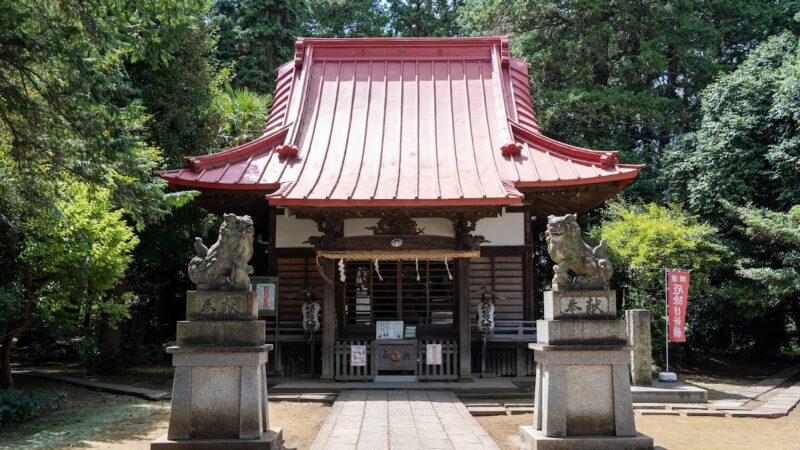
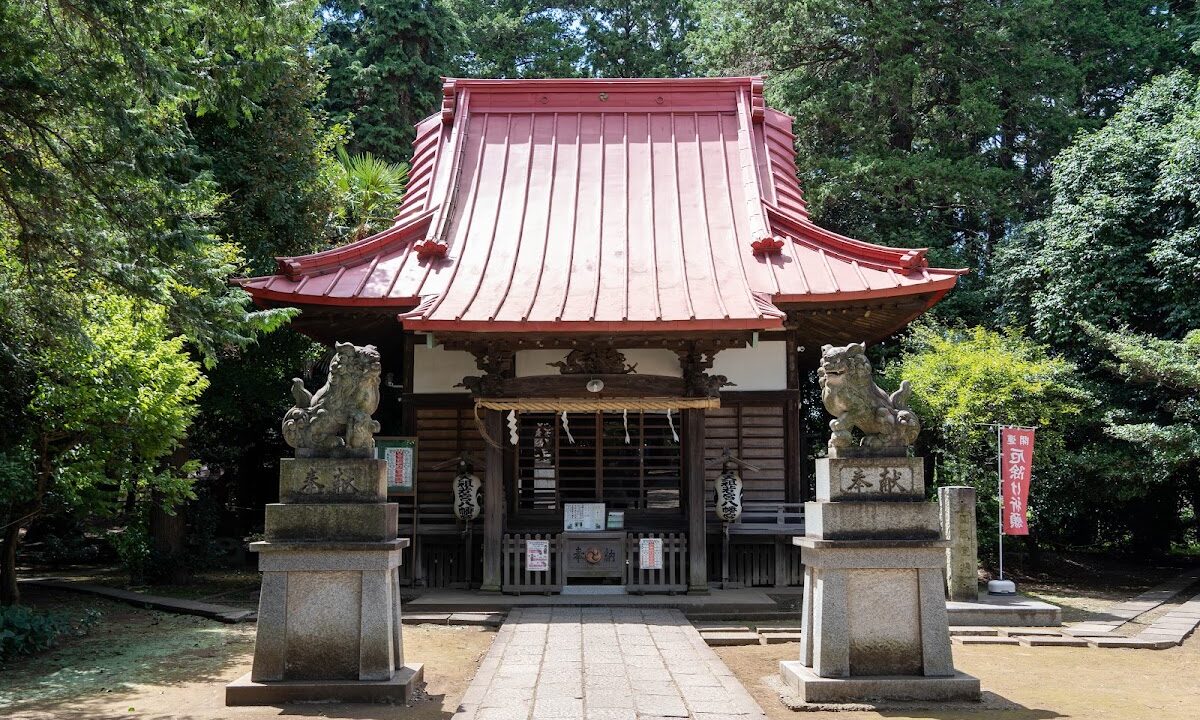
The main shrine building was constructed after the merger of two shrines and retains the beauty of traditional shrine architecture. A wide approach leads to the worship hall, allowing for a relaxed and leisurely visit.
Kagura Hall
The shrine grounds also house a Kagura Hall, where Kagura (sacred dance and music) are performed during festivals such as the annual grand festival. It is an important facility for preserving the region’s traditional culture.
Shrines within the Precincts
Within the grounds of Tenso Wakamiya Hachimangu Shrine, several smaller shrines are enshrined:
- Mitake Shrine: A shrine dedicated to mountain worship
- Inari Shrine: Deity of business prosperity and abundant harvests
- Itsukushima Shrine: Dedicated to Benzaiten, the god of performing arts and learning
By visiting these smaller shrines, you can receive a wider range of blessings.
Stone Monuments and Memorials
The shrine grounds contain several stone monuments and memorials that tell the story of the region, serving as valuable resources for understanding its history.
Annual Festival and Regular Events
Annual Festival
The annual festival of Tenso Wakamiya Hachimangu Shrine is held every year on September 28th. Local parishioners and devotees gather for traditional festival ceremonies, including a portable shrine procession and the dedication of sacred dances.
Other Annual Events
- New Year’s Day Festival: January 1st
- Setsubun Festival: Around February 3rd
- Summer Purification Ceremony: June 30th
- Year-End Purification Ceremony: December 31st
Please note that the exact dates may vary from year to year, so it is recommended to check with the shrine before visiting.
About Goshuin (Shrine Seals)
Tenso Wakamiya Hachimangu Shrine offers Goshuin. Those with a Goshuincho (seal book) can receive one at the shrine office. However, the chief priest may be absent, so it is recommended to call ahead to confirm if you definitely want a Goshuin.
The Goshuin features the calligraphy of “Tenso Wakamiya Hachimangu” and the shrine’s seal, serving as a memento of your visit.
Nearby Attractions
Musashiseki Park
Musashiseki Park, where Tenso Wakamiya Hachimangu Shrine is located, is one of Nerima Ward’s representative parks. The vast grounds feature ponds and walking paths, making it ideal for strolling. Enjoying a walk in the park in conjunction with a visit to the shrine is highly recommended.
Shakujii Park
Located a few stations away from Musashi-Seki Station, Shakujii Park is another popular spot in Nerima Ward. This nature-rich park, centered around two ponds, Shakujii Pond and Sanpoji Pond, offers opportunities for boating and bird watching.
Historical Walks Around Sekimachi
The Sekimachi area is dotted with place names and historical sites that evoke the history of the Musashi Fortress. A walk exploring the local history, starting from Tenso Wakamiya Hachimangu Shrine, would be fascinating.
Manners and Precautions for Visiting a Shrine
Basic Worship Etiquette
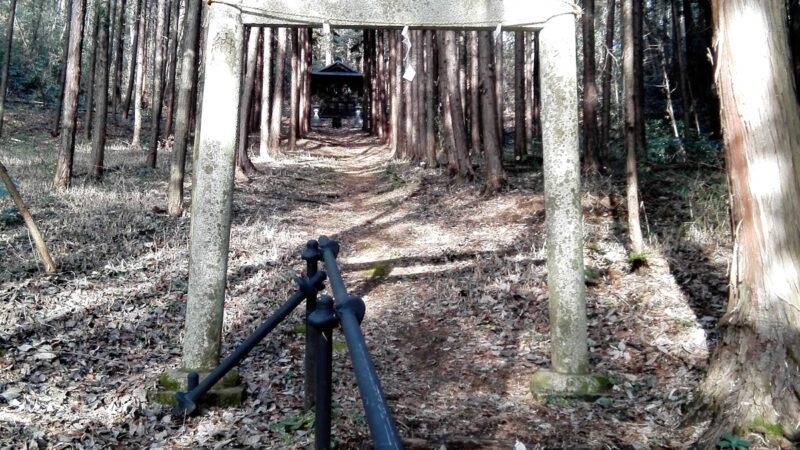
- Bow before passing through the torii gate: A courtesy before entering the sacred area.
- Purify yourself at the water basin: Purify in the order of left hand → right hand → mouth → left hand.
- Walk along the edge of the path: The center is considered the path of the gods.
- Etiquette in front of the main hall: Two bows, two claps, and one bow is the basic form.
Photography
Photography is generally permitted on the shrine grounds, but it may be restricted inside the main hall or during festivals. If unsure, please check with the shrine office.
How to behave on the Shrine Grounds
Shrines are sacred places. Please refrain from loud conversations and running around, and worship quietly. Also, please be careful not to damage the plants or buildings on the shrine grounds.
The Charm of Tenso Wakamiya Hachimangu Shrine
A Tranquil Space in the City
Despite being located in Nerima Ward, an area close to the city center, the vast grounds of approximately 8,000 square meters are surprisingly quiet, allowing you to forget the hustle and bustle of the city. Its location on a hill in Musashiseki Park also creates a special atmosphere.
The Fusion of Two Shrine Histories
The fusion of Wakamiya Hachimangu Shrine and Tenso Shrine, two shrines with distinct histories and characteristics, has resulted in a shrine with broader divine blessings. Its unique history, a fusion of its history as the guardian deity of a checkpoint and its history as the tutelary shrine of a village, is its charm.
The Beauty of Nature in Every Season
The shrine grounds are covered in greenery throughout the four seasons, displaying different expressions with each passing year. The cherry blossoms in spring and the autumn leaves are particularly beautiful, making it a special place for nature lovers.
A Faith Rooted in the Community
Throughout its long history dating back to the Nara period, this shrine has always been a part of the local community. Even today, it continues to be cherished by the community as the local guardian shrine and as “Nerima’s most special scenery.”
Visitor Voices
Visitors who have actually visited Tenso Wakamiya Hachimangu Shrine have shared the following comments:
- “Even though it’s just a short walk from Musashi-Seki Station, I was surprised by the otherworldly tranquility once I entered the grounds.”
- “The spacious grounds have multiple subsidiary shrines, making it well worth seeing.”
- “The beauty of nature throughout the seasons makes it perfect for a leisurely visit.”
- “Its charm lies in being a hidden gem of a shrine where you can worship at your own pace.”
Summary
Tenso Wakamiya Hachimangu Shrine boasts a history of nearly 1,300 years since its founding in the Nara period, and is a venerable shrine that took its current form after a merger in 1974. Located on a hill in Musashi-Seki Park in Sekimachi Kita, Nerima Ward, Tokyo, its vast grounds of approximately 8,000 square meters are an urban oasis enveloped in the greenery of the four seasons.
Located just an 8-9 minute walk from Musashi-Seki Station on the Seibu Shinjuku Line, Tenso Wakamiya Hachimangu Shrine offers a tranquil and peaceful environment for worship. It enshrines Amaterasu Omikami and Hachiman as its main deities, and is believed to offer a wide range of blessings, including family safety, military success, and protection from misfortune.
The shrine grounds also feature several smaller shrines, such as a Kagura-den (sacred dance hall), Ontake Shrine, Inari Shrine, and Itsukushima Shrine, providing plenty to see. The annual grand festival is held on September 28th, preserving the region’s traditional culture.
Designated as a regional landscape resource of Nerima Ward, Tenso Wakamiya Hachimangu Shrine is one of Tokyo’s rare shrines where you can feel the history and worship peacefully amidst nature. When visiting the Musashi-Seki area, be sure to stop by.