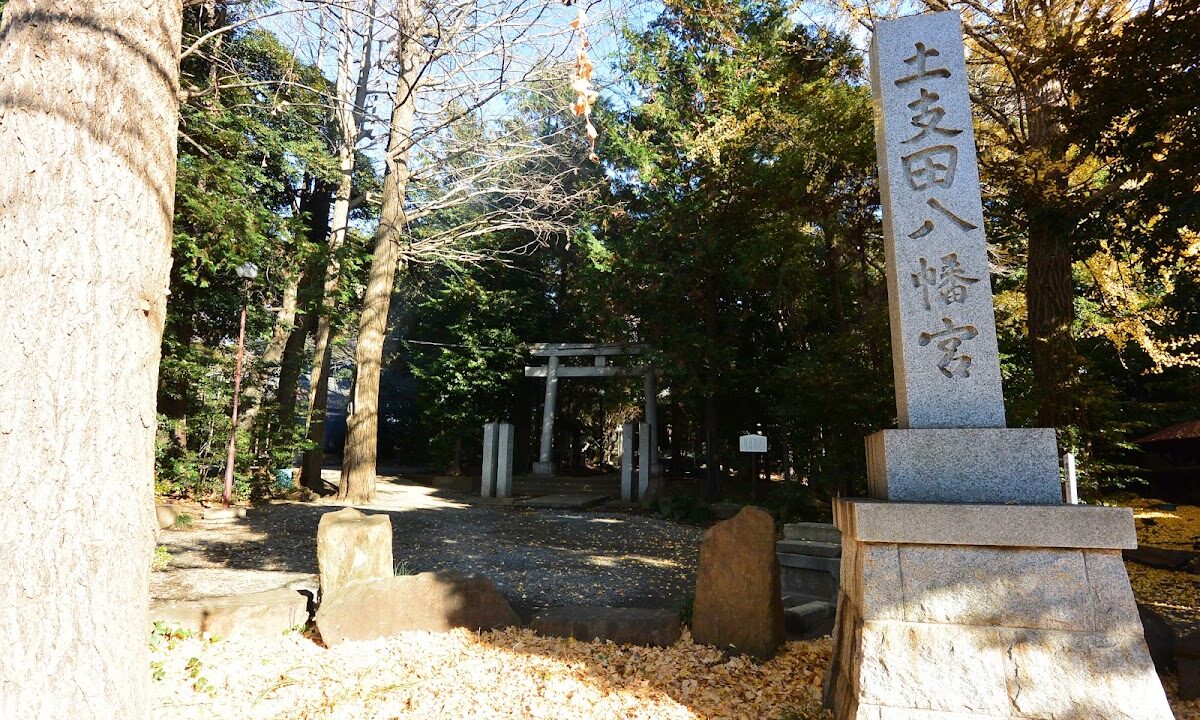
Complete Guide to Dochida Hachimangu Shrine (Nerima Ward, Tokyo) | History, Deities, Access, and Goshuin Information
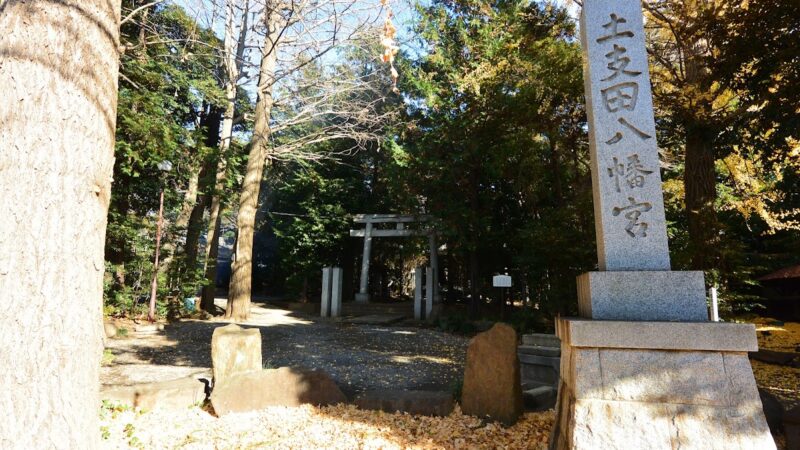
Dochida Hachimangu Shrine, located in Dochida, Nerima Ward, Tokyo, is a historical shrine said to have been founded at the end of the Kamakura period. This guide provides detailed information about the shrine, including its deities, history, points of interest within the grounds, access methods, and annual festivals, highlighting its connection to the legend of the “Iga Pine” associated with Shinozuka Iga-no-kami Tokinari, a retainer of Nitta Yoshisada, and its history of deeply rooted local faith.
Basic Information on Dochida Hachimangu Shrine
Dochida Hachimangu Shrine has long been revered as the guardian shrine of the Dochida area in Nerima Ward.
Location
4-28-1 Tsuchida, Nerima-ku, Tokyo 179-0076
Nearest Station
Approximately 26 minutes on foot from Exit A4 of Hikarigaoka Station on the Toei Oedo Line
Taking a bus from Narimasu Station on the Tobu Tojo Line is convenient.
Visiting Hours
The shrine grounds are open 24 hours a day, but the shrine office is only open during the daytime.
Telephone Number
For details, please contact the Nerima Branch of the Tokyo Metropolitan Shrine Association.
About the Deities
Three deities are enshrined at Tsuchida Hachimangu Shrine.
Hondawake-no-Mikoto
Homudawake-no-Mikoto, the principal deity, is the divine name of Emperor Ojin, the 15th emperor. He is revered nationwide as Hachiman-sama and is known as the god of military fortune and victory. He is also worshipped as the god of industry and education, and is believed to possess a wide range of divine virtues.
Amaterasu Omikami
Amaterasu Omikami, the supreme deity of Japan and revered as the ancestral deity of the Imperial Family, is also enshrined here. She is the personification of the sun and bestows blessings of national peace, abundant harvests, and good fortune.
Sugawara no Michizane
Sugawara no Michizane, widely known as the god of learning, is also one of the enshrined deities. He is believed to grant blessings for academic success, passing exams, and improvement in literary arts, making the shrine popular with students and those preparing for exams.
Through these three deities, the shrine is cherished by the local community as a place where one can receive diverse blessings, including military success, academic achievement, and good fortune.
History and Origins of Dochida Hachimangu Shrine
Origin of Founding
According to oral tradition, Dochida Hachimangu Shrine was founded at the end of the Kamakura period. According to one theory, it was founded in 1192 (Kenkyu 3), making it an ancient shrine with a history of over 800 years. It is believed that the Hachiman faith spread to this region around the time of the establishment of the Kamakura Shogunate, and the shrine was founded as the guardian deity of the area.
The Legend of Nitta Yoshisada and Shinozuka Iga-no-kami Tokinari
At Tsuchida Hachimangu Shrine, there is an interesting legend concerning Nitta Yoshisada, who made significant contributions during the Kenmu Restoration (1333-1336).
It is said that Shinozuka Iga-no-kami Tokinari, a retainer of Nitta Yoshisada who achieved great merit during the Kenmu Restoration, planted a pine tree on the shrine grounds to pray for victory. This pine tree was called “Iga no Matsu” (Iga Pine) and was a beloved symbol of the shrine for a long time.
Although this Iga Pine has now withered, its stump is preserved on the shrine grounds, retaining a trace of its former glory. This tree stump is a valuable historical artifact of Dochida Hachimangu Shrine, conveying the history of the Kamakura and Nanboku-cho periods to visitors.
Changes Since the Meiji Era
During the Meiji era, due to the shrine consolidation policy, three shrines, including the surrounding Hachiman shrine, were merged. Records indicate that during this period, it was temporarily called “Kitano Shrine.” This suggests a period when the Kitano Tenjin faith, dedicated to Sugawara no Michizane, was emphasized.
However, after World War II, respecting the local history and traditions, the shrine was renamed to its current name, “Dochida Hachimangu Shrine.” This renaming marked a return to the original form of worship centered on the main deity, Hachiman.
Highlights of the Shrine Grounds
The Stump of the Iga Pine
The most historically valuable highlight on the shrine grounds is the stump of the “Iga Pine,” said to have been planted by Shinozuka Iga-no-kami Tokinari. This pine tree, which watched over the shrine grounds for hundreds of years since the Nanboku-cho period, has now withered, but its stump is carefully preserved.
As a valuable historical site where one can feel the spirit of the warlords of the Sengoku period, it attracts the attention of history enthusiasts and worshippers alike. Standing before the stump, one can almost picture the scene of Nitta Yoshisada’s retainers praying for victory here during the turbulent Kenmu Restoration.
Main Hall and Worship Hall
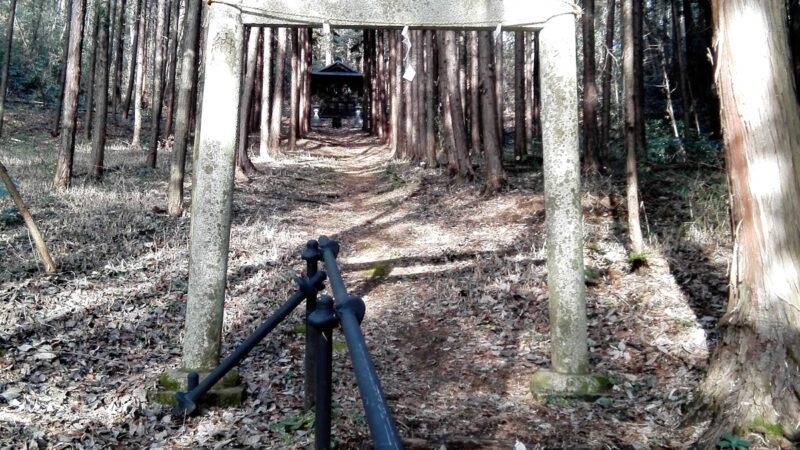
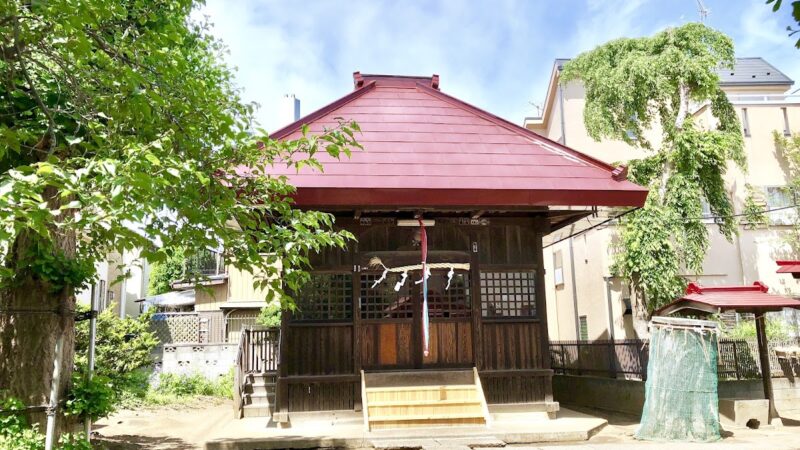
The shrine buildings of Dochida Hachimangu Shrine exhibit a tranquil atmosphere befitting a local shrine. The main hall and worship hall are built in the traditional shrine architectural style, allowing for a peaceful and serene atmosphere during worship.
The shrine grounds are well-maintained and enveloped in refreshing air. It is a quiet environment away from the hustle and bustle of the city, providing a space for peaceful worship.
Trees and Nature on the Shrine Grounds
Despite being located in a residential area of Nerima Ward, the shrine grounds retain abundant greenery. You can experience the changing seasons, and the scenery is especially beautiful in the spring with its fresh greenery and in the autumn with its vibrant foliage.
It’s also a popular gathering place for locals, and you can often see locals stopping by during their walks.
Annual Festival and Events
Annual Festival (October 3rd)
The annual festival of Tochida Hachimangu Shrine is held every year on October 3rd. This is the most important festival for the shrine, a Shinto ritual to express gratitude to the gods for the past year and to pray for peace and prosperity in the community.
On the day of the festival, a solemn Shinto ritual is performed, and local parishioners and devotees gather, creating a lively atmosphere.
Summer Evening Dance (End of July)
As a summer tradition, the Summer Evening Dance is held at the end of July. This event is an important community event, and many local residents participate.
With Bon Odori (traditional Japanese dance) and festival stalls, it has become a well-established summer festival that can be enjoyed by people of all ages. As lanterns light up the shrine grounds and the sound of drums resonates, it becomes an important opportunity to deepen community bonds.
Other Annual Events
Like most shrines, annual events such as New Year’s visits, Setsubun festivals, and Shichi-Go-San (children’s festival) are held. Especially during the New Year’s visit period, the shrine is bustling with many worshippers praying for good health and safety for their families in the new year.
Access Methods
Access by Train and Bus
If using the Toei Oedo Line:
Approximately 26 minutes on foot from Exit A4 of Hikarigaoka Station.
Due to the distance, taking the bus is recommended.
If using the Tobu Tojo Line:
Take the bus from the South Exit of Narimasu Station.
Take the Seibu Bus “via Dochida 2-chome” route.
Get off at the Dochida Hachiman-mae bus stop and walk for approximately 3 minutes.
Taking the bus is the most convenient access method. The shrine is close to the bus stop and easy to find.
Access by Car
Please aim for 4-28-1 Tsuchida, Nerima-ku. The surrounding area is residential, so using a car navigation system or smartphone map app is recommended.
Regarding parking, it is recommended to check within the shrine grounds upon arrival. There are coin-operated parking lots nearby, but congestion is expected during events such as festivals, so using public transportation is recommended.
About Goshuin (Shrine Seals)
Goshuin are available at Tsuchida Hachimangu Shrine. Goshuin are popular among many visitors as proof of their visit and as a memento of their trip.
To receive a Goshuin, you must visit during the shrine office’s reception hours. It is recommended to confirm by phone in advance or visit during weekday daytime hours. Bring your Goshuincho (seal book) and make your request politely.
The offering fee is the same as for most shrines, but it is best to prepare the exact amount to avoid needing change.
Nearby Attractions
Other Shrines and Temples in Nerima Ward
When visiting Dochida Hachimangu Shrine, we recommend also visiting other shrines and temples in Nerima Ward. Nerima Ward is dotted with historical temples and shrines, each with its own unique history and charm.
Hikarigaoka Park
Near Hikarigaoka Station is the vast Hikarigaoka Park, where you can enjoy nature throughout the seasons. Enjoying a stroll through the park in conjunction with your shrine visit is a great idea.
History of the Dochida Area
The name Dochida is a historical place name that has remained in this area since ancient times. By exploring the surrounding area, you can feel the history of Nerima Ward as a rural area and the changes brought about by urbanization.
Manners and Etiquette for Worship
Basic Worship Etiquette
- Bow Before Passing Through the Torii Gate
Before entering the sacred area, bow before the torii gate.
- Purify yourself at the water basin
Purify your left hand, then your right hand, then your mouth, and finally wash the handle of the ladle.
- Walk along the edge of the path
The center of the path is considered the path of the gods.
- Etiquette in front of the main hall
The basic etiquette is two bows, two claps, and one bow. If there is a bell, ring it before bowing.
Attire for visiting
No special attire is required, but clean and modest clothing is desirable, reflecting the feeling of visiting a deity. Avoid overly revealing clothing, even in summer.
Blessings you can receive at Tochida Hachimangu Shrine
Military fortune and success in competitions
The main deity, Homudawake-no-Mikoto (Hachiman-sama), is known as the god of military fortune. Visitors come to pray for success in sports matches, business competitions, and important life events.
Prayer for Academic Success and Passing Exams
As this shrine enshrines Sugawara no Michizane, it is believed to grant blessings for academic success and passing exams. During exam season, students and their parents can be seen visiting to pray for success.
Good Fortune and Family Safety
Through the divine virtues of Amaterasu Omikami, blessings for good fortune, family safety, and business prosperity can also be expected. As the local guardian shrine, many people visit to pray for peace in their daily lives.
Prayer for Health
Many visitors pray for physical and mental health, especially the elderly, who come to pray for good health and longevity.
The Charm of Dochida Hachimangu Shrine
A Space Where You Can Feel the Weight of History
With a long history dating back to the late Kamakura period, Dochida Hachimangu Shrine is one of the precious ancient shrines in Tokyo. Historical relics, including the stump of an Iga pine tree, convey messages from the past to us who live in the present day.
The legend of Shinozuka Iga-no-kami Tokinari, a retainer of Nitta Yoshisada, offers an opportunity to reflect on the Kenmu Restoration, a turning point in Japanese history.
A Faith Rooted in the Community
Despite the urbanization of Nerima Ward, Tochida Hachimangu Shrine remains cherished as the local guardian deity. Many local residents gather for the annual festival and summer dance, playing a central role in the community.
This connection with the community conveys the original spirit of the shrine, providing visitors with a sense of warmth and peace.
A Quiet Worship Environment
Unlike large-scale tourist shrines, Tochida Hachimangu Shrine offers a quiet and peaceful environment for worship. It is an ideal shrine for those who want to avoid crowds and worship at their own pace, or who wish to quietly experience history.
Points to Note When Visiting
Shrine Office Hours
If you wish to receive a Goshuin (shrine stamp) or prayer, it is recommended to check the shrine office hours in advance. Hours may differ between weekdays and holidays.
Crowds During Festivals and Events
The annual festival on October 3rd and the summer dance at the end of July attract more visitors than usual. If you wish to visit at a more leisurely pace, it is recommended to visit on a regular day.
Photography Etiquette
Photography is generally permitted within the shrine grounds, but please refrain from taking pictures inside the main hall or during religious ceremonies. Also, please be considerate of other visitors.
Recommended Time to Visit Dochida Hachimangu Shrine
Spring (March-May)
Spring, with its beautiful fresh greenery and pleasant weather, is the perfect season for visiting. You can also enjoy the cherry blossoms in the surrounding area during cherry blossom season.
Autumn (September-November)
The annual festival on October 3rd is held during this time, making the shrine the most vibrant. Visiting in the refreshing autumn weather is a particularly special experience.
New Year’s Visit (January 1st-3rd)
The New Year’s visit, where people pray for happiness in the new year, is an important event at Dochida Hachimangu Shrine. You can experience the atmosphere of welcoming the new year together with the local community.
Summary
Dochida Hachimangu Shrine is a historical shrine located in Dochida, Nerima Ward, Tokyo, founded at the end of the Kamakura period. It enshrines three deities: Homudawake-no-Mikoto, Amaterasu-Omikami, and Sugawara no Michizane, bestowing various divine blessings such as military success, academic achievement, and good fortune.
The stump of the “Iga Pine,” said to have been planted by Shinozuka Iga-no-Kami Tokinari, a retainer of Nitta Yoshisada, to pray for victory in battle, is a valuable historical artifact that conveys the era of the Kenmu Restoration. This legend shows that Dochida Hachimangu Shrine is not merely a local shrine, but a place deeply connected to Japanese history.
The shrine boasts excellent accessibility, being just a 3-minute walk from the “Doshida Hachiman-mae” bus stop, accessible by bus from Narimasu Station on the Tobu Tojo Line. Located in a quiet residential area, Doshida Hachiman-gu Shrine, steeped in rich history and local faith, is a must-visit when exploring Nerima Ward.
We recommend a visit to Doshida Hachiman-gu Shrine for history enthusiasts, students preparing for exams, those facing important competitions, and anyone seeking daily peace and tranquility. Escape the hustle and bustle of the city, find peace in the serene grounds, feel the weight of history, and pray for divine protection.