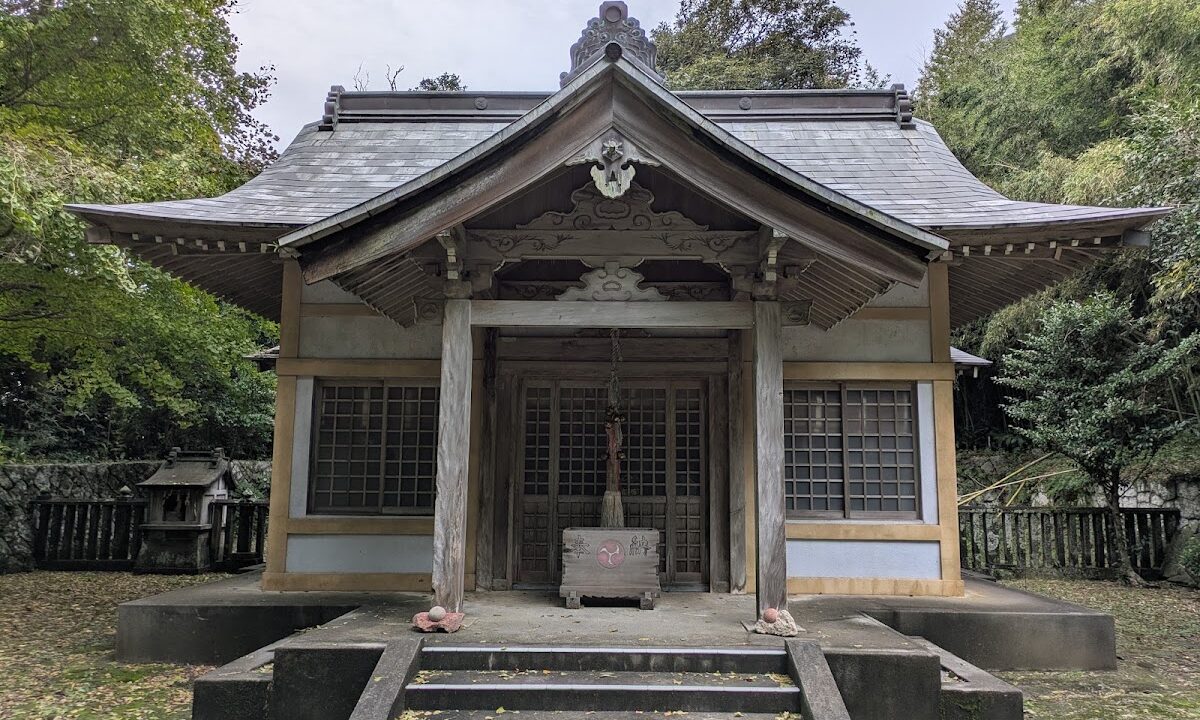
Miyatsukuri Shrine (Niijima Village, Tokyo) Complete Guide | History, Deities, Access, and Visiting Information
Miyatsukuri Shrine, located in the Wakago district of Niijima Village, Tokyo, is a historic shrine founded in 1712 during the mid-Edo period. Situated on the remote island of Niijima in the Izu Islands, it has been revered by the islanders as their local guardian deity for over 300 years. This article provides detailed information useful for visitors, including the history of Miyatsukuri Shrine, its enshrined deities, highlights within the grounds, and access methods.
Basic Information about Miyatsukuri Shrine
Shrine Name: Miyatsukuri Shrine
Deity Enshrined: Miyatsukuri Daimyojin
Founded: Shotoku 2 (1712)
Location: 1-1 Wakago, Niijima Village, Tokyo 100-0401
Former Shrine Rank: Unranked Shrine
Miyatsukuri Shrine is a unique shrine located on Niijima Island in the Izu Islands, approximately 160km from the mainland, despite belonging to Tokyo. It sits in the center of the Wakago district of the island and serves as a spiritual center for the local residents.
History and Origins of Miyatsukuri Shrine
Circumstances of Founding
The history of Miyatsukuri Shrine is deeply intertwined with the history of the formation of the Niijima Village settlement. In Hoei 3 (1706), the Wakago district separated from the main village. Following the division of the village, the need arose to enshrine the local guardian deity. Therefore, in 1712 (Shōtoku 2), the shrine was relocated from Jūsan Shrine to this site, marking the beginning of Miyazukuri Shrine.
About the Deity
The deity enshrined at Miyazukuri Shrine is Miyazukuri Daimyōjin. This deity is believed to possess divine attributes related to shrine architecture and construction, and has been revered as a watchful presence overseeing the development and prosperity of the region. The name “Miyazukuri” literally derives from “building a shrine,” symbolizing the sacred power involved in the construction and maintenance of the shrine itself.
Changes Since the Edo Period
Founded in the mid-Edo period, Miyazukuri Shrine, located on the remote island of Niijima, has been closely intertwined with the lives of the islanders. For the islanders engaged in fishing and agriculture, the shrine was a place to pray for bountiful catches and harvests, and was also worshipped as a protector of the island from typhoons and natural disasters.
Even after the Meiji era, amidst the wave of modernization, shrines have continued to play a central role in local communities. Even today, Shinto rituals such as the annual festival are held, serving as an important venue for strengthening the bonds among islanders.
Highlights of the Shrine Grounds
Atmosphere of the Shrine and Grounds
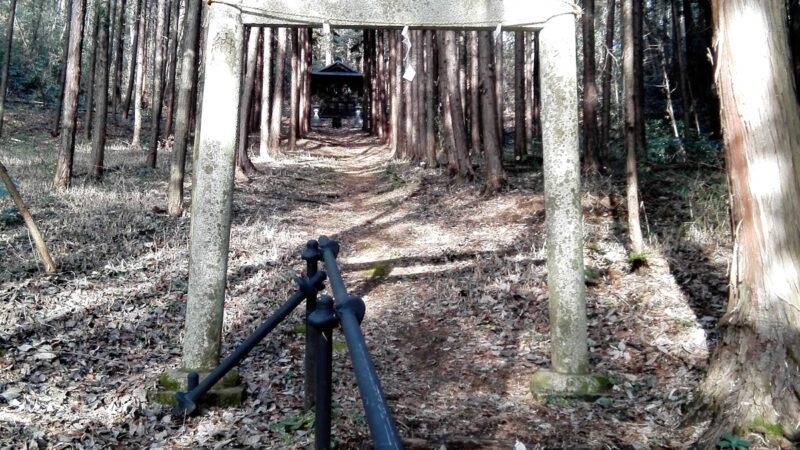
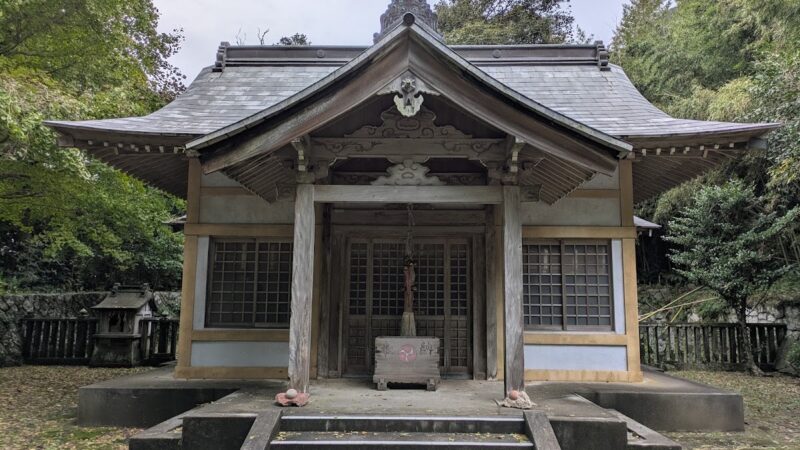
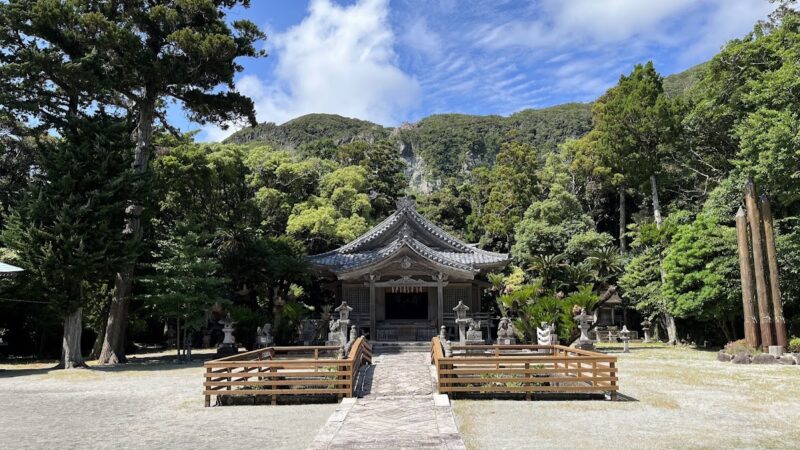
The grounds of Miyazukuri Shrine are enveloped in a tranquil atmosphere unique to remote islands. The environment, where one can worship while feeling the sea breeze, offers a unique charm different from shrines in urban areas. The shrine buildings maintain traditional shrine architectural styles while being adapted to the island’s climate and environment.
Worship at the Worship Hall
At the worship hall, worship is performed using the same etiquette as at a typical shrine: two bows, two claps, and one bow. Because of its special location on a remote island, many worshippers pray with gratitude for safe travels and daily peace.
Nature of Niijima Island as Seen from the Shrine Grounds
From the grounds of Miyazukuri Shrine, one can experience the beautiful nature of Niijima Island. The blue sea and sky, and the lush green island scenery offer peace of mind to visitors. Especially on sunny days, you can experience a sacred atmosphere in the clear air unique to the Izu Islands.
Annual Events and the Grand Festival
Grand Festival
Miyazukuri Shrine holds its annual grand festival every year. This festival is one of the most important annual events in the Wakago district, attracting many visitors from both within and outside the island. Traditional rituals, such as the procession of the portable shrine and offering ceremonies, are performed, providing an opportunity to deepen community bonds.
Other Shinto Rituals
Various Shinto rituals are performed throughout the year, including the New Year’s Day festival and the Setsubun festival. In the environment of a remote island, these traditional events play an important role in maintaining the identity of the islanders.
Etiquette and Manners for Worship
Basic Worship Etiquette
Worship at Miyazukuri Shrine follows the same etiquette as at any other shrine.
- Bow before passing through the torii gate.
- Cleanse your hands and mouth at the purification fountain.
- Offer your donation in front of the main hall.
- Worship with two bows, two claps, and one bow.
- Bow again when leaving the shrine grounds.
Considerations unique to a shrine on a remote island
As this shrine is located on the remote island of Niijima, please be mindful of the following points when visiting:
- Keep the shrine grounds clean (always take your trash with you).
- Be considerate of noise, as it is close to the living spaces of local residents.
- When taking photographs, remember to be considerate of other worshippers and local residents.
- Respect the island’s natural environment.
How to access Niijima
Access from Tokyo
Niijima, where Miyazukuri Shrine is located, can be accessed from Tokyo using the following methods.
Access by Ship
Large Passenger Ship (Sarubia Maru)
- Departure Point: Takeshiba Pier, Tokyo
- Travel Time: Approximately 8 hours 30 minutes to 10 hours
- Operation: Operates daily (may vary depending on the season)
- Features: Departs at night and arrives in the early morning, allowing for efficient use of time.
High-Speed Jet Ferry
- Departure Point: Takeshiba Pier, Tokyo
- Travel Time: Approximately 2 hours 20 minutes to 3 hours
- Operation: Operates mainly in summer (may be suspended depending on the season and weather)
- Features: Travel time makes day trips possible.
Access by Airplane
Shin Chuo Air
- Departure Point: Chofu Airport
- Travel Time: Approximately 40 minutes
- Operation: Several flights per day
- Features: The fastest way to arrive, but susceptible to weather conditions due to the small size of the aircraft.
From Niijima Port/Niijima Airport to Miyazukuri Shrine
You can travel from Niijima Port or Niijima Airport to Miyazukuri Shrine using the following methods:
- Walking: Approximately 20-30 minutes to Wakago area
- Rental Bicycle: There are rental bicycle shops on the island, making cycling a convenient way to get around.
- Rental Car: Rental car shops are available at Niijima Airport and around the port.
- Bus: Village buses operate (limited number of services).
Tourist Attractions Around Miyazukuri Shrine
Highlights of Niijima Island
You can enjoy sightseeing on Niijima Island in conjunction with visiting Miyazukuri Shrine.
Habushiura Beach
A beautiful beach with white sand, also known as a surfing mecca. It’s a venue for world-class surfing competitions.
Yunohama Open-Air Hot Spring
A free open-air hot spring located along the coast. Swimsuits are required, and you can enjoy the hot spring while gazing at the Pacific Ocean stretching out before you.
Niijima Glass Art Center
A facility where you can experience making glass art using Koga stone, a specialty of Niijima. You can create your own original glass products.
Mamashita Beach
A perfect spot for snorkeling and diving, with its crystal-clear waters.
Characteristics of Wakago District
Wakago district, where Miyazukuri Shrine is located, is one of Niijima’s settlements, a quiet residential area. It’s a place where you can experience the warm personalities of the local residents and catch a glimpse of daily life on the island.
Suitable Time and Attire for Visiting
Recommended Time to Visit
Spring (March-May)
The weather is mild, and the sea is relatively calm. The rate of ferry cancellations is low, making it a suitable time to visit.
Summer (June-August)
The entire island is bustling with activity due to the tourist season. However, it is also a time when the island is susceptible to typhoons.
Autumn (September-November)
The temperature is moderate, making it a pleasant time to visit. This is also the time of the annual festival, allowing you to experience the island’s traditional culture.
Winter (December-February)
There are fewer tourists, allowing for a peaceful visit. However, the sea is often rough, and ferry cancellations are more frequent.
Clothing for Visiting
Considering the remote island environment, the following clothing is recommended:
- Comfortable walking shoes (convenient for moving around the shrine grounds and island)
- Sun protection (hat, sunscreen, sunglasses)
- Wind protection (windbreaker, etc.)
- Seasonal clothing (cool in summer, warm in winter)
Accommodation and Dining on Niijima Island
Accommodation
Niijima Island offers various types of accommodation, including guesthouses, pensions, and hotels. Many accommodations offer dishes made with fresh seafood. Reservations are especially recommended early during the summer.
Island Food Culture
On Niijima Island, you can enjoy dishes made with Ashitaba (Angelica keiskei) and fresh seafood. Dishes made with local ingredients are one of the great pleasures of island travel. ## Comparison of Miyazukuri Shrine with Other Shrines in Tokyo
Characteristics as a Shrine on an Island
While Tokyo has 1,398 shrines, Miyazukuri Shrine is one of the few located in the Izu Islands. Unlike large-scale shrines in the city center such as Meiji Jingu and Hie Shrine, it is a small, community-oriented shrine deeply intertwined with the lives of the islanders.
Differences from Shrines in the City Center
Accessibility
While shrines in the city center can be easily visited by train or bus, visiting Miyazukuri Shrine requires travel by boat or plane. This “special journey” is a major attraction of Miyazukuri Shrine.
Atmosphere of the Shrine Grounds
While shrines in the city center are located amidst the hustle and bustle of urban life, Miyazukuri Shrine is situated in a tranquil environment surrounded by the sea and nature. Visiting while feeling the sound of the waves and the sea breeze leads to a refreshing experience for both mind and body.
Relationship with the Community
While large-scale shrines in urban areas welcome a large number of visitors, Miyazukuri Shrine functions as the tutelary shrine for a limited community of island residents.
Guidelines for Visiting Miyazukuri Shrine
The Significance of Visiting Island Shrines
Visiting Miyazukuri Shrine is not merely sightseeing; it is a valuable opportunity to learn about the culture and forms of faith of Japanese islands. You can experience a shrine deeply rooted in the community, something you cannot experience in urban areas.
Respect for the Community
Wakago district is a small community. When visiting as a worshipper, please be mindful of respecting the lives of the local residents and worshipping quietly.
Consideration for the Natural Environment
The beautiful natural environment of Niijima is a treasure that both island residents and visitors should protect. Please remember to take your trash with you and be considerate of nature conservation.
About Goshuin (Shrine Seals)
It is recommended to check in advance regarding the issuance of Goshuin at Miyazukuri Shrine. Due to its remote island location, constant support may be difficult. Therefore, it’s advisable to contact the Niijima Village Office or the Tourism Association when planning a visit.
The Future and Preservation of Miyazukuri Shrine
Depopulation and Shrine Maintenance
Niijima, like many remote islands, faces the problem of depopulation. The exodus of younger generations from the island has created challenges in maintaining the shrine and passing on traditional events.
Balancing Tourism and Faith
In recent years, with the growing interest in island tourism, Miyazukuri Shrine has also acquired aspects of a tourist resource. However, above all, it is important to respect its role as a place of worship for the community while appropriately welcoming visitors.
Summary
Miyazukuri Shrine, while belonging to Tokyo, is situated in the unique environment of a remote island, a shrine with a rich history and tradition. Since its founding in 1712, it has been the tutelary deity of the Wakago district for over 300 years, attracting the faith of the islanders.
Unlike large shrines in the city center, this small, community-oriented shrine offers a tranquil atmosphere and a unique natural environment surrounded by the sea, providing visitors with a special experience.
A trip to Niijima requires travel by boat or plane, but the journey itself will be a special time away from everyday life. Visiting Miyazukuri Shrine allows you to experience the culture of Japanese islands and forms of faith rooted in the local community.
For those considering visiting shrines in Tokyo, those interested in island culture, and above all, those seeking a peaceful environment for worship, Miyazukuri Shrine is well worth a visit. The experience of visiting the shrine amidst Niijima’s beautiful nature and the warm hospitality of its inhabitants, while enjoying the relaxed pace of island life, will surely become a cherished memory.