Complete Guide to Shintoku Inari Shrine (Chiyoda Ward, Tokyo) | History, Deities, Access, and Visiting Information
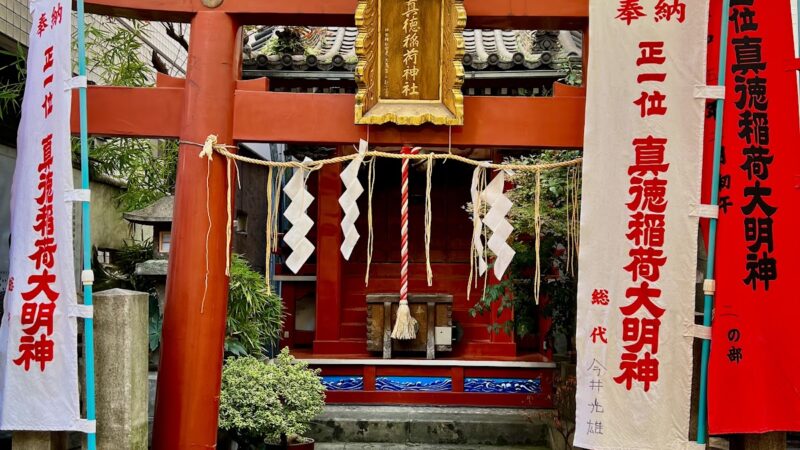
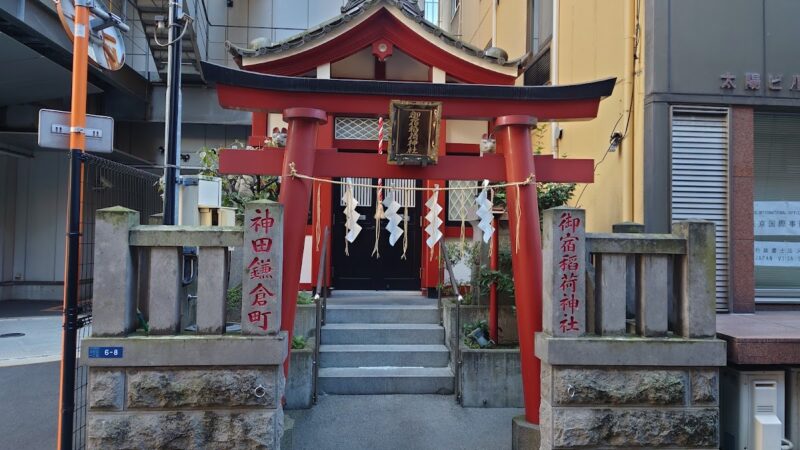
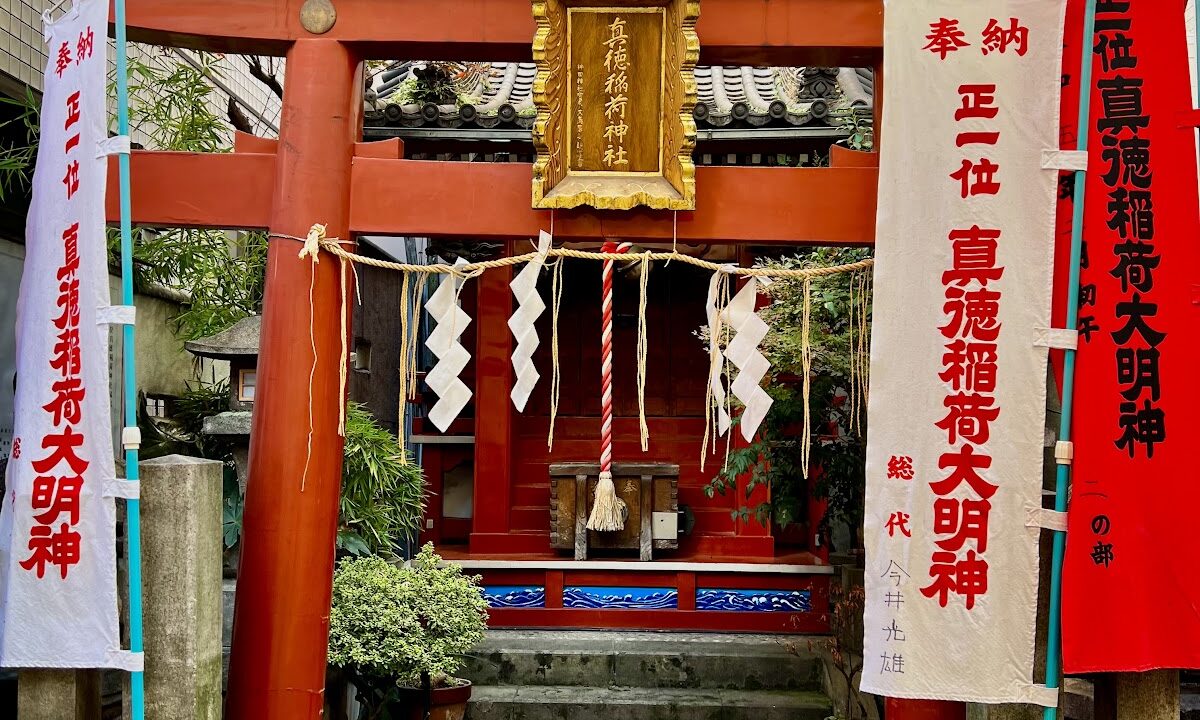
Shintoku Inari Shrine is an Inari shrine located in Kanda Tsukasa-cho, Chiyoda Ward, Tokyo. Situated in the Kanda area, which flourished as a commercial district in Edo, it is known as a historical shrine cherished by the local people. This article provides a detailed introduction to Shintoku Inari Shrine, including its history, enshrined deities, how to visit, and access information.
Basic Information on Shintoku Inari Shrine
Shintoku Inari Shrine is a shrine registered with the Tokyo Metropolitan Shrine Association, and its principal shrine is Kanda Shrine (Kanda Myojin).
Location and Map
- Address: 2-4-5 Kanda Tsukasa-cho, Chiyoda-ku, Tokyo 101-0048
- Phone: 03-3254-0753 (Kanda Shrine)
- Nearest Station: JR Kanda Station, Tokyo Metro Ginza Line Kanda Station, Toei Shinjuku Line Ogawamachi Station
Kanda Tsukasa-cho was once the residence of Yoriki and Doshin of the town magistrate’s office during the Edo period, and even today it retains the atmosphere of an old town. Shintoku Inari Shrine stands quietly in this area with its historical background.
Deity Enshrined
The deity enshrined at Shintoku Inari Shrine is Ukanomitama-no-kami.
Ukanomitama-no-kami is a god of grain and food appearing in Japanese mythology, and is widely worshipped throughout Japan as the principal deity of Inari shrines. “Uka” means grain and food, and the deity has been revered as a god of abundant harvests, business prosperity, and industrial development.
Inari worship spread not only to agriculture but also to urban areas along with the development of commerce and industry, and was particularly devout among merchants and artisans during the Edo period. It is believed that Shintoku Inari Shrine, located in the commercial area of Kanda, played an important role as a place to pray for the prosperity of the region.
Annual Festival Date
The annual festival date for Shintoku Inari Shrine is May 15th.
The annual festival is the most important festival at the shrine, and once a year, a Shinto ritual is performed to express gratitude to the enshrined deity. May is a season of beautiful new greenery and coincides with the rice planting season, so the festival also carries the meaning of praying for a bountiful harvest.
History of Shintoku Inari Shrine
Origin of Founding
While the exact founding date of Shintoku Inari Shrine is unclear due to limited existing records, it is believed to have been located in Kanda Tsukasa-cho since the Edo period.
The name Kanda Tsukasa-cho originates from the fact that during the Edo period, it was the site of the residences of the Yoriki and Doshin (officials of the town magistrate’s office). “Tsukasa” refers to officials of the magistrate’s office, and samurai involved in maintaining public order for the shogunate resided in this area. It is believed that Shintoku Inari Shrine developed as the guardian shrine of this samurai district and as a center of faith for the local residents.
From Edo to the Present
During the Edo period, the Kanda area flourished as a town of commerce and artisans. Many wholesalers and shops lined the Kanda River, creating a vibrant area. Inari worship was revered by merchants as a god of business prosperity, and numerous Inari shrines of various sizes were enshrined throughout the town.
Even as Tokyo modernized after the Meiji Restoration, Shintoku Inari Shrine was protected by the local people. Despite suffering disasters such as the Great Kanto Earthquake (1923) and the Tokyo air raids (1945), the shrine was rebuilt, and faith continues to this day.
Currently, it is managed as a subsidiary shrine of Kanda Shrine and quietly attracts worshippers as the local guardian deity.
Relationship with Kanda Shrine (Kanda Myojin)
Shintoku Inari Shrine considers Kanda Shrine as its primary shrine. Kanda Shrine, officially known as Kanda Myojin, is one of the largest shrines in Tokyo.
What is a Primary Shrine?
A primary shrine is the central shrine when multiple shrines are managed. Smaller shrines like Shintoku Inari Shrine often find it difficult to have a resident priest, so it is common for a larger, nearby shrine to manage them.
Kanda Shrine is a shrine that has been widely revered since the Edo period as the guardian shrine of Edo (present-day Tokyo), and even today it manages many other shrines, mainly in Chiyoda Ward. Shintoku Inari Shrine is one of them, and priests from Kanda Shrine serve at festivals and religious ceremonies.
Access to Kanda Shrine
After visiting Shintoku Inari Shrine, it is also recommended to visit Kanda Shrine, the main shrine under the jurisdiction of Shintoku Inari Shrine.
- Kanda Shrine Location: 2-16-2 Sotokanda, Chiyoda-ku, Tokyo
- Access: 5-minute walk from JR Ochanomizu Station, Tokyo Metro Ginza Line Suehirocho Station, and Chiyoda Line Shin-Ochanomizu Station
Kanda Shrine is known for its blessings of business prosperity, matchmaking, and protection from evil, and attracts many worshippers during the New Year’s visit. There is also a museum on the grounds where you can learn about Edo culture and the history of the Kanda Festival.
How to Visit Shintoku Inari Shrine
Etiquette for Visiting a Shrine
There are basic etiquette rules for visiting a shrine. Please follow these steps:
- Bow before passing through the torii gate: Before entering the sacred area, bow slightly.
- Purify yourself at the water basin: If there is a water basin, purify your left hand, then your right hand, then your mouth.
- Proceed to the front of the main hall: The center of the path is considered the path of the gods, so walk along the edge.
- Offer your donation: Quietly place your donation in the offering box.
- Two bows, two claps, one bow: Bow deeply twice, clap twice, and finally bow deeply once.
- Bow when leaving the torii gate: When leaving the sacred area, turn around and bow once.
Visiting Hours
While Shintoku Inari Shrine is generally open for worship throughout the day, the shrine’s opening hours may be limited. For those wishing to receive a Goshuin (shrine stamp) or prayers, it is recommended to inquire at Kanda Shrine, the main shrine of the deity.
Benefits of Inari Shrines
Inari shrines are believed to offer the following benefits:
Abundant Harvests and Business Prosperity
Ukanomitama-no-kami is the god of grain, and the worship originated from prayers for bountiful harvests. Since the Edo period, it has also become widely worshipped as a god of business prosperity, and the custom of merchants and business owners visiting the shrine has become established.
Industrial Development and Business Success
In modern times, it is also worshipped as a god for the development of all industries. Many worshippers pray for the success of new businesses, the prosperity of their companies, and workplace safety.
Family Safety and Good Fortune
Inari is worshipped as a god who protects all aspects of life, and is believed to bring peace and good fortune to the home.
Nearby Spots and Tourist Information
There are many historical spots and tourist attractions around Shintoku Inari Shrine.
Kanda Shrine (Kanda Myojin)
As mentioned above, it is the principal shrine of Shintoku Inari Shrine and is famous as the guardian shrine of Edo. The Kanda Festival is one of Japan’s three major festivals and is held grandly every other year.
Yushima Seido
Yushima Seido, within walking distance, is a Confucian school established by the Edo Shogunate. Currently, it is open to the public as a mausoleum dedicated to Confucius, where you can feel history in a tranquil atmosphere.
Akihabara Electric Town
Akihabara, within walking distance of Kanda Station, is a world-famous electric town and a mecca of subculture. A wide variety of shops line the streets, from the latest electronic devices to anime merchandise.
Kanda Used Bookstore District
Kanda Jimbocho is known as Japan’s largest used bookstore district. With shops selling used books of all genres, from specialized texts to rare books, it’s an irresistible area for book lovers.
Tokyo Station/Imperial Palace
The Kanda area is conveniently located near Tokyo Station and the Imperial Palace, making it an ideal base for sightseeing in Tokyo.
Access Methods
Access by Train
Shintoku Inari Shrine is accessible from multiple train lines.
- JR Chuo Line, Yamanote Line, Keihin-Tohoku Line “Kanda Station”: Approximately 5 minutes on foot from the West Exit
- Tokyo Metro Ginza Line “Kanda Station”: Approximately 5 minutes on foot from Exit 5
- Toei Shinjuku Line “Ogawamachi Station”: Approximately 7 minutes on foot from Exit B3
- Tokyo Metro Chiyoda Line “Shin-Ochanomizu Station”: Approximately 8 minutes on foot from Exit B3
If using Kanda Station, exit from the West Exit and head towards Kanda-Tsukasa-cho. You will find the shrine quietly nestled in the middle of the office district.
Access by Car
It’s about 5 minutes from the “Kandabashi Exit” of the Metropolitan Expressway Inner Circular Route. However, there is no dedicated parking lot for the shrine, so you will need to use a nearby coin parking lot. The Kanda area has heavy traffic and parking lots tend to be crowded, so we recommend using public transportation.
Other Inari Shrines in Tokyo
Besides Shintoku Inari Shrine, there are many other Inari shrines located in Tokyo.
Meitoku Inari Shrine (Chuo Ward)
Meitoku Inari Shrine, located in Nihonbashi Kayabacho, Chuo Ward, is said to have been founded during the Genroku era. It was adjacent to the grounds of the Hie Shrine Nihonbashi subsidiary shrine and was relocated to its current location after urban redevelopment following the Great Kanto Earthquake.
Gentoku Inari Shrine (Sumida Ward)
Gentoku Inari Shrine, located in Tachikawa, Sumida Ward, is a historical shrine founded during the Keicho era (1596-1615). Its main deity is Uga-no-Mitama-no-Kami.
Kotoku Inari Shrine (Chiyoda Ward)
Kotoku Inari Shrine, located in Kanda Ogawacho, Chiyoda Ward, is also a beloved Inari shrine among the local community.
Visiting these Inari shrines is one way to enjoy visiting shrines in Tokyo.
Points to Note When Visiting Shintoku Inari Shrine
A Quiet Environment for Worship
Unlike large, bustling tourist shrines, Shintoku Inari Shrine is a quiet, community-based shrine. Its charm lies in the peaceful atmosphere, away from the hustle and bustle.
Combine Your Visit with a Stroll Through the Kanda Area
The Kanda area boasts numerous attractions, including historical temples and shrines, a district of used bookstores, and gourmet spots. We recommend using your visit to Shintoku Inari Shrine as a starting point for exploring Kanda.
Regarding Goshuin (Shrine Seals)
If you wish to obtain a Goshuin from Shintoku Inari Shrine, it may be handled by Kanda Shrine, the shrine’s principal shrine. We recommend contacting Kanda Shrine in advance.
About the Tokyo Metropolitan Shrine Association
Shintoku Inari Shrine is registered with the Tokyo Metropolitan Shrine Association. The Tokyo Metropolitan Shrine Association is a religious corporation that encompasses shrines within Tokyo, responsible for the management and operation of shrines, the training of Shinto priests, and the continuation of religious rites.
The Tokyo Metropolitan Shrine Association’s website allows you to search for information on shrines in each ward of Tokyo, enabling you to find your local guardian shrine and learn proper etiquette for visiting shrines.
Summary
Shintoku Inari Shrine is a historic Inari shrine located in Kanda Tsukasa-cho, Chiyoda-ku, Tokyo. Its enshrined deity, Ukanomitama-no-kami, is widely worshipped as the god of abundant harvests and business prosperity, and has been cherished by the local community.
Located in Kanda, an area that retains a strong sense of Edo history, it offers a peaceful environment for worship. Its main shrine is Kanda Shrine, and its annual festival is held on May 15th.
Conveniently located within walking distance of Kanda Station, the surrounding area boasts numerous attractions such as Kanda Shrine, Yushima Seido, and the Kanda Used Bookstore District. When sightseeing in Tokyo or exploring Kanda, be sure to visit Shintoku Inari Shrine.
Although it is a small shrine quietly standing amidst the hustle and bustle of the city, you can feel the history of faith that has continued since the Edo period and the presence of the gods who have protected the region for generations.