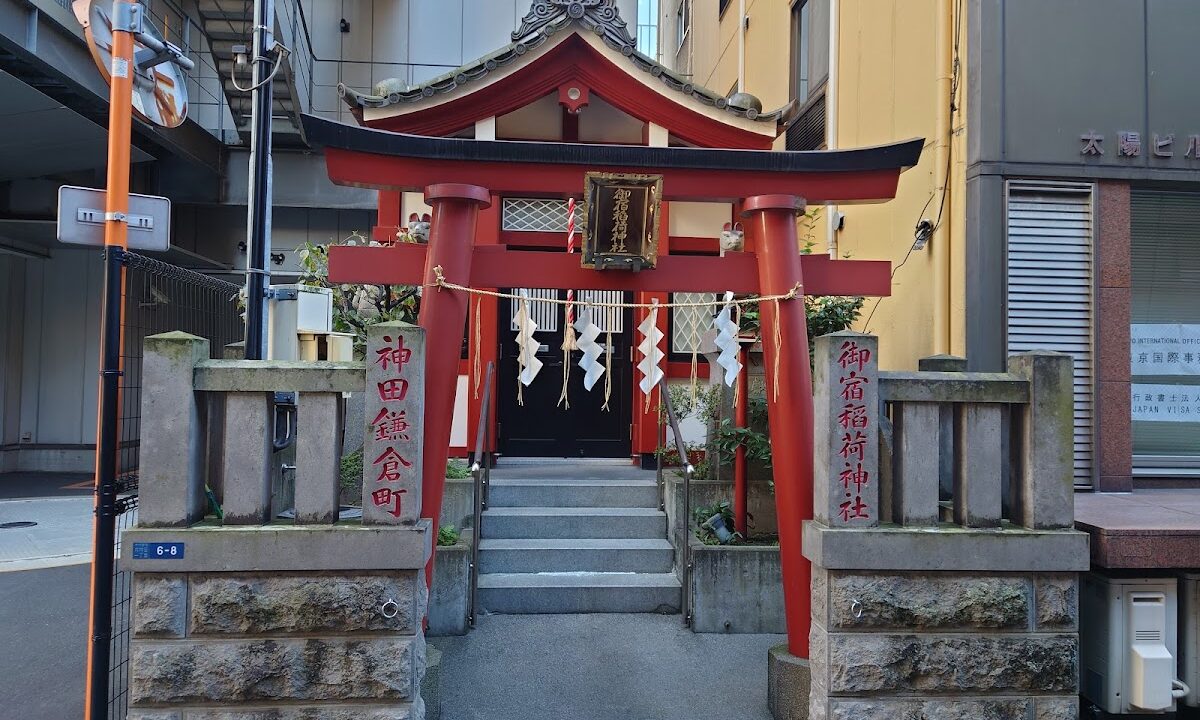
Complete Guide to Onjuku Inari Shrine (Chiyoda Ward, Tokyo) | History and Visiting Information Related to Tokugawa Ieyasu
Onjuku Inari Shrine, located in Uchikanda, Chiyoda Ward, Tokyo, is a historically significant shrine known as the first place Tokugawa Ieyasu stayed when he was transferred to the Kanto region. Situated northeast of Edo Castle, this shrine, quietly nestled amidst the business district, offers a precious space to find peace amidst the hustle and bustle of the city.
History and Origins of Onjuku Inari Shrine
Deep Connection Between Tokugawa Ieyasu and Onjuku Inari Shrine
The founding of Onjuku Inari Shrine dates back to 1590 (Tensho 18). When Tokugawa Ieyasu moved his territory to the Kanto region by order of Toyotomi Hideyoshi, he first stayed at the residence of a local samurai in Kanda Village. A small shrine dedicated to Ukanomitama-no-kami already existed in the garden of this residence. When Ieyasu entered the Kanto region, his stay in Kanda Village held historical significance. Later, after the establishment of the Edo Shogunate, the shogunate donated land to the shrine as a commemoration of Ieyasu’s first stop, and it was given the name “Onjuku Inari Shrine.” The name “Onjuku” (御宿) literally derives from the fact that Ieyasu stayed there.
From the Edo Period to the Present
Throughout the Edo period, Onjuku Inari Shrine was revered by the local people as the tutelary shrine of the Kanda area. Even after the Meiji Restoration, while many shrines were consolidated or abolished amidst the wave of modernization, this shrine was protected as a place associated with Tokugawa Ieyasu and has been preserved to this day.
Although the current shrine building was rebuilt after the Great Kanto Earthquake and the destruction of World War II, its historical value and origins remain unchanged.
Deity and Blessings
Deity: Ukanomitama-no-kami
The deity enshrined at Onjuku Inari Shrine is Ukanomitama-no-kami. This deity is a representative figure of Inari, widely worshipped as the god of abundant harvests, business prosperity, and industrial development.
While Inari worship is widespread throughout Japan, Onjuku Inari Shrine is known as a special Inari shrine due to its connection with the historical figure Tokugawa Ieyasu.
Expected Benefits
- Business Prosperity: Located in a business district, many business people pray here for success.
- Abundant Harvest: The original blessing of Inari.
- Family Safety: Health and safety for family members.
- Good Fortune: Bringing good luck in all aspects of life.
- Career Advancement: Many visitors pray for career advancement, inspired by Tokugawa Ieyasu.
Highlights of the Shrine Grounds
Compact Yet Charming Grounds
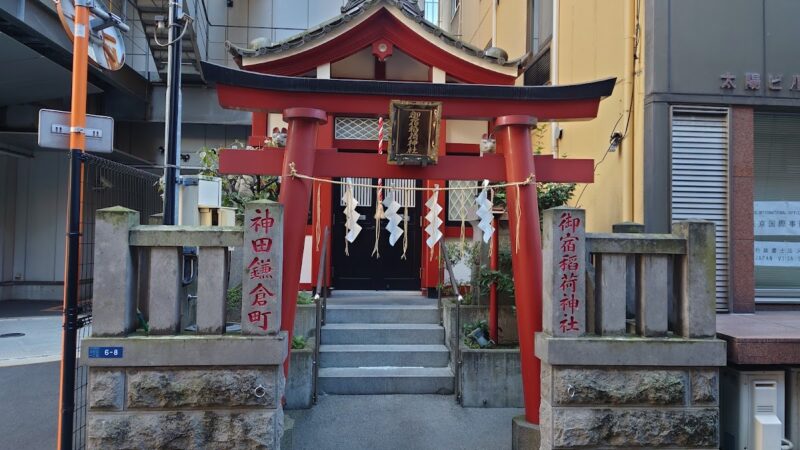
The grounds of Onjuku Inari Shrine are a small space surrounded by the city’s skyscrapers, but this allows for a concentrated, sacred atmosphere. Passing through the red torii gate, a well-maintained path leads to the shrine building.
Shrine Building and Fox Statues
The shrine building has a modern design, but retains elements of traditional shrine architecture. In front of the shrine, fox statues, symbols of Inari shrines, are positioned on either side, welcoming visitors.
Stone Monuments and Information Boards
Within the shrine grounds, there are stone monuments and information boards detailing the history of Onjuku Inari Shrine, allowing you to learn more about its historical connection to Tokugawa Ieyasu. History buffs should definitely check out these signs.
Access and Directions
Access by Train
Onjuku Inari Shrine is within walking distance of several train stations, making it very convenient to access.
From Tokyo Metro Otemachi Station
- Approximately 5 minutes on foot from Exit A4
- Approximately 3 minutes on foot from Exit A2 (nearest exit)
From JR Kanda Station
- Approximately 7 minutes on foot from the West Exit
- Approximately 8 minutes on foot from the South Exit
From Tokyo Metro Awajicho Station
- Approximately 6 minutes on foot from Exit A1
From Toei Subway Ogawamachi Station
- Approximately 6 minutes on foot from Exit A1
Address and Nearby Landmarks
Address: 1-6-8 Uchikanda, Chiyoda-ku, Tokyo
Located in the office district of Kanda Nishikicho and Otemachi, surrounded by many business buildings. It is a quiet environment in an area where residential and office buildings coexist in Uchikanda.
Parking
There is no dedicated parking lot for the shrine. If you are coming by car, please use the nearby coin parking lots. However, parking fees are relatively high due to its central location. We recommend using public transportation.
Goshuin (Shrine Seal) Information
Regarding the Issuance of Goshuin
Goshuin are available at Onjuku Inari Shrine. However, since there is no permanently staffed shrine office, prior confirmation is necessary if you wish to receive a goshuin.
Generally, smaller shrines may have pre-printed goshuin available or may only offer them on specific dates and times. If you want to be sure to receive a goshuin, it is recommended to inquire before visiting.
Characteristics of the Goshuin
The goshuin at Onjuku Inari Shrine includes the shrine’s name and the name of the enshrined deity. As a shrine associated with Tokugawa Ieyasu, it is popular among history enthusiasts and goshuin collectors.
Manners and Points for Visiting a Shrine
Basic Worship Etiquette
- Bow Before the Torii Gate: Before entering the shrine grounds, bow before the torii gate.
- Purify at the Water Basin: Purify your hands and mouth (omit this step if there is no water basin).
- Walking Along the Path: The center of the path is considered the path of the gods, so walk along the sides.
- Etiquette at the Main Hall: The basic procedure is two bows, two claps, and one bow.
- Bow deeply twice.
- Clap twice.
- Pray with sincerity.
- Finally, bow deeply once.
Best Time to Visit
Onjuku Inari Shrine is open 24 hours a day, but visiting during daylight hours is recommended. Especially in the morning, there are fewer people, allowing for a peaceful visit.
Due to its location in a business district, people working nearby may visit during weekday lunch breaks. Weekends are relatively quiet for worship.
Nearby Tourist Attractions
Nearby Shrines and Temples
Kanda Myojin (Kanda Shrine)
- Approximately 15 minutes on foot
- A large shrine famous as the guardian shrine of Edo
- Popular for its Goshuin (shrine stamp)
Myozenji Temple
- Within walking distance
- A temple with a quiet precinct
Ota Hime Inari Shrine
- Approximately 10 minutes on foot
- Another Inari shrine associated with the Tokugawa family
Highlights of the Surrounding Area
Otemachi/Marunouchi Area
- A cluster of modern office buildings
- Abundant shopping facilities
Kanda Used Bookstore District
- Approximately 10 minutes on foot
- One of Japan’s largest used bookstore districts
- Lined with historic bookstores
Imperial Palace East Garden
- Approximately 15 minutes on foot
- Visit the remains of Edo Castle
- A nature-rich walking course
Annual Events and Festivals
Because Onjuku Inari Shrine is a small shrine, it does not hold large-scale festivals, but it does perform traditional Inari shrine rituals.
Hatsuumasai Festival
On the first day of the horse in February, the Hatsuumasai Festival is held as a festival day for Inari shrines. It is an important festival to pray for a bountiful harvest and business prosperity.
Annual Festival
At the annual festival, a Shinto ritual is performed to express gratitude to the shrine’s deities.
The Charm of Onjuku Inari Shrine
A Tranquil Space in the City
Despite being located in the heart of Tokyo’s business district, stepping onto the shrine grounds reveals a tranquil space far removed from the hustle and bustle of the city. It is a place to calm the mind amidst busy daily life, and is cherished by locals and business people alike.
Historical Value Associated with Tokugawa Ieyasu
This shrine holds historical significance as it was the first lodging place where Tokugawa Ieyasu, the founder of the Edo Shogunate, stayed upon his arrival in the Kanto region. For history buffs, this is a valuable spot where you can feel the beginnings of Edo.
Accessibility
Its convenient location, just a few minutes’ walk from Otemachi Station, lowers the barrier to visiting. You can easily stop by during a break from work or while sightseeing in Tokyo.
Points to Note When Visiting
About the Shrine Office
Since there is no permanent shrine office, it is recommended to check in advance if you wish to obtain a Goshuin (shrine stamp) or other items. Visiting the shrine itself is free.
About Photography
Photography is generally permitted on the shrine grounds, but please be considerate of other visitors. It is considered good manners to refrain from taking photos inside the shrine buildings.
Consideration for the Neighbors
Due to its location near a residential area, please avoid loud conversations and noise, and visit quietly.
Summary of Basic Information about Onjuku Inari Shrine
Shrine Name: Onjuku Inari Shrine
Location: 1-6-8 Uchikanda, Chiyoda-ku, Tokyo
Deity Enshrined: Ukanomitama-no-kami
Founded: 1590 (Tensho 18)
Access:
- Approximately 3 minutes on foot from Exit A2 of Otemachi Station (Tokyo Metro)
- Approximately 7 minutes on foot from the West Exit of Kanda Station (JR)
Visiting Hours: Open 24 hours
Parking: None (Use nearby coin parking)
Shrine Office: No permanent staff
Goshuin (Shrine Seal): Available (Please check in advance)
Summary: Visiting Onjuku Inari Shrine
Onjuku Inari Shrine is a historic Inari shrine built on the site where Tokugawa Ieyasu first stayed when he was transferred to the Kanto region. Located in the heart of Tokyo’s Chiyoda Ward business district, this shrine offers a rare opportunity to worship in a quiet and peaceful atmosphere.
Its convenient location, just a few minutes’ walk from Otemachi Station, makes it easy to visit during work breaks, and it’s popular with business people praying for business prosperity and career advancement. For history buffs, it’s also a special place to experience the beginning of the Edo period.
Despite its small size, Onjuku Inari Shrine has deep ties to the historical figure Tokugawa Ieyasu. When visiting Tokyo, why not pay a visit? Escape the hustle and bustle of the city and spend some time quietly praying while reflecting on history – it’s sure to be a special experience.