Satake Inari Shrine (Chiyoda Ward, Tokyo) Complete Guide | History, Goshuin (Shrine Seal), and Access Information
Satake Inari Shrine, located in Uchikanda, Chiyoda Ward, Tokyo, is a historic shrine with a history dating back to the Edo period. Despite its convenient location—just a one-minute walk from the west exit of JR Kanda Station—it offers a rare opportunity to worship in a quiet space slightly removed from the hustle and bustle of the city.
This venerable shrine was founded as a protective measure against evil spirits for the Edo residence of the Satake clan of the Akita Domain. Even today, it remains a beloved local shrine, revered as a guardian deity for business prosperity and fire prevention. This article provides detailed information useful for visiting Satake Inari Shrine, including its history, blessings, goshuin (shrine seal), and access methods.
Basic Information about Satake Inari Shrine
Location and Access
Location: 3-10-1 Uchikanda, Chiyoda-ku, Tokyo
Nearest Station:
- 1-minute walk from JR Kanda Station West Exit/South Exit
- 3-minute walk from Tokyo Metro Ginza Line Kanda Station
The shrine is located within the “Kanda Station West Exit Shopping Street,” which stretches from the Tamachi-dori Avenue, just outside the west exit of Kanda Station, to the vicinity of Sotobori-dori Avenue. It is a small shrine quietly nestled in the business district, very close to the station.
Deities and Shrine Rank
Main Deity: Ukanomitama-no-kami
Ukanomitama-no-kami is a deity widely known as Inari-shin, revered as the god of abundant harvests, business prosperity, and industrial development. “Uka” means grain or food, and the deity has been worshipped since ancient times as the god who presides over all food.
Visiting Hours and Shrine Office
Satake Inari Shrine is a small shrine and does not have a resident priest. While the shrine grounds are generally open 24 hours a day, it is recommended to refrain from visiting at night.
History of Satake Inari Shrine
Founding History (Kanei 12, 1635)
Satake Inari Shrine was founded in Kan’ei 12 (1635). It was established by Satake Yoshitaka, the second lord of the Dewa Kubota Domain (present-day Akita Prefecture).
At that time, the Satake clan had their main residence (Edo residence) in Nagatomi-cho, Edo (near present-day Uchikanda), and it is believed that the shrine was originally established to ward off evil spirits from the northeast direction. The northeast direction is considered the direction from which misfortune enters, and has been feared since ancient times. Therefore, in samurai residences, there was a custom of placing shrines and temples in the northeast (the “demon’s gate”) to ward off evil spirits.
The Satake clan of the Akita Domain was a powerful daimyo family that was transferred from Hitachi Province (Ibaraki Prefecture) to Dewa Province (Akita Prefecture), and throughout the Edo period, they ruled over more than 200,000 koku. It is believed that this Inari Shrine played an important role as a center of faith for the Satake clan in Edo.
The Great Fire of Tenpo and the Relocation of the Residence (Tenpo 2, 1831)
In 1831 (Tenpo 2), a great fire broke out in Edo, and the Satake clan’s Edo residence was also damaged. This fire prompted the relocation of the Satake clan’s Edo residence to another location.
Even after the residence relocated, the Inari Shrine remained in its original location and was protected by the townspeople of the area, which had become a town. While its role changed from guardian deity of the domain’s residence to guardian deity of the town, it continued to attract the faith of the local people.
Faith as a Guardian Deity of Fire Prevention
After the Satake clan’s Edo residence was relocated, the townspeople of this area came to deeply revere Satake Inari Shrine as a guardian deity of fire prevention. Edo was a city prone to fires, so much so that it was said, “Fires and quarrels are the flowers of Edo,” making fire one of the most feared disasters for the townspeople.
While Inari is originally known as the god of agriculture and business prosperity, it also possesses the characteristics of a god who controls fire. Therefore, it came to be worshipped as a god who protects the town from fire. The shrine was rebuilt by the townspeople and became a central presence in the local community.
War Damage and Post-War Reconstruction
In the Great Tokyo Air Raid of 1945, the Satake Inari Shrine was completely destroyed by fire. The Kanda area was one of the areas that suffered particularly heavy air raids, and many buildings were burned down.
After the war, Satake Inari Shrine was rebuilt along with the reconstruction of the area. The current shrine building was constructed after the war, and although small, the well-maintained grounds are like an oasis in the middle of the business district. Despite its history dating back to the Edo period, it harmonizes with the modern urban environment and continues to welcome many worshippers.
Grounds and Highlights of Satake Inari Shrine
Grounds
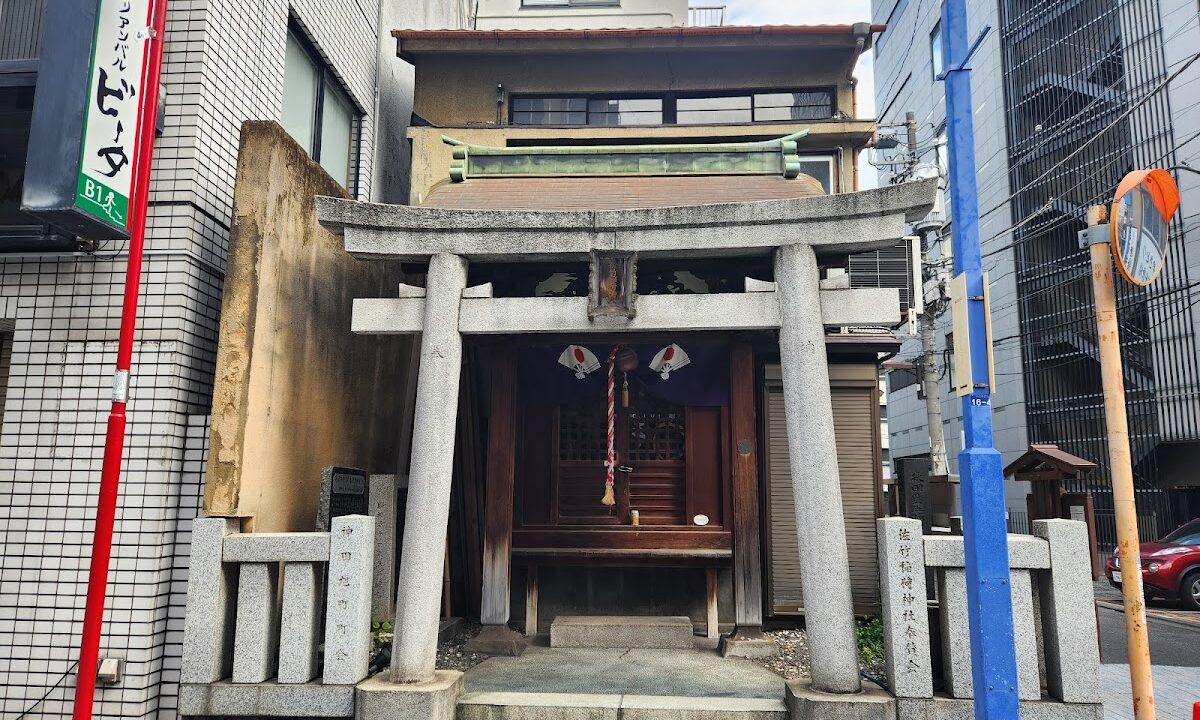
Satake Inari Shrine is a very compact shrine, with limited grounds, but it is meticulously maintained. Located between buildings, it has the distinctive atmosphere of a small sanctuary in the city.
Upon passing through the torii gate, the shrine building is immediately visible. The vermilion torii gate and shrine building have the characteristic appearance of an Inari shrine, warmly welcoming worshippers. Instead of guardian lions (komainu), stone statues of foxes, the symbol of Inari shrines, are placed on the grounds.
Shrine Building and Cultural Assets
The current shrine building was rebuilt after the war and consists of a small wooden main hall and worship hall. Although small in scale, it maintains the traditional style of shrine architecture, and the vermilion paint stands out beautifully.
While there are no specially designated cultural properties within the grounds, the history itself, dating back to the Edo period, can be considered a valuable cultural heritage. The fact that such a small shrine still remains amidst the ongoing redevelopment of the city center is a testament to the faith and preservation efforts of the local people.
Photography Tips
Here are some photography tips for visiting Satake Inari Shrine:
- Frontal Composition of Torii Gate and Shrine Building: Photographing the shrine building through the vermilion torii gate creates a photograph with a distinct Inari shrine feel.
- Fox Stone Statues: The fox statues on the grounds are symbols of Inari shrines and are a must-photograph.
- Contrast with the City: The contrast between the surrounding buildings and the small shrine creates an interesting composition that is characteristic of Tokyo.
- Combination with Kanda Station West Exit Shopping Street: Taking advantage of the unique location of the shrine within a shopping street would make for interesting photography.
Please be mindful of the privacy of worshippers and take care not to include other worshippers in your photos.
Goshuin (Shrine Seal) Information
Availability of Goshuin
Unfortunately, Satake Inari Shrine does not offer goshuin. This is due to the small size of the shrine and the lack of a resident priest.
Those collecting goshuin may find this disappointing, but the essence of visiting a shrine is not about collecting goshuin, but about expressing gratitude to the gods and purifying one’s heart. By praying sincerely in the quiet grounds, you will surely receive blessings.
Nearby Shrines Offering Goshuin
Here are some shrines around Kanda where you can receive goshuin:
- Kanda Myojin (Kanda Shrine): Approximately 10 minutes on foot. One of Tokyo’s representative shrines, offering beautiful goshuin.
- Yanagimori Shrine: Approximately 5 minutes on foot. A shrine known as a deity of good fortune and longevity.
- Ota-hime Inari Shrine: Approximately 15 minutes on foot. Known as a shrine associated with Ota Dokan.
After visiting Satake Inari Shrine, a pilgrimage to these other shrines is also recommended.
Benefits and Faith
Main Benefits
The deity Ukanomitama-no-kami, enshrined at Satake Inari Shrine, is believed to offer the following benefits:
- Business Prosperity: A representative benefit of Inari, attracting many visitors praying for business success and prosperity.
- Abundant Harvest: As a deity presiding over abundance related to agriculture and food, prayers can be offered for never lacking food.
- Fire Prevention: Historically worshipped since the Edo period as a deity protecting towns from fire.
- Family Safety: Revered as a deity protecting the health and peaceful lives of families.
- Industrial Development: In modern times, it is also worshipped as a place to pray for the development of all industries.
Guardian Deity of the Business District
The area around Kanda Station is a business district lined with office buildings, and many companies and shops are concentrated there. Satake Inari Shrine is a familiar guardian deity for people who work and run businesses in this area.
Even today, the faith rooted in the community continues, with business people visiting during their lunch breaks and shop owners praying for business prosperity. Although it is a small shrine, its existence holds significant meaning for the local community.
Annual Events and Festivals
Because Satake Inari Shrine is a small shrine, it does not hold large festivals or special annual events. However, the first day of the Horse (Hatsuuma) is a day of special significance for an Inari shrine.
Hatsuuma (First Horse Day of February)
Hatsuuma is the first Horse Day of February, considered the day when Inari, the god of rice, descended to earth. Hatsuuma festivals are held at Inari shrines throughout Japan, attracting many worshippers. Satake Inari Shrine also sees more visitors than usual on this day.
On Hatsuuma, visiting the shrine to pray for business prosperity and a bountiful harvest is especially recommended.
Nearby Attractions and Tourist Spots
Kanda Station West Exit Shopping Street
Kanda Station West Exit Shopping Street, where Satake Inari Shrine is located, is a lively shopping street lined with restaurants and retail stores. Many shops retain a Showa-era atmosphere, making it an area where you can feel the charm of old Tokyo.
Enjoying a meal or shopping in the shopping street before or after your visit to the shrine is a good idea. Especially during lunchtime, reasonably priced and delicious set meal restaurants and ramen shops are popular.
Kanda Myojin Shrine (Kanda Jinja)
Located about a 10-minute walk from Kanda Station, Kanda Myojin Shrine is one of Tokyo’s most representative shrines. Known as the guardian shrine of Edo (present-day Tokyo), it attracts worshippers from all over Japan seeking prosperity in business.
Visiting it together with Satake Inari Shrine makes for a more fulfilling shrine pilgrimage. You can also receive a Goshuin (shrine stamp) at Kanda Myojin, and there’s a museum on the grounds where you can learn about Edo history.
Akihabara Electric Town
Within walking distance of Kanda Station lies the world-famous Akihabara Electric Town. Known as the center of Japanese subculture, it’s home to electronics, anime, games, maid cafes, and more.
Combining a visit to Satake Inari Shrine with sightseeing in Akihabara allows you to experience the diverse charms of Tokyo, where tradition and modernity blend, all at once.
Jimbocho Used Bookstore District
A short walk from Kanda Station will take you to Jimbocho, known as one of the world’s largest used bookstore districts. Over 100 bookstores are gathered here, offering books of all genres. This spot is especially recommended for book lovers and those looking for rare books. Taking a break at Satake Inari Shrine between browsing used bookstores is also a good idea.
Manners and Etiquette for Visiting a Shrine
Basic Etiquette for Visiting a Shrine
Here are the basic etiquette rules for visiting Satake Inari Shrine:
- Bow before passing through the torii gate: The torii gate is the entrance to the sacred area. Bow before entering the grounds.
- Procedure for purifying oneself with water: Satake Inari Shrine may not have a water basin for purification, but if there is one, purify yourself in the following order.
- Hold the ladle in your right hand and purify your left hand.
- Switch the ladle to your left hand and purify your right hand.
- Switch the ladle back to your right hand, receive water in your left hand, and rinse your mouth.
- Finally, hold the ladle upright and purify the handle.
- Procedure for Worship (Two Bows, Two Claps, One Bow):
- Place your offering in the offering box.
- Bow deeply twice.
- Clap your hands twice.
- Pray sincerely.
- Bow deeply once.
- When Leaving: After exiting the torii gate, turn around and bow once.
Points to Note When Visiting
- Worship Quietly: As this is a small shrine near a residential area, please refrain from loud conversations.
- Photography Etiquette: Please be considerate of other worshippers.
- Take Your Trash Home: To keep the shrine grounds clean, please take all your trash with you.
- No Smoking: Smoking is strictly prohibited on the shrine grounds.
Differences between Satake Inari Shrine and the Satake Inari Shrine in Adachi Ward
There are two shrines named “Satake Inari Shrine” in Tokyo. This article introduces the Satake Inari Shrine in Uchikanda, Chiyoda Ward, and the Satake Inari Shrine in Umeda, Adachi Ward.
The Satake Inari Shrine in Adachi Ward
The Satake Inari Shrine located at 6-28-7 Umeda, Adachi Ward, is also known by the nickname “Ibo Inari” (Wart Inari). This shrine was also established as the guardian deity of the residence of the Satake family of the Akita Domain, and is believed to have been founded in the early Edo period.
The main deity is the same, Ukanomitama-no-kami (Inari-no-kami), and it has a history of being worshipped for its efficacy in removing warts.
Relationship between the two Satake Inari Shrines
Both shrines share the commonality of being associated with the Satake family of the Akita Domain, but they were originally enshrined in different residences. There’s a difference between shrines in Chiyoda Ward, which serve as protection against evil spirits from the northeast (demon’s gate) of the main residence (Edo residence), and those in Adachi Ward, which serve as guardian deities for smaller residences.
When visiting or researching these shrines, it’s important to be careful not to confuse their locations. This article focuses on the Satake Inari Shrine in Uchikanda, Chiyoda Ward, so please be aware of this distinction.
Detailed Access Information to Satake Inari Shrine
Access by Train
Using JR Lines:
- 1-minute walk from the West or South Exit of Kanda Station on the JR Yamanote Line, Keihin-Tohoku Line, or Chuo Line
- After exiting the ticket gate, proceed towards the West Exit and you will find it immediately upon entering the shopping street along Tamachi-dori Avenue.
Using Tokyo Metro:
- 3-minute walk from Kanda Station on the Tokyo Metro Ginza Line
- Using Exit 4 is convenient
Using Toei Subway:
- Approximately 7-minute walk from Ogawamachi Station on the Toei Shinjuku Line
- Approximately 7-minute walk from Awajicho Station on the Tokyo Metro Marunouchi Line
Access by Car and Parking
Satake Inari Shrine does not have its own parking lot. If you are visiting by car, you will need to use a nearby coin-operated parking lot.
There are several coin-operated parking lots around Kanda Station, but they are often full on weekdays, so we recommend using public transportation.
Access on Foot (from major landmarks)
- From Kanda Myojin Shrine: Approximately 10 minutes on foot
- From Akihabara Station: Approximately 8 minutes on foot
- From Tokyo Station: Approximately 15 minutes on foot
- From Jimbocho Station: Approximately 12 minutes on foot
Suitable Time and Season for Visiting
Recommended Time for Visiting
Satake Inari Shrine is open 24 hours a day, but the following times are recommended:
Early Morning (7:00 AM – 9:00 AM): A quiet time before commuting, allowing for a peaceful visit. Visiting in the refreshing morning air is refreshing for the soul.
Lunch Break (12:00 PM – 1:00 PM): A time when many people working nearby visit during their lunch break. A short visit is convenient.
Evening (4:00 PM – 6:00 PM): A suitable time to stop by after work. A visit to soothe the fatigue of the day. Nighttime visits are not recommended for safety reasons.
Seasonal Highlights
Spring (March-May): At the start of the new fiscal year, the number of visitors increases as people pray for success in new businesses and prosperity.
Summer (June-August): The greenery becomes lush, increasing the shrine’s appeal as an oasis in the city.
Autumn (September-November): The pleasant weather makes it the perfect season for visiting.
Winter (December-February): This season is filled with important events for Inari shrines, such as Hatsumode (first shrine visit of the year) and Hatsuumai (first horse day of the year).
Gourmet Information Around Satake Inari Shrine
Recommended Restaurants in Kanda West Exit Shopping Street
Here are some gourmet spots around Kanda Station West Exit that you might want to visit before or after your visit:
Set Meal Restaurants/Diners: Kanda has many traditional set meal restaurants where you can enjoy hearty and reasonably priced meals. The area is especially lively with office workers during lunchtime.
Soba/Udon: There are many long-established restaurants serving Edo-style soba noodles, perfect for a light meal after visiting the shrine.
Curry: Kanda is known as a fierce battleground for curry restaurants, with a variety of curry options available.
Izakaya (Japanese Pub): In the evenings, enjoying a drink at an izakaya that retains a Showa-era atmosphere is highly recommended.
Posts and Reviews about Satake Inari Shrine
Visitor Feedback
There are numerous posts from people who have visited Satake Inari Shrine on online review sites and social media. Summarizing the main impressions:
- “Easy to visit as it’s close to the station”
- “A small but atmospheric shrine”
- “A healing spot in the middle of a business district”
- “A valuable place where you can feel history”
- “It’s a shame they don’t have Goshuin (shrine stamps), but the visit itself is worthwhile”
These are some of the many comments seen.
Recommended Posting Spots
When posting on social media after visiting Satake Inari Shrine, the following types of photos are recommended:
- Photos of the vermilion torii gate and shrine building
- Close-ups of the fox statues
- Photos capturing the contrast between the shopping street and the shrine
- Photos combining seasonal flowers and greenery with the shrine
Suitable hashtags include “#SatakeInariShrine”, “#KandaShrineTour”, and “#TokyoShrines”.
Summary: The Charm of Satake Inari Shrine
Satake Inari Shrine (Chiyoda-ku, Tokyo) is a historical shrine founded in 1635 by the Satake clan of the Akita Domain. It began as a protection against evil spirits for the Edo residence, and after the Great Fire of Tenpo, it was worshipped as a guardian deity against fire by townspeople.
Even today, its convenient location, just a one-minute walk from the west exit of Kanda Station, makes it popular with business people and local residents. While they don’t offer Goshuin (temple/shrine stamps), many people visit seeking blessings for business prosperity, protection from fire, and family safety.
Despite its small size, this shrine boasts a history of nearly 400 years, and its quiet presence amidst the hustle and bustle of the city evokes a sense of Tokyo’s diversity and historical depth. When visiting the Kanda area, be sure to stop by Satake Inari Shrine and experience its history and atmosphere.
Visiting it in conjunction with other nearby tourist spots such as Kanda Myojin Shrine, Akihabara, and the Jimbocho used bookstore district will make for a more fulfilling Tokyo sightseeing experience. In the Kanda area, where tradition and modernity intersect, Satake Inari Shrine, though small, continues to play an important role.