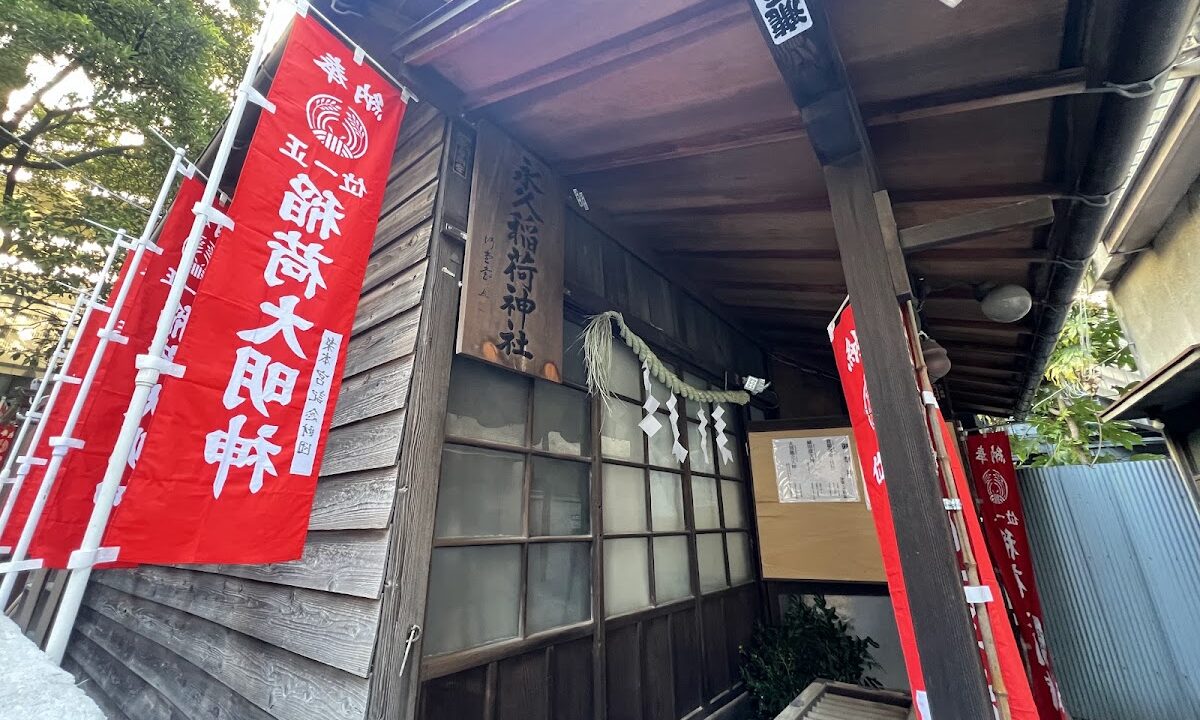
Complete Guide to Eikyu Inari Shrine (Chuo Ward, Tokyo) | History, Deities, Access, and Visiting Information
Nearby nestled in an alley in Nihonbashi Hakozaki-cho, Chuo Ward, Tokyo, is a small shrine known only to a select few. Despite being in a bustling urban area surrounded by the Metropolitan Expressway Route 6 and apartment buildings, it has long been revered by local residents as the tutelary deity of Hakozaki-cho. This article provides detailed information you should know before visiting, including the history of Eikyu Inari Shrine, its enshrined deities, access methods, and highlights for visitors.
Basic Information on Eikyu Inari Shrine
Eikyu Inari Shrine is a small shrine located at 22-11 Nihonbashi Hakozaki-cho, Chuo Ward, Tokyo. While conveniently located just a 1-2 minute walk from Suitengumae Station on the Tokyo Metro Hanzomon Line, its location on a quiet alley means you might easily miss it if you don’t know about it.
Location and Contact Information
- Address: 22-11 Nihonbashi Hakozaki-cho, Chuo-ku, Tokyo 103-0015
- Phone: 03-3667-8083
- Nearest Station: 1-minute walk from Suitengumae Station on the Tokyo Metro Hanzomon Line
- Annual Festival Date: May 19th
Shrine Rank and Size
Eikyu Inari Shrine is a small shrine known as a “shoshi” (small shrine), and its grounds are very compact. However, despite its small size, it is an important presence deeply connected to the history of the region and is still cherished by the local people.
History and Origins of Eikyu Inari Shrine
Founding Date Unknown
Unfortunately, the founding date of Eikyu Inari Shrine is unknown. Because accurate records do not remain, it is unclear when, who, and under what circumstances it was founded. However, since it is already mentioned in documents from the late Edo period, it has been confirmed that it existed at least by the late Edo period.
As the Guardian Deity of Hakozaki-cho Riverside
Eikyu Inari Shrine has been revered since ancient times as the guardian deity (ubusunagami) protecting the area around Hakozaki-cho Riverside. A ubusunagami is a deity that protects the people born in a particular area, and serves as a spiritual pillar for the local community.
Hakozaki-cho developed as a riverside area close to the Sumida River and flourished as a center for the collection of goods during the Edo period. In an era when water transport was thriving, Eikyu Inari Shrine was likely a place where people working on the riverside and surrounding residents prayed for daily safety and prosperity.
A Belief Passed Down from Edo to the Present
Tokyo has experienced many major changes, including modernization after the Meiji Restoration, the Great Kanto Earthquake, and the air raids of World War II. Eikyu Inari Shrine, too, has been tossed about by the waves of time, yet has been continuously protected by the people of the region. Although now surrounded by high-rise buildings and apartments, its presence remains unchanged, preserving the history of Hakozaki-cho.
Deities and Blessings
Main Deity: Ukanomitama-no-Mikoto
The main deity of Eikyu Inari Shrine is Ukanomitama-no-Mikoto. Ukanomitama-no-Mikoto is a deity worshipped nationwide as the main deity of Inari shrines, and is known as the god of abundant harvests, business prosperity, and industrial development.
“Uka” means grain or food, and “tama” represents the soul. Therefore, Ukanomitama-no-Mikoto is a divine spirit that presides over food, fundamentally supporting people’s lives.
Enshrined Deity: Sarutahiko-no-Kami
Along with Ukanomitama-no-Mikoto, Sarutahiko-no-Kami is also enshrined. Sarutahiko-no-kami is known as the god who guided the descent of the heavenly grandchild, and is worshipped as the god of opening paths and guidance.
He is believed to grant blessings for traffic safety, safe travel, and making the right choices at life’s crossroads, and many people visit him when starting something new or at a turning point in their lives.
Expected Blessings
The main blessings you can expect by visiting Eikyu Inari Shrine are as follows:
- Business Prosperity: Through the divine virtues of Ukanomitama-no-Mikoto, you can pray for the development and success of your business.
- Abundant Harvest: You can pray for the prosperity of agriculture and food-related businesses.
- Industrial Development: You can receive blessings for the growth and stability of all industries.
- Good Fortune and Prosperity: Through the guidance of Sarutahiko-no-Kami, you can attract positive changes and good fortune in your life.
- Traffic Safety: Through the divine virtues of Sarutahiko-no-Kami, who opens roads, you can pray for safe travels.
- Family Safety: As the local guardian deity, you can protect the health and peace of your family.
Access
Access by Train
Eikyu Inari Shrine is easily accessible by public transportation.
Nearest Station: Tokyo Metro Hanzomon Line “Suitengumae Station”
- Approximately 1 minute walk from Exit 6
- After exiting the station, head northeast and you will find it immediately after turning into the alley.
Other Accessible Stations
- Approximately 5 minute walk from Tokyo Metro Hibiya Line/Toei Asakusa Line “Ningyocho Station”
- Approximately 7 minute walk from Tokyo Metro Tozai Line “Kayabacho Station”
- Approximately 8 minute walk from Toei Shinjuku Line “Hamacho Station”
Detailed Directions
After exiting Suitengumae Station Exit 6, head northeast (towards Hakozaki) along Kiyosubashi Street. Pass under the elevated section of the Metropolitan Expressway Route 6, and turn right at the first alley. You will see the small shrine of Eikyu Inari Shrine in a narrow alley between apartment buildings and other buildings.
Because it is a very small shrine, it is easy to miss for first-time visitors, so please be careful. It is a good idea to check the addresses of the surrounding buildings as you proceed.
Access by Car
Eikyu Inari Shrine does not have its own parking lot. If you are visiting by car, you will need to use a nearby coin-operated parking lot. However, since the surrounding roads are narrow and many are one-way, we recommend using public transportation.
Shrine Grounds and Points for Worship
Characteristics of the Shrine Grounds
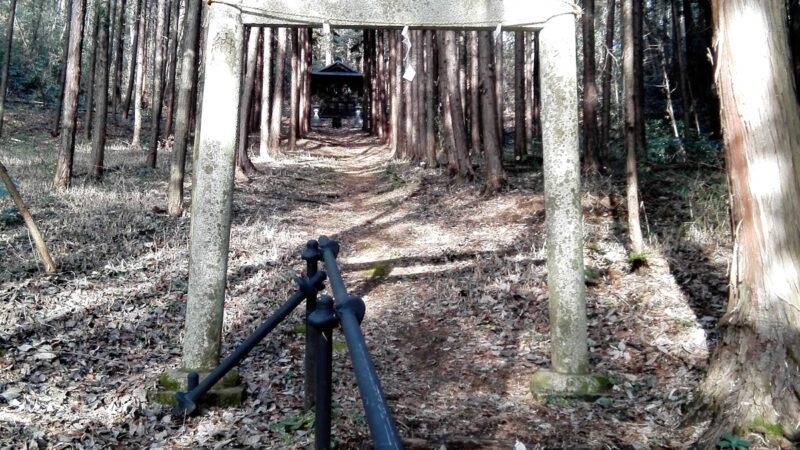
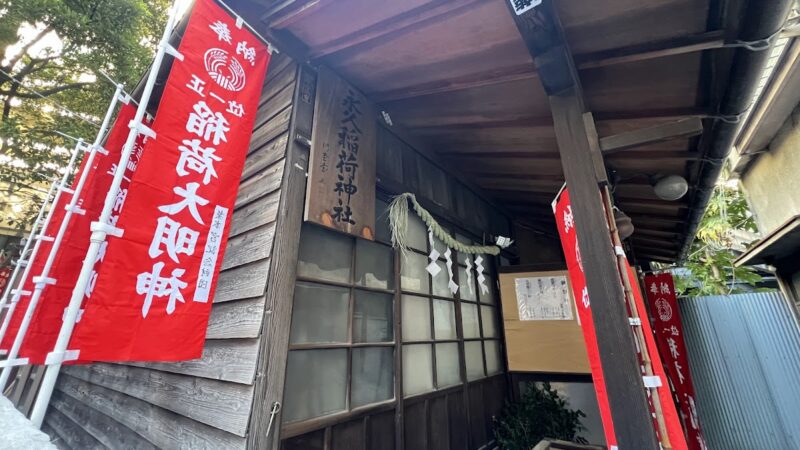
The grounds of Eikyu Inari Shrine are very compact, consisting only of a small shrine, a torii gate, and a small worship space. It stands quietly in a corner of the city, surrounded by the elevated Metropolitan Expressway Route 6, apartments, and buildings.
It is such a small shrine that it is said you would miss it if you didn’t know it was there, but its tranquil atmosphere makes it a special space that allows you to forget the hustle and bustle of the city.
Worship Etiquette
Worship at Eikyu Inari Shrine follows the same etiquette as at any other shrine.
- Bow before entering the shrine grounds.
- If there is no water basin for purification, cleanse your mind before proceeding to the main hall.
- Place your offering in the offering box.
- Pray using the two bows, two claps, and one bow ritual.
- After praying, turn around and bow before leaving the shrine grounds.
Points to Note When Visiting
- The shrine grounds are very small, so if visiting with multiple people, please pray in turn.
- As it is located in a residential area, please refrain from loud conversations.
- Photography is permitted, but please be considerate of the privacy of the surrounding residents.
- For information on Goshuin (shrine stamps) and other items, please contact the shrine directly.
Annual Festival and Events
The annual festival of Eikyu Inari Shrine is held on May 19th. The annual festival is the most important festival for the shrine, a ceremony to express gratitude to the enshrined deity and pray for peace in the community.
As it is a small shrine, it does not hold large-scale festivals, but local people gather to continue preserving traditions. Visiting during the annual festival might allow you to see the shrine in a different light than usual.
Nearby Attractions and Tourist Spots
When visiting Eikyu Inari Shrine, why not also explore the surrounding shrines, temples, and tourist spots?
Suiten-gu Shrine (approx. 3-minute walk)
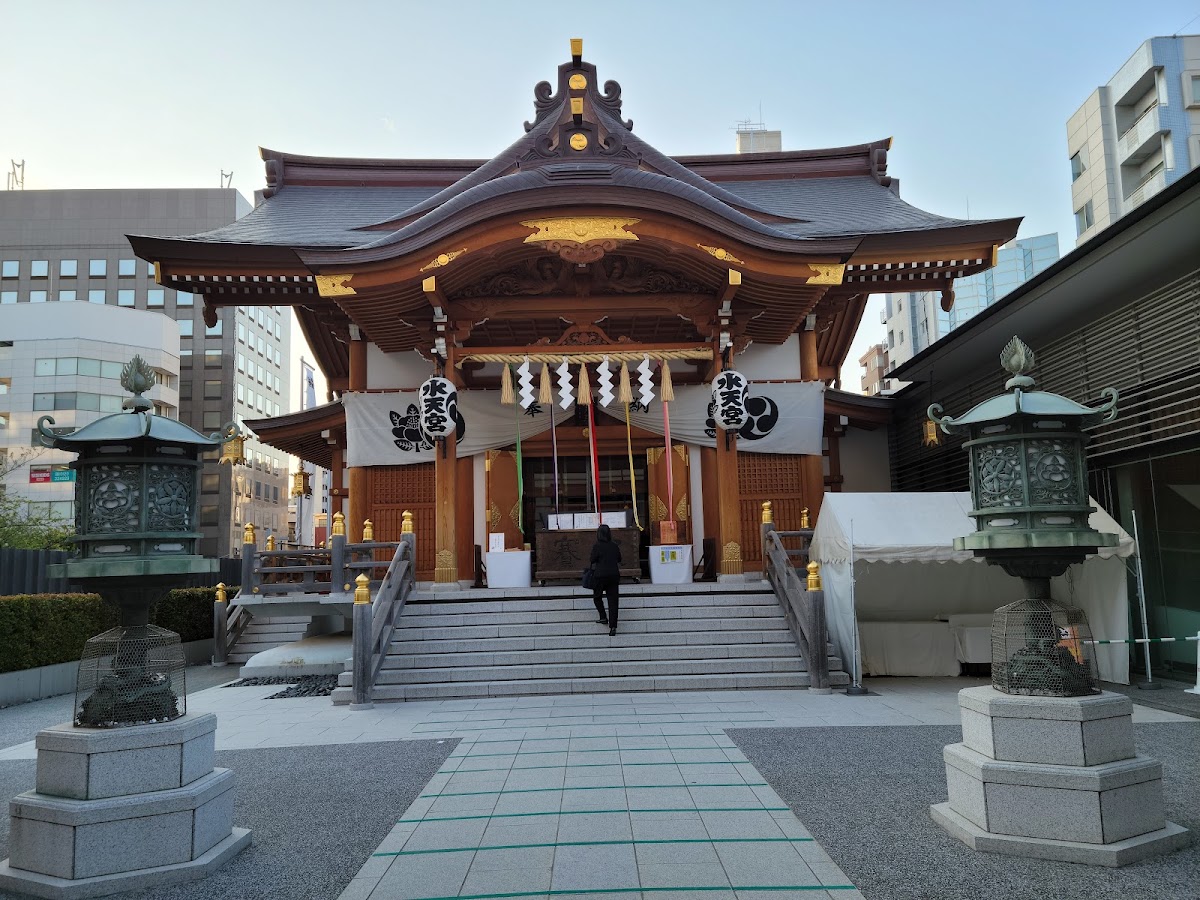
Suiten-gu Shrine, famous for prayers for safe childbirth, is located about a 3-minute walk from Eikyu Inari Shrine. A new shrine building was completed in 2016, making it a beautiful shrine that blends modern architecture with tradition. Known for its blessings related to conception, safe childbirth, and child-rearing, it attracts worshippers from all over Japan.
Koami Shrine (approx. 10-minute walk)
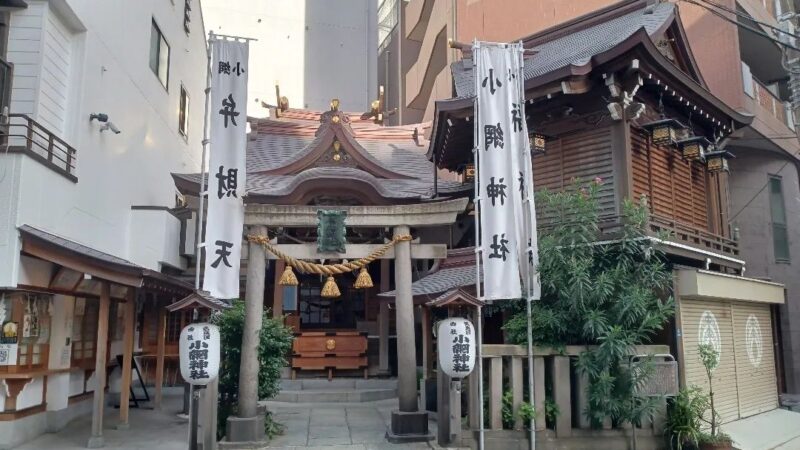
Kami Shrine, known as “Tokyo’s Money-Washing Benzaiten,” is a popular power spot for increasing wealth. There’s an anecdote that those who possessed amulets from this shrine survived the Great Kanto Earthquake and the Tokyo air raids, making it a revered shrine for good fortune and protection against evil.
Ningyocho Shopping Street (approx. 5-minute walk)
Ningyocho Shopping Street retains the charm of old Tokyo, with many long-established Japanese confectionery shops and restaurants lining the streets. There are plenty of spots to enjoy street food, such as Ningyo-yaki (doll-shaped cakes) and Amazake Yokocho (sweet rice wine alley).
Nihonbashi Area (approx. 10-minute walk)
The Nihonbashi area, a commercial center since the Edo period, is home to long-established department stores such as Mitsukoshi Main Store and Takashimaya, as well as commercial facilities like COREDO Nihonbashi. Enjoy a stroll through a town where history and modernity intersect.
Inari Faith and Shrine Culture in Chuo Ward
Inari Faith in Tokyo
Numerous Inari shrines exist within Tokyo. During the Edo period, when Edo developed as a commercial city, many Inari shrines were built by merchants praying for business prosperity. Eikyu Inari Shrine is one such shrine that played a part in Edo’s Inari faith.
Shrine Culture in Chuo Ward
Chuo Ward includes historical areas such as Nihonbashi, Kyobashi, Ginza, and Tsukiji, which have existed since the Edo period. Numerous shrines, large and small, are scattered throughout this area, each functioning as a center of the local community.
While many shrines were consolidated or relocated due to modernization, shrines like Eikyu Inari Shrine, though small, continue to maintain their faith in their original locations, making them valuable historical sites that convey the region’s history.
Visitor Feedback and Reviews
The following are some comments from people who have visited Eikyu Inari Shrine:
- “I was surprised to find such a quiet place in the middle of the city.”
- “It’s small, but you can tell it’s carefully maintained and loved by the local people.”
- “I stopped by after visiting Suiten-gu Shrine, and I liked the hidden-away atmosphere.”
- “It was a little difficult to find, but that was also a fun experience.”
- “It’s not flashy, but it’s a shrine that calms the soul.”
The Charm of Eikyu Inari Shrine
Tranquility in the City
The greatest charm of Eikyu Inari Shrine is that it maintains a tranquil atmosphere despite being in the heart of Tokyo. Despite its seemingly disadvantageous location under the elevated Metropolitan Expressway, its small size creates a special space isolated from the hustle and bustle.
A Faith Rooted in the Community
It doesn’t have the grandeur of a large shrine, but it has a history of being carefully preserved by the local people. The form of faith, deeply connected to the community as a tutelary deity, continues to be passed down to this day.
The Joy of Urban Exploration
The fact that it’s located in a place you might miss if you don’t know about it is part of its charm. It’s a valuable spot where you can experience the joy of exploring Tokyo’s back alleys and visiting hidden shrines.
Recommended Itinerary for Your Visit
Suitengu & Hakozaki Area Shrine Tour
Estimated Time: Approximately 2 Hours
- Start from Suitengumae Station
- Visit Eikyu Inari Shrine (10 minutes)
- Visit Suitengu Shrine (30 minutes)
- Move towards Ningyocho
- Visit Koami Shrine (20 minutes)
- Enjoy street food and a break in Ningyocho Shopping Street (40 minutes)
- Stroll through Amazake Yokocho (20 minutes)
Nihonbashi Historical Walking Tour
Estimated Time: Approximately 3 Hours
- Start from Eikyu Inari Shrine
- Visit historical buildings around Hakozaki-cho
- Move to Nihonbashi
- Sightseeing and photography at Nihonbashi
- Visit Mitsukoshi Main Store and other long-established shops
- Lunch at COREDO Nihonbashi
Summary: The Value of Eikyu Inari Shrine
Eikyu Inari Shrine, though small in scale, is a valuable shrine that conveys the history and culture of Chuo Ward, Tokyo. While its founding date is unknown, it has watched over the area as the tutelary deity of Hakozaki-cho Kawagishi since the Edo period.
It enshrines Ukanomitama-no-Mikoto and Sarutahiko-no-Kami as its deities, and is believed to bring blessings for business prosperity, abundant harvests, and good fortune. Despite its convenient location just a one-minute walk from Suitengumae Station, it offers a quiet worship space away from the hustle and bustle of the city.
The intimacy not found in large shrines, the form of faith rooted in the community, and the hidden-away atmosphere within the city are the charms of Eikyu Inari Shrine. When sightseeing in Suitengu or Ningyocho, be sure to extend your trip a little further and visit. You’re sure to have a heartwarming worship experience despite its small size.
When touring shrines in Tokyo, paying attention not only to famous grand shrines but also to small shrines like Eikyu Inari Shrine will allow you to understand Tokyo’s history and culture more deeply. The existence of shrines, which have been loved and protected by the local people, serves as an important spiritual pillar even in modern urban life.