Complete Guide to Nanakura Inari Shrine (Taito Ward, Tokyo) | History, Goshuin (Shrine Seal), and Access Information
Nanakura Inari Shrine, located in Ikenohata, Taito Ward, Tokyo, is a valuable shrine that preserves the history of the Edo period. Despite its convenient location within walking distance of Nezu Station, this shrine, nestled in a quiet residential area, has a unique history, having protected the rice granaries of the Edo Shogunate. This article provides detailed information you should know before visiting Nanakura Inari Shrine, including its history, enshrined deities, goshuin information, access methods, and nearby attractions.
What is Nanakura Inari Shrine?
Nanakura Inari Shrine is an Inari shrine located at 2-5-47 Ikenohata, Taito Ward, Tokyo. While currently situated near Shinobazu Pond in a quiet residential area of Nezu, its origins date back to Kuramae in Asakusa during the Edo period.
Basic Information
Name: Nanakura Inari Shrine
Address: 2-5-47 Ikenohata, Taito-ku, Tokyo
Deity Enshrined: Uganomitama-no-Mikoto
Nearest Station: Nezu Station, Tokyo Metro Chiyoda Line
Founded: Edo period
Shrine Rank: Former Unranked Shrine
Uganomitama-no-Mikoto is known as the god who presides over grains and food, and is believed to bring blessings of business prosperity and abundant harvests. As the principal deity of Inari shrines, it is enshrined throughout Japan, and Nanakura Inari Shrine has consistently attracted worshippers since the Edo period.
History and Origins of Nanakura Inari Shrine
Edo Period: Guardian Deity of Seven Rice Storehouses
The name “Nanakura” in Nanakura Inari Shrine has a deep historical background. During the Edo period, important rice granaries of the Edo shogunate were located in what is now Kuramae, Taito Ward. Seven rice granaries existed on this site, serving as crucial facilities supporting the shogunate’s finances.
Nanakura Inari Shrine stood in Asakusa Kuramae as the guardian deity of these seven rice granaries. Rice was the foundation of the Edo economy, and the shrine, protecting its storage locations, garnered deep devotion from shogunate officials and Edo townspeople alike.
The Legend of Abe Bungo-no-kami
Nanakura Inari Shrine has an anecdote that explains how it became known as a shrine with miraculous powers. It is said that when Abe Bungo-no-kami prayed at the shrine, he was able to cross the Sumida River on horseback thanks to its protection. This event led to Nanakura Inari Shrine becoming widely known among Edo townspeople as a shrine with remarkable miraculous powers, further deepening its popularity.
Meiji Era: Two Relocations
After the Meiji Restoration and the collapse of the Edo Shogunate system, significant changes also occurred at Nanakura Inari Shrine.
First Relocation: In the early Meiji period, the shrine was relocated from Kuramae to Shichiken-cho. This was a measure taken in response to the abolition of the Shogunate’s rice granary system.
Second Relocation: In 1876 (Meiji 9), the shrine was relocated to its current location in Ikenohata 2-chome, Taito-ku. This is the current location of the shrine.
Even after two relocations, Nanakura Inari Shrine has continued to attract the faith of the local people and has preserved its traditions from the Edo period.
Heisei Era: Construction of the Shrine Building
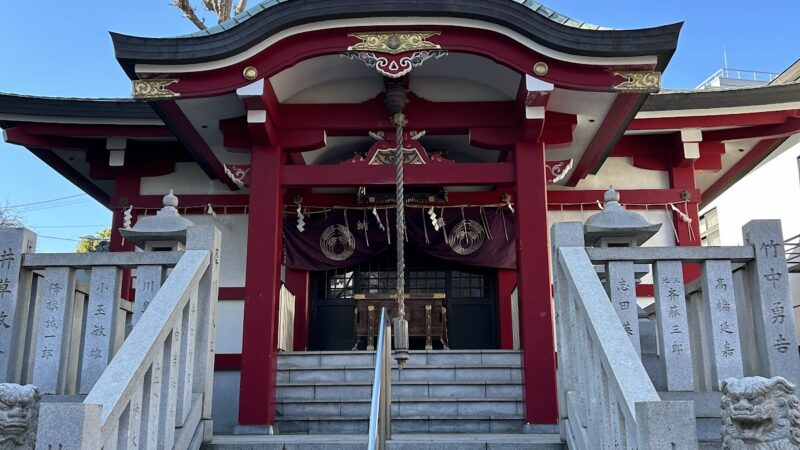
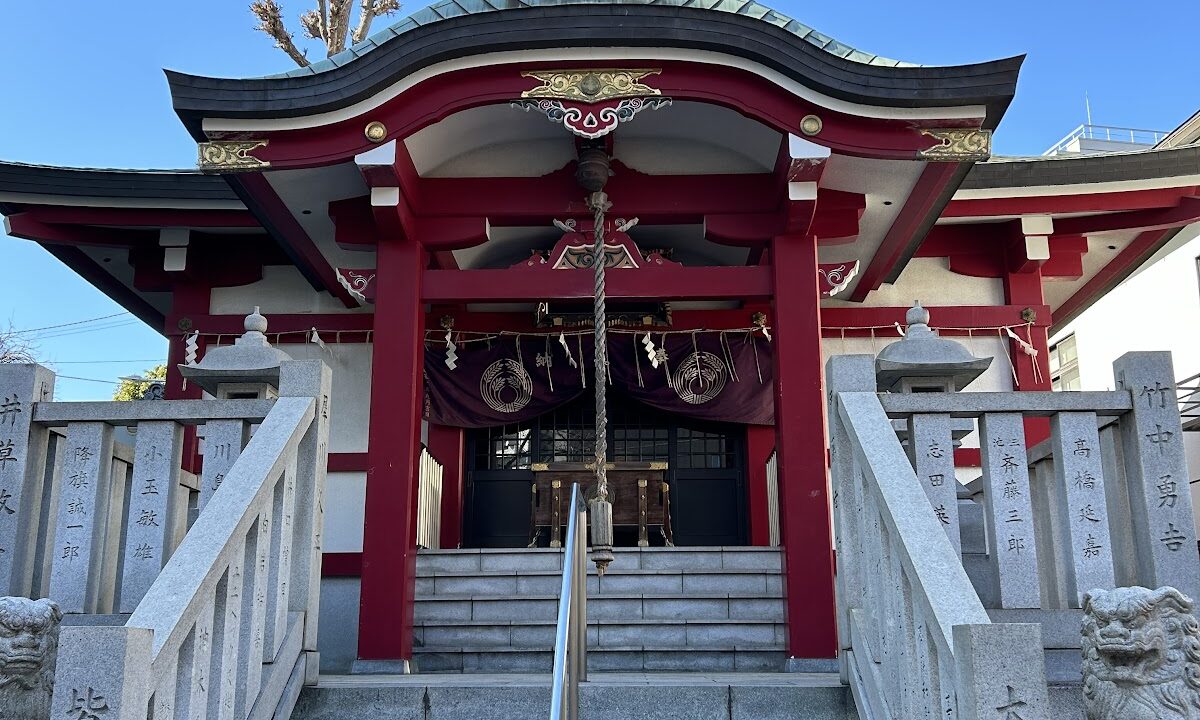
The current shrine building was constructed in 1989 (Heisei 1). Though compact, the carefully constructed building exudes a solemn atmosphere despite being in the middle of the city. The shrine grounds are kept clean, reflecting the careful management by the local community.
Highlights of Nanakura Inari Shrine
Shrine Building and Grounds
The grounds of Nanakura Inari Shrine are compact for a shrine in the heart of the city, yet they are enveloped in a tranquil atmosphere. Located just off Shinobazu Street, it offers a peaceful space away from the hustle and bustle of the city.
The shrine building was constructed in 1989, incorporating modern architectural styles while maintaining the beauty of traditional shrine architecture. The vermilion torii gate serves as a landmark, making it a striking presence in the residential area.
Symbol of Inari Shrines: Fox Statues
A characteristic feature of Inari shrines is the presence of fox statues on the grounds. These foxes, considered messengers of the Inari god, watch over worshippers praying for business prosperity and abundant harvests.
Quiet Worship Environment
Despite its convenient location just a 5-minute walk from Nezu Station, the grounds of Nanakura Inari Shrine are remarkably quiet. The surrounding area is a residential neighborhood, making it an ideal environment for a morning stroll or a stop after work. It’s a precious space where you can forget the hustle and bustle of the city and pray in peace.
Goshuin (Shrine Seal) Information
Regarding the Issuance of Goshuin
Goshuin are not normally issued at Nanokura Inari Shrine. Those wishing to receive a goshuin must visit during the following periods:
Goshuin Issuance Period:
- The first three days of the New Year (January 1st-3rd)
- On festival days such as the annual grand festival
Because there is no permanent shrine office, goshuin are not issued on weekdays or regular weekends. Those wishing to receive a goshuin are advised to check the dates of festivals and other events before visiting.
Features of the Goshuin
The goshuin of Nanokura Inari Shrine features the calligraphy and red seal of “Nanokura Inari Shrine.” Because it is only issued for limited periods, it is considered a valuable item among goshuin collectors.
Access Methods
Access by Train
Using public transportation is the most convenient way to reach Nanakura Inari Shrine.
Nearest Station: Tokyo Metro Chiyoda Line “Nezu Station”
- Approximately 3-5 minutes on foot from Exit 2 of Nezu Station
- Located in a residential area along Shinobazu Street
Other Access Methods:
- Approximately 15 minutes on foot from the Shinobazu Exit of JR “Ueno Station”
- Approximately 10 minutes on foot from Tokyo Metro Chiyoda Line “Yushima Station”
Access from Nezu Station is the most convenient, and its proximity to the station makes it easy to find even for first-time visitors. It’s also within walking distance of Ueno Station, making it a good option to combine a visit with sightseeing at Ueno Park or Shinobazu Pond.
Access by Car and Parking
Nanakura Inari Shrine does not have its own parking lot. If you are visiting by car, you will need to use nearby coin-operated parking lots. However, since it is located in a residential area, using public transportation is recommended.
Nearby Parking:
- Several coin-operated parking lots are available around Nezu Station.
- Parking facilities are also available along Shinobazu Street.
Etiquette and Manners for Worship
Basic Worship Method
When visiting Nanokura Inari Shrine, please observe the following etiquette.
- Bow before passing through the torii gate: As a sign of respect before entering the sacred area, bow before the torii gate.
- Purify yourself at the water basin: If there is a water basin, purify your hands and mouth.
- Two bows, two claps, one bow: In front of the shrine, bow twice, clap twice, and finally bow once.
- Worship quietly: As it is located in a residential area, please refrain from speaking loudly.
Points to note when visiting
- The shrine grounds are always kept clean, so please take your trash with you.
- Photography is permitted, but please be considerate of other worshippers.
- As it is located in a residential area, please refrain from visiting early in the morning or late at night.
Nearby tourist spots
Nanakura Inari Shrine is surrounded by many of the most famous tourist spots in Taito Ward, Tokyo.
Shinobazu Pond
Shinobazu Pond, located about a 10-minute walk from Nanakura Inari Shrine, is a large pond that forms part of Ueno Park. In spring, cherry blossoms bloom, and in summer, lotus flowers are in full bloom, allowing visitors to enjoy the scenery of each season. A Benten-do temple stands in the center of the pond, attracting many tourists.
Nezu Shrine
Located a 5-minute walk from Nezu Station, Nezu Shrine is a prestigious shrine counted among the Ten Shrines of Tokyo. Its Edo-period buildings still exist and are designated as important national cultural properties. The azalea festival, held from late April to early May, is particularly famous, with approximately 3,000 azalea bushes in full bloom.
University of Tokyo Hongo Campus
Within walking distance of Nezu Station is the University of Tokyo’s Hongo Campus. Visitors can see historical buildings such as the Akamon Gate and Yasuda Auditorium. The campus is open to the public, allowing visitors to stroll around.
Yanaka Ginza Shopping Street
Located about a 15-minute walk from Nanakura Inari Shrine, Yanaka Ginza Shopping Street is a popular tourist spot that retains a Showa-era retro atmosphere. Approximately 70 shops line the street, offering opportunities for street food and shopping. The view from Yuuyake Dandan (Sunset Steps) is also popular.
Ueno Park
Ueno Park, within walking distance of Ueno Station, is one of Tokyo’s representative parks. It is home to a concentration of cultural facilities, including Ueno Zoo, Tokyo National Museum, National Museum of Western Art, and Ueno Royal Museum. A visit to Nanokura Inari Shrine and the park together make for a perfect day trip.
Annual Events at Nanokura Inari Shrine
New Year’s Visit (January 1st-3rd)
Many worshippers visit Nanokura Inari Shrine during the first three days of the New Year. Goshuin (temple/shrine stamps) are also available during this period, making it a valuable opportunity for those who wish to receive one. The shrine is bustling with local residents praying for business prosperity and family safety.
Annual Grand Festival
The annual Grand Festival creates a special atmosphere at the shrine. Goshuin may also be available on this day. Local residents gather, and traditional festival ceremonies are held.
Benefits of Nanakura Inari Shrine
Business Prosperity
The enshrined deity, Ukanomitama-no-Mikoto, is widely worshipped as the god of business prosperity. Because the shrine protected the shogunate’s rice granaries during the Edo period, many worshippers visit the shrine, especially those praying for success in business and enterprise.
Abundant Harvest
Inari is originally the god of agriculture. The belief in praying for a bountiful harvest continues today, and many people working in food-related industries visit the shrine.
Family Safety
As a guardian deity of the community, the shrine is also believed to grant blessings for family safety and good health. Local residents regularly visit the shrine to pray for the health and safety of their families.
Recommended Itinerary for Visiting Nanokura Inari Shrine
Half-Day Sightseeing Plan
Morning:
- Arrive at Nezu Station
- Visit Nanokura Inari Shrine (15 minutes)
- Visit Nezu Shrine and stroll through the Azalea Garden (1 hour)
- Lunch at a traditional Japanese house cafe near Nezu
Afternoon:
- Stroll around Shinobazu Pond (30 minutes)
- Visit art museums and museums in Ueno Park (2 hours)
- Shopping around Ueno Station
Full-Day Sightseeing Plan
Morning:
- Arrive at Ueno Station
- Stroll around Ueno Park and visit art museums (2 hours)
- Lunch near Shinobazu Pond
Afternoon:
- Visit Nanokura Inari Shrine (15 minutes)
- Visit Nezu Shrine (1 hour)
- Enjoy street food and shopping at Yanaka Ginza Shopping Street (2 hours)
- Return from Nippori Station
Other Inari Shrines in Taito Ward
Besides Nanokura Inari Shrine, many other Inari shrines are located in Taito Ward.
Shitaya Shrine
Considered one of the oldest Inari shrines in Tokyo, its annual festival in May attracts many visitors.
Ono Terusaki Shrine
Known as a shrine dedicated to the god of learning, it has many subsidiary shrines within its grounds.
Hikan Inari Shrine
A small Inari shrine near Senso-ji Temple, known for its blessings of business prosperity.
Summary of the Charms of Nanokura Inari Shrine
Nanokura Inari Shrine has a unique history, having served as a guardian of the Edo Shogunate’s rice granary. Currently located in a quiet residential area of Ikenohata, Taito Ward, it continues to attract the faith of local residents.
Features of Nanakura Inari Shrine:
- Unique history as the guardian deity of the seven rice granaries of the Edo Shogunate
- Convenient access, just a 3-5 minute walk from Nezu Station
- A quiet place of worship in the heart of the city
- Goshuin (shrine stamps) are issued during the first three days of the New Year and at the annual festival
- Numerous tourist attractions nearby
When visiting the Nezu Station area, be sure to also visit Nanakura Inari Shrine. You can spend a peaceful time while feeling the history that has continued since the Edo period. Combining a visit with sightseeing at Ueno Park, Nezu Shrine, and Yanaka Ginza will make for a fulfilling day where you can fully experience the charm of Taito Ward.
Things to check before visiting
Before visiting Nanakura Inari Shrine, we recommend checking the following points.
If you wish to receive a Goshuin (temple/shrine stamp):
- Check the dates in advance for the first three days of the New Year or the annual festival.
- Bring your Goshuincho (stamp book).
Visiting Hours:
- Generally, you can visit 24 hours a day, but please refrain from visiting early in the morning or late at night as it is located in a residential area.
- The shrine office is not staffed at all times.
Dress Code:
- There are no specific dress code requirements, but please dress appropriately for visiting a shrine.
Weather:
- The shrine grounds are outdoors, so please bring an umbrella in case of rain.
- In summer, the sun is strong, so a hat or parasol would be useful.
Nanakura Inari Shrine is a valuable shrine that conveys the history and culture of Taito Ward, Tokyo. Why not visit this shrine, which retains the atmosphere of the Edo period, in peace and quiet, and pray for business prosperity and family safety? Its convenient location within walking distance of Nezu Station is also one of its attractions. When sightseeing in Ueno or Nezu, please be sure to stop by Nanakura Inari Shrine.