Complete Guide to Fukishiro Inari Shrine (Minato Ward, Tokyo) | History, Benefits, and Access Information
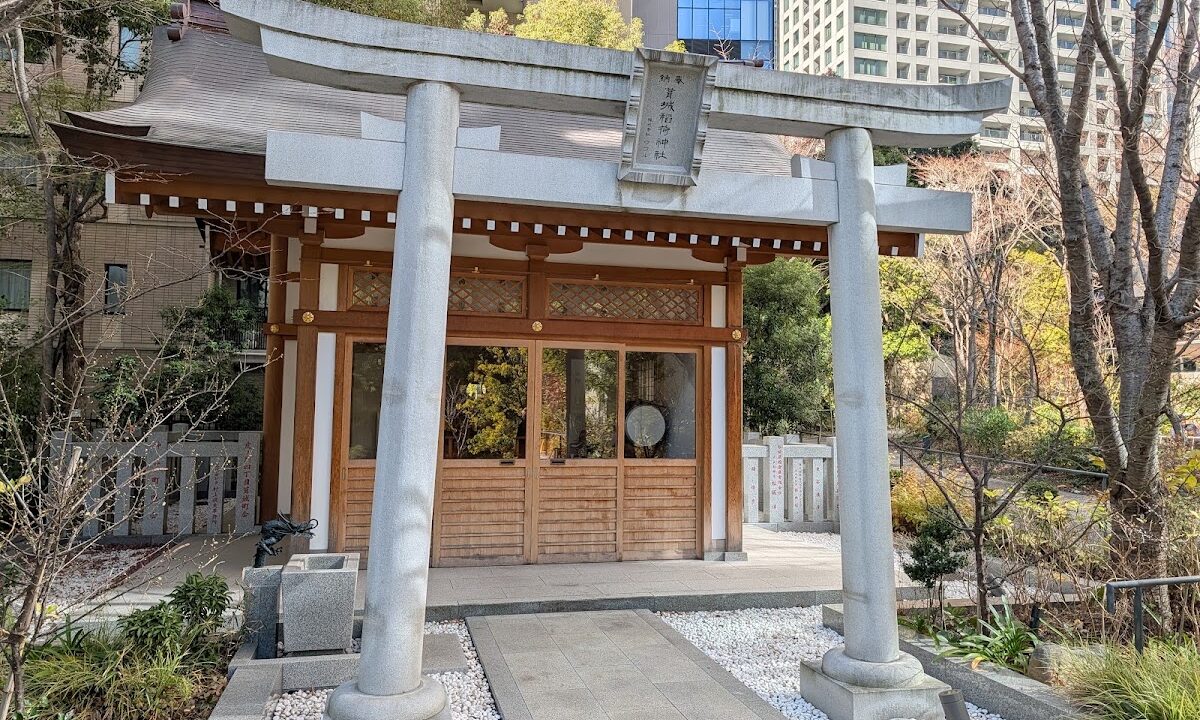
Fukishiro Inari Shrine, nestled amongst the skyscrapers of Toranomon in Minato Ward, Tokyo, is a historic Inari shrine dating back to the Edo period. This guide provides detailed information useful for visitors, including the history, enshrined deities, benefits, and access methods, for this shrine that quietly maintains its faith amidst the modern urban landscape.
Basic Information on Fukishiro Inari Shrine
Fukishiro Inari Shrine is an Inari shrine located at 4-1-3 Toranomon, Minato Ward, Tokyo. It boasts a convenient location within walking distance of Kamiyacho Station and attracts local worshippers amidst the business district.
Location and Contact Information
Address: 4-1-3 Toranomon, Minato-ku, Tokyo 105-0001
Nearest Station: Kamiyacho Station, Tokyo Metro Hibiya Line
Corporate Number: 7010405001494
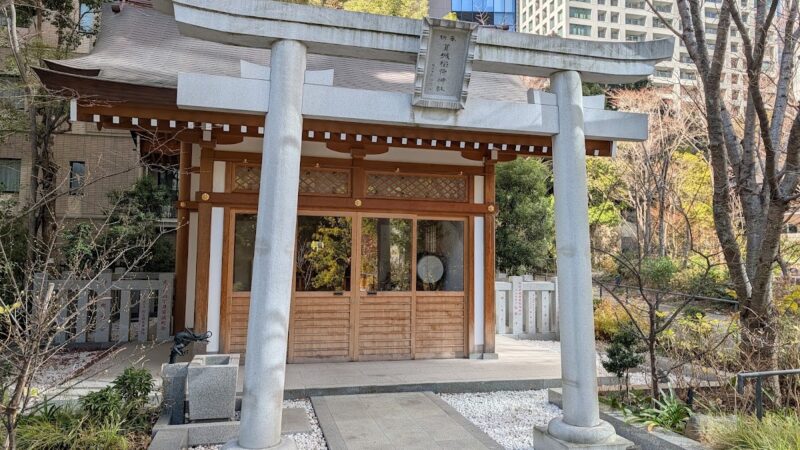
Currently, Fukijo Inari Shrine is located within the grounds of the Tokyo World Gate building, showcasing a coexistence of urban development and traditional faith.
History and Origin of Fukijo Inari Shrine
Discovery and Founding in the Genroku Era
The founding date of Fukijo Inari Shrine is unknown, but its history dates back to Genroku 4 (1691). At that time, townspeople of Fukite-machi (near present-day Toranomon 4-chome) discovered an Inari shrine outside the daimyo residence of Matsudaira Ukon-no-Shogen. It is said that the townspeople, with permission from Matsudaira Ukon-no-Shogen, began to worship this Inari shrine as the town’s tutelary deity.
Origin of Fukite-cho and Shiroyama-cho
The name of the shrine, “Fukite-cho,” originates from the fact that this area was formerly called “Fukite-cho” and “Shiroyama-cho.” During the Genroku era, roofers who lived near the present-day Uchisaiwai-cho moved to this area due to relocation caused by the expansion of Edo Castle. The area where these craftsmen lived came to be called “Fukite-cho,” and this name is reflected in the shrine’s name.
Formal Enshrinement during the Meiwa Era
Records from the Bunsei era of the late Edo period also mention Fukite-cho Inari Shrine, and it is said that in Meiwa 7 (1770), it was formally invited from Fushimi Inari Shrine to serve as the guardian shrine of Fukite-cho and Shiroyama-cho. This established its position as the guardian deity of the region.
Changes Since the Modern Era
Fukijo Inari Shrine, which continued to attract local devotion even after the Meiji era, could not withstand the wave of urban development. In 2020, due to urban planning, it was relocated to its current location within the grounds of Tokyo World Gate. Following this relocation, the shrine grounds were developed as “Fukijo no Mori” (Fukijo Forest), taking on a new role as an oasis in the heart of the city.
Deities and Blessings
Deities Enshrined
Fukijo Inari Shrine enshrines the following three deities:
Ukanomitama-no-kami
A widely known deity of grain and food, and the principal deity of Inari shrines. Believed to bring blessings of business prosperity, abundant harvests, and industrial development.
Susanoo-no-kami
A heroic deity in Japanese mythology, known for blessings of protection against misfortune, disaster, and epidemics.
Oichihime
A goddess worshipped as the guardian deity of markets and commerce, she brings blessings of business prosperity and market flourishing.
Expected Blessings
At Fukijo Inari Shrine, you can expect the following blessings:
- Business Prosperity: A representative blessing of Inari, especially popular due to its location in a business district.
- Abundant Harvest and Food Safety: The original divine virtue of Ukanomitama-no-kami.
- Protection from Evil and Disaster: Protection by Susanoo-no-Mikoto.
- Prayer for Health: Blessings for protecting physical and mental health.
- Industrial Development: Prayers for the development of modern industries and businesses.
Highlights of the Shrine Grounds
Fukijo Forest: An Oasis in the City Center
Developed in conjunction with the shrine’s relocation in 2020, Fukijo Forest is a valuable green space in the heart of the city surrounded by skyscrapers. Despite its compact size, the meticulously maintained grounds offer tranquility to visitors.
Harmony with Modern Architecture
Located within the grounds of the modern building Tokyo World Gate, Fukijo Inari Shrine creates a unique landscape where tradition and modernity coexist. It is attracting attention from the perspectives of architecture and urban planning as a symbol of the balance between urban development and traditional faith.
Etiquette for Worship
Worship at Fukijo Inari Shrine follows the general etiquette for visiting a shrine.
- Bow before the torii gate
- Cleanse your hands and mouth at the temizuya (water basin) (if available)
- Bow twice, clap twice, and bow once before the main hall
- Offer your prayers with gratitude
Access and Surrounding Information
Access by Train
Route from Kamiyacho Station
The nearest station is Kamiyacho Station on the Tokyo Metro Hibiya Line. It is approximately a 5-minute walk from the station. Located on a street in Toranomon 4-chome, just off Sakurada-dori, it’s relatively easy to find.
Other Nearest Stations
- Tokyo Metro Ginza Line “Toranomon Station”: Approximately 8 minutes on foot
- Toei Mita Line “Onarimon Station”: Approximately 10 minutes on foot
Access by Car
As it’s located in the city center, we recommend using public transportation. If you visit by car, you will need to use nearby coin parking. However, as it’s a business district, parking lots may be crowded on weekdays.
Visiting Hours
The shrine grounds are generally open all day, but the hours of operation at the shrine office may be limited. If you wish to receive a Goshuin (shrine stamp) or other items, we recommend checking in advance.
Nearby Shrines and Temples
In addition to Fukijo Inari Shrine, there are many other shrines and temples scattered around Toranomon, Minato Ward.
Nearby Temples and Shrines
Komyo-ji Temple
A temple located near Fukijo Inari Shrine, it is a popular temple visited by many people in conjunction with Fukijo Inari Shrine. Atago Shrine
One of the representative shrines in the Toranomon area, known for its “Stairway to Success.” It’s within walking distance of Fukijo Inari Shrine.
Kotohira-gu Tokyo Branch (Toranomon Kotohira-gu)
As a branch shrine of Kotohira-gu in Sanuki, it attracts the devotion of business professionals.
The Charm and Characteristics of Fukijo Inari Shrine
A History of Townspeople’s Faith Since the Edo Period
The greatest characteristic of Fukijo Inari Shrine is its history of operation and faith by townspeople, which has continued since the Genroku era. The history of enshrining the Inari shrine of a daimyo’s residence as the town’s tutelary deity is a valuable example that shows a part of the popular faith of Edo.
Coexistence with Urban Development
With its relocation in 2020, Fukijo Inari Shrine continues its faith in a new environment within the grounds of a modern building. This is a good example of how tradition and development can coexist in a large city like Tokyo. ### Guardian Deity of the Business District
Located in Toranomon, one of Japan’s leading business districts, Fukijo Inari Shrine serves as a spiritual haven for those working in the surrounding area. Many business professionals visit the shrine seeking blessings for business prosperity.
Points to Note and Manners When Visiting
Manners on the Shrine Grounds
- Visit quietly and be considerate of other visitors.
- Take photographs only within permitted areas, and be careful not to include other visitors in your photos.
- As the shrine is located within building grounds, do not enter areas restricted to authorized personnel.
- Always take your trash with you.
Dress Code
There are no specific dress code requirements, but it is advisable to dress appropriately for a sacred place. Given its location in a business district, it is common to see visitors in business suits after work.
Annual Events at Fukijo Inari Shrine
As it is a small shrine, large-scale festivals may not be held, but the following events are typical of Inari shrines.
- Hatsuumasai (First Horse Day of February): The most important festival at Inari shrines.
- Reitaisai (Annual Grand Festival): A festival commemorating the founding of the shrine or other important events.
- Hatsumode (First Shrine Visit of the New Year): A visit to the shrine in the new year.
It is recommended to check the specific events and dates before visiting.
Goshuin (Shrine Seals) and Offerings
About Goshuin
The availability of Goshuin at Fukijo Inari Shrine may vary depending on the staffing situation at the shrine office. If you wish to receive a Goshuin, please check in advance or inquire about the situation at the shrine office during your visit.
Offerings
While Inari shrines generally offer amulets, talismans, and votive tablets, it is recommended to check the specific offerings at Fukijo Inari Shrine during your visit.
Recommended Nearby Spots
Restaurants and Cafes
The Toranomon area is also a gourmet spot with a variety of restaurants. After visiting the shrine, we recommend taking a break at one of the nearby cafes or restaurants.
- Popular set-meal restaurants for business lunches
- Stylish cafes
- Long-established Japanese restaurants
- Restaurants serving international cuisine
Tourist Spots
Toranomon Hills
A multi-purpose complex that opened in 2014, offering shopping and observation facilities.
Atago Green Hills
A multi-purpose complex known as an oasis in the heart of the city.
Hibiya Park
A short trip away, you can refresh yourself in a lush green park in the city center.
Other Inari Shrines in Minato Ward
Besides Fukiage Inari Shrine, many other Inari shrines are located in Minato Ward.
- Karasumori Shrine: An Inari shrine near Shimbashi Station
- Toyokawa Inari Tokyo Branch: A famous Inari temple in Akasaka
- Asahi Inari Shrine: An Inari shrine in the Roppongi area
Visiting these shrines together as part of an Inari shrine pilgrimage would be an interesting experience.
Recommendation for Visiting Fukiage Inari Shrine
Recommended for:
- Those who wish to pray for business success: Seeking blessings for business prosperity
- Those who want to pray quietly in the city center: A tranquil space amidst the skyscrapers
- Those interested in Edo history: Feeling the history from the Genroku era
- Those who enjoy visiting shrines: As a hidden shrine in the city center
- Those who work around Toranomon: During work breaks or on the way to work
Best Time to Visit
Weekday mornings and evenings are relatively quiet, although people working in the surrounding area may visit. On holidays, there are fewer people, making it likely you can visit the shrine at a leisurely pace.
Summary: Edo-era faith thriving in the heart of the city
Fukijo Inari Shrine is a valuable shrine that coexists with modern urban development while boasting a history dating back to 1691 (Genroku 4). Located in Toranomon, Minato Ward, Tokyo, one of Japan’s leading business districts, it quietly maintains its faith despite being surrounded by skyscrapers.
Fukijo Inari Shrine enshrines three deities: Ukanomitama-no-kami, Susanoo-no-mikoto, and Oichihime, and is known for its blessings of business prosperity, protection from evil, and good health. Its convenient location, approximately a 5-minute walk from Kamiyacho Station, is also a major attraction.
The shrine grounds, newly renovated in 2020 as “Fukijo no Mori,” offer tranquility to visitors as an oasis in the heart of the city. Experience the unique atmosphere created by the harmony between the history of faith of the townspeople dating back to the Edo period and the modern city.
Whether you’re praying for business success, seeking tranquility in the heart of the city, or wanting to experience Edo history, Fukijo Inari Shrine is open to all visitors. When you’re in Toranomon, why not pay a visit?