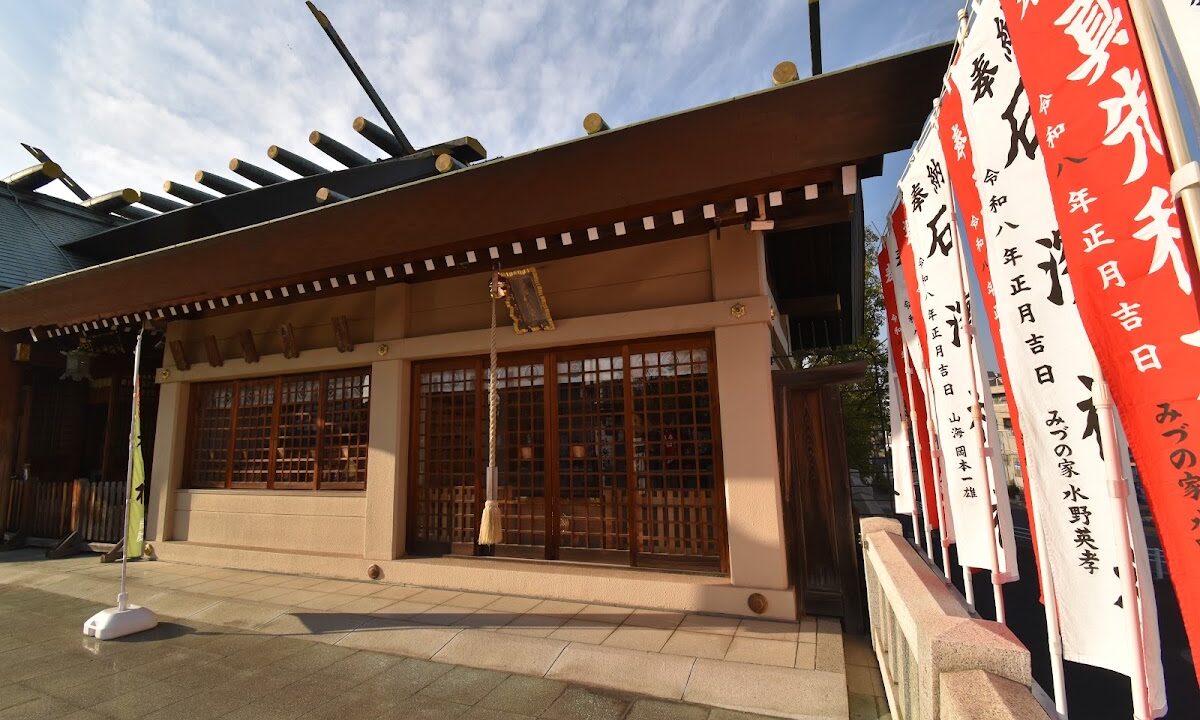
Masaki Inari Shrine (Arakawa Ward, Tokyo) Complete Guide | History, Benefits, and Access Explained in Detail
Masaki Inari Shrine, located within the grounds of Ishihama Shrine in Minami-Senju, Arakawa Ward, Tokyo, is a historical Inari shrine that attracted widespread devotion from commoners to samurai during the Edo period as a “popular deity.” Its auspicious name, meaning “the first to have your dreams fulfilled” and “the first to achieve military glory,” continues to attract worshippers seeking good fortune, success in competitions, and the fulfillment of wishes.
This article provides a thorough explanation of Masaki Inari Shrine, including its detailed history, benefits, highlights within the grounds, information on its Goshuin (shrine stamp), and access methods. It also includes useful information for those who wish to visit in conjunction with Ishihama Shrine.
What is Masaki Inari Shrine? | Basic Information and Overview
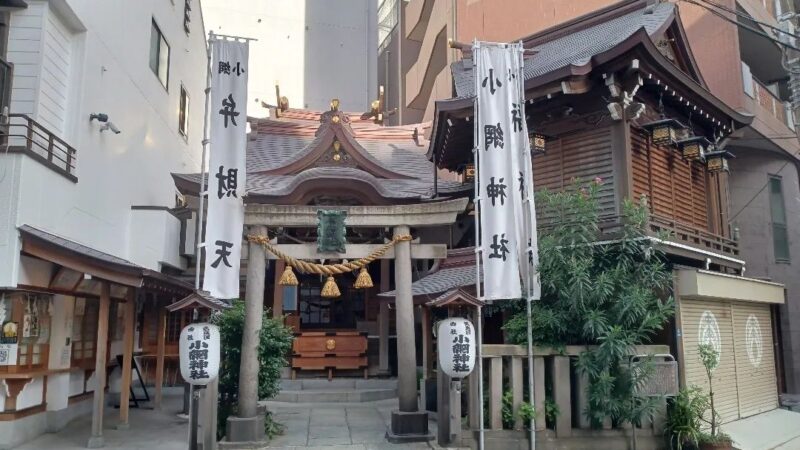
Masaki Inari Shrine is enshrined as a subsidiary shrine (shrine within the grounds) of Ishihama Shrine, located in Minami-Senju 3-chome, Arakawa Ward, Tokyo. It is also written as “Masaki Inari” or “Masaki Inari,” and in some regions, it has been called “Massaki Inari.”
Basic Data
- Official Name: Masaki Inari Shrine
- Other Names: Masaki Inari, Masaki Inari
- Location: 3-28-58 Minamisenju, Arakawa-ku, Tokyo (within the grounds of Ishihama Shrine)
- Shrine Rank: Subsidiary shrine of Ishihama Shrine
- Deity Enshrined: Ukanomitama-no-kami
- Founding Date: Tenbun era (1532-1555)
- Main Benefits: Good fortune, business prosperity, long-lasting military success, fulfillment of wishes, improved luck in competitions
Masaki Inari Shrine was once built independently, but due to the effects of the Great Kanto Earthquake and other events, it was relocated to its current location within the grounds of Ishihama Shrine in 1926 (Taisho 15). Currently, it is located to the right of the main hall of Ishihama Shrine, and it is common for worshippers to visit both Ishihama Shrine and Masaki Inari Shrine together.
History and Origins of Masaki Inari Shrine
Founded in the Sengoku Period | Enshrined by Chiba Moritane, Lord of Ishihama Castle
The founding of Masaki Inari Shrine dates back to the Tenbun era (1532-1555), during the Sengoku period. At that time, there was a castle called Ishihama Castle in this area, and it is said that Chiba Moritane, the lord of the castle, founded the shrine to pray for military success.
Chiba Moritane was a member of the Chiba clan, based in Shimosa Province (present-day Chiba Prefecture), and he defended a strategic point along the Sumida River from Ishihama Castle. In the Sengoku period, warlords devoutly worshipped Inari to pray for victory in battle, and Masaki Inari Shrine was founded as part of that faith.
The name “Masaki” embodies the meanings of “the first to charge into battle” and “the first to achieve victory,” reflecting a wish for lasting military fortune and victory in battle. This name later became the foundation for the shrine’s worship among common people as “the god whose wishes are granted first.”
Prosperity in the Edo Period | The Heyday as a Popular Deity
During the Edo period, Masaki Inari Shrine became widely worshipped not only among samurai but also among commoners. Especially from the mid to late Edo period, it was known as a “popular deity,” attracting many worshippers.
At that time, Masaki Inari Shrine was located on the east bank of the Sumida River, in the scenic area of what is now Minami-Senju, Arakawa Ward. The area along the Sumida River developed as a recreational area of Edo, and the area around Masaki Inari Shrine was a picturesque place known as “Masaki no Sato.”
The Masaki Inari Shrine is depicted in the Edo period geographical guide, “Edo Meisho Zue” (Illustrated Guide to Famous Places of Edo), and has been a subject of many ukiyo-e artists. Ukiyo-e prints by artists such as Utagawa Hiroshige depict the shrine’s red torii gate and the Sumida River, suggesting that it was a familiar place of worship and a popular leisure destination for the common people of Edo.
Changes Since the Modern Era | The Great Kanto Earthquake and Relocation to Ishihama Shrine
However, the modernization following the Meiji Restoration, and the Great Kanto Earthquake of 1923, caused significant damage to the Masaki Inari Shrine. Due to the fires caused by the earthquake and the subsequent reconstruction efforts, rebuilding at the original location became difficult, and in 1926, the shrine was relocated to the grounds of the nearby Ishihama Shrine.
Ishihama Shrine is an ancient shrine said to have been founded in 724, and is one of the oldest shrines in Arakawa Ward. Masaki Inari Shrine, enshrined within the grounds of Ishihama Shrine as a subsidiary shrine, has preserved its faith and history to the present day.
Even today, the belief that “wishes are granted first” dating back to the Edo period continues, and worshippers continue to flock to the shrine, praying for good fortune, success in competitions, and other endeavors.
Benefits and Power Spot of Masaki Inari Shrine
The Benefit of “Wishes Fulfilled First”
The greatest characteristic of Masaki Inari Shrine is the benefit derived from its name: “wishes are granted first.” Beginning with a samurai warrior praying for “military glory by being the first to charge,” during the Sengoku period, it was worshipped in the Edo period as a god that “grants all kinds of wishes first,” including business prosperity, career advancement, and romantic success.
Even today, many worshippers visit the shrine seeking the following benefits:
- Good Fortune and Prosperity: Guiding you in a positive direction during life’s turning points.
- Improved Luck in Competitions: Success in competitive situations such as exams, job hunting, and sports.
- Business Prosperity: Business success and increased sales.
- Fulfillment of Wishes: Realization of specific goals and dreams.
- Long-lasting Military Fortune: The strength to overcome difficulties and the mental fortitude to withstand adversity.
Benefits of Inari Worship
The deity enshrined at Masaki Inari Shrine, Ukanomitama-no-kami, is the god of food and grains, widely worshipped as Inari-sama. Believed to bring benefits such as abundant harvests, business prosperity, and industrial development, it has attracted the fervent faith of merchants and craftsmen since the Edo period.
The red torii gate and fox statues, symbols of Inari shrines, are considered sacred as divine messengers, and can be seen at Masaki Inari Shrine.
Synergistic Effects with Ishihama Shrine
Since Masaki Inari Shrine is located within the grounds of Ishihama Shrine, it is believed that visiting both shrines together with Ishihama Shrine to pray to Amaterasu Omikami, the enshrined deity of Ishihama Shrine, will bring even greater blessings.
Ishihama Shrine is an ancient shrine founded in 724 AD by the imperial decree of Emperor Shomu, and has a history of Minamoto no Yoritomo praying for victory during his campaign against the Oshu Fujiwara clan. The blessings of military fortune from both Ishihama Shrine, which attracted the faith of Kanto samurai, and Masaki Inari Shrine, founded by a Sengoku period warlord, are now revered as “the power to overcome difficulties” and “achieving goals.”
Highlights of Ishihama Shrine Grounds | Visiting Masaki Inari Shrine Together
Since Masaki Inari Shrine is located within the grounds of Ishihama Shrine, you can also enjoy the overall attractions of Ishihama Shrine when you visit.
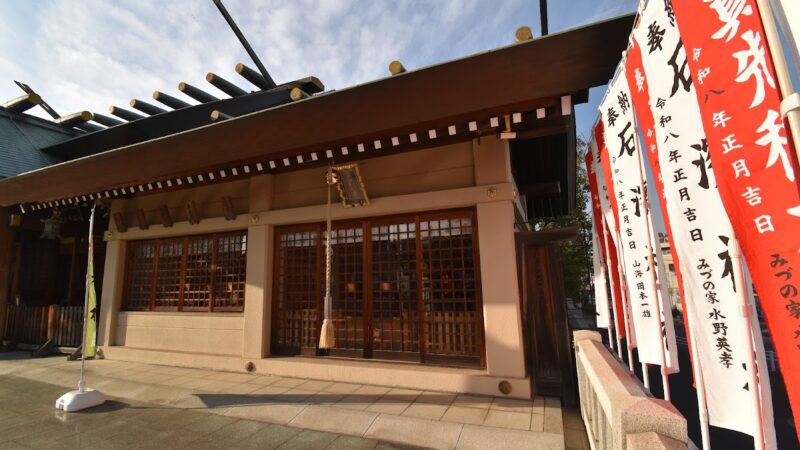
Ishihama Shrine Main Hall
The main hall of Ishihama Shrine is one of the oldest shrines in Arakawa Ward, dedicated to Amaterasu Omikami as its principal deity. It is said to have been founded in 724 AD (Shinki 1), boasting a history of nearly 1300 years. There is also a legend that Minamoto no Yoritomo prayed here for victory in battle, and in the Middle Ages, it was a major shrine revered by samurai of the Kanto region.
The current shrine building was rebuilt in modern times, but it still conveys the beauty of traditional shrine architecture.
Subsidiary Shrines | Dedicating Diverse Deities
Within the grounds of Ishihama Shrine, there are many subsidiary shrines in addition to the Masaki Inari Shrine.
- Oide Inari Shrine: Brings business prosperity and good fortune
- Edo Shrine: Guardian of Edo
- Kitano Shrine: Dedicated to Sugawara no Michizane, the god of learning
- Myogi Hachiman Shrine: God of military fortune and safe childbirth
- Awashima Suijin Shrine: God of water and matchmaking
- Daikuso Shrine: God of architecture and technology
By visiting these subsidiary shrines in order, you can receive a variety of blessings.
Fuji Remote Worship Site (Fuji Mound)
Within the grounds of Ishihama Shrine is a Fuji Mound called the Fuji Remote Worship Site (Fuji Remote Worship Site). This is a relic of the Fuji worship that was popular during the Edo period. It was believed that people who could not climb Mount Fuji could receive the same blessings as climbing Mount Fuji by climbing this mound.
A climbing path is maintained on the small hill made of piled-up stones, and from the top you can overlook the shrine grounds. Known as a place to worship Mount Fuji from afar, it is also a power spot for good fortune and prosperity.
Miyakodori Poetry Monument
Within the shrine grounds is a monument inscribed with the famous waka poem by Ariwara no Narihira, who appears in the Tales of Ise: “If you bear the name, then let me ask you, Miyakodori, whether the person I long for is still alive or not.” This monument, related to the Sumida River and the Miyakodori (black-headed gull), is a historical site of literary and cultural value.
Distinctive Ishihama Torii Gates
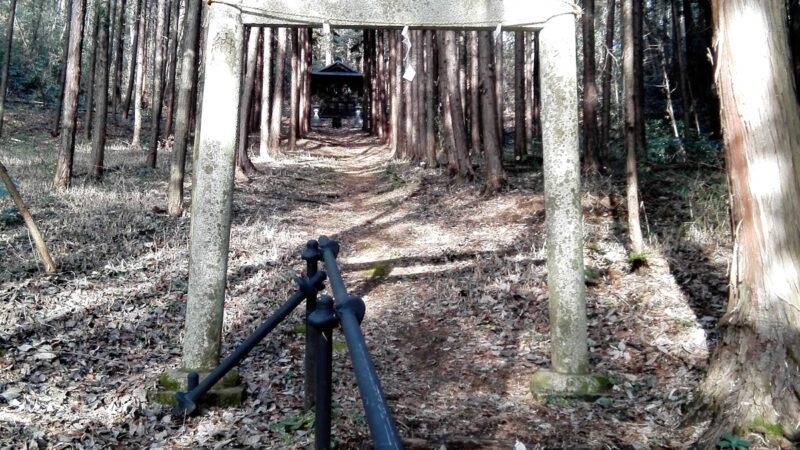
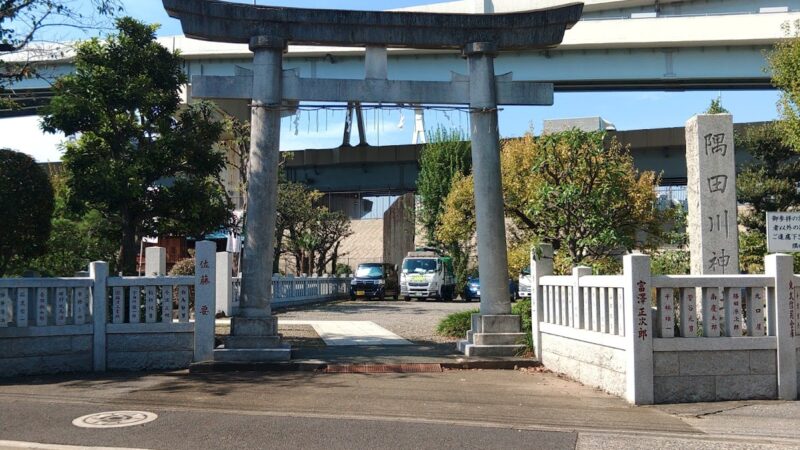
Two distinctive torii gates stand along the approach to Ishihama Shrine. These are called “Ishihama Torii” and are known for their unique shape and historical value. The beautiful torii gates, harmonizing with the scenery along the Sumida River, are a popular spot for photography.
Asakusa’s Seven Lucky Gods | Jurojin
Ishihama Shrine enshrines Jurojin, one of the “Asakusa’s Seven Lucky Gods.” Many visitors come as part of a pilgrimage to the Seven Lucky Gods, and the shrine is especially crowded during the New Year. Jurojin (the god of longevity) is believed to grant blessings of longevity and good health.
Information on the Goshuin (Shrine Seal) of Masaki Inari Shrine
About the Issuance of Goshuin
The goshuin of Masaki Inari Shrine is issued at the Ishihama Shrine office. In addition to the goshuin of the main Ishihama Shrine, a separate goshuin for Masaki Inari Shrine is available, and you can receive both.
- Location of Issuance: Ishihama Shrine Office
- Hours of Issuance: 9:00 AM – 5:00 PM (approximate)
- Donation Fee: Approximately 500 yen (subject to change)
Limited Edition Goshuin
Ishihama Shrine sometimes issues limited edition goshuin on special occasions, such as the 1300th anniversary of its founding. Special goshuin related to Masaki Inari Shrine may also be distributed, so it is recommended to check official information.
Goshuincho (Stamp Book)
Original goshuincho are also available, with several designs including one featuring the scenery of Ishihama Shrine and the Sumida River.
Manners and Etiquette for Visiting Shrines
Basic Visiting Etiquette
Visiting Masaki Inari Shrine should be done according to the following procedure.
- Bow before the Torii Gate: Before entering the shrine grounds, bow before the torii gate.
- Purify at the Water Basin: Purify your hands and mouth at the water basin of Ishihama Shrine.
- Visit the Main Hall of Ishihama Shrine: First, visit the main hall (two bows, two claps, one bow).
- Proceed to Masaki Inari Shrine: Proceed to the right of the main hall and visit Masaki Inari Shrine.
- Visit Other Subsidiary Shrines: If time permits, visit other subsidiary shrines.
- Exit the Shrine Grounds: Turn around and bow as you leave the torii gate.
Customs Specific to Inari Shrines
At Inari shrines, worship follows the same “two bows, two claps, one bow” custom as at other shrines. While there is a common misconception that the number of claps differs at Inari shrines, the standard custom is acceptable at Masaki Inari Shrine.
Offerings and Wishes
Masaki Inari Shrine is known as a shrine where wishes are granted first. When making a wish, it’s important to mentally state a specific and clear goal. Specific wishes, such as “I will pass the XX exam” or “I will make the XX business a success,” are more concrete than vague wishes, as they help clarify your own focus.
Access and Transportation Information
Access by Train
Masaki Inari Shrine (Ishihama Shrine) can be accessed from the following stations:
Nearest Station
Minami-Senju Station
- JR Joban Line
- Tokyo Metro Hibiya Line
- Tsukuba Express
It’s approximately a 15-minute walk from Minami-Senju Station. Exit the station and head southeast towards the Sumida River. After passing through the residential area, you will see the torii gate of Ishihama Shrine.
Other Accessible Stations
- Minowa Station (Tokyo Metro Hibiya Line): Approximately 20 minutes on foot
- Asakusa Station (Tokyo Metro Ginza Line, Toei Asakusa Line, Tobu Skytree Line): Approximately 25 minutes on foot
Access by Bus
If using the Toei Bus, the nearest bus stop is “Hashiba Nichome”.
- Toei Bus: Route 63 (Asakusa Kotobuki-cho – Ikebukuro Station East Exit)
- Get off at “Hashiba Nichome” and walk approximately 5 minutes.
Access by Car and Parking
Ishihama Shrine has a parking lot for visitors, but spaces are limited. There are coin-operated parking lots nearby, but using public transportation is recommended.
Address (for car navigation): 3-28-58 Minamisenju, Arakawa-ku, Tokyo
Nearby Tourist Attractions
The following tourist attractions are located near Masaki Inari Shrine and Ishihama Shrine.
- Sumida River Terrace: A promenade along the Sumida River, perfect for a stroll.
- Shioiri Park: A vast metropolitan park, offering a spectacular view of Tokyo Skytree.
- Susanoo Shrine: The guardian shrine of Minami-Senju, an ancient shrine founded in the Asuka period.
- Kozukahara Execution Ground Site: A historical site, home to Eko-in and Enmei-ji temples.
- Senso-ji Temple: A representative Tokyo tourist spot within walking distance.
Annual Events and Festivals
Main Events of Ishihama Shrine
Since Masaki Inari Shrine is a subsidiary shrine of Ishihama Shrine, it is recommended to visit in conjunction with Ishihama Shrine’s annual events.
- Hatsumode (January 1st-3rd): New Year’s visit, Asakusa’s famous Seven Lucky Gods pilgrimage
- Setsubun Festival (February 3rd): Bean scattering, prayer for protection against evil
- Annual Grand Festival (mid-September): Mikoshi procession, devotional performances
- Shichi-Go-San (November): Celebrating the growth of children
- Monthly Festival: Regular monthly festival
Hatsuumasai Festival
At Inari shrines, the Hatsuumasai Festival is generally held on the first day of the horse in February. At Masaki Inari Shrine, a special Shinto ritual may also be performed on this day. It is an important event for praying for business prosperity and a bountiful harvest.
Points to note when visiting Masaki Inari Shrine
Visiting Hours
While the grounds of Ishihama Shrine are generally open for free visits during the day, the shrine office is open from approximately 9:00 to 17:00. If you wish to receive a Goshuin (temple/shrine stamp) or other amulets, please visit during these hours.
Attire and Belongings
There are no specific dress code requirements, but please wear clean clothing appropriate for visiting a shrine. In summer, the sun is strong, so a hat or parasol is recommended.
Photography
Photography is generally permitted on the shrine grounds, but please refrain from taking photos inside the main hall or during Shinto rituals, or obtain permission beforehand. Remember to be considerate of other visitors.
Busy Seasons
The shrine is expected to be crowded during the New Year’s visit period (January 1st-3rd), the annual festival (mid-September), and the Seven Lucky Gods pilgrimage season (New Year’s). For a more relaxed visit, weekday mornings are recommended.
The Modern Significance of Masaki Inari Shrine
A Historical Space in the City
Minami-Senju in Arakawa Ward is an area that has developed as part of Tokyo’s downtown. In recent years, while redevelopment has progressed and high-rise condominiums have sprung up, historical shrines like Masaki Inari Shrine and Ishihama Shrine continue to preserve the region’s memory and traditions.
In modern urban life, these historical spaces are invaluable places that offer peace of mind and spiritual solace.
A Modern Interpretation of “Wishes Fulfilled First”
The blessing of Masaki Inari Shrine, which is said to grant wishes first, is now understood in a way that aligns with the needs of modern people, such as “achieving goals,” “first-mover advantage,” and “rapid success.”
In today’s highly competitive society, the phrase “first” holds significant meaning in various situations, such as business success, passing exams, and job hunting. Visiting Masaki Inari Shrine has taken on new meaning as a place of worship imbued with these modern wishes.
Summary | A Recommendation to Visit Masaki Inari Shrine
Masaki Inari Shrine is a hidden gem in Arakawa Ward, Tokyo, with a history of faith that continues from its founding in the Sengoku period to its prosperity as a popular deity in the Edo period and into the present day. Its blessing of “granting wishes first” has given hope and courage to many people across generations.
Located within the grounds of Ishihama Shrine, it is a very valuable pilgrimage spot where you can receive the divine blessings of both a 1300-year-old ancient shrine and an Inari shrine founded in the Sengoku period, all at once.
With its easy access (15 minutes on foot from Minami-Senju Station), scenic location along the Sumida River, and numerous subsidiary shrines and a place to worship Mount Fuji, you can enjoy a leisurely half-day visit and stroll.
When you are challenging yourself with a new goal, facing a turning point in your life, or simply want to escape the hustle and bustle of everyday life and find peace of mind, a visit to Masaki Inari Shrine will surely give you great strength. Please visit it at least once.