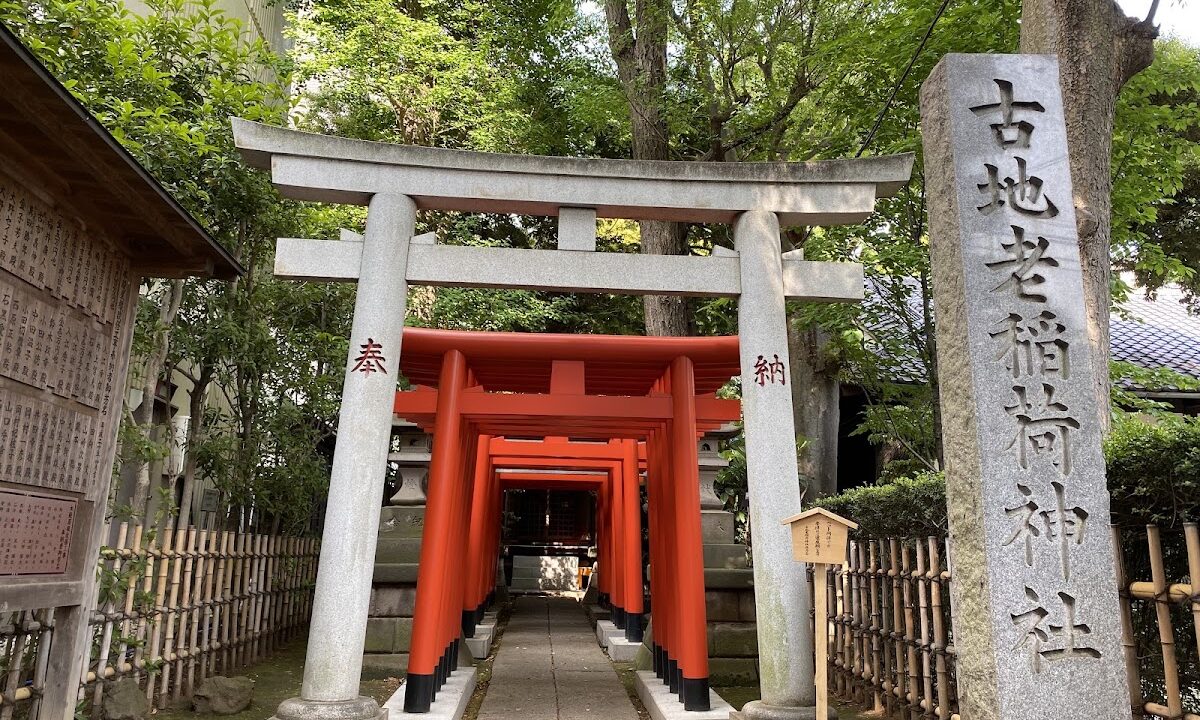
Complete Guide to Kojiro Inari Shrine (Minato Ward, Tokyo) | History, Benefits, and Access Information
Nearby nestled in a quiet residential area of Shirokanedai, Minato Ward, Tokyo, Kojiro Inari Shrine is an Inari shrine that has been revered by locals as a god of fire prevention since the Edo period. Known for its miraculous powers, having survived two major disasters—the Great Kanto Earthquake and the air raids of World War II—it continues to attract many worshippers.
This article comprehensively introduces all the information necessary for visiting Kojiro Inari Shrine, including its detailed history, benefits, highlights within the grounds, access methods, and nearby tourist attractions.
Basic Information on Koji-ro Inari Shrine
Location: 1-1-7 Shirokanedai, Minato-ku, Tokyo 108-0071
Nearest Station: Approximately 2 minutes on foot (approx. 177m) from Exit 2 of Shirokanedai Station on the Tokyo Metro Namboku Line and Toei Mita Line
Deity Enshrined: Ukanomitama-no-Mikoto
Founded: 1829 (Bunsei 12)
Shrine Rank: Unranked Shrine
Goshuin (Shrine Seal): None
Visiting Hours: Open all day (Shrine grounds are always open)
Parking: None (Use of nearby coin parking is required)
Koji-ro Inari Shrine is located next to Happoen, a well-known high-end wedding venue, and sits along a slope called Kuwahara-zaka. While the grounds are small, it is characterized by a tranquil atmosphere surrounded by trees.
History and Origins of Koji-ro Inari Shrine
Background of Founding: The Great Fire of Meiwa and Fire Prevention Beliefs
The founding of Koji-ro Inari Shrine is deeply connected to a major fire during the Edo period. On February 29, 1772 (Meiwa 9), a fire broke out at Daienji Temple on Meguro Gyōninzaka. This fire is known as the “Great Fire of Meiwa” (also known as the Meguro Gyōninzaka Fire), one of the three great fires of Edo.
Fueled by a southerly wind, this fire spread rapidly, causing immense damage to the area around present-day Shirokanedai in Minato Ward. While there are various theories regarding the number of deaths, it is said to range from several thousand to over ten thousand, and tens of thousands of houses were destroyed. This unprecedented disaster instilled deep anxiety and fear in the hearts of the local residents.
Founding during the Bunsei Era and Kojiro Inari Shrine
Approximately 60 years after the Great Fire of Meiwa, in Bunsei 12 (1829), a shrine called “Kojiro Inari” was established at Hiyoshizaka (a different location from the current one) to pray for protection from fire and the safety of the community. This is the predecessor of Kojiro Inari Shrine.
Inari worship was widely prevalent among the common people throughout the Edo period, and the worship of Inari as a god of fire prevention was particularly popular. Kojiro Inari Shrine can be said to have been born from the earnest wish of the community to prevent the memory of the Great Fire of Meiwa from fading and to ensure that a similar disaster never happens again.
Relocation during the Taisho Era and Move to the Current Location
Approximately 90 years after its founding, in Taisho 4 (1915), the shrine was relocated to its current location at 1-1-7 Shirokanedai, along Kuwaharazaka. While historical records are limited regarding the detailed circumstances of this relocation, it is believed to have been due to urban development and changes in the area.
Just eight years after this relocation, on September 1, 1923 (Taisho 12), the Great Kanto Earthquake struck. In this devastating disaster, which caused catastrophic damage primarily in Tokyo and Yokohama, Kojiro Inari Shrine miraculously escaped destruction by fire.
Miraculous Survival from War Damage
In 1945 (Showa 20), during the final stages of the Pacific War, the Minato Ward area was also heavily bombarded during the Tokyo air raids. The Shirokane area, in particular, was severely damaged in the May 25th air raid, but Kojiro Inari Shrine again escaped destruction by fire.
Having been protected from two major disasters—the Great Kanto Earthquake and the Pacific War—the fire-preventing power of Kojiro Inari Shrine became even more widely revered. This historical fact is still passed down today as an important characteristic of the shrine.
Legend of “Rain-Bringing Inari”
Kojiro Inari Shrine has an interesting legend: “It almost always rains on the shrine’s festival days.” This phenomenon sometimes leads to the shrine being called “Rainy Inari.”
The phenomenon of rain falling on a shrine revered as a god of fire prevention has been seen as a blessing of water to prevent fires and as evidence of the shrine’s miraculous powers. While no statistical verification has been conducted, it is an interesting legend passed down among the local people.
Deity and Blessings
Ukanomitama-no-Mikoto
The deity enshrined at Kojiro Inari Shrine is Ukanomitama-no-Mikoto. Ukanomitama-no-Mikoto is a god of grain and food appearing in the Kojiki and Nihon Shoki, and is widely worshipped throughout Japan as the principal deity of Inari shrines.
“Uka” means food, and “tama” represents spirit, so Ukanomitama-no-Mikoto has been worshipped as a god of abundant harvests, business prosperity, and industrial development. Inari worship has evolved beyond agriculture, strengthening its role as a guardian deity of all industries along with the development of commerce and industry.
Main Benefits
The main benefits you can pray for at Kochi-ro Inari Shrine are as follows:
Fire Prevention: As is clear from the shrine’s founding history, this is the most important benefit. Having survived the Great Kanto Earthquake and air raids, it is believed to have particularly strong fire-prevention powers.
Business Prosperity: This is a representative benefit of Inari shrines. Through the divine virtues of Ukanomitama-no-Mikoto, you can pray for the development of your business and the prosperity of your commerce.
Family Safety: It is believed to protect your home from fire and safeguard the health and safety of your family.
Abundant Harvest: Due to its original nature as a god of grain, it also attracts the faith of those involved in agriculture.
Protection from Misfortune and Disaster: It is worshipped as a god that protects against not only fire but all kinds of disasters.
Local residents often visit the shrine to pray for the health of their families and for business prosperity, and despite its small size, a deeply rooted local faith continues to this day.
Shrine Grounds and Highlights
Shrine Grounds Layout and Atmosphere
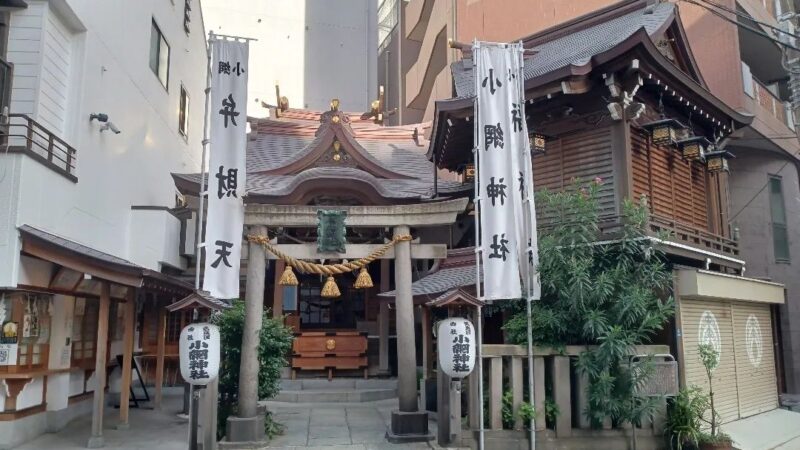
The grounds of Kojiro Inari Shrine are not particularly large, but they offer a quiet space far removed from the hustle and bustle of the city. Climbing the stone steps from the entrance facing Kuwahara Slope reveals a modest shrine building.
The grounds are surrounded by trees, with particularly impressive large trees such as zelkova and camphor trees. These trees may have survived the Great Kanto Earthquake and air raids, and can be said to have quietly watched over the history of the shrine.
Shrine Building
The current shrine building is thought to have been restored and renovated after the war, but it retains the traditional Inari architectural style. The shrine building, with its subdued colors rather than vermilion, blends seamlessly into the surrounding landscape.
Instead of guardian lions (komainu), stone statues of foxes, the divine messengers of Inari shrines, are placed in front of the shrine building. Foxes at Inari shrines are considered messengers of the gods and are believed to act as intermediaries, conveying the wishes of worshippers to the deities.
Torii Gate and Approach
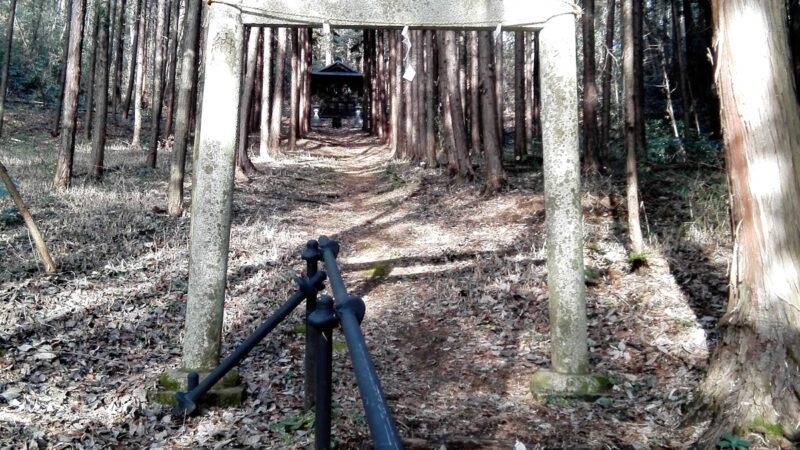
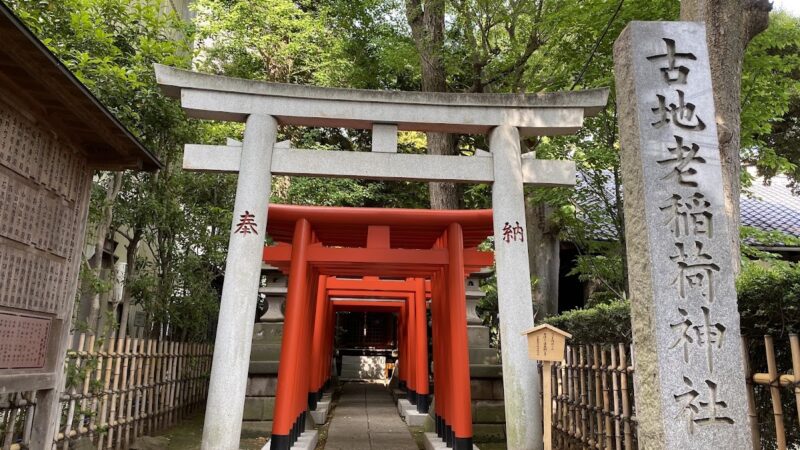
A stone torii gate stands at the entrance to the shrine grounds. Though small in scale, it is sturdily built and serves its purpose as the entrance to the sacred area.
The approach, though short, is paved with stone steps, creating a sense of transition from everyday space to a sacred space.
Shrine Grounds Maintenance
Despite being a small shrine, the grounds of Kojiro Inari Shrine are always kept clean. Regular cleaning and maintenance are carried out, reflecting the careful management by local residents and those involved.
The atmosphere of the shrine grounds changes with the seasons; in the seasons of fresh greenery and autumn leaves, the beauty of the trees adds color to the grounds.
How to Worship and Manners
Basic Worship Etiquette
Worship at Kochi-ro Inari Shrine follows the general etiquette for visiting shrines:
- Bow before passing through the torii gate: As a sign of respect before entering the sacred area, bow before the torii gate.
- Walking along the approach: The center of the approach is considered the path of the gods, so it is preferable to walk along the sides.
- Purification at the water basin: Kochi-ro Inari Shrine may not have a water basin, but if it does, purify your left hand, right hand, and mouth in that order.
- Worship at the main hall: The basic etiquette is two bows, two claps, and one bow.
- Bow deeply twice
- Clap your hands twice at chest height
- Pray with sincerity
- Finally, bow deeply once more
- When leaving: After leaving the torii gate, turn around and bow once.
Points to Note When Visiting
- Photography: Photography is generally permitted on the shrine grounds, but consideration for the interior of the shrine and other visitors is necessary.
- Quietness: As the shrine is located in a residential area, please refrain from loud conversations.
- Litter: If there are no trash cans on the grounds, please take your trash with you.
- Smoking: Smoking is prohibited on the shrine grounds.
About Goshuin (Shrine Seals)
Kochi-ro Inari Shrine does not offer Goshuin. Since there is no permanent shrine office, amulets and talismans are generally not available. Visitors should consider this shrine purely as a place for worship and prayer.
This may be disappointing for those collecting Goshuin, but this is also a characteristic of small, community-oriented shrines.
Access
Access by Train
Nearest Station: Shirokanedai Station (Tokyo Metro Namboku Line/Toei Mita Line)
The shrine is easily accessible, approximately a 2-minute walk from Exit 2 of Shirokanedai Station. Detailed Route:
- Exit from Exit 2 of Shirokanedai Station.
- Walk approximately 100m east along Meguro-dori (National Route 305).
- The shrine is located next to Happoen, along Kuwahara-zaka slope.
Other Accessible Stations:
- Approximately 12 minutes on foot from the East Exit of Meguro Station (JR Yamanote Line/Tokyu Meguro Line)
- Approximately 10 minutes on foot from Shirokane-Takanawa Station (Toei Asakusa Line/Tokyo Metro Namboku Line)
Access by Bus
The nearest bus stop is “Shirokanedai-ekimae” (Shirokanedai Station) on the Toei Bus/Tokyu Bus lines. It is located along Meguro-dori and is approximately a 2-minute walk from the shrine.
Available Bus Routes:
- Toei Bus: Route 97, Route 77, etc.
- Tokyu Bus: Route 72, etc.
Access by Car
Location: 1-1-7 Shirokanedai, Minato-ku, Tokyo
Approximately 5 minutes from the Tengenji Exit and approximately 7 minutes from the Meguro Exit of the Metropolitan Expressway Route 2 Meguro Line.
Parking Information:
There is no dedicated parking lot for the shrine. If visiting by car, you will need to use nearby coin-operated parking lots. There are several coin-operated parking lots around Shirokanedai Station and along Meguro Street.
Main Nearby Parking Lots:
- Times Shirokanedai
- Mitsui’s RePark Shirokanedai Station
- Other privately owned coin-operated parking lots
Access by Foot or Bicycle
The Shirokanedai and Shirokane-Takanawa area is hilly, but the area around Koji-ro Inari Shrine is relatively flat. It is recommended to visit as part of a walking course visiting other shrines, temples, and tourist spots in the area.
For cyclists, there is no bicycle parking space within the shrine grounds, so you will need to use a public bicycle parking area near Shirokanedai Station or find a nearby parking space.
Nearby Tourist Spots and Attractions
Around Kojiro Inari Shrine, there are many attractive spots unique to the Shirokanedai and Shirokane areas.
Happoen
Distance: Adjacent (less than 1 minute walk)
Located right next to Kojiro Inari Shrine, Happoen is a wedding venue and restaurant with a Japanese garden dating back to the Edo period. The beautiful garden, spread across approximately 10,000 tsubo (about 33,000 square meters), offers beautiful scenery throughout the seasons.
The garden is open to the public (with conditions such as restaurant patronage), and you can enjoy strolling through the pond-centered strolling garden. It’s a rare spot to quietly appreciate the garden when there are no weddings taking place.
National Museum of Nature and Science’s Natural Education Garden
Distance: Approximately 7 minutes on foot
Despite being in the heart of the city, this is a valuable green space where the nature of Musashino remains. The approximately 20-hectare grounds include forests, grasslands, and ponds, allowing visitors to observe flora and fauna throughout the seasons. While an entrance fee is required, it’s a popular spot to escape the hustle and bustle of the city and connect with nature.
Tokyo Metropolitan Teien Art Museum
Distance: Approximately 10 minutes on foot
This museum, housed in the former Asaka Imperial Residence, boasts Art Deco architecture that is itself a work of art. In addition to special exhibitions, visitors can enjoy tours of the building and gardens.
Hatakeyama Memorial Museum
Distance: Approximately 8 minutes on foot
This museum exhibits the collection of businessman Hatakeyama Kazukiyo. Visitors can appreciate Oriental art, primarily tea ceremony utensils, but also calligraphy, paintings, ceramics, and other artifacts. The gardens are also beautiful, offering a peaceful and relaxing experience.
Platinum Street
Distance: Approximately 5 minutes on foot
Platinum Street, connecting Shirokanedai Station and Shirokane-Takanawa Station, is a sophisticated street lined with beautiful trees. Stylish cafes, restaurants, and boutiques line the streets, making it perfect for a stroll.
Kakurinji Temple
Distance: Approximately 12 minutes on foot
This temple is affectionately known as “Seishoko.” It enshrines Kato Kiyomasa and is believed to bring good fortune in competitions and protection from evil. An antique market is also held on the first Sunday of every month.
Zuishoji Temple
Distance: Approximately 10 minutes on foot
This temple belongs to the Obaku sect and features a distinctive Chinese architectural style. Its tranquil grounds are like an oasis in the city.
Gourmet and Cafe Information Around Kojiro Inari Shrine
Here are some recommended restaurants in the area that you might want to visit after your pilgrimage.
Restaurants in Happoen Garden
Next to Kojiro Inari Shrine, within Happoen Garden, there are several restaurants. You can enjoy Japanese, French, and Chinese cuisine while overlooking the Japanese garden. Lunch offers relatively affordable courses, allowing you to enjoy a special time.
Cafes around Platinum Street
Stylish cafes are scattered along Platinum Street. From chain stores like Starbucks to unique independently owned cafes, you can choose according to your preference.
Shirokanedai Shopping Street
Around Shirokanedai Station, there is also a traditional shopping street with a friendly atmosphere and many restaurants. It is characterized by a large number of shops that can be used for everyday purposes, such as ramen shops, set meal restaurants, and izakayas (Japanese pubs).
Annual Events at Kojiro Inari Shrine
Because Kojiro Inari Shrine is a small shrine, it does not seem to hold large-scale festivals or annual events. However, as an Inari shrine, the number of visitors tends to increase during the following times:
Hatsuuma (First Horse Day)
The first Horse Day of February is the most important day for Inari shrines. Hatsuuma festivals are held at Inari shrines throughout Japan, attracting many visitors. Visitors can also be seen at Kojiro Inari Shrine on this day. ### First Shrine Visit of the New Year
During the New Year’s visit period (January 1st to 3rd, or the first three days of the New Year), local residents visit to pray for family safety and business prosperity.
Other Times to Visit
- Setsubun: Prayers for protection against evil and disaster
- Spring and Autumn Equinox: Prayers for ancestor worship
- Shichi-Go-San Festival: Prayers for the healthy growth of children
As this shrine is open for worship at any time, you can pray peacefully whenever you visit.
Recommended Time and Place to Visit Kochi-Oinari Shrine
Recommended Points by Season
Spring (March to May): The fresh greenery is beautiful, and the trees on the shrine grounds are budding. The weather is pleasant, making it ideal for strolling. During cherry blossom season, you can also enjoy the surrounding cherry tree-lined streets.
Summer (June-August): The trees in the temple grounds are covered in lush green, providing cool shade. Visiting on rainy days during the rainy season evokes the legend of “Amefuri Inari” (Rain-Bringing Inari).
Autumn (September-November): During the autumn foliage season, the trees in the temple grounds change color, creating a tranquil atmosphere for worship. The weather is pleasant, making it an ideal time for strolling around the area.
Winter (December-February): The period of Hatsumode (first shrine visit of the year) and Hatsuumai (first horse day of the year) has a special atmosphere. The air is clear, allowing for a peaceful visit.
Recommended Times
Early Morning (6:00-8:00): Fewer people, allowing for a quiet visit. Visiting in the refreshing morning air is exceptional.
Weekday Mornings (9:00-12:00): Relatively fewer people, allowing for a leisurely visit. You can also visit nearby tourist spots before they get crowded.
Evening (4:00 PM – 6:00 PM): Visiting after work is also possible. The shrine grounds have a unique atmosphere at dusk.
Shirokanedai Walking Course Including Koji-ro Inari Shrine
We suggest a half-day walking course starting from Koji-ro Inari Shrine.
Morning Start Course (Duration: Approx. 3-4 hours)
- Shirokanedai Station (9:30)
↓ 2-minute walk
- Kochi-ro Inari Shrine (9:35-9:50)
Worship and stroll around the grounds
↓ 1-minute walk
- Happoen Garden (10:00-11:00)
Stroll through the garden
↓ 7-minute walk
- National Institute for Nature Education (11:10-12:30)
Nature observation and stroll
↓ 5-minute walk
- Lunch around Platinum Street (12:40-14:00)
Afternoon Start Course (Duration: Approx. 3 hours)
- Shirokanedai Station (14:00)
↓ 2-minute walk
- Kochi-ro Inari Shrine (14:05-14:20)
Shrine Visit
↓ 10-minute walk
- Tokyo Metropolitan Teien Art Museum (14:30-16:00)
Exhibition Viewing & Garden Stroll
↓ 8-minute walk
- Cafe Time on Platinum Street (16:10-17:00)
Frequently Asked Questions about Visiting Koji-ro Inari Shrine
Q: Can I get a Goshuin (shrine stamp)?
A: Koji-ro Inari Shrine does not issue Goshuin. This is because there is no permanently staffed shrine office.
Q: Can I purchase amulets or talismans?
A: As there is no permanently staffed shrine office, amulets and talismans are generally not available for purchase.
Q: Are there any restrictions on visiting hours?
A: The shrine grounds are always open, and you can visit throughout the day. However, as it is located in a residential area, please be mindful of quietness when visiting in the early morning or late at night.
Q: Is there parking available?
A: There is no dedicated parking lot for the shrine. If you are visiting by car, please use the nearby coin-operated parking lots.
Q: Do you accept wedding ceremonies or prayers?
A: As it is a small shrine, it does not appear that wedding ceremonies or formal prayers are held here. It is primarily for individual worship and prayers.
Q: Is photography allowed?
A: Photography is generally permitted on the shrine grounds, but please be considerate of other worshippers and take photos with moderation.
Q: Are pets allowed?
A: While there are no clear regulations, as a general rule for shrines, it is best to carry your pet or refrain from bringing them onto the grounds.
Q: Is it wheelchair accessible?
A: As it is a small shrine with stone steps on the grounds, wheelchair access may be difficult. Prior confirmation is recommended.
Summary: The Charm of Kojiro Inari Shrine
Kojiro Inari Shrine is an Inari shrine that maintains a quiet and peaceful atmosphere despite being located in a prime location in the heart of Tokyo, Shirokanedai, Minato Ward. Its greatest feature is its miraculous power as a “fire-preventing god,” having been founded after the Great Fire of Meiwa in the Edo period and having survived two major disasters: the Great Kanto Earthquake and the air raids of World War II.
While small in scale and not offering Goshuin (shrine stamps), it has remained unspoiled by tourism, preserving its tranquility as a place of worship. The grounds, cherished and carefully maintained by the local community, offer peace and tranquility to visitors.
Its excellent accessibility, just a 2-minute walk from Shirokanedai Station, is another attractive feature. Combining it with nearby tourist spots such as Happoen Garden, the National Garden for Nature Education, and the Tokyo Metropolitan Teien Art Museum will allow you to enjoy a more fulfilling Tokyo sightseeing experience.
For those seeking blessings closely related to daily life, such as protection from fire, business prosperity, and family safety; for those who want to experience the atmosphere of a small, historic shrine; and for those who want to stop by during a stroll through the Shirokanedai area, Koji-ro Inari Shrine is a recommended spot.
Escape the hustle and bustle of the city and spend time quietly offering prayers at this place of worship that has continued since the Edo period. It will bring precious peace to your busy modern life. Please do visit Koji-ro Inari Shrine at least once.