Negahara Shrine (Ota Ward, Tokyo) Complete Guide | A Historic Sanno Shrine Affectionately Known as “Dairokuten-sama”
Negahara Shrine, located in Sanno, Ota Ward, Tokyo, is a historic shrine affectionately known as “Dairokuten-sama” by the local people. Its quiet grounds, facing the Loop Route 7, offer a tranquil atmosphere that makes you forget the hustle and bustle of the city. It continues to welcome many worshippers as a center of local faith.
This article provides detailed information you should know before visiting Negahara Shrine, including its history, the origin of its enshrined deities, highlights of the grounds, and access methods.
Basic Information about Negahara Shrine
Location: 3-15-23 Sanno, Ota-ku, Tokyo 143-0023
Deities Enshrined:
- Omodaru-no-Mikoto
- Kashikone-no-Mikoto
Annual Festival: Mid-April
Former Name: Rokuten-sha
Nearest Station: 5-minute walk from the “Omori Post Office” bus stop (accessible by bus from JR Keihin-Tohoku Line “Omori Station”), or approximately 15-minute walk from Omori Station.
Negahara Shrine is located at 139°43’27.14″E and 35°34’44.79″N, facing the Loop Route 7. Despite being located in the residential area of Sanno, Ota-ku, it maintains a tranquil atmosphere and is cherished by local residents.
History and Origins of Negahara Shrine
Origin as a Rokuten Shrine
Negahara Shrine was formerly known as “Rokuten Shrine.” Rokuten is a name derived from the Sixth Heaven Demon King in Buddhism, and during the era of syncretism of Shinto and Buddhism, shrines dedicated to Rokuten existed throughout Japan.
Rokuten shrines were a particularly common form of worship in the Kanto region and were widely revered among common people during the Edo period. Due to the Meiji-era separation of Shinto and Buddhism, many Rokuten shrines changed their enshrined deities and their names. It is believed that Negahara Shrine adopted its current name around this time.
Origin of the Place Name “Negahara”
While detailed records of the place name “Negahara” are not available, it is suggested that it may be related to the old topography and vegetation of this area. One theory suggests that this region, once located at the southern edge of the Musashino Plateau, was called “Negahara” because it was a wilderness where tree roots spread.
Changes Since the Meiji Era
Due to the Meiji-era policy of separating Shinto and Buddhism, Rokuten-sha Shrine was reorganized as a shrine dedicated to Omodaru-no-Mikoto and Kashikone-no-Mikoto. These deities are among the seven gods of the Age of the Gods, appearing in the Kojiki and Nihon Shoki, and are considered important deities involved in the formation of the land.
Throughout the Showa period, Negahara Shrine served as the tutelary shrine of the Sanno area of Ota Ward, becoming a spiritual pillar of the local community. While damage from wartime destruction is recorded, it was restored through the efforts of local residents and continues to thrive today.
About the Deities
Omodaru-no-Mikoto
Omodaru-no-Mikoto is the sixth god of the seven generations of the Age of the Gods in Japanese mythology. “Omodaru” means “having a well-proportioned face” or “being perfect,” and the deity is considered to symbolize the process of the land and the world approaching completion.
Kashikone-no-Mikoto
Kashikone-no-Mikoto is a goddess who forms a pair with Omodaru-no-Mikoto, and is also one of the seven gods of the Age of the Gods. “Kashikone” means “awe-inspiring origin,” and is said to represent the fundamental power of all things.
These two deities are often worshipped as a married couple, and are believed to bestow blessings such as national stability, family safety, and marital harmony. At Negahara Shrine, these two deities are enshrined, and the shrine serves as a place to pray for the peace and prosperity of the region.
Highlights of the Shrine Grounds
Shrine Buildings
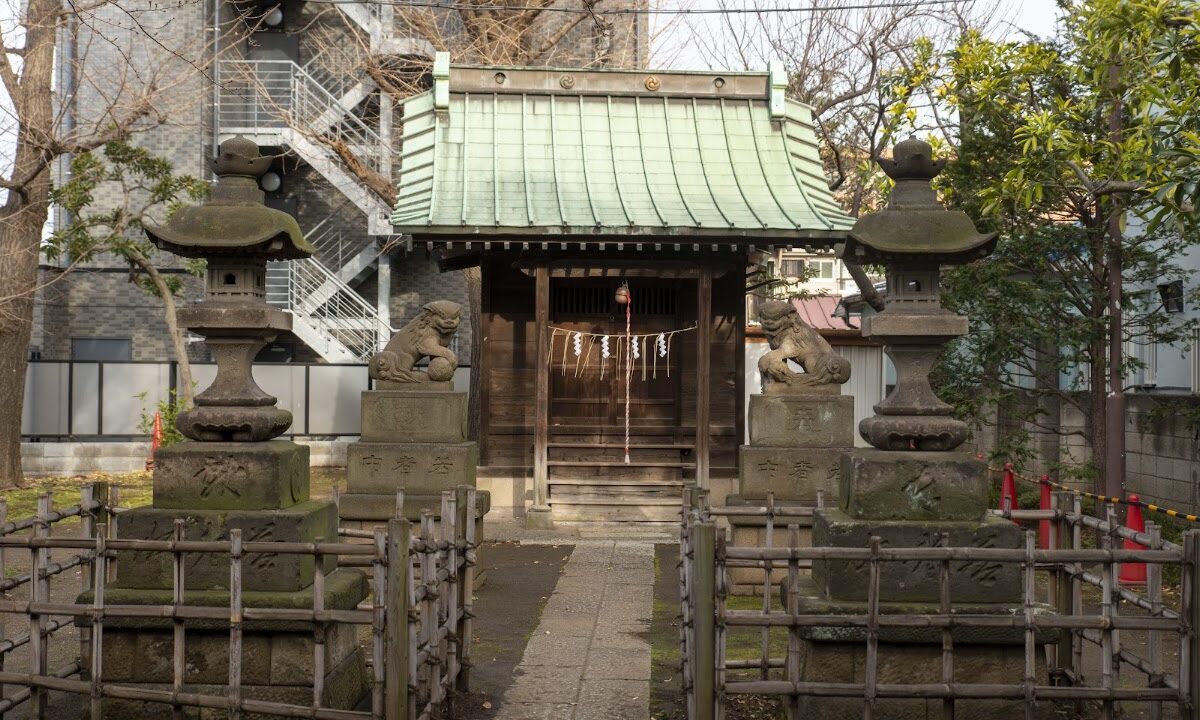
The shrine buildings of Negahara Shrine are simple yet exude a sense of dignity. The main hall is protected by a protective structure, and the worship hall is a place where worshippers offer their daily gratitude and prayers.
A donation box is placed in front of the shrine, and a shimenawa (sacred rope) is stretched above it. The entire shrine grounds are kept clean, reflecting the respect the local people have for the shrine.
Torii Gate and Approach
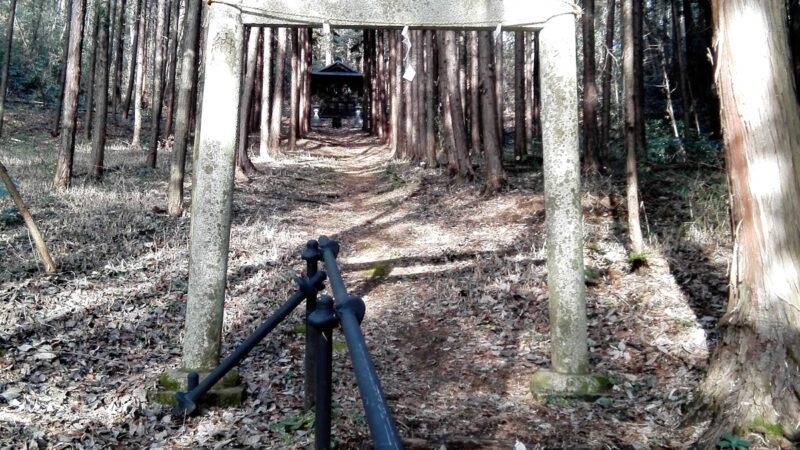
The torii gate, facing the Loop Route 7, welcomes visitors to Negahara Shrine as its entrance. Passing through the gate, one enters a quiet space far removed from the hustle and bustle of the city.
The approach, though short, is appropriately maintained as an entrance to the sacred grounds, with stone lanterns and other markers on both sides.
Subsidiary Shrines and Stone Monuments
Besides the main shrine, several small subsidiary shrines and monuments are scattered throughout the grounds. These are valuable historical materials that tell the story of the shrine’s history and its connection to the local community.
Stone monuments recording local history and donated memorials suggest that this shrine has been cherished by local residents for many years.
Sacred Trees and Nature
Several ancient trees stand within the grounds, maintaining a lush green environment despite its urban location. These trees, living witnesses to the shrine’s history, add a solemn atmosphere to the grounds.
Annual Events and Festivals
Grand Festival (Mid-April)
The most important festival at Negahara Shrine is the Grand Festival, held annually in mid-April. During this festival, a portable shrine procession and offerings by local residents take place, enveloping the entire Sanno area in a festive atmosphere.
The Grand Festival is also an opportunity to reaffirm the unity of the local community and serves as a place for intergenerational exchange.
New Year’s Visit
Many local residents visit the shrine for their first shrine visit of the new year. Though small, it is a beloved place for quietly offering prayers for the new year, deeply rooted in the community.
Daily Visits
Even on days other than the Grand Festival, local residents can be seen visiting the shrine in the mornings and evenings as part of their daily walks. The fact that the shrine is within easy reach for daily visits is one of Negahara Shrine’s greatest charms.
Access Methods
Access by Train and Bus
From JR Keihin-Tohoku Line “Omori Station”:
- By Bus: Take the Keihin Kyuko Bus from the east exit of Omori Station, get off at the “Omori Post Office” bus stop, and walk for approximately 5 minutes.
- On Foot: Walk for approximately 15 minutes from the east exit of Omori Station towards Loop Route 7.
From Tokyu Ikegami Line “Ikegami Station”:
- Approximately 20 minutes on foot, or you can use a local bus.
Access by Car
Located along Loop Route 7, it is easily accessible by car. However, since dedicated parking is limited, we recommend using nearby coin-operated parking lots.
Address: 3-15-23 Sanno, Ota-ku, Tokyo (when setting on car navigation)
Nearby Landmarks
- Along Loop Route 7
- Within walking distance of Omori Post Office
- In the residential area of Sanno
Manners and Points for Visiting the Shrine
Basic Worship Etiquette
- Bow before passing through the torii gate: As a courtesy before entering the sacred area
- Avoid walking in the center of the approach: The center is considered the path of the gods
- Purify yourself at the water basin: If there is a water basin, purify your hands and mouth
- Etiquette at the main hall: Two bows, two claps, and one bow is the basic procedure
Regarding Photography
Photography is generally permitted on the shrine grounds, but please note the following:
- Refrain from photographing sacred areas such as the interior of the main hall
- Be considerate of other worshippers
- Refrain from photography during religious ceremonies, or obtain permission
Regarding Goshuin (temple/shrine stamps):
Regarding the issuance of Goshuin at Negahara Shrine, it is recommended to check in advance, as there may not always be a resident priest. Shrines within Ota Ward belong to the Ota Branch of the Tokyo Metropolitan Shrine Association, and information can be obtained through their contact information.
Nearby Attractions
Historical Walks in the Omori Area
Near Negahara Shrine, there are several spots where you can experience the history of the Omori area.
Omori Shell Mound: A historical site known as the birthplace of Japanese archaeology.
Ikegami Honmonji Temple: A head temple of the Nichiren sect, also famous for its cherry blossoms.
Magome Literary Village: An area where many literary figures once resided.
Shopping Streets and Local Culture
A lively shopping street spreads around Omori Station, offering a glimpse into the old downtown atmosphere. Enjoying the local atmosphere before or after your visit to the shrine is highly recommended.
The Charm of Negahara Shrine
A Place of Worship Rooted in the Community
The greatest charm of Negahara Shrine lies in its role as a “guardian deity” deeply connected to the local community. Unlike large-scale tourist shrines, it functions as a familiar place of worship visited daily by local residents.
The Historical Value of the Rokuten Faith
Its history as a Rokuten Shrine, attracting many worshippers, is a valuable trace of popular faith that has continued since the Edo period. Its history, which has evolved through the major transformation of the separation of Shinto and Buddhism, is an interesting theme when considering the history of religion in Japan.
Tranquility in the City
Despite being located along the main road, Loop Route 7, stepping into the shrine grounds reveals a tranquil space. This characteristic of a “sanctuary in the city” makes it a valuable place of healing for modern people.
Precautions When Visiting
Visiting Hours
Negahara Shrine is generally open for worship throughout the day, but consideration for surrounding residents is necessary when visiting early in the morning or late at night. Visiting during the daytime is recommended.
Manners on the Shrine Grounds
- Worship quietly
- Take your trash with you
- Refrain from eating or drinking on the shrine grounds
- Be considerate of others if you bring a pet
Participation in Festivals
If you wish to participate in festivals such as the annual grand festival, it is recommended that you inquire in advance with the local neighborhood association or shrine officials. Participants from outside the area are welcome, but it is important to respect local traditions.
Shrine Culture in Ota Ward and Negahara Shrine
Many shrines are scattered throughout Ota Ward, each conveying the history and culture of the region. Negahara Shrine is one of them, and has been a spiritual pillar of the Sanno area.
Shrines in Ota Ward are overseen by the Ota Branch of the Tokyo Metropolitan Shrine Association, which strives to preserve and pass on the local shrine culture. By visiting Negahara Shrine, you can experience the traditional faith culture that thrives in Tokyo’s downtown area.
Summary
Negahara Shrine is a historical shrine located in Sanno, Ota Ward, Tokyo. Formerly known as the Rokuten-sha Shrine, it is now a beloved local shrine dedicated to Omotari-no-Mikoto and Kashikone-no-Mikoto.
Despite its urban location along the Loop Route 7, the shrine grounds maintain a quiet and peaceful atmosphere, serving as a place of daily worship for local residents. Unlike large-scale tourist shrines, Negahara Shrine’s charm lies in its deep roots as a “guardian deity” shrine.
Easily accessible from JR Omori Station, it’s a must-visit when in Ota Ward. You’ll be able to experience the region’s history, culture, and the continuing faith of the area.
The annual festival, held in mid-April, offers a valuable opportunity to experience local traditions. Both the quiet daily visits and the lively festival offer different charms of Negahara Shrine.
For those interested in Tokyo’s downtown culture and shrine worship, and those seeking a community-based shrine, Negahara Shrine is highly recommended. It will continue to be a precious place for peaceful worship, away from the hustle and bustle of the city, and will undoubtedly continue to walk alongside the local community for years to come.