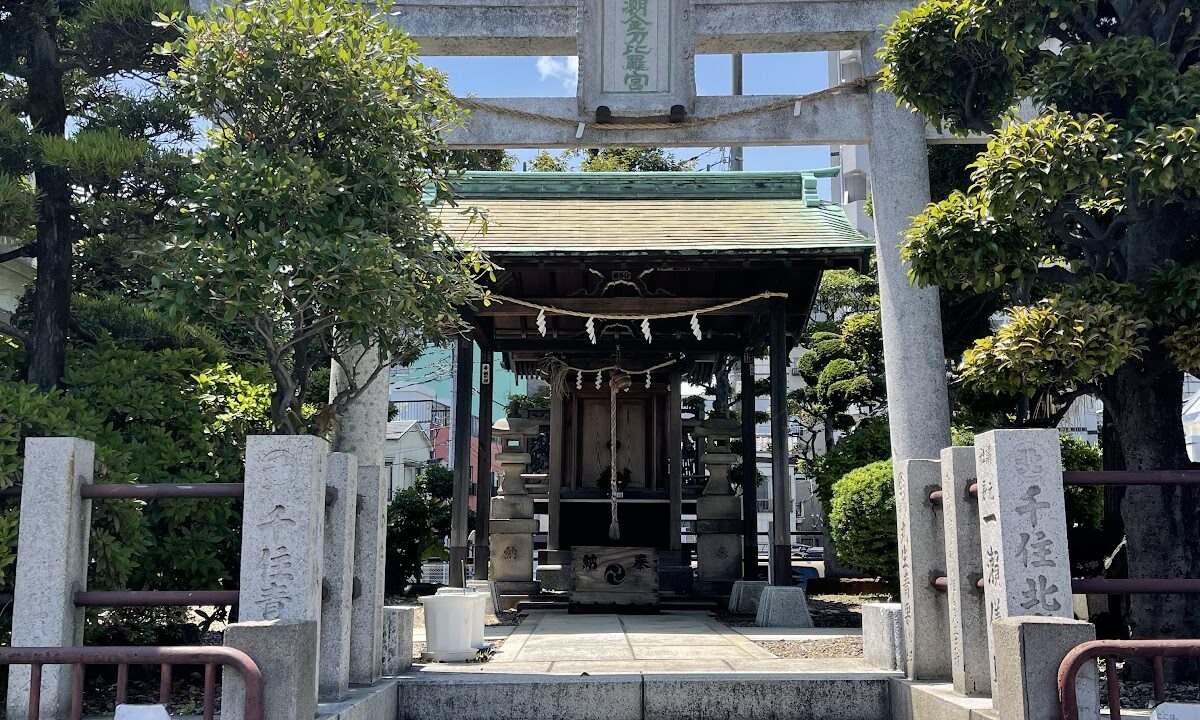
Complete Guide to Chishio Kotohira Shrine (Adachi Ward, Tokyo) | History, Goshuin (Shrine Seal), and Access Information
Chishio Kotohira Shrine, located in Senju Hashido-cho, Adachi Ward, Tokyo, is a historic shrine that has been revered by the local people since ancient times. This article provides detailed information useful for visiting Chishio Kotohira Shrine, including its history, highlights within the grounds, goshuin information, and access methods.
Overview of Chishio Kotohira Shrine
Chishio Kotohira Shrine is located at 53 Senju Hashido-cho, Adachi Ward, and is approximately a 6-minute walk from Senju Ohashi Station on the Keisei Main Line. While the exact founding date is unknown, it is said to have been worshipped as Kotohira Shrine since ancient times.
Basic Information
Address: 53 Senju Hashido-cho, Adachi-ku, Tokyo
Nearest Station:
- Approximately 6 minutes on foot from Senju Ohashi Station on the Keisei Main Line
- Approximately 15 minutes on foot from Kita-Senju Station on the Tokyo Metro Chiyoda Line
Deities Enshrined:
- Main Deity: Ōmononushi-no-kami
- Enshrined Deity: Ukanomitama-no-mikoto
Shrine Rank: Unranked Shrine
History and Origins of Chishio Kotohira Shrine
Kotohira Faith from Ancient Times
The founding date of Chishio Kotohira Shrine is unknown as there are no clear records, but it is said that it has been enshrined as Kotohira Shrine in this area since ancient times. Kotohira faith originated at Kotohira Shrine in Sanuki Province (present-day Kagawa Prefecture) and spread throughout Japan as a deity of maritime safety and business prosperity.
Senju flourished as a transportation hub along the Sumida River, and it is believed to have attracted the faith of people involved in water transport and merchants. The main shrine enshrines Ōmononushi-no-kami, a central deity of Kotohira worship.
Merger with Chishio Inari Shrine
In 1966 (Showa 41), a significant turning point occurred in the history of Chishio Kotohira Shrine. Chishio Inari Shrine, which had been enshrined within the Adachi Market, was merged with Chishio Kotohira Shrine.
This merger meant that, in addition to Ōmononushi-no-kami, the main deity of Kotohira Shrine, Ukanomitama-no-mikoto, a deity of Inari worship, was also enshrined alongside. Ukanomitama-no-mikoto is known as the god of grain and business prosperity, and was a deity revered by those involved in market operations.
This merger during the Showa era unified local faiths and strengthened the shrine’s role in accepting the wishes of a wider range of people.
History of Chishio Kotohira Shrine according to the Tokyo Metropolitan Shrine Directory
The Tokyo Metropolitan Shrine Directory contains the following information about Chishio Kotohira Shrine:
While the exact founding date is unknown, it is noted that the shrine has been worshipped as Kotohira Shrine since ancient times, and that in 1966 (Showa 41), the Chishio Inari Shrine within the Adachi Market was merged with it. This record indicates that Chishio Kotohira Shrine is a shrine that has walked hand in hand with the history of the region.
History and Shrines of the Senju Area
Senju flourished as the first post town on the Nikko Kaido during the Edo period. As a crossing point on the Sumida River, it was a transportation hub, and many travelers and merchants passed through. Given this regional characteristic, it is believed that the Kotohira faith, praying for safe travels and business prosperity, took root here.
Senju Hashido-cho is located along the Sumida River and was a region deeply connected to water transport. Considering that Kotohira Shrine has been worshipped as a deity of maritime safety and protection from water-related disasters, this location is highly significant.
Highlights of the Shrine Grounds
Main Hall and Shrine Architecture
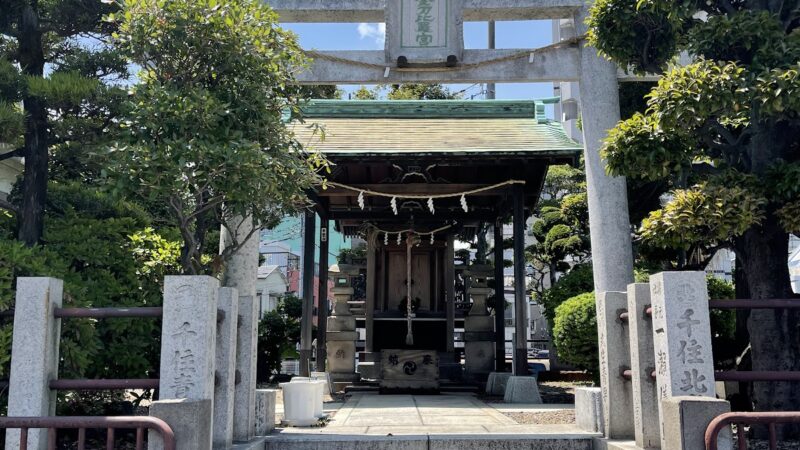
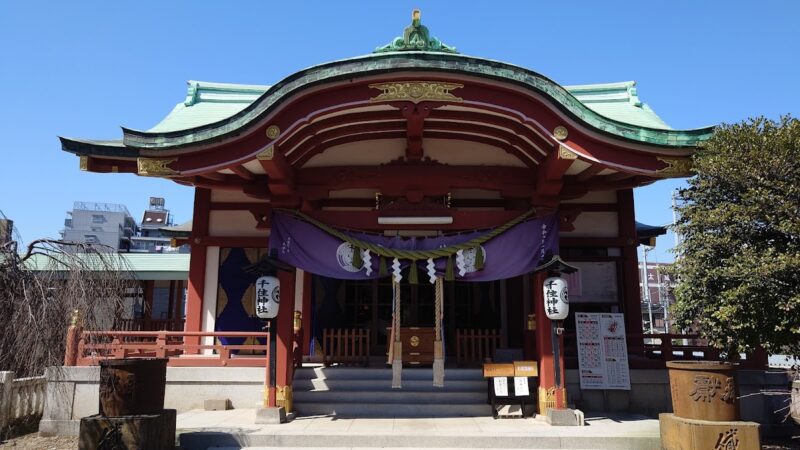
The main hall of Chishio Kotohira Shrine is a simple yet charming example of shrine architecture. Located in the increasingly urbanized Adachi Ward, the shrine grounds maintain a tranquil atmosphere, offering visitors a peaceful experience.
The main hall enshrines the principal deity, Omononushi-no-kami, and, as a secondary deity, Ukanomitama-no-mikoto. The coexistence of Kotohira and Inari worship in a single shrine reflects the history of the combined enshrinement in 1966 (Showa 41).
Subsidiary Shrines and Stone Monuments
Within the shrine grounds are stone monuments and offerings that tell the story of its long history. These demonstrate the deep faith of the local people and are evidence of the faith that has been preserved in this land since ancient times.
The shrine grounds are not particularly vast, but they are meticulously maintained, giving a warm feeling of a shrine deeply rooted in the community.
Festivals and Annual Events
Chishio Kotohira Shrine holds various festivals throughout the year. Especially during the annual grand festival, local parishioners and devotees gather for traditional ceremonies.
The festival day for Kotohira shrines is generally considered to be October 10th, and it is possible that important events are held at Chishio Kotohira Shrine around this time.
Goshuin (Shrine Seals) and Visiting Information
About Goshuin
It is recommended to check in advance regarding the issuance of goshuin at Chishio Kotohira Shrine. Because it is a small shrine, there may not always be a resident priest. Those wishing to receive a goshuin should inquire before visiting or obtain information from nearby shrines.
Etiquette for Visiting a Shrine
Please observe basic shrine etiquette when visiting a shrine:
- Bow before passing through the torii gate
- Cleanse your hands and mouth at the water basin
- Bow twice, clap twice, and bow once in front of the main hall
- Walk quietly around the shrine grounds
- Bow once again at the torii gate when leaving
Suitable Time to Visit
Since Chishio Kotohira Shrine is located in a residential area, we recommend visiting during daylight hours, from early morning to evening. For those who wish to visit in a quiet environment, weekday mornings are relatively less crowded and peaceful.
Access Methods
Access by Train
Using the Keisei Main Line:
- Get off at Senju-Ohashi Station, approximately 6 minutes on foot (approximately 280m in a straight line)
- Head northwest from the station towards the Sumida River
Using the Tokyo Metro Chiyoda Line:
- Get off at Kita-Senju Station, approximately 15 minutes on foot
- Head towards the Sumida River from the west exit
Using the JR Joban Line:
- Get off at Kita-Senju Station, approximately 15 minutes on foot
Access by Bus
You can also use the Adachi Ward Community Bus “Harukaze” or Toei Bus. The nearest bus stop is a few minutes’ walk away.
Access by Car
Approximately 10 minutes from the Mukojima Exit of the Metropolitan Expressway Route 6 Mukojima Line. However, there is a high possibility that there is no dedicated parking lot on the temple grounds, so we recommend using nearby coin parking or public transportation.
Landmarks in the Surrounding Area
- Senju Hashido-cho district along the Sumida River
- Conveniently located near Senju Ohashi Bridge
- Situated within a residential area
Nearby Shrines and Temples
Senju Shrine
Senju Shrine, known as the guardian shrine of Senju, is within walking distance of Senshio Kotohira Shrine. A historical shrine said to have been founded by Minamoto no Yoritomo, it is one of the representative shrines of the Senju area.
Susanoo Shrine
Susanoo Shrine, located in Minami-Senju, Arakawa Ward, is also an important shrine in the Senju area. Affectionately known as “Tenno-sama,” it is also known for its natural monument, the Zuikoseki stone.
Shosenji Temple
Many temples are scattered throughout the Senju area. The temple district of Senju, including Shosenji Temple, preserves its history from the Edo period.
History and Culture of Senju Hashido-cho
Senju’s Post Town Culture
Senju flourished greatly during the Edo period as the first post town on the Nikko Kaido road. It has a history of being bustling with travelers, with numerous wholesale markets, main inns, and lodging houses lining the streets. Senju Hashido-cho, where the Senshio Kotohira Shrine is located, is also an area influenced by this post town culture.
Sumida River and Water Transport
Senju Hashido-cho is located along the Sumida River and was a key point for water transport. It functioned as a collection point for goods connecting Edo and northern Kanto, and many wharves were established. Considering that Kotohira worship has been revered as the god of safety on water, the reason why the Kotohira Shrine was enshrined in this area becomes clear.
Relationship with Adachi Market
The Senshio Inari Shrine, which was merged with Adachi Market in 1966, was enshrined within the Adachi Market. Adachi Market functioned as a commercial center in the region, and the fact that the Inari shrine, which was revered by market workers, was merged with Kotohira-gu Shrine demonstrates the connection between local commerce and faith.
About Kotohira Faith
The Head Shrine of Kotohira-gu Shrine
The head shrine of Kotohira faith is Kotohira-gu Shrine (Konpira-san), located in Kotohira-cho, Nakatado-gun, Kagawa Prefecture. It has been worshipped since ancient times as the guardian deity of maritime traffic, and branch shrines and kansei shrines have spread throughout Japan.
Kotohira-gu Shrines in Tokyo
There are several Kotohira-gu shrines in Tokyo:
Kotohira-gu Tokyo Branch Shrine (Bunkyo-ku): Located near Suidobashi Station, it is affectionately known as “Suidobashi no Konpira-san.” The shrine received a donation of land from the Matsudaira family in 1956 and was relocated and rebuilt in 1964.
Toranomon Kotohira Shrine (Minato Ward):
This shrine was established in 1660 (Manji 3) by Kyogoku Takakazu, the lord of the Marugame Domain in Sanuki Province, at his Edo residence. It was moved to its current location in 1679 (Enpo 7).
These Kotohira Shrines, along with the Chishio Kotohira Shrine, have different histories, but are based on the same Kotohira faith.
About Omononushi-no-Kami
Omononushi-no-Kami, the principal deity of the Chishio Kotohira Shrine, is a god appearing in the Kojiki and Nihon Shoki, and is considered the gentle spirit (nigimitama) of Okuninushi-no-Kami. Also known as the principal deity of the Omiwa Shrine in Nara Prefecture, it is worshipped as the god of nation-building, industry, and maritime safety.
At Kotohira Shrines, it is common to enshrine Omononushi-no-Kami as the principal deity, with Emperor Sutoku also enshrined. Chishio Kotohira Shrine also enshrines Ōmononushi-no-kami as its principal deity.
Fusion with Inari Faith
About Ukanomitama-no-Mikoto
Ukanomitama-no-Mikoto, who came to be enshrined alongside other deities in 1966 (Showa 41), is a widely worshipped deity as the principal deity of Inari shrines. As the god of grain and the god of business prosperity, it has attracted particularly strong devotion from those in the commercial sector.
Syncretism of Shinto and Buddhism
The fusion of Kotohira faith and Inari faith at Chishio Kotohira Shrine is a good example of the flexibility of Japanese religious culture. The coexistence of different faiths in one shrine is a characteristic aspect of Japanese Shinto.
Visitor Voices and Reputation
Visitors to Chishio Kotohira Shrine often describe it as “a quiet shrine nestled in a residential area” and “a warm, community-oriented atmosphere.” While not a large shrine, it is appreciated for its peaceful and tranquil atmosphere. For locals, it’s a familiar shrine they can visit regularly, and many stop by during their morning walks.
Senju Area Tourist Spots
When visiting Senshio Kotohira Shrine, we recommend also visiting the surrounding tourist spots.
Senju-shuku Historical Petit Terrace
This facility allows you to learn about the history of Senju as a post town. You can learn about Senju during the Edo period, which helps you understand the historical background of Senshio Kotohira Shrine.
Senju Ohashi Bridge
A historic bridge spanning the Sumida River, it’s an iconic landmark of Senju. You can enjoy views of the Sumida River from near the bridge.
Senju Honcho Shopping Street
A shopping street overflowing with the charm of old Tokyo, where you can experience the daily life of the local people. Traditional shops line the street, making it a pleasant place to stroll around.
Seasonal Highlights
Spring Visit
In spring, the cherry blossoms along the Sumida River are in full bloom. You can enjoy the cherry blossoms along the Sumida River in conjunction with a visit to Senshio Kotohira Shrine.
Summer Visit
Summer is the time for local summer festivals. The entire Senju area comes alive, and the shrine is bustling with preparations for the festivals.
Autumn Visit
Autumn is the time for the annual grand festival, making it an important season for the shrine. There is a possibility of witnessing traditional festival rituals.
Winter Visit
The quiet grounds in winter are ideal for a peaceful visit. During the New Year’s period, it becomes crowded with visitors for Hatsumode (first shrine visit of the year).
Photography Tips
When taking photos at Chishio Kotohira Shrine, please pay attention to the following points:
- Composition from the front of the main hall
- Stone monuments and offerings within the shrine grounds
- Arrangement of the torii gate and shrine buildings
- Harmony with the surrounding townscape
When taking photos, please be considerate of other worshippers and remember that this is a sacred place, so please act with respect.
Planning Your Visit to Chishio Kotohira Shrine
Estimated Time Required
A visit to Chishio Kotohira Shrine itself takes about 15-30 minutes. If you want to leisurely explore the grounds and the surrounding area, it’s best to allow about an hour.
Combination Plans
Since there are several shrines and temples in the Senju area, you can plan a shrine pilgrimage. A recommended route is Chishio Kotohira Shrine → Senju Shrine → Susanoo Shrine.
Useful Items to Bring
- Goshuincho (stamp book) (if you wish to receive a Goshuin stamp)
- Camera (for taking photos of the shrine grounds)
- Comfortable walking shoes
- Drinks (especially in summer)
Summary
Chishio Kotohira Shrine, located in Senju Hashido-cho, Adachi-ku, Tokyo, is a shrine that has been revered by the local people since ancient times. While the exact founding date is unknown, it boasts a long history. In 1966, the Chishio Inari Shrine within the Adachi Market was merged with it, resulting in a unique form of worship that blends Kotohira and Inari beliefs.
Despite its convenient location, approximately a 6-minute walk from Senju Ohashi Station on the Keisei Main Line, the shrine grounds maintain a quiet and peaceful atmosphere, making it an ideal place to escape the hustle and bustle of the city and find peace of mind. The main deity, Omononushi-no-kami, and the enshrined Ukanomitama-no-mikoto are worshipped as gods who bring a wide range of blessings, including maritime safety, business prosperity, and abundant harvests.
Located in the historic post town of Senju, and deeply intertwined with the water transport culture of the Sumida River, Chishio Kotohira Shrine is a precious place that conveys the history and culture of the region to the present day. When you visit Adachi Ward, why not pay a visit?
Beyond praying at the main hall, you can gain a deeper pilgrimage experience by viewing the stone monuments and offerings on the grounds and reflecting on the history of faith that has been preserved in this place since ancient times. As a venerable shrine listed in the Tokyo Shrine Directory, Chishio Kotohira Shrine will undoubtedly continue to walk hand in hand with the people of the region for many years to come.