Complete Guide to Kono Shrine (Adachi Ward, Tokyo) | History, Deities, Giant Ginkgo Tree, and Visiting Information
Kono Shrine, located in Kono, Adachi Ward, Tokyo, is a historic shrine that has protected the community since the Edo period. Nestled in a quiet residential area, this shrine boasts one of the largest ginkgo trees in Adachi Ward, welcoming visitors. This article provides a detailed explanation of everything you need to know before visiting Kono Shrine, including its history, enshrined deities, highlights of the grounds, access information, and details about its Goshuin (shrine stamp).
Basic Information about Kono Shrine
Location: 2-1-4 Kono, Adachi-ku, Tokyo
Deities Enshrined: Susanoo-no-Mikoto, Takeminakata-no-Mikoto, Hondawake-no-Mikoto
Former Name: Hikawa Shrine
Nearest Station: Approximately 14-19 minutes on foot from Takano Station on the Nippori-Toneri Liner; Approximately 2 minutes on foot from the Kono Center-mae bus stop (Toei Bus)
Parking: Parking available for visitors on the shrine grounds (limited number of spaces)
Kono Shrine has long been a beloved local shrine serving as the guardian deity of the Kono area in Adachi-ku. Despite being located in a residential area, the shrine grounds are enveloped in tranquility, offering a peaceful atmosphere that makes you forget the hustle and bustle of the city.
History and Origins of Kono Shrine
Guardian Shrine from the Edo Period
The exact founding date of Kono Shrine is unknown, but it was already deeply rooted in the community as the guardian shrine of Kono Village (also known as Okuno Village) during the Edo period. Initially founded as a Hachiman Shrine, it later merged with Hikawa Shrine, and was long known as Hikawa Shrine.
During the Edo period, Kono Village was an agricultural area, and the villagers devoutly worshipped Hikawa Shrine, praying for abundant harvests and family safety. The shrine played a central role in the village, serving as a venue for festivals and local events.
Name Change in the Showa Era
On September 21, 1934 (Showa 9), the shrine’s name was changed from Hikawa Shrine to Kono Shrine. This change, incorporating the local name “Kono,” aimed to clearly define its character as a shrine closely connected to the community. Since this name change, Kono Shrine has been cherished as a symbol of the region to this day.
Even after enduring the turbulent times from before the war to the postwar period, Kono Shrine has survived as a spiritual haven for the local residents and continues to welcome many worshippers to this day.
Deities and Benefits
Kono Shrine enshrines three deities, each believed to offer different benefits.
Susanoo-no-Mikoto
In Japanese mythology, Susanoo-no-Mikoto, known as the younger brother of Amaterasu-Omikami, is believed to offer protection against misfortune, eradication of disease, and matchmaking. He is revered as a brave god who defeated Yamata-no-Orochi and also as the god of waka poetry. Having been enshrined as the principal deity of Hikawa Shrine, he is also worshipped as a central deity at Kono Shrine.
Takeminakata-no-Mikoto
Takeminakata-no-Mikoto, also known as the principal deity of Suwa Grand Shrine, is believed to offer military prowess, good fortune in competitions, and abundant harvests. As a powerful deity, it attracts worshippers who pray for business prosperity and success in their ventures.
Hondawake-no-Mikoto
Hondawake-no-Mikoto, another name for Emperor Ojin, is believed to grant blessings of national peace and security, lasting military fortune, and safe childbirth. He is a deity worshipped nationwide as Hachiman, and Kono Shrine still preserves the legacy of its original founding as a Hachiman shrine.
Kono Shrine, which enshrines these three deities, is visited by worshippers seeking a wide range of blessings, including protection from evil, family safety, business prosperity, and abundant harvests.
Highlights of the Shrine Grounds
The Giant Ginkgo Trees Designated as Protected Trees by Adachi Ward
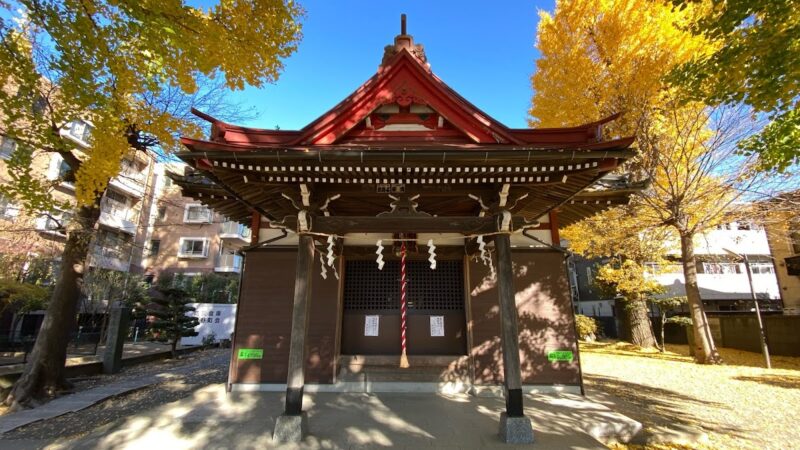
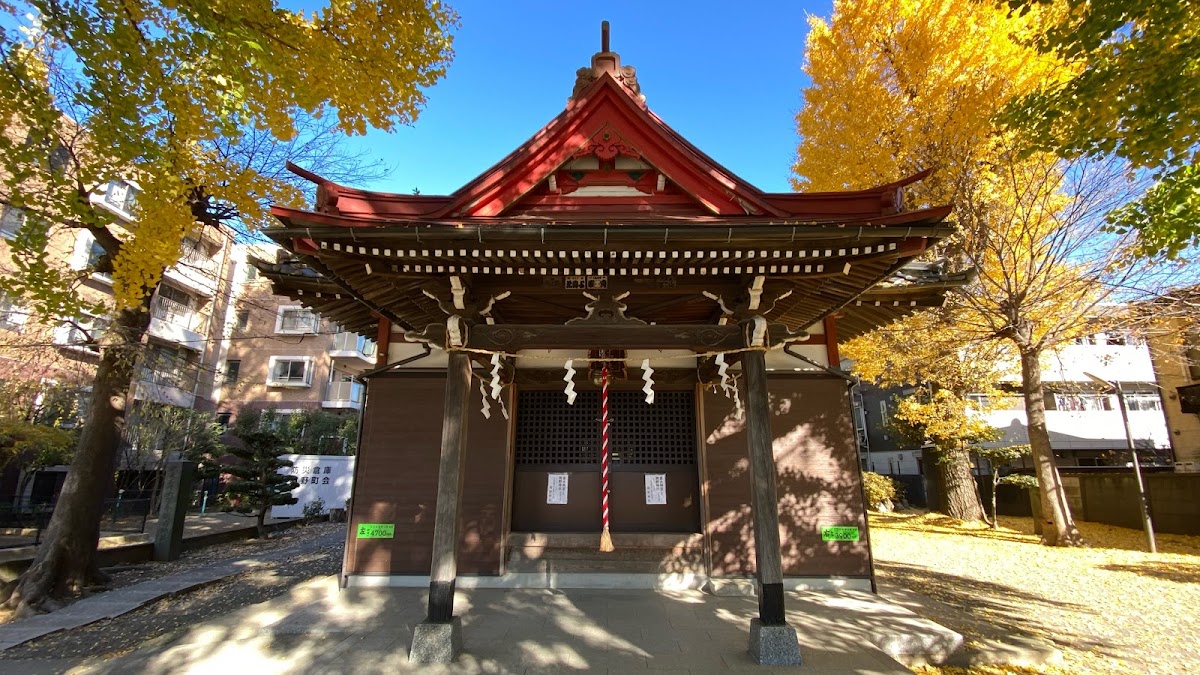
The greatest highlight of Kono Shrine is the two gigantic ginkgo trees that stand tall in front of the shrine building. These two ginkgo trees are enormous, with trunks approximately 5 meters in circumference and reaching heights of about 25 meters, and are designated as protected trees by Adachi Ward.
Their age is estimated to be several hundred years, and they are believed to have watched over the Kono area since the Edo period. In autumn, their leaves turn golden, creating a breathtaking spectacle that beautifully colors the shrine grounds. During the autumn foliage season, many people visit to take photographs, and they often become a topic of conversation on social media.
These giant ginkgo trees are among the largest in Adachi Ward and are a local landmark. When you visit, be sure to feel the vitality of these historic giant trees up close.
Atmosphere of the Shrine and Grounds
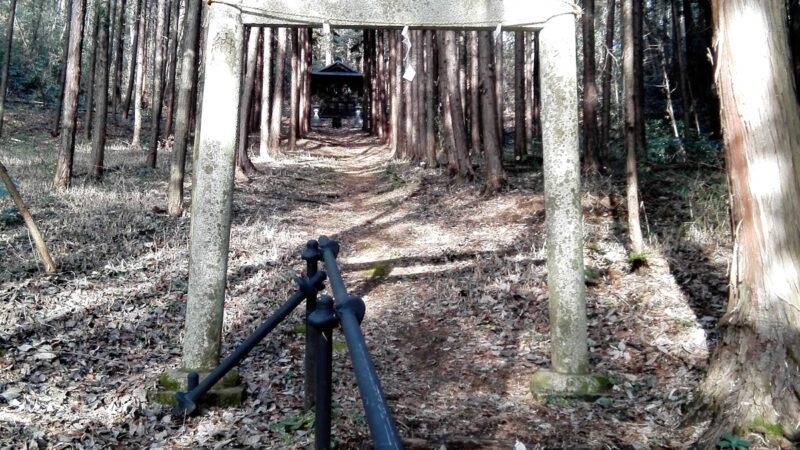
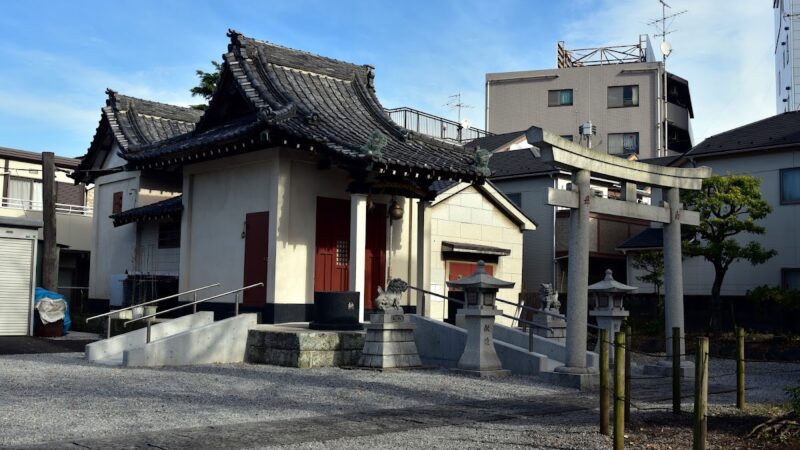
The shrine buildings of Kono Shrine are simple yet dignified. Despite being located in a residential area, stepping onto the grounds envelops you in a tranquil atmosphere, creating a peaceful space.
The grounds are also maintained as a park, serving as a place of relaxation for local residents. The well-maintained shrine grounds offer a pleasant welcome to visitors.
Adachi Ward Tangible Folk Cultural Property: “Festival Banners”
Kono Shrine houses two festival banners, which are registered as Adachi Ward Tangible Folk Cultural Properties. These banners are used during festivals such as the annual grand festival and are valuable cultural assets that convey the history and traditions of the region.
They are usually stored away and not on public display, but are sometimes exhibited on special occasions such as the annual grand festival. They are important resources for understanding the region’s festival culture.
Annual Grand Festival and Yearly Events
Kono Shrine holds various Shinto rituals and events throughout the year.
Annual Grand Festival
The annual grand festival, the most important festival of Kono Shrine, is held every autumn. During the festival, a portable shrine procession and devotional performances take place, and the entire region is enveloped in a festive atmosphere. The entire community participates in making the festival a success, and it also serves as a place for intergenerational exchange.
Festival banners are displayed, and many worshippers and local residents gather in the shrine grounds, making for a lively day. The portable shrine is paraded through the town, with prayers offered for the safety and prosperity of the community.
Other Annual Events
- Hatsumode (First Shrine Visit of the New Year): From New Year’s Day to the third day of the year, the shrine is bustling with worshippers praying for safety and well-being in the new year.
- Setsubun Festival: On Setsubun in February, a bean-throwing ceremony is held to ward off evil and invite good fortune.
- Shichi-Go-San (Seven-Five-Three Festival): In November, families visit the shrine to celebrate the growth of their children.
- Monthly Festival: A monthly festival is held regularly each month to pray for the peace and prosperity of the community.
Access Information
Access by Train
Using the Nippori-Toneri Liner
Get off at “Takano Station,” approximately 14-19 minutes on foot (approximately 820m in a straight line).
Exit from the east exit and proceed southwest through the residential area.
Using the Toei Bus (Recommended)
Get off at the “Koumoto Center-mae” bus stop, approximately 2 minutes on foot (approximately 208m).
This is the easiest way to access the shrine.
It is also accessible from Ogi-Ohashi Station (Nippori-Toneri Liner) in about 13-15 minutes on foot (approximately 1.1 km).
Access by Car
Approximately 5 minutes from the Ogi-Ohashi Exit of the Metropolitan Expressway Central Circular Route.
There is parking space for visitors on the shrine grounds, but the number of spaces is limited, so we recommend using public transportation during festivals and other special occasions.
Landmarks in the Area
Okino Shrine is located in a residential area, so it may be a little difficult to find for first-time visitors. Head towards the residential area of Okino 2-chome, Adachi-ku, and look for the large ginkgo tree as a landmark. We recommend using a map app or navigation system.
Goshuin (Shrine Seal) Information
You can receive a goshuin at Okino Shrine. However, there may not always be a permanent shrine office, so we recommend checking in advance if you wish to receive a goshuin.
The goshuin will have the name of Okino Shrine and the date of visit written in ink, and will be stamped with the shrine’s seal. With its simple yet dignified design, this stamp can be inscribed in your goshuincho (stamp book).
If you collect goshuin (temple/shrine stamps), please consider receiving one as a memento of your visit. Please remember that goshuin are given as an expression of respect and gratitude to the shrine, so please receive them while observing proper etiquette.
Manners and Points for Visiting a Shrine
Basic Worship Etiquette
- Bow before passing through the torii gate: Before entering the shrine grounds, bow before the torii gate.
- Purify yourself at the water basin: If there is a water basin, purify your hands and mouth before praying.
- Two bows, two claps, one bow: Before the shrine, bow deeply twice, clap twice, and finally bow once.
- Be quiet: Be quiet on the shrine grounds and be considerate of other worshippers.
Regarding Photography
Photography is generally permitted on the shrine grounds, but please refrain from taking pictures inside the shrine buildings or in sacred areas. You can enjoy photographing the natural scenery and buildings within the shrine grounds, such as the large ginkgo tree, as long as you don’t disturb other visitors.
Best Time to Visit
While Kono Shrine is open 24 hours a day, visiting in the early morning or during daylight hours is recommended. Especially during the autumn foliage season, the golden ginkgo trees, shining in the sunlight, are beautiful and perfect for photography.
Nearby Shrines and Temples
There are other shrines and temples you can visit in the vicinity of Kono Shrine.
Ontake Shrine
Located in the same Kono area of Adachi Ward, this shrine, along with Kono Shrine, is a center of local faith. It’s a good idea to visit it in conjunction with your visit to Kono Shrine.
Myozenji Temple
Located in Adachi Ward, this temple is relatively close to Kono Shrine. You can enjoy a “Shinto-Buddhist pilgrimage” by visiting both a shrine and a temple.
Exploring the Surrounding Area
The Kono area of Adachi Ward, where Kono Shrine is located, is a residential area that retains the atmosphere of old Tokyo. After visiting the shrine, we recommend taking a stroll around the surrounding area to enjoy the local atmosphere. You can experience the daily life of the local residents by visiting the shopping streets and parks.
Summary of the Charms of Kono Shrine
Kono Shrine is a shrine where history and nature harmonize, nestled in a residential area of Adachi Ward, Tokyo. Its history as a guardian shrine dating back to the Edo period, the wide range of blessings bestowed by its three enshrined deities, and above all, the two giant ginkgo trees designated as protected trees by Adachi Ward, are major attractions of this shrine.
The quiet grounds, far removed from the hustle and bustle of the city, are a place to calm the mind and heal the fatigue of daily life. A warmth unique to a community-based shrine coexists with a solemn atmosphere that evokes a sense of history.
During the autumn foliage season, the golden ginkgo trees adorn the grounds, captivating visitors. During the annual festival, the entire community comes together to enliven the festivities, ensuring the continuation of traditional culture.
If you have the opportunity to visit Adachi Ward, please be sure to visit Kono Shrine. The tranquil atmosphere of this historic shrine, along with its centuries-old ginkgo tree, is sure to provide a memorable pilgrimage experience.
Planning a Visit to Kono Shrine
Kono Shrine is not a shrine heavily advertised as a tourist destination, but that’s precisely why it’s a valuable place to experience a truly authentic, community-based shrine. While not flashy, it’s a beloved place for many visitors, offering a quiet retreat where you can feel the history and nature.
First-time visitors should access the shrine via the Nippori-Toneri Liner or bus, and be immediately struck by the magnificent ginkgo tree within the grounds. Then, pay your respects at the main shrine and express your gratitude and wishes to the three deities.
Those collecting Goshuin (shrine stamps) are advised to check in advance whether they are available. Visiting during festivals such as the annual grand festival will allow you to witness the shrine’s lively and vibrant atmosphere.
Kono Shrine is an irreplaceable presence that conveys the history and culture of the Kono area in Adachi Ward, Tokyo. I hope this article will be helpful to those planning a visit to Kono Shrine. Please do visit and experience the unique charm of this shrine.