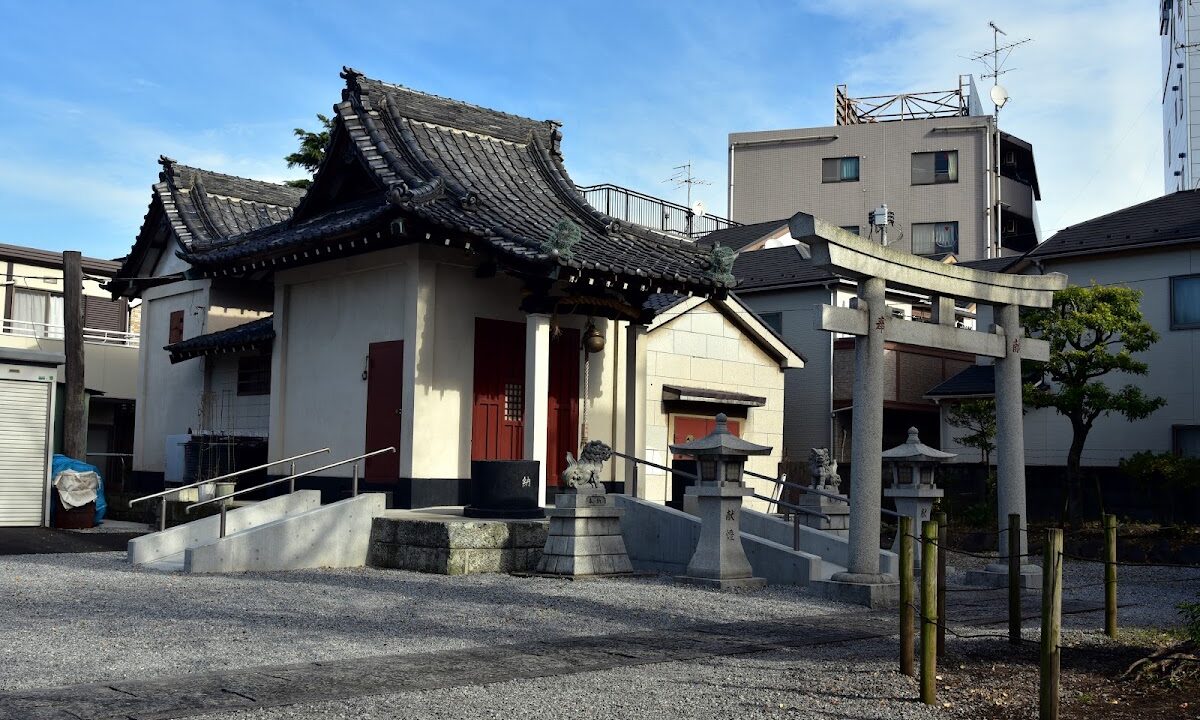
Nakasone Shrine (Tokyo) Complete Guide | History, Access, and Goshuin Information
Nakasone Shrine, located in Motoki, Adachi Ward, Tokyo, is a historically significant shrine with roots in a castle from the Muromachi period. Originally founded as a Myoken Shrine dedicated to Myoken Bodhisattva, the guardian deity of the Chiba clan, it adopted its current name in the early Showa period. This article provides detailed information useful for visitors, including the history of Nakasone Shrine, access methods, highlights within the grounds, and cultural properties.
Basic Information about Nakasone Shrine
Location: 2-5-7 Motoki, Adachi-ku, Tokyo 123-0853
Deities Enshrined:
- Ōikazuchi-no-mikoto
- Kuninotokotachi-no-kami
Shrine Rank: Village Shrine
Founded: Muromachi period (estimated mid-15th century)
Former Name: Myōken-sha
Nakasone Shrine is a shrine quietly nestled in a residential area of Adachi-ku, Tokyo, and has long been worshipped as the local guardian deity. While it’s a bit of a distance from the nearest station, it’s a valuable place to worship in a peaceful environment.
History and Origins of Nakasone Shrine
Founding in the Muromachi Period and Nakasone Castle
The history of Nakasone Shrine dates back to the Muromachi period. It was originally founded as the guardian shrine of Nakasone Castle, built by Chiba Katsutane. The Chiba clan had worshipped Myoken Bodhisattva as their guardian deity for generations, and initially, the shrine was known as “Myoken-sha“.
Nakasone Castle is believed to have functioned as a branch castle of Akatsuka Castle in Itabashi Ward, and this entire area was within the Chiba clan’s sphere of influence. While historical records regarding the castle’s scale and detailed structure are limited, the existence of the shrine provides a glimpse into their regional control at the time.
Myoken Faith and the Chiba Clan
The Chiba clan’s reverence for Myoken Bodhisattva stems from a tradition of Myoken worship that dates back to the Heian period. Myoken Bodhisattva is a Buddhist deity personifying the North Star, widely worshipped by samurai as a guardian deity of directions and a god of military fortune. The Chiba clan was particularly devout in this faith, and established Myoken shrines in various locations within their territory.
The Myoken-sha in Nakasone is thought to have been founded as part of this Chiba clan faith system. During the Edo period, the shrine became cherished by the local people in a form of syncretism between Shinto and Buddhism, and established itself as the village’s guardian shrine.
Merger and Renaming in the Showa Era
Following the Meiji-era separation of Shinto and Buddhism, Myoken Shrine was reorganized as a Shinto shrine, but its name remained Myoken Shrine for some time. A major turning point came in 1932 (Showa 7).
In that year, Raijin Shrine, located in the Kono district, was merged with the Myoken Shrine in Nakasone. At this time, the shrine’s name was changed to “Nakasone Shrine,” and it remains so to this day. The deity enshrined at the merged Raijin Shrine, O-Ikazuchi-no-Mikoto, came to be worshipped alongside Kunitokotachi-no-Kami, who is associated with Myoken faith.
This renaming made the shrine’s name derived from the local place name, further clarifying its character as the local tutelary deity.
Access and Transportation Information
Nakasone Shrine is located in a residential area and is a bit of a distance from the nearest station. Below are the main access methods.
Access by Train
Tobu Skytree Line (Tobu Isesaki Line)
- Approximately 16-25 minutes on foot from Umejima Station (approx. 1.3 km)
- Exit the west exit and head towards Kan-nana-dori (Ring Road 7)
Nippori-Toneri Liner
- Approximately 25 minutes on foot from Ogi-Ohashi Station (approx. 1.8 km)
- Head southwest from the station
Tobu Skytree Line
- Also within walking distance from Nishiarai Station (approx. 25-30 minutes)
- Bus access is also available
Access by Bus
Considering the distance from the nearest station, using the bus is also convenient.
- Get off at the Tobu Bus “Motoki 2-chome” bus stop, approximately 3 minutes on foot
- Get off at the Toei Bus “Motoki” bus stop, approximately 5 minutes on foot
Buses operate from Umejima Station and Nishiarai Station, and the journey takes about 10 minutes. For details on bus routes, please check the latest information on each bus company’s official website. ### Access by Car
It’s about a 10-minute drive from the Ogi-Ohashi exit of the Metropolitan Expressway Central Circular Route. However, there is no dedicated parking lot at the shrine, so please use nearby coin-operated parking lots. Since it’s a residential area, please avoid street parking and be considerate of the neighbors.
Highlights and Cultural Assets on the Shrine Grounds
Atmosphere of the Shrine and Grounds
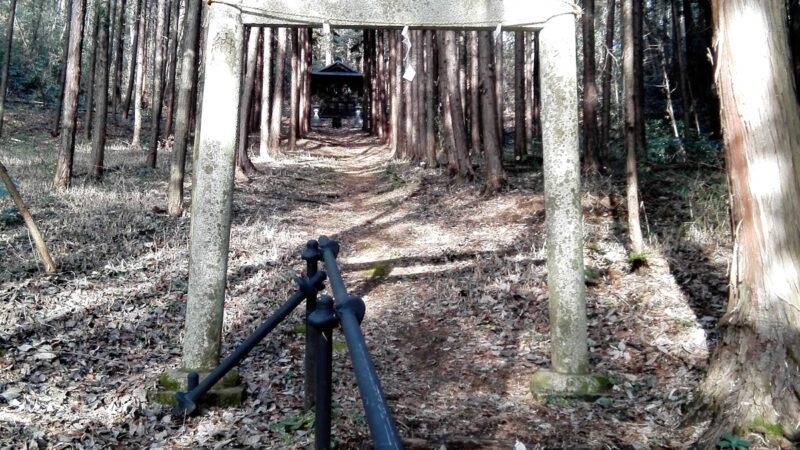
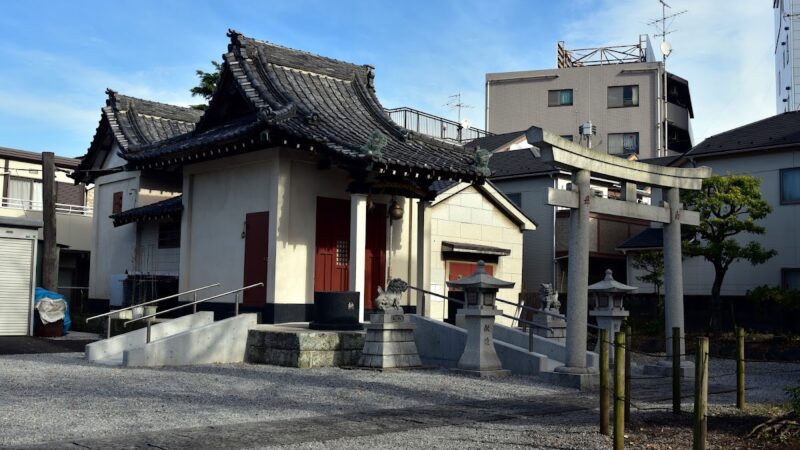
Nakasone Shrine’s grounds, while located in a residential area, are enveloped in a quiet and peaceful atmosphere. The grounds are not particularly large, but they are a well-maintained and clean space.
The shrine building is simple yet dignified, reflecting how it has been carefully preserved by the local community. A small offering box is placed in front of the main hall, and local residents visit regularly to pray.
Birthplace of Motoki Bayashi
Nakasone Shrine is also known as the birthplace of Motoki Bayashi. Within the shrine grounds stands a monument commemorating the “birthplace of Motoki Bayashi,” preserving the history of the region’s traditional performing art.
Motoki Bayashi is a local performing art that has continued since the Edo period, a traditional festival music played during festivals. Composed of instruments such as flutes, drums, and gongs, it is characterized by its unique rhythm and melody. It is still preserved by a local preservation society and is sometimes performed on the shrine grounds during festivals.
Remains of Nakasone Castle
The area around the shrine is believed to be the site of the former Nakasone Castle. While very few remains of the castle exist today, traces of the past can still be seen in the topography and road layout.
An explanatory monument about Nakasone Castle is also located on the shrine grounds, allowing visitors to learn about the historical importance of this site. For history buffs, a stroll around the area while searching for traces of the castle ruins is highly recommended.
Stone Monuments and Memorials
Within the temple grounds, in addition to the aforementioned monument marking the birthplace of Motoki Hayashi, several other stone monuments and memorials have been erected. These are valuable historical and cultural artifacts of the region, so please take a look at them when you visit.
Deities and Blessings
Ōikazuchi-no-Mikoto
This deity, enshrined here from the Raijin Shrine, is the god who controls thunder. An ancient god appearing in the Kojiki and Nihon Shoki, he is considered a child of Izanami-no-Mikoto.
Blessings:
- Protection from lightning and fire
- Abundant harvests
- Protection from misfortune
- Prayer for good health
In agricultural societies, thunder was both a source of blessings (rain) and an object of awe. Ōikazuchi-no-Mikoto is worshipped as a god who controls the forces of nature and prevents disaster.
Kunitokotachi-no-Kami
In Japanese mythology, this is a highly revered deity, considered one of the first gods to appear at the creation of heaven and earth. It is worshipped as a deity syncretized with Myoken worship.
Benefits:
- Good fortune and prosperity
- National peace and security
- Protection from negative influences
- Long-lasting military success
When Myoken Bodhisattva was reinterpreted as a Shinto deity, it was sometimes identified with Kunitokotachi-no-Kami as the deity of the North Star. The Kunitokotachi-no-Kami at Nakasone Shrine also stems from this lineage of belief.
Annual Events and Festivals
Nakasone Shrine holds community-based festivals throughout the year.
Grand Festival
The Grand Festival, held every autumn, is the most important festival in the region. It features a procession of portable shrines and a performance of Motoki Hayashi music, attracting many worshippers.
Local children carry portable shrines and floats, allowing visitors to enjoy the atmosphere of a traditional festival.
New Year’s Visit
From New Year’s Day to the third day of the year, local residents visit for their first shrine visit of the year. While not a large shrine, it’s an ideal place for quietly offering prayers for the new year.
Other Annual Events
- Setsubun Festival (February)
- Summer Purification Ceremony (end of June)
- Shichi-Go-San Festival (November)
Other common shrine events are also held. Specific dates may vary from year to year, so it’s recommended to check in advance before visiting.
Goshuin (Shrine Seal) Information
Information regarding Goshuin at Nakasone Shrine is limited. Because it’s a small shrine, there may not be a resident priest. Those wishing to receive a Goshuin are advised to inquire in advance or check with nearby shrines that may be affiliated with the shrine.
Many small shrines in Adachi Ward are managed by priests who oversee multiple shrines, and the issuance of Goshuin (shrine stamps) is handled on a case-by-case basis.
Nearby Shrines, Temples, and Tourist Spots
Nearby Shrines and Temples
Myozenji Temple
A temple located near Nakasone Shrine, it is a popular local religious site. Visiting both is recommended.
Kono Shrine
A shrine located in Kono, Adachi Ward, near the site of the former Raijin Shrine.
Nishiarai Daishi (Sojiji Temple)
A famous temple representing Adachi Ward, within walking distance of Nishiarai Station. A Shingon Buddhist temple famous for warding off evil. Many people extend their visit from Nakasone Shrine to pray here.
Attractions in the Surrounding Area
Toneri Park
A large metropolitan park located right next to Toneri Park Station on the Nippori-Toneri Liner. Enjoy the changing seasons and it’s a popular spot for families.
Arakawa Riverbank
A vast riverbank stretches along the Arakawa River, which flows through the eastern part of Adachi Ward. It’s ideal for strolling and cycling, and is especially beautiful during the cherry blossom season in spring.
Manners and Precautions for Visiting a Shrine
Basic Worship Etiquette
- When passing through the torii gate: Bow before entering the shrine grounds.
- At the purification fountain: Cleanse your hands and mouth (this step can be omitted if there is no purification fountain).
- In front of the main hall: Worship using the two bows, two claps, and one bow method.
- When leaving the shrine grounds: After passing through the torii gate, turn around and bow.
Regarding Photography
Photography is generally permitted within the shrine grounds, but please note the following:
- Refrain from photographing inside the shrine buildings.
- Be considerate and avoid including other worshippers in your photos.
- During festivals, be careful not to disrupt the religious ceremonies.
- Post on social media with moderation.
Consideration in a Residential Area
Nakasone Shrine is located in a residential area, so please be considerate of the following:
- Refrain from loud conversations.
- Never park on the street.
- Always take your trash with you.
- Respecting the Lives of Local Residents
Cultural Value of Nakasone Shrine
Witness to Local History
Nakasone Shrine has watched over the history of this region from the Muromachi period to the present day. Through the era of Nakasone Castle, the village society of the Edo period, the modernization of the Meiji era, and the urbanization of the postwar period, it has remained a spiritual cornerstone of the community.
Transmission of Local Performing Arts
As the birthplace of Motoki Hayashi (a type of traditional music), it plays an important role in the preservation and transmission of traditional performing arts. Through the activities of local preservation societies, techniques are passed on to younger generations, maintaining cultural continuity.
A Sanctuary in Urbanization
Located in a densely populated residential area within Tokyo’s 23 wards, Nakasone Shrine maintains a quiet space for prayer, serving as an example of the role of shrines in modern cities. It conveys a form of faith rooted in the community, distinct from large-scale tourist shrines.
Similar Shrines in Tokyo
There are many small shrines in Tokyo that, like Nakasone Shrine, convey the history of the region.
Nakasone Tenso Shrine (Edogawa Ward)
Location: 4-1-5 Minami-Koiwa, Edogawa-ku, Tokyo
Nearest Station: Koiwa Station, JR Sobu Line
Deity Enshrined: Amaterasu Omikami
This shrine is interesting as it shares the same place name, “Nakasone.” The founding date is unknown, but there are records of it being rebuilt during the Tenpo era (1830-1844), and it is considered a subsidiary shrine of Koiwa Shrine. It is also said to be the site of Ina Hanjuro’s magistrate’s office during the Shoho era (1644-1648).
While it has no direct connection to Nakasone Shrine in Adachi Ward, it shares the commonality of conveying traces of regional control during the Edo period.
Other Shrines Derived from Myoken Shrine
In the Kanto region, which was under the influence of the Chiba clan, there are many shrines originating from Myoken worship. Each shrine is connected to the local history, making comparative visits particularly interesting.
Tips for Planning Your Visit
Recommended Time to Visit
Spring (March-May)
The weather is mild and ideal for visiting. It’s the season of fresh greenery, making it enjoyable to stroll around the surrounding area.
Autumn (September-November)
This is the time of the annual festival, offering the opportunity to witness traditional local events. It’s also the season of autumn foliage, making it suitable for walks.
New Year’s Visit (January)
Recommended for those who wish to quietly offer prayers for the new year.
Estimated Time Required
The shrine grounds themselves are small, so a visit alone takes about 15-20 minutes. If you include exploring the surrounding area and historical sites, it’s best to allow about an hour.
Combined Sightseeing Tours
- Nishiarai Daishi Course: Nakasone Shrine → Nishiarai Daishi Temple → Nishiarai Station Area (3-4 hours)
- Arakawa River Walking Course: Nakasone Shrine → Toneri Park → Arakawa Riverbank (Half a day)
- Adachi Ward Shrine Pilgrimage Course: Visiting multiple shrines (Half a day to a full day)
Summary
Nakasone Shrine is a shrine with a rich history and tradition, quietly nestled in a residential area of Adachi Ward, Tokyo. Founded as a Myoken Shrine originating from Nakasone Castle during the Muromachi period, it later merged with the Raijin Shrine in the early Showa era, resulting in its current name.
While not a large-scale tourist shrine, it has long been revered as the local guardian deity and possesses cultural value as the birthplace of Motoki Hayashi (a type of traditional music). It is a precious place where one can pray while reflecting on history in a peaceful environment.
While it’s a bit of a distance from the nearest station, this shrine is especially recommended for those interested in the history and culture of Adachi Ward, and for those who prefer quiet shrine visits. Why not combine a visit to the nearby Nishiarai Daishi Temple and Toneri Park for a day exploring the charms of Adachi Ward?
When visiting, please remember that the shrine is located in a residential area and be considerate of the neighbors. Experience the tranquil atmosphere of this shrine, which has been carefully preserved by the local community.