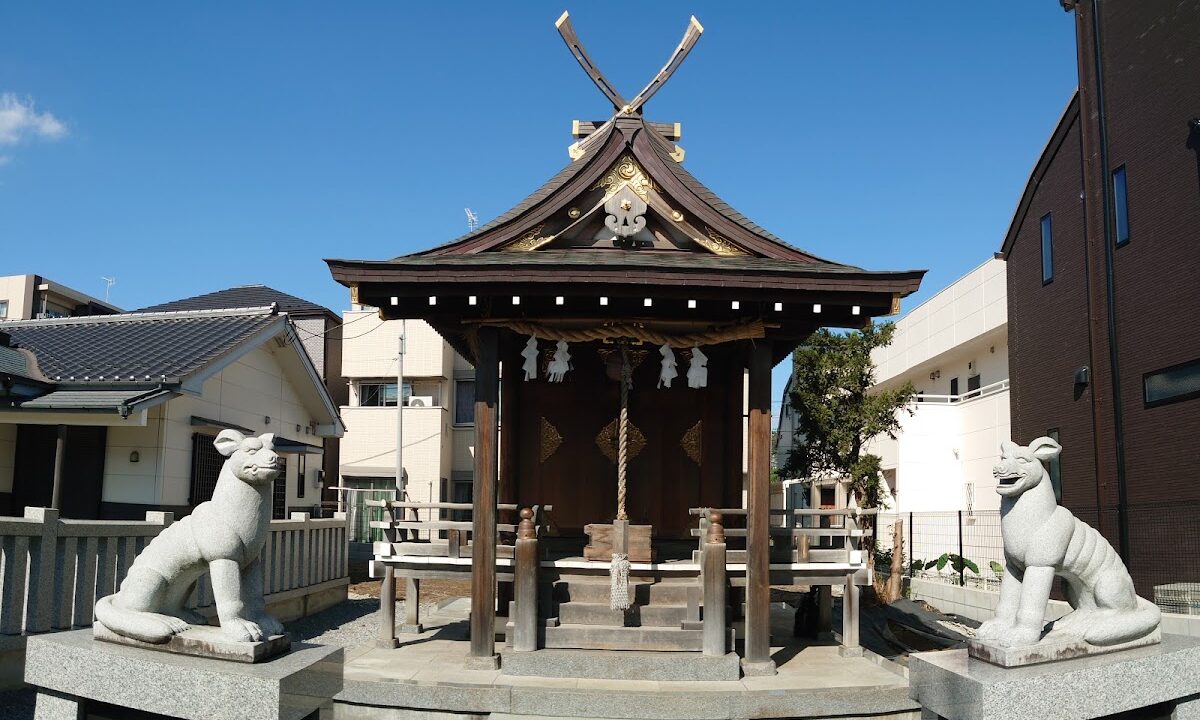
Rokucho Shrine (Adachi Ward, Tokyo) Complete Guide | Deities, Access, History, and Goshuin Information
Rokucho Shrine, located in Rokucho, Adachi Ward, Tokyo, is a historic shrine that has long been cherished by local residents. Despite its convenient location within walking distance of Rokucho Station on the Tsukuba Express line, it is known as a precious place where one can pray in peace and tranquility within its quiet grounds. This article provides detailed information you should know before visiting Rokucho Shrine, including its deities, history, access methods, goshuin (shrine stamps), highlights of the grounds, and annual events.
Basic Information about Rokucho Shrine
Rokucho Shrine is located in Rokucho 1-chome, Adachi Ward, Tokyo, and is deeply revered by local residents as the guardian deity of the area. Despite being in a residential area, its lush grounds offer a healing space that allows you to forget the hustle and bustle of the city.
Location and Contact Information
Address: 1-15-13 Rokucho, Adachi-ku, Tokyo 121-0073 (Some sources list Rokucho 1-11)
Rokucho Shrine’s grounds are located in a residential area, surrounded by shops and houses in a quiet environment. As a shrine deeply rooted in the community, it receives many worshippers on a daily basis.
Deities and Divine Virtues
The following deities are enshrined at Rokucho Shrine:
Main Deity:
- Amaterasu Omikami: The supreme deity in Japanese mythology, a god who personifies the sun. Revered as the ancestral deity of the Imperial family, she bestows divine virtues such as national peace and security, good fortune, and protection from evil.
- Homutawake no Mikoto: The divine name of Emperor Ojin, a warrior god widely worshipped as Hachiman. Known for its divine blessings related to victory, success, safe childbirth, and child-rearing.
- Izanagi-no-Mikoto: The male deity who gave birth to the land of Japan and many gods. He is associated with matchmaking, marital harmony, and family safety.
- Izanami-no-Mikoto: The wife of Izanagi-no-Mikoto, the goddess who created the land and the gods. She is worshipped for her divine blessings of safe childbirth, fertility, and matchmaking.
Due to these enshrined deities, Rokucho Shrine is believed to offer a wide range of blessings, including family safety, health, good fortune, matchmaking, and safe childbirth.
How to Access Rokucho Shrine
Rokucho Shrine is conveniently located and easily accessible by public transportation.
Access by Train
Nearest Station: Rokucho Station (Tsukuba Express)
- Approximately 3-5 minutes on foot from Rokucho Station (approximately 240m in a straight line)
- Very close to the station; easy to find even for first-time visitors
- Accessible from central Tokyo via Akihabara Station
Walking Route:
From Rokucho Station, walk through the residential area for a few minutes. Referencing the station area map is recommended.
Access by Bus
Access is also possible from the nearest bus stop. For detailed bus routes, we recommend checking the Adachi Ward Community Bus and Toei Bus route maps.
Access by Car
Since the area around Rokucho Shrine is a residential area, we recommend checking in advance whether there is a dedicated parking lot. While there may be coin-operated parking lots nearby, using public transportation is more convenient.
History and Origins of Rokucho Shrine
Rokucho Shrine has a long history intertwined with the local community, deeply involved in the development and growth of the Rokucho area of Adachi Ward.
Origin of the Name Rokucho
The name “Rokucho” is said to originate from the fact that this area was once composed of six towns (settlements). It has a history dating back to the Edo period and developed as an agricultural area.
As the Local Guardian Shrine
For many years, Rokucho Shrine has served as a spiritual anchor for local residents. It plays a role in strengthening community bonds through local festivals and annual events. Even today, many local residents visit the shrine for important life events such as New Year’s visits, Shichi-Go-San (a traditional rite of passage for children), and exorcisms.
Highlights and Facilities of the Shrine Grounds
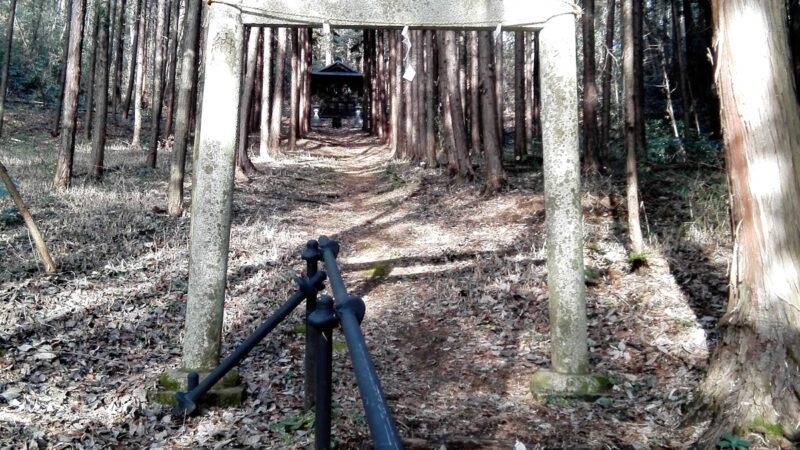
The grounds of Rokucho Shrine are small but beautifully maintained.
Worship Hall and Main Shrine
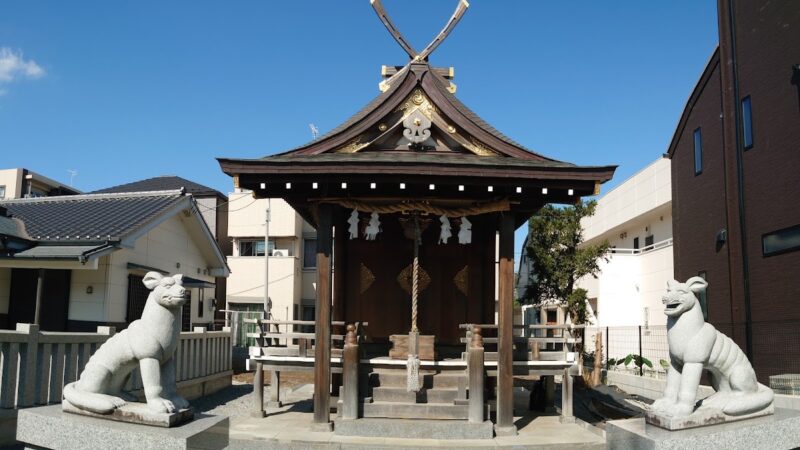
At the center of the shrine grounds is the worship hall, with the main shrine situated behind it. It features traditional shrine architecture, characterized by its warm, wooden appearance. Worshippers perform the ritual of two bows, two claps, and one bow in front of the worship hall.
Shrine Office
There is a shrine office on the grounds where goshuin (shrine stamps) are issued and various prayers are accepted. It is recommended to check the office’s opening hours before visiting.
Natural Environment of the Shrine Grounds
Despite being in an urban area, the shrine grounds are planted with trees, allowing visitors to experience the beauty of nature throughout the seasons. The scenery is particularly beautiful during the seasons of fresh greenery and autumn leaves.
Water Basin
A water basin is also provided for purifying the body and mind before worship. It is customary to purify your hands and mouth here before proceeding to the worship hall.
Goshuin Information
Rokucho Shrine may offer Goshuin (shrine stamps). Goshuin are popular among many visitors as proof of their visit and as a memento of their trip.
Regarding Goshuin Issuance
Those wishing to receive a Goshuin must visit during the shrine office’s opening hours. Bring your Goshuincho (stamp book) and make your request politely. The offering fee (the amount to be paid) is generally around 300 to 500 yen, but please follow the shrine’s instructions.
Manners When Receiving a Goshuin
- Complete your prayers before receiving the Goshuin.
- Bring your Goshuincho (you may be able to purchase one at the shrine if you don’t have one).
- Be polite and courteous to the shrine office staff.
- Obtain permission before taking photographs.
Annual Events and Festivals
Rokucho Shrine holds various festivals and events throughout the year.
Main Annual Events
Hatsumode (First Shrine Visit of the New Year) (January 1st-3rd)
The shrine is bustling with worshippers praying for good health and safety for the year ahead. Many local residents visit from New Year’s Day through the third day.
Setsubun Festival (Around February 3rd)
Shinto rituals such as bean-throwing are performed to pray for protection from evil and good fortune.
Spring Grand Festival
A festival celebrating the arrival of spring and praying for a bountiful harvest and the prosperity of the community.
Summer Purification Ceremony (June 30th)
A Shinto ritual to purify oneself of sins and impurities accumulated over the past six months. A ritual of passing through a ring of reeds may also be performed.
Autumn Grand Festival
An important festival expressing gratitude for the year’s harvest and praying for the development of the community. A procession of portable shrines and offering ceremonies may be held.
Shichi-Go-San (around November 15th)
A visit to the shrine is held to celebrate the growth of children and pray for their healthy development.
Year-End Grand Purification Ceremony (December 31st)
A Shinto ritual to purify oneself of the sins and impurities of the past year and welcome the new year with a fresh start.
Monthly Festival
A monthly festival is held regularly each month to pray for the safety and prosperity of the community.
Manners and Etiquette for Visiting a Shrine
There are basic manners to observe when visiting a shrine. When visiting Rokucho Shrine, please observe the following manners.
How to Pass Through the Torii Gate
The torii gate is the entrance to the sacred area. Bow before passing through the torii gate, and walk along the edge of the path, as the center is considered the path of the gods.
Proper Ritual for Washing Hands
- Hold the ladle in your right hand and wash your left hand.
- Switch the ladle to your left hand and wash your right hand.
- Switch the ladle back to your right hand, receive water in your left hand, and rinse your mouth.
- Wash your left hand once more.
- Hold the ladle upright, wash the handle, and return it to its original position.
Proper Ritual for Worshiping at the Main Hall
- Stand in front of the offering box and bow slightly.
- Gently place your offering in the box.
- Ring the bell if there is one.
- Bow twice (two deep bows).
- Clap twice (two claps at chest height).
- Bow once (one deep bow).
Manners on the Shrine Grounds
- Refrain from loud conversations.
- Take photographs only in designated areas.
- Take your trash with you.
- Observe the no-smoking policy.
- Follow the shrine’s regulations regarding pets.
Attractions Around Rokucho Shrine
When visiting Rokucho Shrine, we recommend also exploring the surrounding tourist spots.
Around Rokucho Station
The area around Rokucho Station on the Tsukuba Express line has commercial facilities and restaurants, making it convenient for resting or eating after visiting the shrine.
Other Shrines and Temples in Adachi Ward
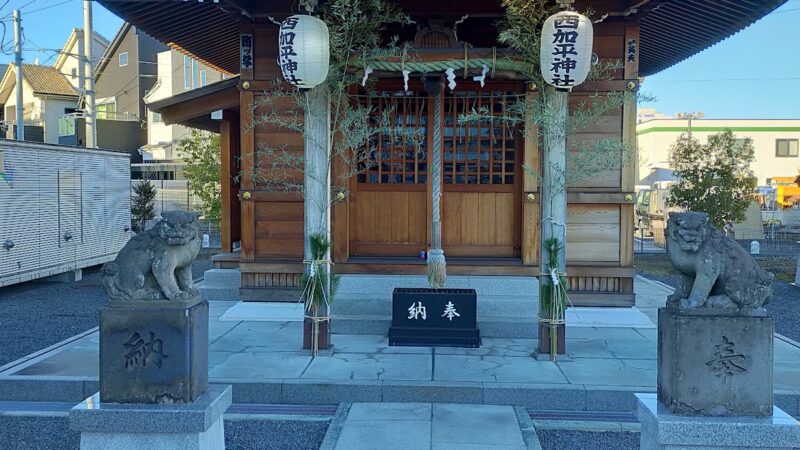
Besides Rokucho Shrine, Adachi Ward has many other shrines, including Ootori Shrine, Nishikahei Shrine, and Aka Inari Shrine. Those who enjoy visiting shrines should consider visiting these as well.
Local Parks
There are also local parks around Rokucho, where you can enjoy a stroll while appreciating nature.
Prayers and Supplications at Rokucho Shrine
Rokucho Shrine accepts prayers and supplications for various milestones in life.
Main Types of Prayers
- Prayer for Family Safety: Praying for the health and happiness of all family members
- Prayer for Protection from Evil: Praying for protection from evil and good fortune for those in their unlucky years
- Prayer for Business Prosperity: Praying for the development and prosperity of business
- Prayer for Traffic Safety: Praying for the blessing of cars and traffic safety
- Prayer for Safe Childbirth: Praying for a safe childbirth for expectant mothers and the health of the baby
- First Shrine Visit: Giving thanks for the birth of a baby and praying for healthy growth
- Shichi-Go-San Visit: Celebrating a child’s growth and praying for future health
- Prayer for Success in Exams: Praying for success in exams
- Prayer for Recovery from Illness: Praying for recovery from illness
How to Apply for a Prayer
If you wish to have a prayer performed, it is recommended that you contact the shrine office in advance to confirm the date and time. Same-day registration may be possible, but there may be a waiting time during busy periods.
History and Culture of the Rokucho Area
The Rokucho area of Adachi Ward, where Rokucho Shrine is located, is situated in the northeastern part of Tokyo and possesses its own unique history and culture.
History of Adachi Ward
Adachi Ward developed as an agricultural area from the Edo period, and was particularly known as a vegetable production area. Since the Meiji era, urbanization has gradually progressed, and today it is an area where residential and commercial areas coexist.
Development of Rokucho
The opening of the Tsukuba Express and the establishment of Rokucho Station have greatly improved the convenience of the area. Access to the city center has improved, and the number of new residents has increased. However, traditional places of worship like Rokucho Shrine play an important role in maintaining the identity of the area.
Voices and Reputation of Visitors
The following are some of the comments heard from visitors to Rokucho Shrine:
- “Conveniently located near the station and easily accessible”
- “Quiet and peaceful atmosphere within the shrine grounds”
- “A warm, community-rooted shrine”
- “Carefully maintained and clean grounds”
- “Approachable as a local guardian shrine”
As a community-oriented shrine, it appears to be beloved by local residents who visit regularly.
Points to Note When Visiting Rokucho Shrine
Visiting Hours
While entry to the shrine grounds is generally free, the shrine office may have limited opening hours. Those wishing to receive a Goshuin (shrine stamp) or prayers are advised to check the hours in advance.
Dress Code
If receiving special prayers, overly casual attire is recommended. For regular visits, sensible attire is acceptable.
Busy Seasons
The shrine is expected to be crowded during New Year’s (January 1st-3rd), Shichi-Go-San (November), and the annual festival. Those wishing to visit at a leisurely pace are advised to visit on weekdays or early in the morning.
Weather Considerations
Since the shrine grounds are outdoors, an umbrella is necessary in case of rain. Also, please take precautions against heatstroke in the summer and warm clothing in the winter.
Rokucho Shrine and the Local Community
Rokucho Shrine is not merely a place of worship, but also plays a central role in the local community.
Hub for Local Events
The annual festival and various other festivals provide valuable opportunities for local residents to gather and interact. Local children participate in the procession of the portable shrine and the dedication ceremonies, ensuring the continuation of traditional culture.
Intergenerational Interaction
Through the shrine’s events, interaction is fostered among a wide range of age groups, from the elderly to younger generations and children. This is a valuable experience in modern urban areas.
Other Shrines in Tokyo with “Roku” in Their Name
There are several shrines in Tokyo with “Roku” in their name.
Rokugo Shrine (Ota Ward)
Located in Higashi-Rokugo, Ota Ward, Rokugo Shrine is a historical shrine founded in 1057 by Minamoto no Yoriyoshi and Yoshiie to pray for lasting military fortune. It boasts cultural assets such as a drum bridge donated by Kajiwara Kagetoki and the oldest stone guardian lion statues in the ward.
Rokushō Shrine (Setagaya Ward)
Located in Kyuden, Setagaya Ward, Rokushō Shrine is also revered as a local tutelary shrine. The name Rokushō Shrine often derives from the fact that it enshrines six deities.
While these shrines and Rokuchō Shrine are not directly related, they are interesting examples demonstrating the diversity of Tokyo’s shrine culture.
Summary: Visiting Rokuchō Shrine
Rokuchō Shrine is a community-based shrine located in Rokuchō, Adachi Ward, Tokyo. Rokucho Shrine enshrines four deities: Amaterasu Omikami, Homudawake no Mikoto, Izanagi no Mikoto, and Izanami no Mikoto. It is believed to offer a wide range of blessings, including family safety, good health, and good fortune.
Despite its convenient location just a 3-5 minute walk from Rokucho Station on the Tsukuba Express line, the shrine grounds are quiet and peaceful, making it an ideal place to escape the hustle and bustle of everyday life and find peace of mind. It’s recommended for important life events such as New Year’s visits, Shichi-Go-San (a traditional Japanese rite of passage for children), and exorcisms, as well as for a casual stop during a daily stroll.
Rokucho Shrine, which conveys the history and culture of the region, is a symbol of the Rokucho area in Adachi Ward and will continue to be cherished by many people. If you are visiting shrines in Tokyo or Adachi Ward, be sure to visit Rokucho Shrine.
When visiting, observing basic manners and showing respect to the deities will ensure a more fulfilling experience. This shrine is open to a variety of visitors, including those who collect Goshuin (shrine stamps), those interested in the history and culture of shrines, and those who wish to pay their respects to their local guardian deity.
We hope that Rokucho Shrine will be a place that brings peace of mind and happiness to everyone who visits.