Complete Guide to Moto-Akagi Shrine (Shinjuku Ward, Tokyo) | History and Visiting Information of the Founding Site of Akagi Shrine
Moto-Akagi Shrine, quietly situated in Waseda Tsurumaki-cho, Shinjuku Ward, Tokyo, is the site where the current Akagi Shrine in Kagurazaka was first founded. With a history of over 700 years, this shrine is an important historical site indispensable to understanding the history of the Ushigome area, and is still carefully preserved by the local people.
This article comprehensively introduces all the information you need to know before visiting Moto-Akagi Shrine, including its detailed history, enshrined deities, how to worship, and access information.
What is Moto-Akagi Shrine?
Moto-Akagi Shrine is said to have originated in 1300 (Shoan 2) when Ogo Hikotaro Shigeharu, who moved to Ushigome from the foot of Mt. Akagi in Gunma Prefecture, invited a divided spirit from Akagi Shrine, the guardian shrine of his home province. Even after the current Akagi Shrine was relocated to Kagurazaka, the original shrine remained at its founding site, preserving it as a place of worship for the community.
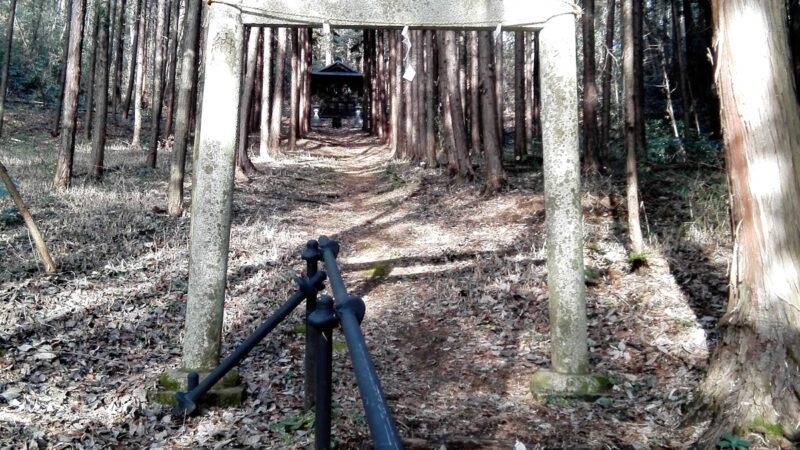
Although small, the shrine grounds maintain a serene atmosphere, offering a peaceful space away from the hustle and bustle of the city center. As the “original shrine” of Akagi Shrine, it is a must-see sacred site for visitors enjoying shrine pilgrimages and historical exploration.
Deities and Divine Virtues
Main Deity: Iwatutsuo-no-Mikoto
The deity enshrined at the original Akagi Shrine is Iwatutsuo-no-Mikoto. Iwatutsuo-no-Mikoto is known as the god of Mount Akagi and has been believed since ancient times to possess the following divine virtues:
- Protection from Evil and Disaster: Grants unwavering protection like a rock
- Family Safety: Protects the peace and prosperity of the family
- Business Prosperity: Leads to the development and success of business
- Good Fortune and Victory: Grants the strength to overcome difficulties
Iwatotsunoo-no-Mikoto is a deity whose sacred body is Mount Akagi, and due to his powerful divine virtues, he has been deeply revered by the people of the Kanto region since ancient times. At Moto-Akagi Shrine, you can offer daily gratitude and prayers to this enshrined deity.
History and Origins of Moto-Akagi Shrine
Circumstances of Founding (Shoan 2, 1300)
The history of Moto-Akagi Shrine dates back to Shoan 2 (1300), at the end of the Kamakura period. During the reign of Emperor Go-Fushimi, when Ogo Hikotaro Shigeharu, a powerful local lord who ruled Ogo (present-day Maebashi City) at the foot of Mount Akagi in Gunma Prefecture, moved to Ushigome, he enshrined a divided spirit of Akagi Shrine, the guardian deity of his hometown.
The shrine grounds at that time were in the forest of what is now Waseda Tsurumaki-cho, and it became a spiritual center for the Ogo family who moved to Ushigome and the local residents. This location, situated on a corner of the Ushigome plateau, is believed to have been an important gathering place for people even before the Edo period.
Relocation during the Muromachi Period (Kansho 1, 1460)
Approximately 160 years after its founding, in Kansho 1 (1460), during the mid-Muromachi period, Akagi Shrine was relocated to its current location in Kagurazaka (Akagi Motomachi, Shinjuku Ward). This relocation is said to have been carried out by Ota Doshin (Mochisuke), the father of Ota Dokan.
Ota Dokan is known as the samurai who built Edo Castle, and his father, Doshin, was also deeply involved in the development of the Ushigome area. The current location in Kagurazaka was chosen as a place easily accessible to more people for worship.
Continuation as the Original Shrine
Even after Akagi Shrine was relocated, a shrine called “Moto-Akagi Shrine” remained in Waseda Tsurumaki-cho, its original site. This is based on the Japanese tradition of carefully preserving the place where a deity first descended as the “original shrine.”
Throughout the Edo period, Moto-Akagi Shrine was protected by local people as the guardian deity of the area and as the original shrine of Akagi Shrine. This tradition has continued uninterrupted since the Meiji era to the present day.
Modern History
During the Great Tokyo Air Raid of 1945, the surrounding area suffered extensive damage, but Moto-Akagi Shrine miraculously escaped destruction. Throughout the post-war reconstruction period, and up to the present day, the shrine has been continuously cleaned and maintained by local residents.
During the Heisei era, the main Akagi Shrine was completely rebuilt under the design of Kengo Kuma, but the original Akagi Shrine has retained its simple, traditional appearance, and the contrast is quite interesting.
Highlights of the Shrine Grounds
Shrine Buildings and Atmosphere
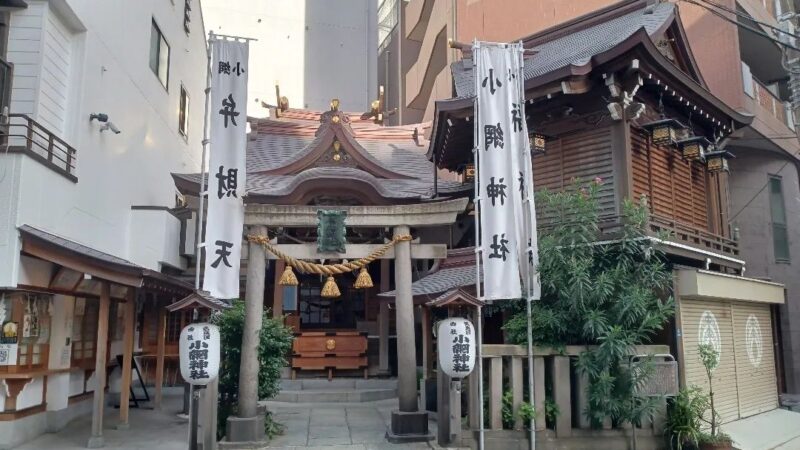
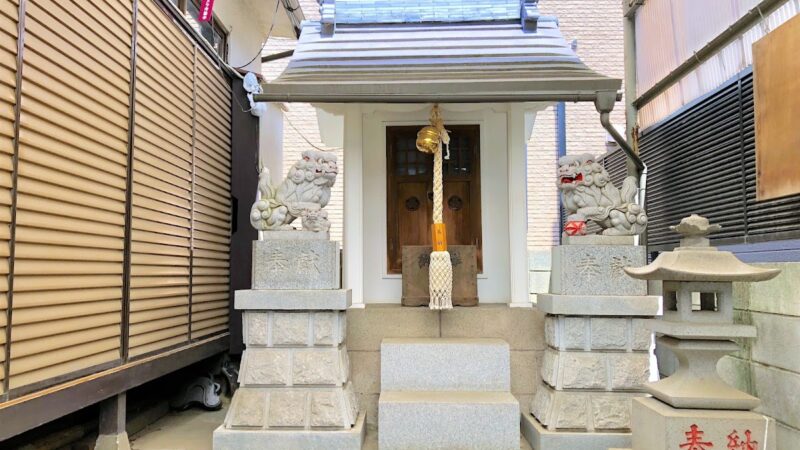
The grounds of the original Akagi Shrine are very compact, nestled quietly in a corner of a residential area. Although small, the shrine buildings are meticulously maintained, reflecting the deep faith of the local residents.
Upon passing through the torii gate, the worship hall immediately appears. Despite being in the heart of the city, the tranquil environment allows visitors to offer their prayers in peace. Trees are planted on the grounds, allowing visitors to feel the changing seasons.
Stone Monument and Historical Record
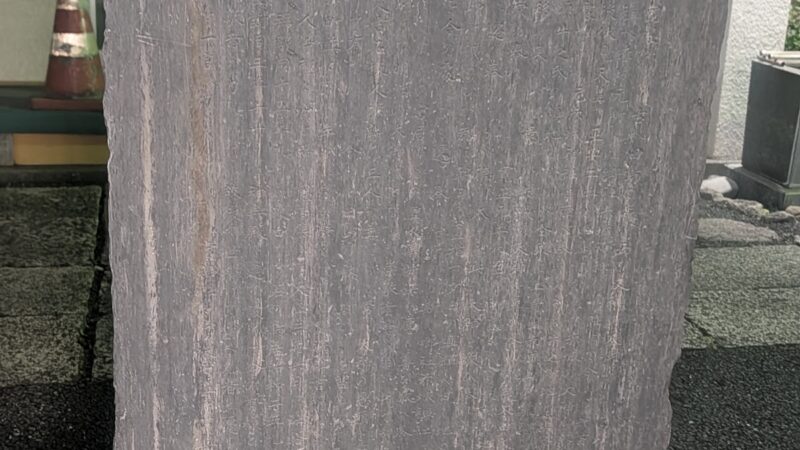
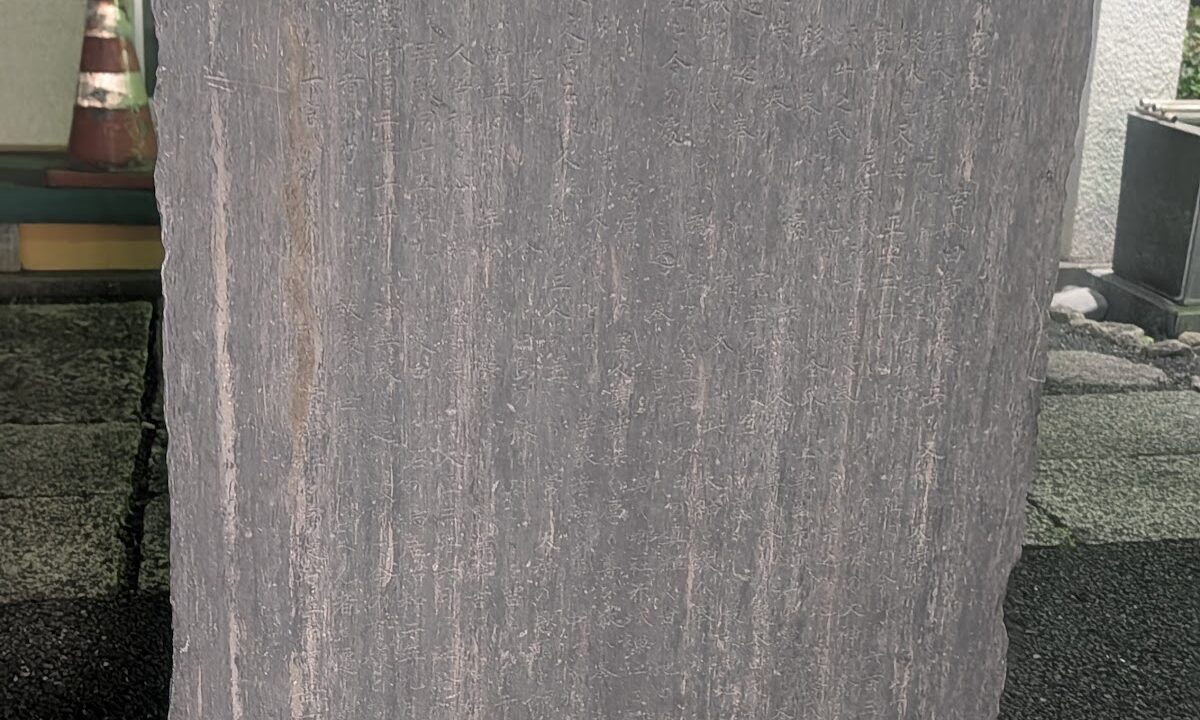
A historical record explaining the history of the original Akagi Shrine is installed on the grounds. Furthermore, there is a stone monument indicating that this is the site of Akagi Shrine’s founding, making it a valuable resource for learning about history.
Surrounding Historical Environment
The area around Moto-Akagi Shrine is a cultural and educational district close to Waseda University, retaining traces of the former Ushigome. Numerous old temples and historical sites are scattered nearby, making it an ideal location for a historical walking tour.
Worship Methods and Manners
Basic Worship Etiquette
Worship at Moto-Akagi Shrine follows the general etiquette of visiting a shrine.
- Bow before the Torii Gate: Before entering the shrine grounds, bow before the torii gate.
- Purify yourself at the water basin: If there is a water basin, purify your hands and mouth.
- Worship at the main hall: Approach the main hall and worship in the following order:
- Place your offering
- Two bows, two claps, one bow (bowing twice, clapping twice, bowing once)
- Express your gratitude and prayers silently
- Bow upon leaving: When leaving the shrine grounds, turn around after passing through the torii gate and bow once.
Points to Note When Visiting
Moto-Akagi Shrine is a small shrine located in a residential area. Please pay attention to the following points when visiting.
- Please worship quietly: Please be considerate of the surrounding residents.
- Photography etiquette: Photography is permitted on the shrine grounds, but please be careful not to include nearby houses in your photos.
- Please take your trash home: To keep the shrine grounds clean, please be sure to take your trash home with you.
- Regarding the shrine office: There are no resident priests, so goshuin (shrine stamps) and other items are handled at the main Akagi Shrine.
Regarding Goshuin
Since there are no resident priests at Moto-Akagi Shrine, goshuin are not issued there. If you wish to obtain a goshuin from Moto-Akagi Shrine, please inquire at the shrine office of Akagi Shrine, located in Kagurazaka.
Akagi Shrine can provide information about Moto-Akagi Shrine and guide you to related items. Visiting both Akagi Shrine and Moto-Akagi Shrine as part of a “Motomiya pilgrimage” is also recommended.
Access Information
Location
Address: 568 Waseda Tsurumaki-cho, Shinjuku-ku, Tokyo 162-0041
Access by Train
Nearest Station:
- Tokyo Metro Tozai Line “Waseda Station”: Approximately 7-10 minutes on foot (most convenient)
- Use Exit 3a or 3b
- Proceed west along Waseda-dori towards Tsurumaki-cho
- Toden Arakawa Line “Waseda Station”: Approximately 10 minutes on foot
- From Waseda-dori towards Tsurumaki-cho
- Tokyo Metro Fukutoshin Line “Nishi-Waseda Station”: Approximately 12-15 minutes on foot
- Route via Waseda University Campus
Detailed Walking Route (From Waseda Station)
- Exit from Exit 3a of Waseda Station on the Tokyo Metro Tozai Line
- Proceed west along Waseda-dori (towards Waseda University)
- Turn right at the “Tsurumaki-cho” intersection.
- After walking approximately 200m through the residential area, you will see Moto-Akagi Shrine on your right.
Access by Bus
Get off at the “Waseda” bus stop on the Toei Bus or Toei Bus, and it’s about a 10-minute walk.
Access by Car and Parking
Moto-Akagi Shrine does not have its own parking lot. If you are visiting by car, you will need to use a nearby coin-operated parking lot. However, since it is a residential area, parking spaces are limited, so we recommend using public transportation.
Best Time and Season for Visiting
Recommended Time
Moto-Akagi Shrine is open for worship 24 hours a day, but the following times are recommended.
- Early Morning (6:00 AM – 8:00 AM): You can worship in a quiet and refreshing atmosphere.
- Weekday Mornings (9:00 AM – 11:00 AM): There are fewer people, allowing for a more relaxed worship experience.
- Evening (4:00 PM – 5:00 PM): Suitable for worship after work.
Seasonal Highlights
- Spring (March – May): Beautiful fresh greenery and a refreshing atmosphere.
- Summer (June – August): The greenery deepens, and the shade of the trees is cool.
- Autumn (September – November): The annual festival is on September 19th. The autumn foliage season is also charming.
- Winter (December – February): Visits for Hatsumode (first shrine visit of the year) and New Year’s visits. The crisp air is pleasant.
Annual Festival Date
The annual festival date for Moto-Akagi Shrine is said to be September 19th. However, currently, festivals are sometimes held jointly with the main Akagi Shrine.
Nearby Attractions and Shrines/Temples
Akagi Shrine (Main Shrine)
The relocated Akagi Shrine (Akagi-Motomachi, Shinjuku-ku) is located about 15-20 minutes’ walk from the original Akagi Shrine. It features a modern shrine building designed by Kengo Kuma, offering a striking contrast to the original. Visiting both shrines (“Motomiya-mairi”) is a valuable experience that allows you to feel the flow of history.
Waseda University
Within walking distance of the original Akagi Shrine lies the campus of Waseda University, one of Japan’s leading private universities. You can visit historical buildings such as the Okuma Auditorium.
Anahachimangu Shrine
Located about 5 minutes’ walk from Waseda Station, Anahachimangu Shrine is known as a power spot for financial luck. It is famous for its “Ichiyo Raifuku” (return of spring) amulet, which is given out from the winter solstice until Setsubun (the day before the beginning of spring).
Mizu Inari Shrine
Located near Waseda University, Mizu Inari Shrine is known for its blessings of fertility and safe childbirth. The shrine grounds also contain the Tomizuka Kofun (ancient burial mound), making it ideal for historical walks.
Kansen-en Park
This Shinjuku Ward-run Japanese garden retains the atmosphere of a daimyo (feudal lord) garden from the Edo period. It’s a relaxing spot where you can enjoy the scenery of each season.
How to Enjoy Visiting Moto-Akagi Shrine
Historical Walking Courses
Starting from Moto-Akagi Shrine, you can explore the history of the Waseda and Kagurazaka area with the following courses.
Suggested Itinerary (Estimated Time: Approx. 3-4 Hours)
- Waseda Station (Tokyo Metro)
- Moto-Akagi Shrine (30 minutes)
- Stroll through Waseda University Campus (1 hour)
- Anahachimangu Shrine (30 minutes)
- Stroll through Kagurazaka (1 hour)
- Akagi Shrine (Main Shrine) (30 minutes)
- Kagurazaka Station
Photography Tips
Moto-Akagi Shrine is a small shrine, but it is also an attractive subject for photography.
- Torii Gate and Shrine Building: A frontal composition is fundamental.
- Atmosphere of the Shrine Grounds: The balance between trees and the shrine building.
- History and Stone Monument: Valuable historical materials.
- Seasonal Scenery: The changing expressions of the shrine grounds throughout the seasons.
When taking photographs, please be considerate of nearby residents and observe proper etiquette.
Frequently Asked Questions about Moto-Akagi Shrine
Q1: What is the difference between Moto-Akagi Shrine and Akagi Shrine? **
A1: Moto-Akagi Shrine is the original shrine located at the site where it was first founded in 1300 (Shoan 2), while Akagi Shrine is the current main shrine, which was relocated in 1460 (Kansho 1). The enshrined deity is the same, Iwa-tsutsuo-no-Mikoto, but Moto-Akagi Shrine has historical value as the site of its founding.
Q2: Can I get a Goshuin (shrine stamp)?
A2: Moto-Akagi Shrine does not have a resident priest, so Goshuin are not issued there. If you wish to receive a Goshuin, please contact Akagi Shrine in Kagurazaka.
Q3: Are there any restrictions on visiting hours?
A3: The shrine grounds are generally open 24 hours a day, but since it is located in a residential area, consideration for nearby residents is necessary when visiting early in the morning or late at night. We recommend visiting during the daytime.
Q4: Are amulets and ema (votive tablets) available? **
A4: Since there is no shrine office at Moto-Akagi Shrine, amulets and votive tablets are not available. Please purchase these at the main Akagi Shrine.
Q5: Is there parking?
A5: There is no dedicated parking lot. If you are visiting by car, we recommend using nearby coin-operated parking lots or public transportation.
Q6: Which should I visit first, Akagi Shrine or Moto-Akagi Shrine?
A6: There is no specific rule, but if you are following the historical order, it is natural to visit Moto-Akagi Shrine first, then Akagi Shrine. However, if you wish to receive a Goshuin (shrine stamp), please plan to visit Akagi Shrine, which has a shrine office, within its visiting hours.
Q7: Are there any annual festivals or special events?
A7: The annual festival is said to be on September 19th, but currently, it seems that the festival is often held jointly with the main Akagi Shrine. Please contact Akagi Shrine for details.
Summary
Moto-Akagi Shrine, located in Waseda Tsurumaki-cho, Shinjuku-ku, Tokyo, is the historically significant original shrine of Akagi Shrine, where it was first founded. Since its founding in 1300 (Shoan 2), it has attracted the faith of the local community for over 700 years.
The enshrined deity, Iwa-tsutsuo-no-Mikoto, is believed to bestow blessings such as protection from evil, family safety, business prosperity, and good fortune, and the shrine continues to attract many worshippers. Though small, the meticulously maintained grounds offer a tranquil space that allows visitors to forget the hustle and bustle of the city center.
It is easily accessible, about a 7-10 minute walk from Waseda Station on the Tokyo Metro Tozai Line, and the surrounding area boasts numerous attractions, including Waseda University, the main Akagi Shrine, and Anahachimangu Shrine. Be sure to visit Moto-Akagi Shrine as part of a historical walk or shrine pilgrimage.
Visiting Moto-Akagi Shrine, which can be considered the “origin” of Akagi Shrine, will be a valuable experience that allows you to feel the depth of Tokyo’s history and faith. Why not find peace of mind in the tranquil temple grounds and offer a prayer to the gods, a practice that has been passed down for over 700 years?