Inari Suwa-gojinja Shrine (Nerima Ward, Tokyo) Complete Guide | History, Deities, and Access Information
Located in Shakujii-cho, Nerima Ward, Tokyo, Inari Suwa-gojinja Shrine is a historic shrine that has long been cherished by the local community. Situated near Shakujii Park, it has been protected as a center of local faith in a quiet residential area. This article provides detailed information useful for visitors, including the history of Inari Suwa-gojinja Shrine, its enshrined deities, annual events, and access methods.
Overview of Inari Suwa-gojinja Shrine
As its name suggests, Inari Suwa-gojinja Shrine is a shrine where Inari Shrine and Suwa Shrine are enshrined together. Located in Shakujii-cho 5-chome, Nerima Ward, it is the tutelary shrine of the Shakujii area and enjoys deep devotion from local residents.
The shrine grounds are not particularly large, but the clean and well-maintained grounds exude a tranquil atmosphere, creating a healing space that allows you to forget the hustle and bustle of the city. It is also close to Shakujii Park, and many visitors can be seen stopping by during their strolls. ### Location
5-23-2 Shakujii-cho, Nerima-ku, Tokyo 177-0041
Located in a residential area, the surrounding environment is quiet. Situated south of Shakujii Park, it is a beloved shrine deeply integrated into the lives of local residents.
History of Inari Suwa-gojinja Shrine
While the exact founding date of Inari Suwa-gojinja Shrine is unclear, historical documents confirm that it was already a center of local faith during the Edo period.
Records from the Edo Period
The “Shinpen Musashi Fudoki-ko” (New Compilation of the Topography of Musashi Province) states “Suwa Shrine, owned by Zenjoin,” indicating that it existed as a Suwa Shrine during the Edo period, with Zenjoin Temple, a local temple, acting as its managing temple. This record confirms that the shrine definitely existed at least by the mid-Edo period.
At that time, the Suwa Shrine, having been established by inviting the deity from the Suwa Grand Shrine in Shinano Province (present-day Nagano Prefecture), was revered by the local people as a god of martial prowess and agriculture.
Changes after the Meiji Restoration
After the Meiji Restoration, the Shinto-Buddhist Separation Order separated shrines and temples, and the shrine became independent, free from the management of Zenjoin Temple. During this period, it was merged with a separately worshipped Inari Shrine and renamed Inari Suwa Combined Shrine.
This merger is thought to have been part of the nationwide shrine consolidation policy promoted during the Meiji era. The aim was to achieve more stable shrine management by integrating multiple small shrines that existed in the region.
While the Inari Shrine was revered as a god of abundant harvests and business prosperity, and the Suwa Shrine as a god of martial prowess, good fortune in competition, and agriculture, after the merger, it became a shrine that combined the divine virtues of both deities, attracting local devotion.
History of Inari Suwa-Gōjin Shrine According to “Nerima Shrines”
According to local history research materials from Nerima Ward, Inari Suwa-Gōjin Shrine is positioned as an important center of faith in the Shakujii area. Especially during times when agriculture was thriving, it is said that local residents constantly visited the shrine to pray for a bountiful harvest.
The Shakujii area is blessed with a rich natural environment centered around Sanpōji Pond and Shakujii Pond, and has been a place where people have lived since ancient times. Inari Suwa-Gōjin Shrine has been carefully preserved to this day as a shrine that has walked hand in hand with the history of this region.
History of Inari Suwa-Gōjin Shrine According to “Tokyo Shrine Directory”
The “Tokyo Shrine Directory,” compiled by the Tokyo Shrine Association, lists Inari Suwa-Gōjin Shrine as one of the Suwa-type shrines in Nerima Ward. According to the directory, it took its current form after a merger during the Meiji period and is revered as the local tutelary deity.
Although the surrounding environment has changed dramatically due to post-war urbanization, the shrine continues to play a central role in the local community, and is bustling with many worshippers during seasonal festivals and local events.
Deities Enshrined
Inari Suwa Combined Shrine enshrines the deities of both Inari Shrine and Suwa Shrine.
Deities Enshrined at Inari Shrine
Ukanomitama-no-kami
The principal deity of Inari Shrine, widely worshipped as the god of abundant harvests, business prosperity, and industrial development. “Uka” means grain and food, and this deity presides over food, which is essential for life. Even today, this deity attracts many worshippers as a god who watches over the prosperity of not only agriculture but all industries.
Deities Enshrined at Suwa Shrine
Takeminakata-no-kami
The deity enshrined at Suwa Grand Shrine, known as the god of martial prowess, luck in competition, agriculture, and hunting. In Japanese mythology, this deity is depicted as a god who excelled in contests of strength, and is deeply revered by those competing in contests and competitions. Furthermore, he is also worshipped as the god who controls wind and water, and there has been a long-standing belief in him as a god who prays for bountiful harvests.
Yasakatome-no-kami
She is the consort of Takeminakata-no-kami and a goddess enshrined alongside him at Suwa Grand Shrine. She is believed to bestow blessings such as family safety, matchmaking, and fertility.
Due to these enshrined deities, Inari Suwa-gojinja Shrine is revered as a shrine with a wide range of blessings, including abundant harvests, business prosperity, family safety, and improved luck in competitions.
List of Festivals and Events (2026)
Inari Suwa-gojinja Shrine holds various festivals and events throughout the year. As a shrine deeply rooted in the community, events primarily involve parishioners and local residents.
Main Annual Events
January 1st: New Year’s Day Festival
A festival to welcome the new year and pray for peace and prosperity throughout the year. It is bustling with worshippers making their first shrine visit of the year.
February, First Horse Day: First Horse Day Festival
A festival held on the first Horse Day of the year, which is a festival day for Inari shrines. Prayers are offered for a bountiful harvest and business prosperity.
July: Summer Festival
A festival held as a summer tradition in the region, with participation from parishioners and local residents.
September: Grand Festival
The most important annual event at Inari Suwa Shrine. A procession of portable shrines and offering ceremonies may be held.
November: Shichi-Go-San Festival
Many worshippers visit to celebrate the growth of children and pray for their healthy development.
December 31st: Grand Purification Ceremony and New Year’s Eve Festival
This is a Shinto ritual to purify and cleanse away the impurities of the past year and prepare for the New Year.
*Event dates and content may change depending on the year. Please contact the shrine or the local parishioners’ representative for details.
Highlights of the Shrine Grounds
The grounds of Inari Suwa-gojinja Shrine are small but meticulously maintained and clean.
Main Hall and Worship Hall
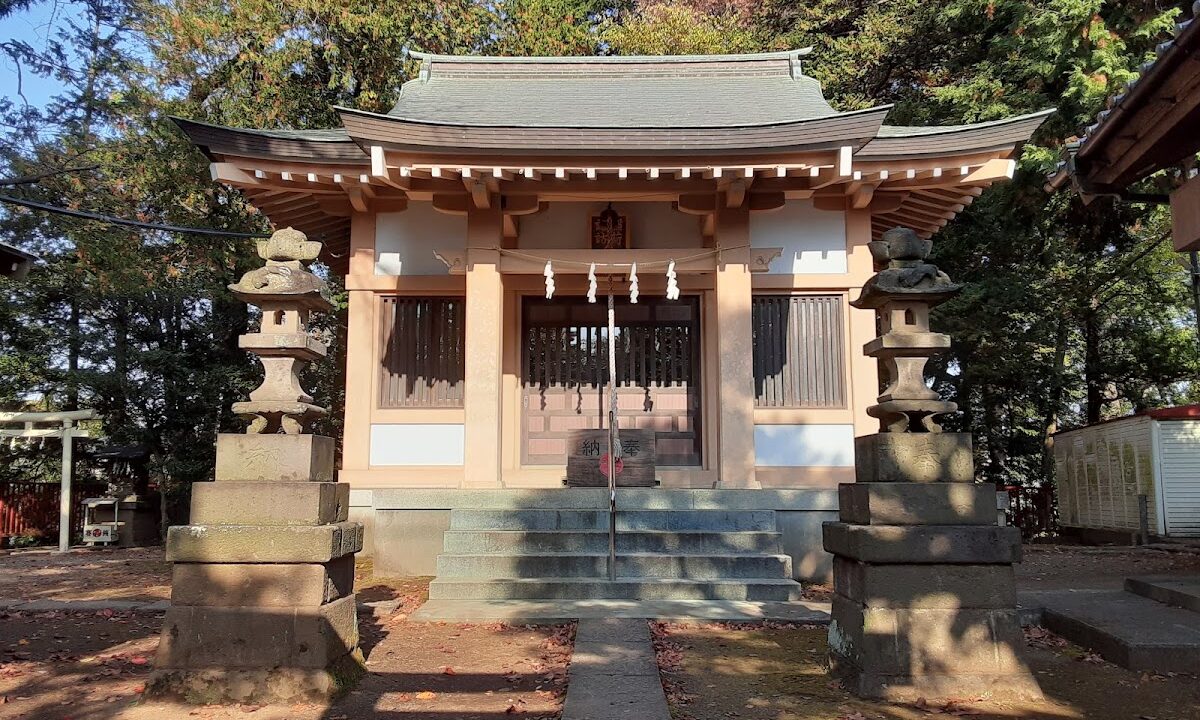
The wooden main hall and worship hall maintain the style of traditional shrine architecture. Although not large in scale, they are carefully maintained as central buildings supporting the faith of the local people.
Subsidiary Shrines
Small subsidiary shrines are enshrined within the grounds, demonstrating the diversity of local beliefs.
Shrine Grove
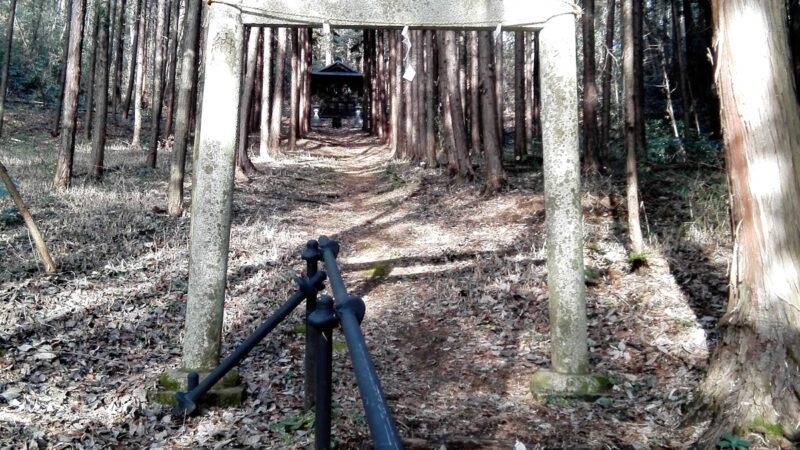
Ancient trees and other trees remain within the grounds, maintaining a lush green environment despite being in an urban area. The natural beauty of the shrine grounds, which changes with each season, offers a sense of peace and tranquility to visitors.
Access Information
Here’s how to access Inari Suwa Shrine.
Nearest Stations and Lines
Seibu Ikebukuro Line “Shakujii-koen Station”
- Approximately 10 minutes on foot from the station
- The route from the South Exit towards Shakujii-koen is convenient
- You can also visit via Shakujii-koen
Toei Oedo Line “Nerima-Kasugacho Station”
- Approximately 15 minutes on foot from the station
- This route is towards Shakujii-machi
Nearest Bus Stops and Lines
Seibu Bus “Shakujii-machi 5-chome” Bus Stop
- Take a Kanto Bus or Seibu Bus from Shakujii-koen Station
- Approximately 3 minutes on foot from the bus stop
“Shakujii-koen” Bus Stop
- Multiple bus lines stop here
- Approximately 8 minutes on foot from the bus stop
Access by Car
There is no dedicated parking lot, so please use nearby coin-operated parking lots. There are several parking lots around Shakujii-koen.
Access by Foot or Bicycle
Located within walking distance of Shakujii Park, many visitors combine their visit with a stroll through the park. Bicycle access is also convenient; there may be bicycle parking spaces on the grounds (please check upon arrival).
Nearby Attractions
Numerous attractive spots in the Shakujii area surround Inari Suwa-gojinja Shrine.
Shakujii Park
A metropolitan park centered around Sanboji Pond and Shakujii Pond, offering rich nature and historical scenery. Enjoy boating, strolling, bird watching, and other seasonal activities.
Shakujii Castle Ruins
The ruins of the castle of the Toshima clan during the Muromachi period remain within Shakujii Park. A valuable spot to experience medieval history.
Sanboji Temple
An ancient temple of the Shingon Chizan sect, adjacent to Shakujii Park. As a historical temple, it houses many local cultural assets.
Manners and Etiquette for Visiting a Shrine
This section introduces basic manners for visiting a shrine.
Proper Worship Etiquette
- Bow before passing through the torii gate: This is a sign of respect when entering the sacred area.
- Purify yourself at the water basin: Purify your left hand, then your right hand, then your mouth.
- Avoid walking in the center of the path: The center is considered the path of the gods.
- Worship in front of the main hall: Two bows, two claps, and one bow is the basic form.
- Bow again at the torii gate upon leaving: This expresses gratitude.
Photography
Photography is generally permitted within the shrine grounds, but please refrain from taking pictures inside the main hall or during religious ceremonies. Remember to be considerate of other worshippers.
The Charm of Inari Suwa-gojinja Shrine
The greatest charm of Inari Suwa-gojinja Shrine is that, despite being located in the urbanized Nerima Ward, it preserves the history and traditions of the region.
While not a large shrine, it possesses a warm, community-oriented atmosphere, and locals can be seen visiting regularly. Visiting it in conjunction with a stroll through Shakujii Park allows you to fully appreciate the charm of the Shakujii area, where nature, history, and faith harmonize.
During important occasions such as New Year’s visits, Shichi-Go-San (a traditional rite of passage for children), and the annual festival, it functions as a place where local people gather to reaffirm their community bonds. This kind of community-oriented shrine is a valuable presence in modern urban areas.
Summary
Inari Suwa Gojinja Shrine is a historical shrine located in Shakujii-cho, Nerima-ku, Tokyo. During the Edo period, it was under the management of Zenjoin Temple as Suwa Shrine, and after the Meiji Restoration, it was merged with Inari Shrine to form its current structure.
Its main deities are Ukanomitama-no-kami and Takeminakata-no-kami, and it offers a wide range of divine blessings, including abundant harvests, business prosperity, and improved luck in competitions. Located just a 10-minute walk from Shakujii-koen Station on the Seibu Ikebukuro Line, it’s easily accessible and can be visited in conjunction with a stroll through Shakujii Park.
As a shrine deeply rooted in the community, it hosts various festivals and events throughout the year, serving as a place of faith and community interaction for local residents. Why not visit Inari Suwa-gojinja Shrine, which quietly watches over the community amidst the hustle and bustle of the city?