Takeshita Inari Shrine (Nerima Ward, Tokyo) Complete Guide | History, Deities, Access, and Visiting Information
Located in Sekimachi Minami, Nerima Ward, Tokyo, Takeshita Inari Shrine is a historic Inari shrine believed to have been founded around 1784 during the late Edo period. Situated in a quiet residential area along the Ome Kaido road, and surrounded by apartment buildings, the shrine grounds retain the atmosphere of Musashino and are cherished as a spiritual haven for the local community.
This article comprehensively introduces everything you need to know before visiting Takeshita Inari Shrine, including its detailed history, enshrined deities, highlights of the grounds, access methods, and visiting information.
Basic Information about Takeshita Inari Shrine
Location
2-3-22 Sekimachi Minami, Nerima-ku, Tokyo 177-0053
Deity Enshrined
Ukanomitama-no-Mikoto
Annual Festival Date
September 15th
Main Shrine
Musashino Hachimangu Shrine (Musashino City)
Telephone Number
TEL: 0422-22-5327 (Musashino Hachimangu Shrine)
or 03-3928-7530
Head Shrine
Fushimi Inari Taisha Shrine (Kyoto Prefecture)
History of Takeshita Inari Shrine
Founding in the Edo Period and Development of Takeshita Shinden
Takeshita Inari Shrine is estimated to have been founded around 1784 (Tenmei 4). This period was a time when the development of new rice fields on the Musashino Plateau was actively carried out under the encouragement of the Edo Shogunate. It is believed that the Takeshita Inari Shrine was founded when Takeshita Shinden was developed, as a guardian deity of the newly developed land and as a local tutelary deity prayed to for a bountiful harvest.
The name Takeshita Shinden is thought to originate from the people involved in the development of the area or from the topography, but detailed records do not remain. However, the fact that the Inari Shrine was founded at the same time as the development of the new land speaks to how important Inari worship was in the agricultural society of that time.
Meiji Era Shrine Consolidation Policy
With the arrival of the Meiji era, the shrine was affected by the Meiji government’s policy of consolidating shrines. Takeshita Inari Shrine was first merged with the nearby Takeshita Itsukushima Shrine. Later, it was further merged with Tenso Wakamiya Hachimangu Shrine, temporarily losing its function as an independent shrine.
During this period, there was a nationwide movement to consolidate and abolish small shrines, and many local shrines met a similar fate. However, the faith of the local residents did not die out, and their feelings for Takeshita Inari Shrine were passed down through generations.
Revival in the Heisei Era and the Present
In 1991 (Heisei 3), due to strong demands from local residents, Takeshita Inari Shrine separated from Tenso Wakamiya Hachimangu Shrine and was revived as an independent shrine once again. This revival, after approximately 100 years, was a manifestation of the community’s unity and determination to preserve tradition.
Currently, Takeshita Inari Shrine, while maintaining Musashino Hachimangu Shrine as its main shrine, is carefully preserved as the local tutelary deity. In the increasingly urbanized Nerima Ward, it remains a valuable space preserving history and nature.
About the Enshrined Deity
Ukanomitama-no-Mikoto
The enshrined deity of Takeshita Inari Shrine is Ukanomitama-no-Mikoto. This deity is a grain and food god appearing in Japanese mythology and is the central figure of the Inari deities worshipped at Inari shrines throughout Japan.
Divine Virtues
- Abundant Harvest
- Business Prosperity
- Industrial Development
- Family Safety
- Fulfillment of Wishes
The “Uka” in Inari-no-Mikoto means grain or food, and “Tama” represents the spirit. Therefore, it means “Spirit of Grains,” and has been revered as a god protecting people’s lives from the time when agriculture was the foundation of their livelihood to the present day.
Characteristics of Inari Faith
There are said to be approximately 30,000 Inari shrines throughout Japan, making them the most numerous type of shrine in the country. Takeshita Inari Shrine is also part of the Inari faith lineage, with Fushimi Inari Taisha as its head shrine.
The establishment of Inari shrines during the Edo period’s land reclamation projects indicates that people at that time valued agricultural success and bountiful harvests above all else. Today, it is widely worshipped as a god of business prosperity and is deeply revered by local shop owners and businesspeople.
Highlights of the Shrine Grounds
Torii Gate and Approach
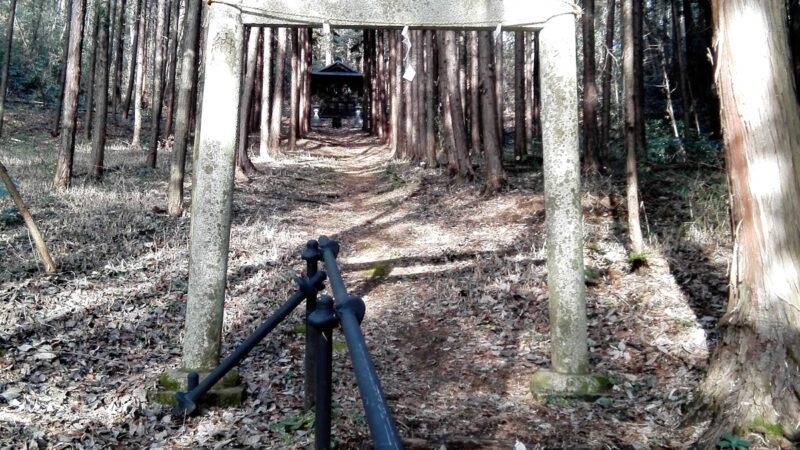
A vermilion torii gate stands at the entrance to Takeshita Inari Shrine, welcoming visitors. Passing through the gate, a meticulously swept approach leads to the main shrine. Stepping away from the hustle and bustle of the city, a tranquil atmosphere permeates the air, creating a peaceful space.
Main Shrine
The main shrine, nestled at the back of the grounds, is small yet exudes a sense of dignity. Since its restoration in the Heisei era, it has been carefully maintained by local residents, keeping it clean and well-organized.
Trees on the Shrine Grounds
The grounds of Takeshita Inari Shrine are home to towering ginkgo trees, Japanese chinquapin trees, and camphor trees. These trees are living witnesses to the shrine’s long history and form a valuable green space in the increasingly urbanized Nerima Ward.
In particular, the ginkgo trees turn a beautiful golden yellow in autumn, coloring the temple grounds in golden hues. Evergreen trees such as Castanopsis sieboldii and camphor trees maintain a deep green throughout the year, giving the grounds a tranquil atmosphere.
These trees are precious remnants of the former Musashino landscape. Despite being surrounded by apartment buildings, the natural space created by the trees provides healing and peace to visitors.
Atmosphere of the Temple Grounds
Although the temple grounds are surrounded by two apartment buildings, a typical urban environment, a quiet and peaceful atmosphere is still maintained. Thanks to the daily cleaning and maintenance by local residents, a clean and pleasant space is maintained at all times of visit.
Access and Transportation Information
Access from the Nearest Station
From Kami-Shakujii Station on the Seibu Shinjuku Line
- Approximately 9-11 minutes on foot from the South Exit
- Distance: Approximately 800m
Kami-Shakujii Station is the closest station. Exit the South Exit and head towards Ome Kaido, then walk towards Sekimachi Minami.
From Seibu Shinjuku Line “Kami-Igusa Station”
- Approximately 15 minutes on foot
From Seibu Shinjuku Line “Musashi-Seki Station”
- Approximately 15 minutes on foot
Access by Bus
Nearest Bus Stop
Approximately 1 minute on foot from the “Ome Kaido Eigyosho” bus stop
Located along Ome Kaido, it is easily accessible by bus.
Access by Car
Although located in a residential area along Ome Kaido, there is no dedicated parking lot. We recommend using public transportation when visiting. There may be coin-operated parking lots nearby, but please avoid street parking as it is a residential area.
Visiting Information
Visiting Hours
Takeshita Inari Shrine is an outdoor shrine, so it is generally open 24 hours a day. However, we recommend refraining from visiting at night out of consideration for the surrounding residents. Visiting during daylight hours is preferable. ### Admission Fee
Admission is free. Donations are optional.
About Goshuin (Shrine Seals)
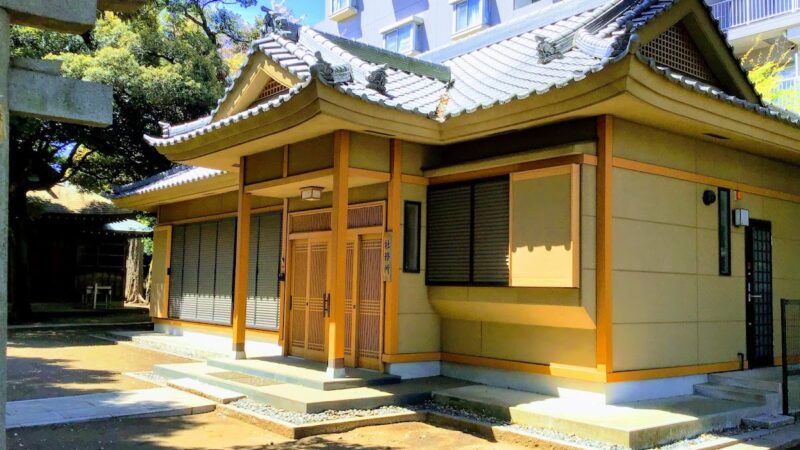
Goshuin for Takeshita Inari Shrine can be obtained at Musashino Hachimangu Shrine (Musashino City), the shrine’s principal shrine. Since Takeshita Inari Shrine itself does not have a shrine office, please contact Musashino Hachimangu Shrine if you wish to obtain a goshuin.
Musashino Hachimangu Shrine
Phone: 0422-22-5327
Annual Festivals and Events
Annual Festival Date
September 15th
The annual festival of Takeshita Inari Shrine is held every year on September 15th. This is the most important festival for the shrine, and local people gather to offer thanks to the gods.
Manners for Visiting
- Bow before the Torii Gate: The torii gate is the entrance to the sacred area. Bow before passing through it.
- How to walk on the approach to the shrine: The center of the approach is considered the path for the gods. It is polite to walk along the sides.
- How to purify your hands and mouth: If there is a purification fountain, purify your hands and mouth before praying.
- How to bow: The basic procedure is two bows, two claps, and one bow.
- Photography etiquette: Photography is permitted, but please refrain from taking pictures inside the main hall or in sacred areas.
Nearby attractions and related shrines
Shrines in Nerima Ward
Tenso Wakamiya Hachimangu
This shrine was formerly home to Takeshita Inari Shrine. It is one of the shrines worth visiting to learn about the history of Nerima Ward.
Musashino Hachimangu (Musashino City)
This is the main shrine of Takeshita Inari Shrine. It has a larger precinct and a well-equipped shrine office.
The Charms of the Surrounding Area
Sekimachi Minami in Nerima Ward is a quiet residential area along the Ome Kaido road. There is a shopping street nearby, allowing you to experience the local lifestyle and culture. Furthermore, there are scattered green spaces and parks that retain the atmosphere of Musashino, making it an ideal area for strolling.
The Charms of Takeshita Inari Shrine and its Value as a Power Spot
A Healing Space in the City
The greatest charm of Takeshita Inari Shrine is that, in the rapidly urbanizing Nerima Ward, it offers a tranquil space where history and nature harmonize. Although surrounded by apartment buildings, stepping onto the shrine grounds gives you the feeling that time slows down.
The Center of the Local Community
Since its restoration in 1991, Takeshita Inari Shrine has been carefully preserved by local residents. Regular cleaning and maintenance are carried out, making it a symbol of the strong bonds of the local community.
A Local Power Spot
Inari shrines are believed to bestow blessings of abundant harvests, business prosperity, and the fulfillment of all wishes. As a readily accessible power spot easily visited in daily life, it is cherished by many worshippers.
In particular, one can feel the energy of nature emanating from the ancient trees within the shrine grounds. It is the perfect place to visit when you want to escape the hustle and bustle of the city and find peace of mind.
Visitor Voices and Reviews
The following are some comments from people who have actually visited Takeshita Inari Shrine:
- “It’s a small shrine, but the beautifully swept grounds were impressive.”
- “The quiet grounds retain the atmosphere of the former Musashino, and it brings a sense of peace.”
- “Even though it’s surrounded by apartment buildings, once you enter the grounds, it’s like entering a different world, so quiet.”
- “The large trees are wonderful, and it’s like an oasis in the city.”
These comments show that Takeshita Inari Shrine provides healing and peace to its visitors.
Photo Spots at Takeshita Inari Shrine
Recommended Photo Spots
- Torii Gate and Approach: The contrast between the vermilion torii gate and the green trees is beautiful.
- Main Shrine: A majestic view from the front.
- Large Trees in the Shrine Grounds: The majestic appearance of ginkgo, chinquapin, and camphor trees.
- Autumn Foliage Season: The yellow leaves of the ginkgo trees color the shrine grounds.
Photography is permitted, but please be considerate of other visitors and remember that this is a sacred place.
Points to Note When Visiting Takeshita Inari Shrine
- No Shrine Office: There are no resident Shinto priests. For Goshuin (temple/shrine stamps), please go to the main shrine, Musashino Hachimangu Shrine.
- No parking available: We recommend using public transportation.
- Located in a residential area: Please be considerate of the neighbors.
- Nighttime visits: Possible, but daytime visits are preferable.
- Events other than the annual festival: Please contact Musashino Hachimangu Shrine for details.
Summary: The Value and Significance of Visiting Takeshita Inari Shrine
Takeshita Inari Shrine is a historic Inari shrine that has been cherished by the local people for approximately 240 years since its founding in 1784. Its history, including the consolidation of shrines during the Meiji era and its restoration in 1991, speaks to the strong unity of the local community and its strong will to preserve tradition.
In Nerima Ward, Tokyo, where urbanization is progressing, the shrine grounds, surrounded by apartment buildings but retaining the atmosphere of Musashino, are a precious healing space for modern people. The shrine grounds, dotted with towering ginkgo, chinquapin, and camphor trees, are a power spot where you can feel the energy of nature.
Although small in scale, the meticulously maintained and clean grounds, the warm faith of the local people, and the divine virtues of Inari-no-Mikoto all harmonize to offer visitors a special experience at Takeshita Inari Shrine.
Despite its convenient location, just a 10-minute walk from Kami-Shakujii Station on the Seibu Shinjuku Line, Takeshita Inari Shrine maintains a quiet and peaceful atmosphere. When you visit Nerima Ward, be sure to stop by. It will be a memorable pilgrimage experience where you can connect with history, nature, and the warmth of the local people.