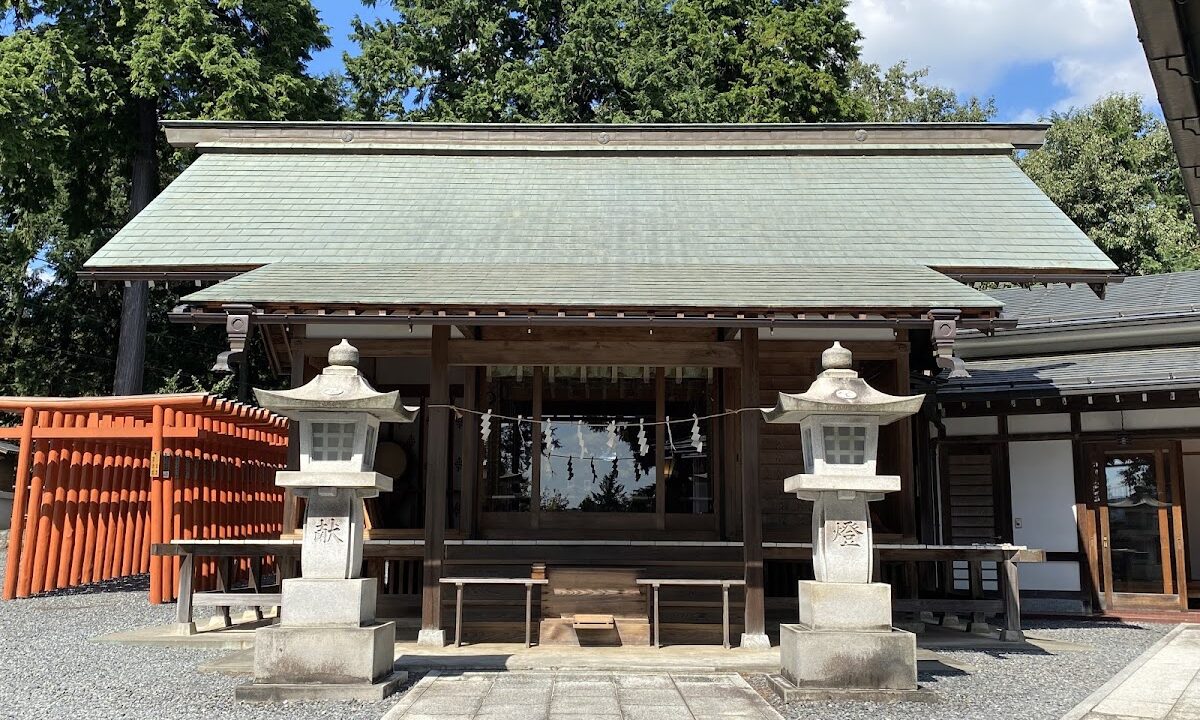
Katsunuma Shrine (Ome City, Tokyo) Complete Guide | History, Goshuin (Shrine Seal), and Access Information
Katsunuma Shrine, located in Katsunuma, Ome City, Tokyo, is a historic shrine founded at the end of the Kamakura period by the lord of Katsunuma Castle. Affectionately known locally as “Shinmei-sama,” it stands quietly on a hill overlooking the town of Ome. This article comprehensively introduces all the information you need to know before visiting Katsunuma Shrine, including its detailed history, enshrined deities, goshuin information, highlights within the grounds, and access methods.
History of Katsunuma Shrine
Circumstances of its Founding and Katsunuma Castle Lord Mita Nagatsuna
The founding of Katsunuma Shrine dates back to Shoan 3 (1301). It is said that the shrine originated when Mita Shimosa-no-kami Nagatsuna, the lord of Katsunuma Castle at the time, invited Shinnyo Shonin, the second patriarch of the Jishu sect, to establish Joganji Temple, and at the same time, he founded the “Shinmei Kotaijingu” shrine as the guardian deity of the temple and the area.
Mita Nagatsuna was a samurai warrior said to be a descendant of Taira no Masakado, and he ruled this region. The shrine was initially built about 109 meters (one cho) in front of Joganji Temple, and played the role of protecting the temple and the area.
History of Relocation and Name Change
Approximately 470 years after its founding, in September of An’ei 3 (1774), the shrine was relocated to its current location. This relocation placed it on higher ground, giving it a position overlooking the town of Ome.
In Meiji 1 (1868), influenced by the separation of Shinto and Buddhism decree, it was renamed “Katsunuma Shrine.” Until then, it was called “Shinmei-sha” or “Shinmei Kōtaijingu,” but it was given its current name, which incorporates the local place name. In 1873 (Meiji 6), it was ranked as a village shrine, establishing its status as an important shrine in the region.
The Popular Name “Shinmei-sama”
Locally, it is still commonly called “Shinmei-sama” or “Shinmei-sama.” This name originates from the fact that the enshrined deity is Amaterasu Ōmikami, indicating that it is a shrine of the Shinmei-sha lineage. This name speaks to the deep connection with the region that has lasted for over 700 years.
Enshrined Deities and Divine Virtues
Main Enshrined Deities
The enshrined deities of Katsunuma Shrine are the following two:
Amaterasu Ōmikami
The supreme deity in Japanese mythology, the personification of the sun. She is the ancestral deity of the Imperial family and is enshrined in the Inner Shrine of Ise Grand Shrine. She is believed to bestow divine virtues such as national peace and security, good fortune, and protection against evil.
Toyouke-no-Okami
This goddess presides over food and grains and is enshrined at the Outer Shrine of Ise Grand Shrine. She is worshipped as the guardian deity of abundant harvests, industrial development, and the provision of clothing, food, and shelter.
This combination of two deities is the same as the Inner and Outer Shrines of Ise Grand Shrine, and is characteristic of shrines of the Shinmei-sha lineage.
Divine Virtues
The main divine virtues believed to be obtained by visiting Katsunuma Shrine are as follows:
- Family Safety: Protection of family health and peaceful living
- Abundant Harvest: Abundant crops and food safety
- Good Fortune and Prosperity: Improved luck and the arrival of happiness
- Exorcism: Purification from misfortune
- Business Prosperity: Development and prosperity of business
Highlights of the Shrine Grounds
Atmosphere of the Shrine and Grounds
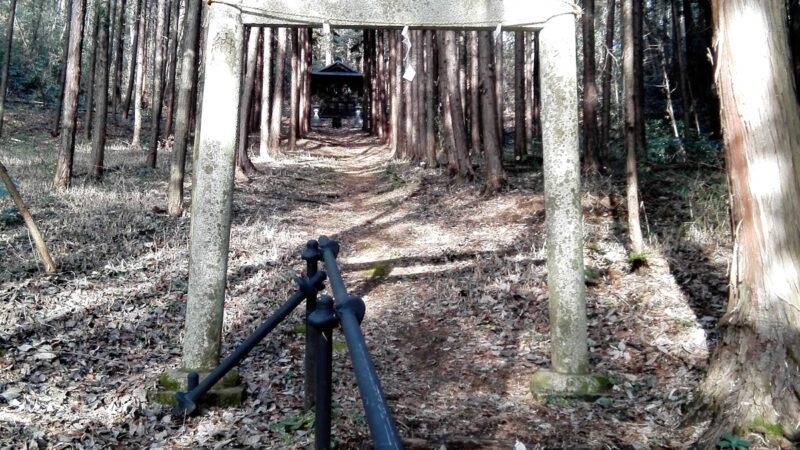
Katsunuma Shrine is located on a hill overlooking the town of Ome, and the grounds offer views of the Ome cityscape. The quiet and peaceful atmosphere of the grounds makes it the perfect place to escape the hustle and bustle of the city and find peace of mind.
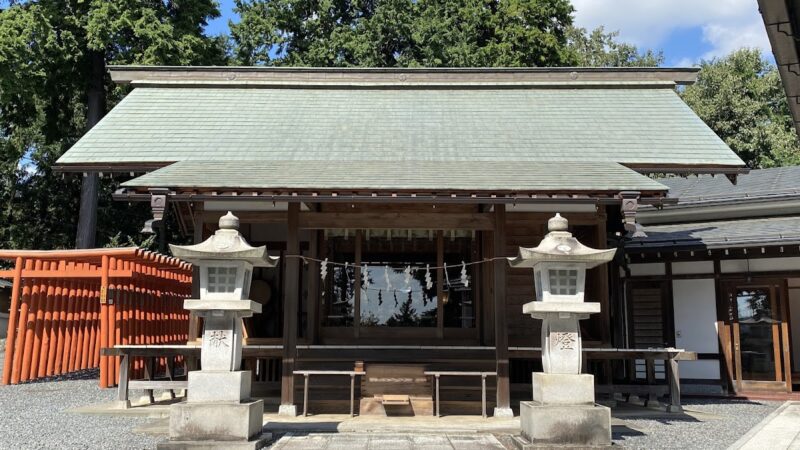
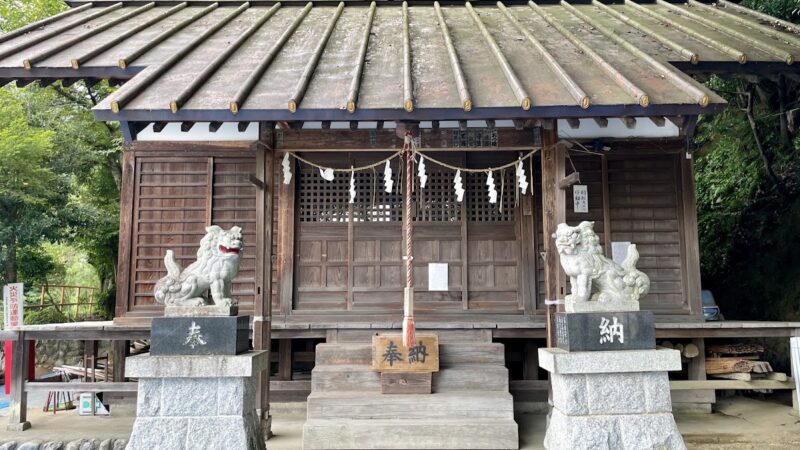
The shrine building is simple yet dignified, reflecting its long history. The grounds are of a moderate size, allowing for a leisurely visit.
Stone Steps and Approach
The stone steps leading to the shrine are a steep slope, requiring some physical effort from visitors. However, this difference in elevation serves as a boundary separating the sacred realm from the secular world, and the sense of accomplishment and refreshment after reaching the top is exceptional.
The process of climbing the approach to the shrine itself can be said to serve as a purification ritual for mind and body.
Relationship with surrounding temples and shrines
Joganji Temple, which was deeply involved in the founding of Katsunuma Shrine, still exists nearby. Also, in the same Katsunuma district of Ome City, there are other shrines such as Ishidō Shrine, playing a central role in local faith.
Together with other shrines in Ome City, such as Sumiyoshi Shrine, it forms a regional shrine network.
Goshuin (Shrine Seal) Information
About the Issuance of Goshuin
Katsunuma Shrine offers goshuin. Goshuin are important as proof of worship and as a way to forge a connection with the shrine.
The goshuin bears the name of “Katsunuma Shrine” and the date of visit. The design is simple yet dignified, with the powerful calligraphy and red seal harmonizing beautifully.
Goshuin (Shrine Seal) Reception Hours and Location
Goshuin are given out at the shrine office. However, they may not always be available, so if you want to be sure to get a goshuin, it is recommended to call ahead to confirm.
Shrine Office Contact Number: 0428-22-6546
The offering fee is generally around 300 to 500 yen. You can bring your own goshuin book or receive a pre-written goshuin.
Goshuin Pilgrimage Tips
There are several shrines in Ome City, making it enjoyable to visit them all and collect goshuin. The following is a recommended course including Katsunuma Shrine:
- Musashi Mitake Shrine (Mt. Mitake, Ome City)
- Sumiyoshi Shrine (Ome City)
- Sumiyoshi Shrine (known for the Ome Grand Festival)
- Ishido Shrine (Katsunuma, Ome City)
Visiting multiple shrines in one day will allow you to gain a deeper understanding of Ome’s history and culture.
Access Information
Access by Train
Nearest Station: JR Ome Line “Higashi-Ome Station” or “Ome Station”
Access from Higashi-Ome Station
- Approximately 15-20 minutes on foot from Higashi-Ome Station
- Exit the station and head northeast, passing through the residential area and climbing the hill
- Distance: Approximately 1.2 km
Access from Ome Station
- Approximately 20-25 minutes on foot from the South Exit of Ome Station
- Head east from the South Exit, cross the railway tracks, and head north
- There is a steep slope, so we recommend wearing comfortable shoes for your visit
- Distance: Approximately 1.5 km
Access by Car
Address: 3-140 Katsunuma, Ome City, Tokyo
Access from Major Roads
- Approximately 10 minutes from Ken-O Expressway “Ome IC”
- Approximately 40 minutes from Chuo Expressway “Hachioji IC”
- Accessible from National Route 411 (Ome Kaido)
Parking Information
There is no large-scale parking lot specifically for the shrine, but there may be some parking spaces in the surrounding area. However, since the number of spaces is limited, we recommend using public transportation.
You can also use nearby coin-operated parking lots, or park your car in a parking lot near Ome Station and walk to the shrine.
Points to Note When Visiting
- Hill Stairs: There is a steep slope leading to the shrine, so please wear comfortable shoes and clothing.
- Summer Heatstroke Prevention: Especially in summer, be sure to stay hydrated.
- Winter Cold Weather Protection: Because it is located on a hill, it can be windy and cold in winter.
- Shrine Office Absence: If you wish to receive a Goshuin (shrine stamp), it is best to contact the shrine in advance.
Annual Events at Katsunuma Shrine
Main Festivals
Katsunuma Shrine holds various festivals throughout the year.
Annual Grand Festival
This is the most important festival, held every autumn. Local parishioners gather, and sometimes portable shrines and floats are carried. Prayers are offered for a bountiful harvest and the safety of the community.
New Year’s Day Festival
This festival is held on January 1st, welcoming the new year, and attracts many visitors for their first shrine visit of the year. Prayers are offered for safety and prosperity throughout the year.
Monthly Festival
This festival is held regularly every month, offering gratitude and prayers for the day.
First Shrine Visit and New Year’s Holidays
Katsunuma Shrine, as the local guardian shrine, attracts many worshippers for their first shrine visit of the year. While not as crowded as larger shrines, there are more visitors than usual from New Year’s Day through the third day.
For those who wish to quietly offer their New Year’s prayers, visiting after January 4th is recommended.
History and Culture of the Katsunuma Area
Katsunuma Castle and the Mita Clan
The name Katsunuma originates from Katsunuma Castle, which once stood in this area. Katsunuma Castle was a medieval mountain castle, ruled by the Mita clan.
The Mita clan is said to be descended from Taira no Masakado and was a powerful samurai family in this region. While there are various theories regarding the exact location and size of the castle, it is believed that the area around the present-day Katsunuma Shrine was its castle grounds.
Relationship with Joganji Temple
Founded around the same time as Katsunuma Shrine, Joganji Temple played an important role as a Jishu sect temple. During the era of syncretism of Shinto and Buddhism, shrines and temples were integrated and formed the center of local faith.
Although shrines and temples were separated by the Meiji-era separation of Shinto and Buddhism, they remain geographically close, and their historical connection can still be felt.
Position in Ome’s History
Ome City flourished as a post town on the Ome Highway during the Edo period, with thriving forestry and textile industries. The Katsunuma area also developed alongside Ome.
Katsunuma Shrine is a valuable cultural heritage site that conveys this regional history and is a core element of the local identity.
Nearby Tourist Attractions
Highlights in Ome City
When visiting Katsunuma Shrine, we recommend also visiting other tourist attractions in Ome City.
Ome Railway Park
A must-see park for railway enthusiasts, featuring actual steam locomotives and trains. Within walking distance of Higashi-Ome Station.
Ome Akatsuka Fujio Museum
A museum where you can experience the world of manga artist Akatsuka Fujio. Located about a 5-minute walk from Ome Station.
Ome’s Old Townscape
Around Ome Station, there is a shopping street with a Showa-era retro atmosphere, offering a unique landscape adorned with movie posters.
Mount Mitake
A sacred mountain towering in the northern part of Ome City, home to Musashi Mitake Shrine. Accessible by cable car, it’s also a popular hiking destination.
Nearby Shrines and Temples
Ishido Shrine
Located in the same Katsunuma area as Katsunuma Shrine, many visitors come to both.
Sumiyoshi Shrine
One of the main shrines in Ome City, it plays a central role in the Ome Grand Festival.
Joganji Temple
A Jishu sect temple with deep ties to the founding of Katsunuma Shrine. Visitors can feel a sense of historical connection during their visit.
Shrine Visit Manners and Etiquette
Basic Shrine Visit Etiquette
There are basic shrine visit etiquette rules. When visiting Katsunuma Shrine, please observe the following etiquette.
- Bow before passing through the torii gate: This is a courtesy before entering the sacred area.
- Avoid walking in the center of the path: The center is considered the path of the gods.
- Purify yourself at the water basin: If there is a water basin, purify your hands and mouth.
- Two bows, two claps, one bow: This is the basic etiquette in front of the main hall.
- Bow deeply twice.
- Clap your hands twice.
- Finally, bow deeply once.
About offerings
Offerings are a way of expressing gratitude to the gods. There are no set amounts, but it is important to offer them sincerely.
Please place the offering gently into the offering box, rather than throwing it.
Photography etiquette
Photography is generally permitted on the shrine grounds, but please note the following points.
- Please refrain from taking photos inside the main shrine.
- Please be considerate of other worshippers.
- Remember that this is a sacred place.
- Do not take photos in areas where photography is prohibited.
The Charm of Katsunuma Shrine
A Quiet Worship Environment
The greatest charm of Katsunuma Shrine is that, despite being easily accessible from the city center, it offers a quiet and peaceful worship experience. Unlike large tourist shrines, it is not crowded, allowing you to have time to slowly connect with the deities.
The Weight of History
As a shrine with a history of over 700 years, it carries the weight of having witnessed the changes of the times. From its founding by the lord of Katsunuma Castle, through the era of syncretism of Shinto and Buddhism, the separation of Shinto and Buddhism in the Meiji era, and up to the present day, you can feel the history that has unfolded through various eras.
Connections with the Community
Katsunuma Shrine, beloved by the community as “Shinmei-sama,” also plays a central role in the local community. During festivals, local people gather, passing on traditions to the next generation.
Excellent Views
Located on a hill, the shrine grounds offer panoramic views of the town of Ome. Visiting the shrine while enjoying the scenery that changes with the seasons enriches the soul.
Best Season for Visiting
Spring (March-May)
During cherry blossom season, the surrounding cherry trees are beautiful, and you can enjoy visiting the shrine amidst the refreshing air of new greenery. The weather is mild, making it a suitable season for climbing the hills.
Summer (June-August)
Because it is located on a hill, it is relatively well-ventilated, making it a comfortable environment even in summer. However, the sun is strong, so we recommend bringing a hat, parasol, and plenty of water.
Autumn (September-November)
This is the season when the annual festival is held, allowing you to experience the atmosphere of a local festival. The autumn leaves are also beautiful, making it one of the best seasons to visit the shrine.
Winter (December-February)
While it gets crowded during the New Year’s visit period, you can visit the shrine peacefully at other times. The air is clear, and the views are excellent. Be sure to dress warmly when you visit.
Summary
Katsunuma Shrine is a historic shrine located in Ome City, Tokyo. Founded in 1301 by Mita Shimosa-no-kami Nagatsuna, the lord of Katsunuma Castle, it has been affectionately known as “Shinmei-sama” by the local community.
The shrine enshrines Amaterasu-Omikami and Toyouke-Omikami, and is believed to bestow blessings such as family safety, abundant harvests, and good fortune. Situated on a hill overlooking the city of Ome, it offers a quiet and peaceful environment for worship.
It is accessible on foot from Higashi-Ome Station or Ome Station on the JR Ome Line, and Goshuin (shrine stamps) are available. Visiting in conjunction with sightseeing in Ome City will make for a more fulfilling experience.
Why not visit Katsunuma Shrine, with its history spanning over 700 years, and offer your daily gratitude and wishes to the gods in a peaceful setting? Away from the hustle and bustle of the city, this sacred place is sure to provide a refreshing and cleansing experience.